
How to Buy a Greenhouse for a School or Community Garden
Greenhouse buying guide
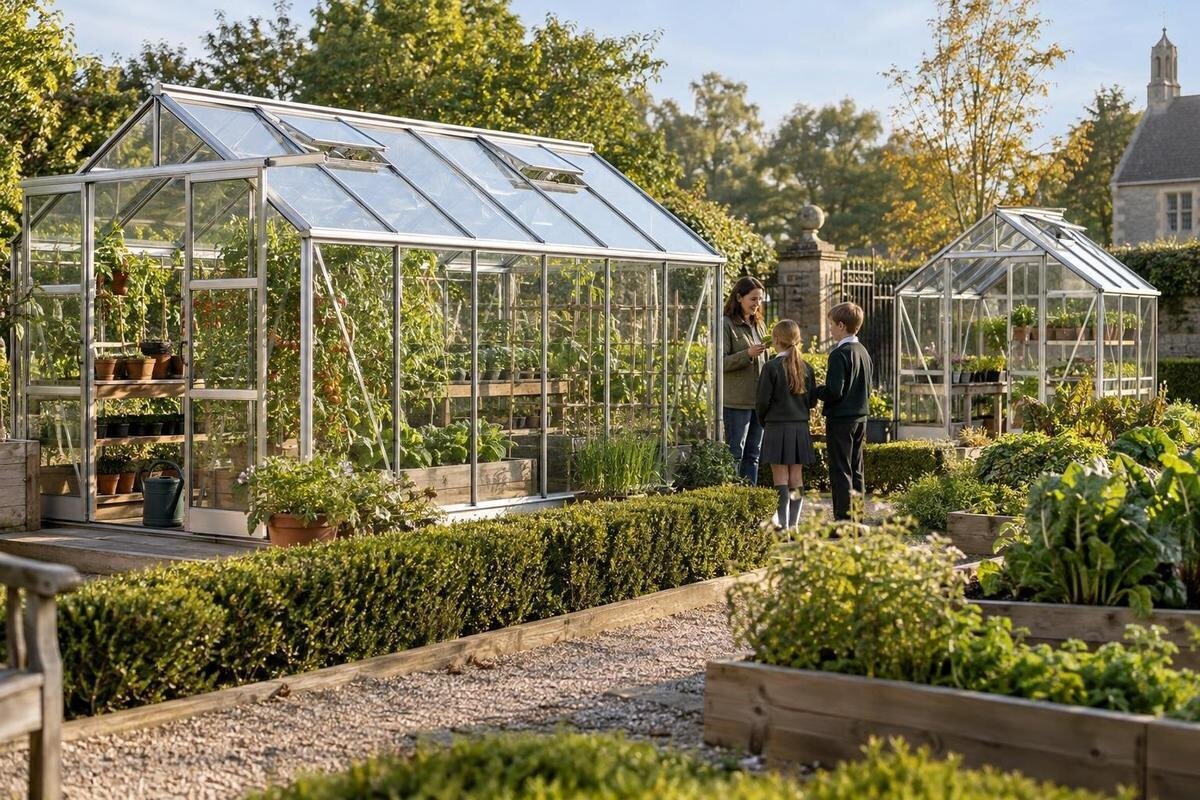
A greenhouse can give a school or community garden room to raise seedlings, protect selected crops and run practical lessons, but the right purchase depends on more than the largest footprint the site can hold. Shared use changes the decision: different crops, class or member numbers, supervision, watering between sessions and responsibility for upkeep all affect whether the structure works after opening day. This guide takes you through the questions to settle before ordering, from purpose and layout to site conditions and product-page details. It treats model names as identifiers, not proof of dimensions, contents or performance.

Define the greenhouse’s purpose
Begin with a growing plan, not a catalogue. Write down what the greenhouse should do: raise seedlings for outdoor beds, provide protected space for selected crops, or support lessons in sowing, observation and plant care. These uses make different demands on floor space. Seed trays need a workable surface and regular watering; crops that stay in place for months occupy growing area; a class needs room to gather without interrupting routine jobs. Distinguish a one-off lesson from a programme that expects regular harvests, as those commitments occupy space and time in different ways. Choose two or three main purposes and mark the rest as optional.
Agree whether the project is seasonal or should keep operating during school holidays, and decide who sets the crop plan. Teachers, club leaders, coordinators, regular volunteers and whoever approves spending may all have different priorities. Ask the people who will actually care for the plants to review the proposed uses before anyone settles on a design. A greenhouse intended for seed raising, for example, may need accessible work surfaces more than room for permanent tall crops. Write down what success means for the first year, such as supplying seedlings to outdoor beds or offering a regular class activity. Include who takes over if the school year ends or the garden coordinator changes. A clear purpose helps the group avoid buying for one person’s idea alone.
Measure the space you can actually use
Measure the proposed site and sketch both the greenhouse outline and the space around it. A product’s outside dimensions do not tell you how much floor area remains for beds, benches, containers or people. Allow for the door opening, a practical route inside, places to set down trays and space to work without brushing against plants. For shared sessions, think about the busiest likely group, not just a volunteer working alone. If students or members queue outside while one task is under way, identify where they can wait without blocking garden paths. Include any nearby storage or work area in the drawing, so it does not quietly take space from the growing plan.
Compare stated external and internal measurements, overall height, door position and any base requirements for every candidate; do not infer a dimension from a model number or photograph. With the Bloomcabin Prestige Greenhouse with Metal Foundation, check the listing for precise dimensions and what the foundation wording includes before deciding how much usable room it gives you. Mark benches and growing areas on the same plan, then test whether the people, pots and everyday tools still fit. If you cannot find a dimension or component clearly, ask before treating it as part of the design.
Choose a manageable site
Choose a location by observing it during the hours when the garden will be used. Note where sunlight falls, when nearby trees or buildings cast shade, whether wind exposure changes across the site, and where rainwater or irrigation water goes after a wet period. Conditions can differ within a small garden, so a visit at only one time of day may not tell the whole story. Make notes during more than one visit rather than relying on memory. The aim is not to find a universally perfect orientation, but to check that the position matches the crops and activities in your plan. A location with good light may still be awkward if it is hard to reach or supervise.
Check the route from the classroom, meeting point or main beds, along with the practical path for carrying compost, trays and harvested produce. Confirm how watering will be managed and whether runoff has somewhere appropriate to go; do not assume that a nearby tap or wall makes the arrangement straightforward. Consider when the garden needs access, including during lessons and routine care. In exposed or coastal settings, ask the supplier or a qualified installer what site and base details need professional confirmation. The Bloomcabin Orangerie page can be compared with your notes, but its name cannot answer whether the position, ground or access at your garden is suitable. Keep this site review separate from the product photograph.
Plan how different groups will share it
A shared greenhouse needs an operating plan as well as a crop plan. Decide which groups use it and when, who opens and closes it, who checks plants between sessions, and who covers those jobs during holidays or absences. A timetable can prevent one class or group from taking over the only workable sowing area for weeks. For a community garden, agree how members reserve space and what happens when a crop is neglected; for a school, fit greenhouse tasks into the existing supervision routine. Make the booking or handover process easy to understand when different people use the garden on consecutive days. These are decisions for the people responsible for the garden, not features a greenhouse can solve.
Keep day-to-day expectations simple enough to follow. Label planted trays and shared beds, identify where tools and watering equipment belong, and agree who removes damaged containers or clears spent plants. Make one person responsible for a weekly overview, with a named backup rather than assuming everyone will notice the same task. If pupils are involved, follow the organisation’s established supervision and safety procedures, and keep responsibility for equipment clear. A reliable routine protects the growing plan from changes in class timetables, volunteer attendance and seasonal breaks. Include the time available for maintenance when comparing a larger or more involved layout.

Arrange the interior around crops and activities
Plan the interior around tasks instead of filling every edge with benches. Propagation trays, potting work, established crops and storage all compete for space; decide which activities belong inside and which can happen at an outdoor work area. Ground beds may suit crops that need room at floor level, while shelves or benches can help organise small pots, but the choice depends on the intended plants and the people using them. Consider how planting and harvesting will change through the year, so one permanent arrangement does not block later tasks. Keep a working route between zones and leave space to reach plants for watering and harvesting. Do not assume benches, shelves or a potting table are included unless the product information says so.
For a class or volunteer group, think about how several people will use the space at once. Put frequently handled seedlings where they can be checked without reaching over fragile plants, and use simple labels so groups can recognise their own sowings. Reserve a clear spot for trays waiting to be planted or moved outdoors; otherwise, temporary items gradually consume the growing area. The Classic Plus 385 listing is one page you can assess against this plan: check its stated dimensions and supplied components rather than reading a size or interior layout into the model name. Revisit the sketch whenever the crop plan or group activities change.
Check ventilation, shade and watering
Ask what control the greenhouse offers over heat and air movement. A sunlit enclosed space can become warmer than the surrounding garden, so the opening arrangement, the way vents are operated and the availability of shade matter to the plants and the people tending them. Check which openings are specified, whether their operation is practical for the group, and whether any proposed shade is included or an extra. Consider who will check and adjust openings as conditions change; a feature is only useful if the group can manage it. Match these questions to the crops you chose. A greenhouse for starting a limited batch of seedlings may be managed differently from one carrying plants through several seasons.
Watering is another shared-use issue. Choose a routine that someone can maintain on weekends, during breaks and when the usual volunteer is away; an elaborate plan that nobody owns is not dependable. Check where the water source is, how hoses or watering cans can reach the plants, and how excess water is handled without creating a muddy or obstructed route. Write the watering responsibility into the rota rather than leaving it to whoever happens to visit. If the T Model Greenhouse Orangery Wall Base is on your shortlist, look at its published opening and base information rather than assuming those details from the title. Ask about any missing feature before relying on it in a class plan.
Compare durability and maintenance needs
For a structure used by many people, durability involves more than the frame name. Check the listing for the stated frame and glazing materials, how panels are retained, what routine care is required, and whether replacement components or instructions are available. These details affect the time and skill the group must provide over several seasons. Ask what needs to be inspected after ordinary use and how visible damage should be reported. Do not treat a photograph, a colour description or a broad material label as a measure of expected service life. Compare written product information and seek clarification where it does not answer a practical question.
Consider the conditions around the site as well as wear from shared use. If the garden is exposed to strong wind or salt air, ask the supplier or a qualified professional whether the proposed product and base arrangement are appropriate there; do not make an anchoring or corrosion judgement from a name. The Aluminium Classic Greenhouse is a specific listing to examine, but the title does not establish its glazing, finish, maintenance needs or suitability for your location. Factor regular cleaning and checks into the group’s rota, and make sure someone can take responsibility for repairs rather than leaving faults unnoticed.
Budget for the complete growing space
Set the budget for a functioning growing space, not just the main structure. List possible costs for preparing the site, a suitable base, benches or shelves, shade, watering equipment, delivery, assembly support if required, replacement panels and routine upkeep. Which items are needed depends on the site and model, so record them as questions instead of assuming they are all included. Include the value of volunteer time as well as cash: a plan that relies on frequent watering or complex upkeep may be costly in hours even if the purchase itself fits the budget. Separate initial costs from recurring costs and agree which items are essential for the first growing season.
When checking a product page, look for a clear statement of what is supplied and what the buyer must arrange. The name Pyramid Greenhouse for Masonry Base is not enough to decide whether masonry work, a base or any other component is included; verify the actual listing and request clarification if needed. Compare like with like by noting optional extras separately, and make sure all decision-makers agree on the total plan before funds are committed. Keep an allowance for ordinary upkeep, but do not invent replacement costs where the supplier has not provided them. A clear budget reduces later surprises.
Compare shortlisted products consistently
Use one comparison sheet for the final shortlist. Record the published footprint and internal dimensions, height, door and opening details, stated materials, glazing type, base requirements, included accessories, maintenance information and any delivery or ordering conditions that matter to your organisation. Mark each point as confirmed, unclear or not required. That makes gaps visible instead of silently assuming that two similarly named products include the same parts. Give priority to must-haves from your growing plan and site review, then compare conveniences. A model that misses a firm requirement should not move ahead only because its photograph looks spacious or its label sounds appropriate.
Product titles can suggest a layout, but they are not drawings of the proposed site. For the Aluminium Lean-To Greenhouse, confirm the stated arrangement, dimensions, openings and any location requirements from its own product information before deciding whether it fits your garden. Compare those details against the same scale sketch used for the other options. If information is incomplete, put the candidate on hold until the supplier answers rather than filling a gap with assumptions. A consistent method keeps the group’s discussion focused on evidence and makes the eventual choice easier to explain to members or a school purchasing team.
Set ownership and ordering responsibilities
Before ordering, make sure the group knows who has authority to purchase, who will receive the delivery and who will manage the site once it arrives. Confirm the final model name and chosen configuration against the product page, plus quantity, quoted items, order address and practical access for the delivery. Agree who will keep the product information and pass relevant instructions to the people who use the space. If an organisation needs approval, leave time for its normal process rather than choosing a model before the group has agreed the requirements. Keeping the decision and its reasons together will help if the responsible teacher or volunteer changes.
Ask the supplier to clarify any unresolved point in writing, especially dimensions, components, base expectations, maintenance and site suitability; seek qualified help for site-specific structural or installation questions. Check the current ordering information rather than assuming a name or image confirms availability, price, delivery or an offer. That applies to the Aluminium Limited Edition Greenhouse just as it does to any candidate on your shortlist. Once the order is agreed, tell the people who will use the space what it is intended for and who owns each routine task. This handover turns the buying decision into a workable shared project.
Frequently asked questions
How large should a school or community greenhouse be?
Choose a size from a plan of the crops, activities and busiest likely group, then check both the outside footprint and usable interior dimensions. Include space for people to work, trays and equipment, not only the beds. A scale drawing can show whether the proposed layout will still leave a clear route.
Are benches or ground beds better for a shared greenhouse?
Neither is automatically better. Ground beds may suit crops that occupy floor space for longer, while benches can help organise trays and smaller pots. Decide from the growing plan, who will tend the plants and how much room is needed for group activities. Check whether any benches or shelves are actually included.
What should a group check at the proposed site?
Observe sunlight and shade at different times, consider wind exposure and note how water will reach the greenhouse and drain away. Check the route from the garden’s usual meeting place and whether the site is practical to supervise. Ask the supplier or a qualified professional about site-specific base or anchoring questions.
How can several classes or members share one greenhouse?
Agree a timetable, decide who checks plants between sessions and name a backup for holidays or absences. Label shared sowings and beds, set simple expectations for tools and watering, and make clear who decides what happens when a crop is neglected. Keep the routine realistic for the time people can give.
What should we confirm before placing an order?
Check the exact model and configuration, published dimensions, openings, glazing and frame information, base requirements and what is supplied. Confirm any delivery or ordering details that affect your organisation, and resolve unclear site questions before committing. Do not treat a product title or image as confirmation of specifications or included items.
A suitable greenhouse for a school or community garden supports a clear growing plan and can be looked after by the people who share it. Decide what it must do, measure the usable site, plan how groups will use and maintain it, and compare product details on the same checklist. A reliable shortlist is based on confirmed dimensions, contents and site requirements, not a model name or attractive image. With responsibilities agreed before ordering, the structure is more likely to remain useful through changing classes, volunteers and growing seasons.
