
Buying a Greenhouse on Black Friday for Next Spring: A Planning Guide
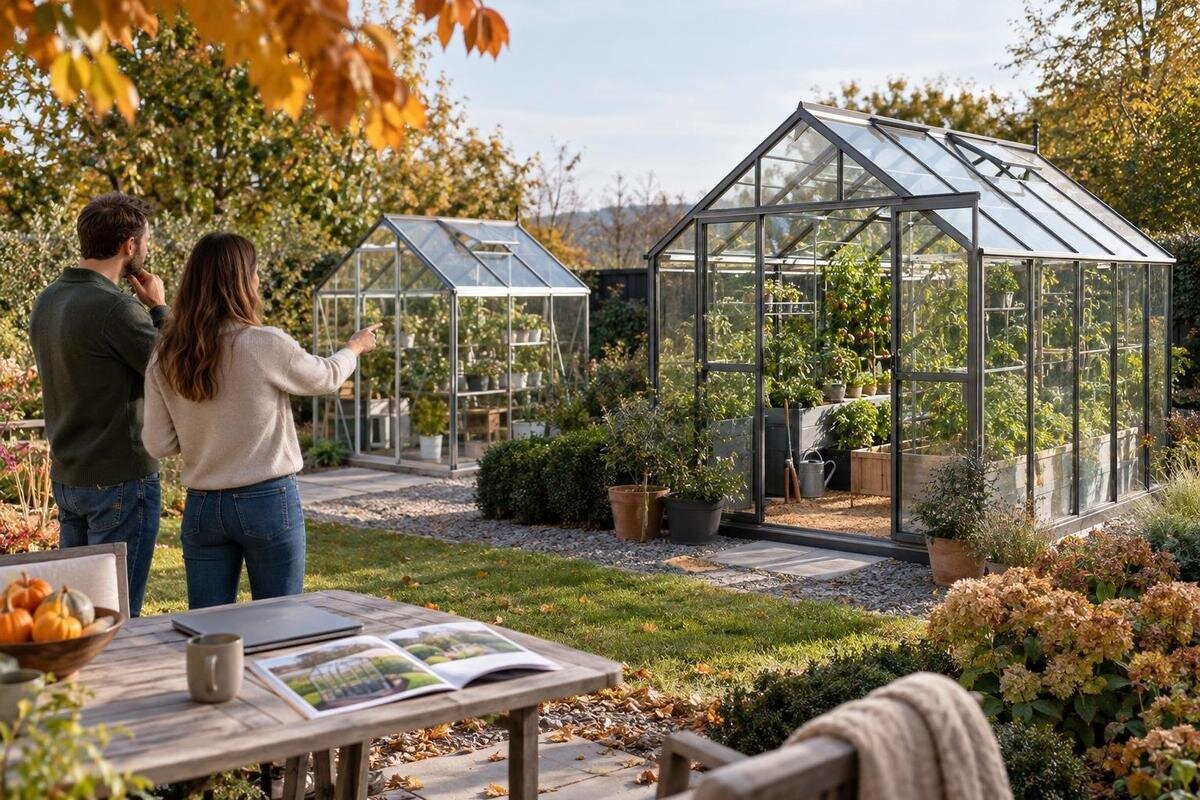
Seasonal greenhouse buying guide
Buying a greenhouse on Black Friday can give you time to plan for next spring, but it does not by itself make a structure suitable or guarantee that it will arrive in time. The useful work happens before you order: measure the site, define what you want to grow, identify the base and access requirements, and check the current product information. Treat the shopping event as a date for comparing and confirming choices, not as proof of a saving or a delivery promise.

Use Black Friday to plan backwards from spring
Buying during Black Friday can be part of a spring plan, but the event date and a usable greenhouse date are separate milestones. Decide what “ready” means in your case: delivery at the property, a prepared site, completed assembly, or a space arranged for planting. Those steps may not happen together. Choose a realistic period for first use, then work backwards to identify decisions that must be resolved first, including where the greenhouse will stand, the footprint available and what preparation the chosen design calls for. This gives the purchase a clear purpose and makes it easier to reject a model that looks appealing online but does not suit the project.
Treat the shopping event as a point to review current options, not as proof that every greenhouse is discounted, in stock or ready to dispatch. Only rely on an offer or availability statement that is actually shown and confirmed when you order; the calendar alone promises neither. Look for any stated fulfilment information and ask the seller about unanswered timing questions before committing. Build a buffer between expected arrival and the date you hope to set up the greenhouse, since delivery, preparation and assembly are separate tasks. If the seller cannot confirm timing, plan around that uncertainty rather than assuming the structure will be ready for a particular spring planting window.
Measure the site before comparing models
Start with a simple site sketch rather than a model name. Measure the usable length and width, note the available height, and mark fixed obstacles such as walls, drains, trees, fences, gates and paths. Check the ground at the proposed position and whether nearby shade changes through the day; a spot that appears open at one time may be shaded later. Record the boundaries and pathways that must remain clear. A sketch with measurements makes it possible to compare a product’s stated external dimensions with the real space, instead of relying on photographs, illustrations or a rough impression of the garden.
Allow space to reach the greenhouse, open the entrance and carry plants or equipment in and out; the footprint is not the only space requirement. A product title such as the Bloomcabin Prestige greenhouse with metal foundation is not a measurement or a complete description of what is included. Use the current listing for exact dimensions and component details, then compare them with your sketch. If a dimension or site requirement is missing, ask before ordering. Where levels or nearby structures make placement uncertain, get site-specific advice rather than making an assumption from an online picture.
Choose a footprint that leaves room to work
An outside measurement can fit while the interior still feels awkward for the way you intend to work. Mark a simple layout inside the proposed footprint: where pots, trays or benches might go, how much room is needed to walk between them, and whether you can reach the plants without moving everything else. Think about the space occupied by items you expect to keep inside, not just the plants. This helps distinguish floor area from usable growing and working area. It can also show whether a wider layout or a longer one would suit your arrangement better, without relying on a model’s photographs or name.
Check whether the door position and any stated opening or ventilation components fit that layout, using the product page rather than assuming details from a photograph. The name Bloomcabin Orangerie alone cannot establish how much usable room a particular listing provides. Compare its published footprint and internal details with your sketch, and note any feature that would change how you organise the space. If a bench, staging or storage item would need to be purchased separately, include it in your plan instead of counting on it as part of the greenhouse. A useful layout is one you can move through and maintain, not just a rectangle that fits on paper.
Match the capacity to what you plan to grow
Size should follow your growing plan, not an optimistic estimate of how many plants might fit at once. Write down the main uses you have in mind, such as raising seedlings, keeping potted plants under cover or growing a smaller number of larger plants, then estimate the room each use needs. Include periods when trays, pots or tools may take up space at the same time. A seasonal calendar can expose conflicts: a layout that is comfortable for one task may feel crowded when another is added. This is not a reason to buy the largest possible structure; it is a way to match the purchase to the activities you expect to carry out.
Compare that plan with dimensions and layout information stated for the actual model. The number in a title, as in Classic Plus 385, should not be taken as a dimension or an indication of growing capacity unless the product page explicitly explains it. Check the available floor area, the clearances your layout leaves, and which accessories are included or optional. If your uses are still uncertain, write down your current priorities and what could be added later, rather than choosing a greenhouse with no workable access. A short plan for crops and equipment makes comparisons more grounded.

Check the base requirements against the ground
The surface and base are part of the purchase decision because the greenhouse needs to be supported and fitted in accordance with its instructions. Do not assume that soil, paving or an existing slab is suitable simply because it looks level, or that a base is included because the product name suggests one. Read the model’s current installation information, identify the preparation and components stated there, and note what you must provide separately. Ground condition and the structure can affect what preparation is appropriate, so do not improvise a foundation from general advice. If you are unsure about fixing or site suitability, ask the supplier or a qualified installer to assess the specific location.
For a wall-based or base-specific option, confirm the supporting surface, dimensions, fixings and other requirements in the product instructions before placing an order. A title such as T-model greenhouse with orangery wall base is a prompt to read those details, not proof of compatibility with your wall or existing base. Ask which parts are supplied and which preparations or materials are not included, and keep the reply with your order notes. If the site needs work, arrange it only after the requirements are clear; a seasonal offer is not useful if the greenhouse cannot be installed where you planned. Send site-specific questions to an appropriately qualified person.
Plan delivery and assembly access
Check the route from the delivery point to the chosen position before ordering. Measure gates, passages and tight turns; note steps, changes of level and temporary obstructions that could prevent packages or components from reaching the site. Do not guess package dimensions from the greenhouse footprint: ask the seller about delivery access and handling arrangements if these are not stated. Decide where a delivery can be received and stored without blocking a path or exposing parts to avoidable damage. This is especially useful when the greenhouse will sit at the back of a property or the route is shared, narrow or awkward.
Assembly needs its own place in the schedule. Read the instructions or assembly information before purchase where available, check what assistance or equipment is expected, and decide whether you will assemble the structure yourself or use a suitable installer. Assess the Pyramid greenhouse for a masonry base from its current product details, not from the model title or image; confirm the stated dimensions, delivery information and installation requirements. Do not assume that assembly, preparation or packaging disposal is included. If you need another person or a contractor, agree their availability only after the likely delivery window and site requirements have been confirmed.
Read the details behind the product images
Look beyond the main product image and read the parts of the listing that explain the frame, glazing or covering, access, ventilation and supplied components. Those details affect how the greenhouse can be used and maintained, but the exact specification varies by model; a photo is not reliable evidence of what is included. Check the wording for precise materials and dimensions, and distinguish standard components from optional accessories. The model title Aluminium Classic greenhouse does not by itself confirm the complete frame specification, glazing type or pack contents. If one detail determines whether a model suits your site or routine, make it a buying condition and get it confirmed rather than accepting an assumption.
Decide which specification questions matter most before comparing pages, so a long feature list does not distract from essentials. Identify the type of growing space you want and consider whether the stated ventilation and access arrangements are practical for your routine; use the written details and instructions to check how they operate. Do not infer that a greenhouse is insulated, heated or fitted with equipment unless the listing says so. Likewise, treat shelves, staging, fixings and other accessories as included only when they are clearly listed. Keeping a concise note of confirmed facts and unanswered questions helps you compare options without relying on promotional wording.
Prioritise features that fit your routine
Features are useful when they solve a task you actually expect to do. Think through how you will enter, move plants, open the greenhouse for ventilation, water and clean the space, then check that the chosen model’s stated layout and supplied equipment support those routines. A feature shown in a staged photograph may be an accessory, so confirm its status in the product description. For a title such as Aluminium lean-to greenhouse, verify the exact arrangement and installation details rather than assuming from the words alone that it will fit a particular wall or work in a particular position. Give each feature on your shortlist a practical reason.
Separate essential features from conveniences. If ventilation control, a particular entrance position or room for a bench is important, record it as a requirement and check it against the dimensions, instructions and supplied components. If an item is optional, find out whether it is compatible and whether you would need to order it separately; do not leave this until after the greenhouse arrives. Consider how often you will use each feature and whether you can reach or operate it comfortably from your planned layout. This keeps the purchase focused on your growing routine rather than on a catalogue’s broadest configuration.
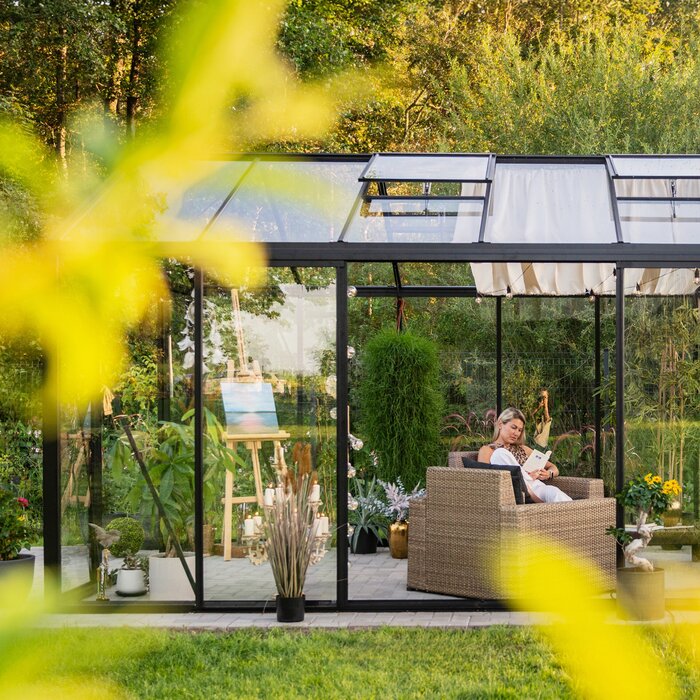
Set a calendar for ordering and setup
Before placing an order, confirm that the chosen product is currently available on the terms shown and that the seller’s stated delivery information works with your intended schedule. Seasonal labels, model names and product images do not establish stock, a discount, an offer period or a dispatch date. The words in Aluminium Limited Edition greenhouse should not be read as proof of current availability or a Black Friday offer; use the live page and order information. If a price or promotional claim is displayed, read its conditions and make sure it applies to the exact model and options selected. Do not rely on an old search-result snippet or saved image when terms can change.
Put the main milestones on a calendar: order confirmation, any stated delivery window, site preparation, assembly and the date you hope to begin using the space. Keep confirmed dates separate from estimates, and leave flexibility for steps that depend on another person or a prepared location. If no delivery or assembly timing is given, ask rather than filling the gap with a guess. Buying during Black Friday can make sense even when work continues into spring, but only if that timing suits your plans. If the schedule is too tight, revise your intended first-use date or reconsider the order instead of relying on an unverified promise.
Keep a shortlist of confirmed details
Keep a compact shortlist with the information that can change your decision: the measured footprint, usable layout, stated base requirements, included components, essential features and confirmed timing. For each option, mark what the listing actually states, what you have verified with the seller and what remains unanswered. This prevents a product photograph, a model name or an event label from silently becoming a fact in your comparison. It also reveals whether two models are genuinely alternatives for your site or whether one still depends on measurements, preparation or an answer you do not have. A short record is easier to revisit than a collection of open browser tabs.
Set a clear threshold for ordering: the greenhouse must fit the measured space, meet the needs you have written down, have a workable base and access plan, and fit a schedule you can accept. You do not need every future preference settled, but resolve anything that affects suitability, what arrives or whether the structure can be put in place. Save the product description and order confirmation for the exact model and options selected, then check that the final order matches your notes. That pause is more valuable than rushing because of the event date. Once the essential points line up, your spring plan rests on information you have confirmed.
Frequently asked questions
Is Black Friday early enough to buy a greenhouse for next spring?
It can be, provided you plan backwards from when you want to use the greenhouse. Allow time to confirm the product details, prepare the site, arrange delivery and complete assembly. Check the current timing with the seller rather than assuming an order placed in November will be ready by a particular spring date.
Can I count on a Black Friday discount?
No. Black Friday does not guarantee that a particular greenhouse is discounted or that an offer applies to the model you want. Check the live product page and the terms shown when ordering. If no offer is stated, treat it as a regular purchase decision, not a saving.
What should I measure before choosing a greenhouse?
Measure the available length, width and height, then note obstacles, paths and the route from the delivery point to the site. Allow room to reach the entrance and move around the greenhouse. Compare your measurements with the model’s stated external dimensions, and ask for any missing measurements.
How do I decide what size to buy?
Plan what you intend to grow and where trays, pots, tools or benches will go. Leave enough room to move between them and reach the plants. Compare that layout with the published dimensions and usable space; do not infer capacity from a product name or photograph.
What should I confirm before placing an order?
Confirm the dimensions, what is included, any base or site-preparation requirements, and the delivery and assembly information. Check that the route to the site is workable and that the schedule fits your plans. Resolve any question that affects whether the greenhouse can be installed where you intend.
Buying on Black Friday can work well when it is treated as the start of a planned project rather than a shortcut to spring readiness. A measured site, realistic growing layout and clear understanding of the base and delivery arrangements give you a sound basis for choosing. Confirm what the current listing includes, resolve any site or timing questions, and leave room for preparation and assembly. The important date is not Black Friday itself, but when the greenhouse you choose can be set up for the growing plans you have made.
