
Buying a Lean-To Greenhouse on Black Friday: Check Your Wall and Space
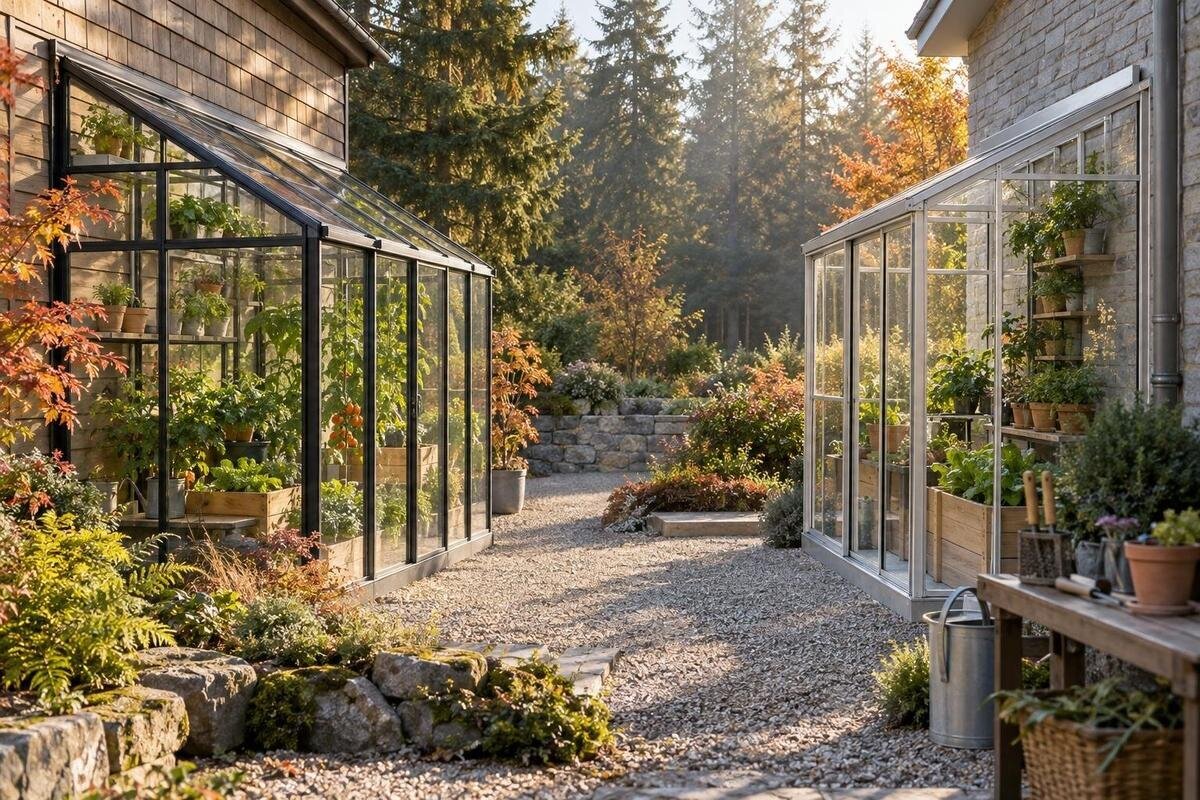
Greenhouse buying guide
If you plan to buy a lean-to greenhouse on Black Friday, check the wall and the space beside it before comparing offers. The position may make good use of an existing boundary, but the fit depends on the wall, the model’s dimensions and room to enter, work and maintain the area. Take site measurements first, then match them to the actual product information. Treat Black Friday as a time to compare published prices and terms, not as proof that a particular model is reduced or suitable. This guide sets out what to measure and what to confirm before you place an order.

What a lean-to greenhouse needs from its position
A lean-to greenhouse is intended to sit beside a wall, but the label does not explain how a particular model is supported or connected. Designs and installation requirements differ, so do not assume that every wall-side greenhouse suits every wall. Record the uninterrupted wall length, the depth available out from it and the usable height. Include eaves, gutters or other projections if they affect the position. The aluminium lean-to greenhouse listing is one named candidate to examine; its title alone does not establish its dimensions, attachment method or fit at your property.
Keep the site test separate from the sale test. First decide whether the proposed design can fit without covering openings or obstructing access; only then compare the current price, any stated promotion and the order terms. A seasonal banner cannot tell you whether the structure fits, and a good fit does not by itself make an offer worthwhile. Save the exact product page for each candidate: model names and gallery images may resemble one another. Compare the published measurements and information for that precise listing, rather than relying on a broad category description. Write down the page date and the version of the drawing you used, particularly if you are comparing models over several days. This creates a clear record of the dimensions and offer details behind your shortlist.
Check the wall and note anything in the way
Look over the full length and height of the wall where you are considering placing the greenhouse. Note windows, doors, vents, downpipes, taps, meter boxes, brackets and other projections that could affect the position or need to remain accessible. Include anything that opens, as well as features near the wall’s ends and roofline. A simple sketch with the measured positions of these features can make it easier to compare the site with a product drawing and to explain any questions to an installer.
A wall can look sound without its appearance confirming that it is suitable for a particular structure or connection. Ask a qualified builder or installer to assess the wall and the proposed installation if you are unsure; do not choose fixings from a photograph or generic advice. A title such as pyramid greenhouse for masonry base does not, by itself, confirm how a product is supported or whether its requirements match your site. Read the model-specific information before treating any listing as a candidate. Tell the professional about finishes, cracks, damp areas and concealed services you know about, rather than assuming that a clear-looking section of wall has no relevant limitations. Their assessment should relate to the exact proposed location.
Measure the footprint, not just the wall
Measure along the wall and out from it to establish the usable area. Include the whole position the greenhouse would occupy, rather than measuring only a section of clear wall. Note fixed obstacles, changes in the ground and any nearby route that must remain open. If the wall or ground is not straight, record the measurements at more than one point so you understand where the available space narrows. Keep your figures together with a sketch; estimates made from a photograph or by eye are not a reliable basis for comparing models.
Then compare your notes with the external dimensions and layout drawing for the exact product. Distinguish the overall footprint from any internal measurements, and look for projections or door positions shown in the model information. The name Classic Plus 385 is a product identifier, not a measurement to use for planning. Do not treat a number in a model name as proof of width, depth or capacity. If an important dimension is missing, ask for confirmation before deciding that the greenhouse fits. Mark the proposed outline on the ground with string, tape or temporary markers where practical. Seeing the full footprint helps reveal conflicts with paths, planted borders and items that were missed on the sketch.
Plan the route to the entrance
A footprint can fit on paper and still leave too little room to reach or use the greenhouse. Check the route from the garden entrance or house, including any narrow turns, steps or gates that could affect access during installation and everyday use. At the proposed position, consider whether the entrance can be approached comfortably and whether you will have space to carry plants, pots or tools in and out. Keep any existing access to doors, drains and wall features in your plan rather than treating the greenhouse outline as the only limit.
Use a layout drawing to check where openings sit and how the interior can be reached. Do not infer door position, opening direction or clearances from a product name or a single image. When comparing other catalogue pages, such as Bloomcabin Orangerie, use the product’s own information to establish its layout; the title alone does not answer whether it works with your route or available space. If the drawing does not show an important detail, ask before allowing for it in your measurements. Consider routine trips as well as carrying larger items: a route that is technically passable may be inconvenient when you are moving watering cans, compost or trays. Keep gates, steps and changes of level visible on the same site sketch.

Consider sunlight, water and wall access
Observe the proposed position at different times of day, since nearby buildings, trees or other features can change how much light reaches it. Also note where water runs or collects after rain and whether the position would make an existing drain or tap difficult to reach. These checks help you assess the location as well as its dimensions. Do not assume that a clear patch beside a wall is automatically the best place; consider how the spot behaves and whether you can maintain the area around it.
Leave room to inspect or maintain the wall if that will be necessary, and avoid making access to existing features part of an untested plan. A listing titled T-model greenhouse orangery wall base still needs model-specific drawings and installation details before you can confirm its outline or openings. The wording of a title does not tell you how the product will sit beside your particular wall. Use the information for the exact model, and ask a suitable professional where the proposed position or connection is uncertain. Note seasonal changes too: a deciduous tree, for example, may cast a different pattern of shade when in leaf. Observations made at more than one time can be more useful than judging the site during a single visit.
Check how much usable room you need inside
Think about what you intend to do inside before deciding how much of the available space to use. Make room for the plants, pots or trays you expect to keep there, and consider whether you need a clear route to tend them. If you plan to work inside, account for the space needed to move around rather than treating every part of the footprint as planting area. These practical choices help you decide whether the candidate offers a useful layout, not merely whether its outside dimensions fit the wall-side space.
Compare the internal dimensions shown for the specific model with your intended arrangement, and do not assume that a product name describes its usable room. If a wall-side layout does not leave enough space for both the greenhouse and access around it, widen your comparison rather than stretching the plan. A page such as aluminium classic greenhouse is another listing to assess only on its own product information; the name does not establish its dimensions, layout or suitability for your site. Sketch the positions of shelves, staging or larger containers only after you have confirmed the published internal measurements. Leave realistic working space between them, so that everyday tending does not depend on moving everything out of the way.
Confirm what is included and what installation requires
Before ordering, check what the product information says is included and what may need to be supplied separately. Look for model-specific details about the base or support, glazing, fixings and assembly requirements; do not assume that items shown in a photograph are part of the order. Also check whether the described installation setup matches the surface and wall arrangement at your chosen position. If the listing is unclear, get the information you need before comparing the purchase cost with other candidates.
The words in a product name are not a complete description of its contents or installation requirements. For example, the title Prestige greenhouse with metal foundation does not, on its own, confirm exactly what is included or how the setup relates to your site. Check the details for that precise listing rather than inferring them from the name. Where a wall connection, base or other installation detail is uncertain, ask the seller for product information and consult a qualified installer as needed. Make a separate note of any tools, preparation or site work mentioned in the model information. This helps you distinguish what is supplied with the greenhouse from work or materials that may be needed before installation can begin.
Compare Black Friday prices and terms carefully
Treat Black Friday as a point at which to compare the offer actually shown for the model you want, not as proof that every greenhouse is discounted. Record the current price and any promotion stated for that exact listing. Check what the terms say, what is included and whether any additional costs appear for your order. Comparing the full amount and the same product details across candidates is more useful than reacting to a headline or a percentage without knowing which model or package it refers to.
Wording that sounds limited or urgent should not replace a fit check or confirmation of the offer. For instance, aluminium limited edition greenhouse is a product title; the wording alone does not confirm a Black Friday reduction, stock availability or a deadline. Check the current listing and terms before making a decision, and do not let a promotional message override unresolved questions about the wall, dimensions or installation. If the offer details are not clear, ask for clarification before you proceed. Compare like with like by recording the model name, included items and stated order costs next to each price. A lower figure is not directly comparable if the listed configuration or the items included are different.

Read the model information before checkout
For each serious candidate, look for the product’s external dimensions, a layout drawing and model-specific installation information. Check whether the material supplied explains the proposed wall connection, any space needed around the structure and what kind of surface is expected. The amount of detail can vary from one listing to another, so do not assume that a general greenhouse description answers questions about a particular model. Note anything you cannot confirm, including measurements or requirements that affect whether the greenhouse will fit.
If a key detail is absent, ask the seller for the relevant product information before buying. You can share your site measurements with a qualified installer and ask them to assess the fit or any uncertainty about the wall. Do not rely on a similar product page, a photograph or a model name to fill gaps in the information. Keeping the answer alongside the exact listing also helps you avoid comparing details from one model with the price or offer terms of another. Organise the information in one checklist for each candidate, rather than relying on browser tabs or memory. It should show which points are confirmed, which depend on a drawing and which still need an answer before checkout.
Make a shortlist that matches the site
A useful shortlist contains only models whose published dimensions appear to fit the measured area and whose installation information can be checked against the wall. Compare each candidate on the same points: wall length, depth, usable height, access and the space you need inside. If a wall or connection requires professional assessment, treat that as an open question until it has been addressed. Do not assume that a close fit will work simply because a listing is available during a seasonal promotion.
Before placing an order, confirm that the product name, current price, stated offer and included items all refer to the same listing. Check any order costs and terms shown at checkout, and make sure you have not relied on a dimension from a different model. If the wall suitability, footprint or installation requirements remain uncertain, pause rather than trying to make the greenhouse fit by assumption. A little extra checking is more useful than a quick decision based on an attractive headline. Review the shortlist against the original sketch one final time, including access to wall features and the route to the entrance. That final comparison keeps the purchase decision tied to the actual space rather than to a promotion alone.
Frequently asked questions
How should I measure the space for a lean-to greenhouse?
Measure the clear wall length, the usable height and the depth available out from the wall. Note fixed obstacles and the route to the entrance, then compare your measurements with the specific model’s dimension drawing. Do not use the product name or a photograph as a substitute for measurements.
Can I attach a lean-to greenhouse to any wall?
No. A wall’s appearance does not confirm that it is suitable for a particular greenhouse or fixing arrangement. Check the model’s installation information and ask a qualified builder or installer to assess any uncertainty about the wall or the proposed connection.
What should I check in a product listing before ordering?
Look for the model’s external dimensions, a useful layout drawing and model-specific installation information. Confirm what is included, what may need to be provided separately, and whether the stated setup matches your site. Ask the seller or a qualified installer about details the listing does not answer.
Are lean-to greenhouses automatically discounted on Black Friday?
No. Check the current price and any stated promotion for the exact model you are considering. Compare the full terms and any additional costs shown for your order; do not assume a discount, deadline or saving from the date or wording of a product title.
Should I order if the listing does not give clear dimensions?
Wait until you can confirm the measurements and installation requirements. Ask the seller for the missing product information and, if the wall or fitting is uncertain, consult a qualified professional. An unconfirmed fit is a poor basis for a time-sensitive purchase.
A lean-to greenhouse is a site-specific purchase: the wall, usable footprint, entrance and installation information all affect which models deserve consideration. Go into Black Friday with measurements and compare them with the details for the exact product. Treat an offer as one part of that decision, not a reason to overlook a poor fit. If the wall or available space remains uncertain, leave the purchase undecided until you have the information needed to choose with confidence.
