
How to Choose Sauna Upgrades That Are Worth the Cost
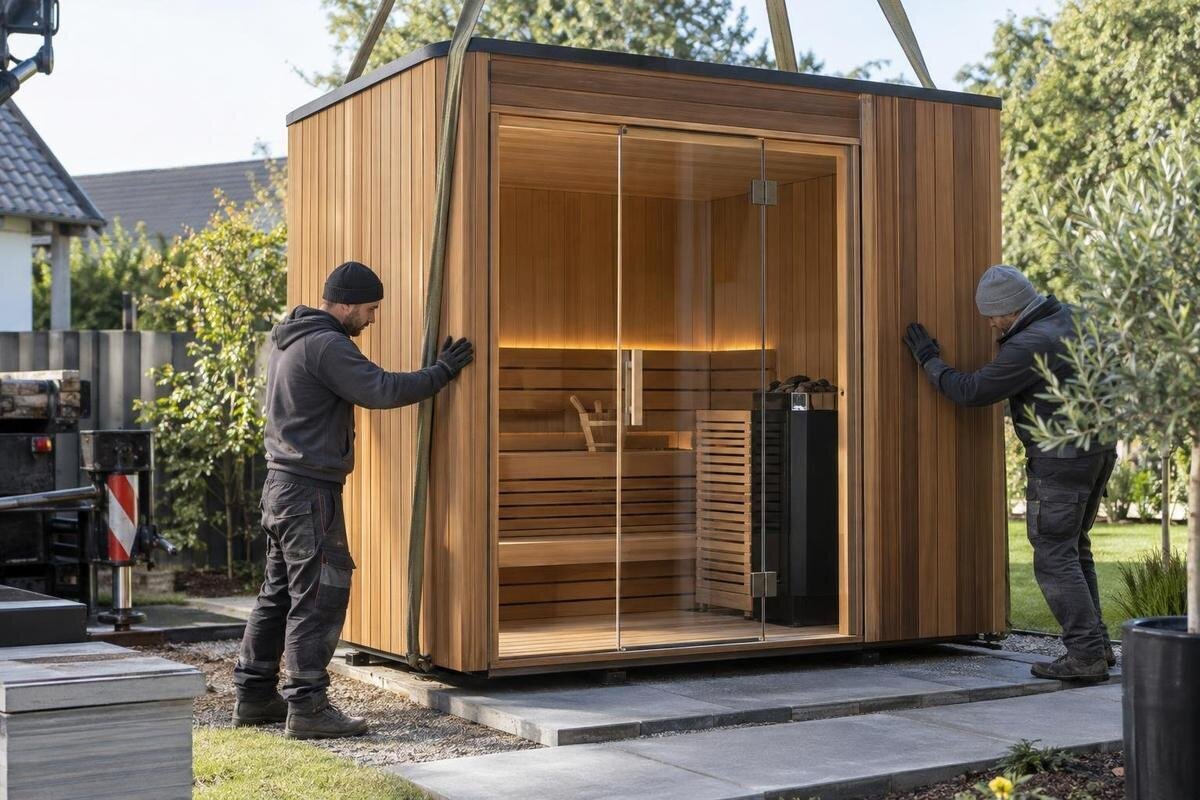
Sauna buying guide
Sauna upgrades are easy to judge by how appealing they sound, but their value depends on what the chosen sauna already includes and how you will use it. A useful extra solves a regular inconvenience, improves a feature you will notice, or removes a practical limitation; an option with no clear job may simply add complexity. Start by confirming the standard specification for the exact model and configuration. Then consider the space, users, routine, ongoing costs and any professional work involved. Treat named features as possibilities to verify, not promises that every model includes or offers them.
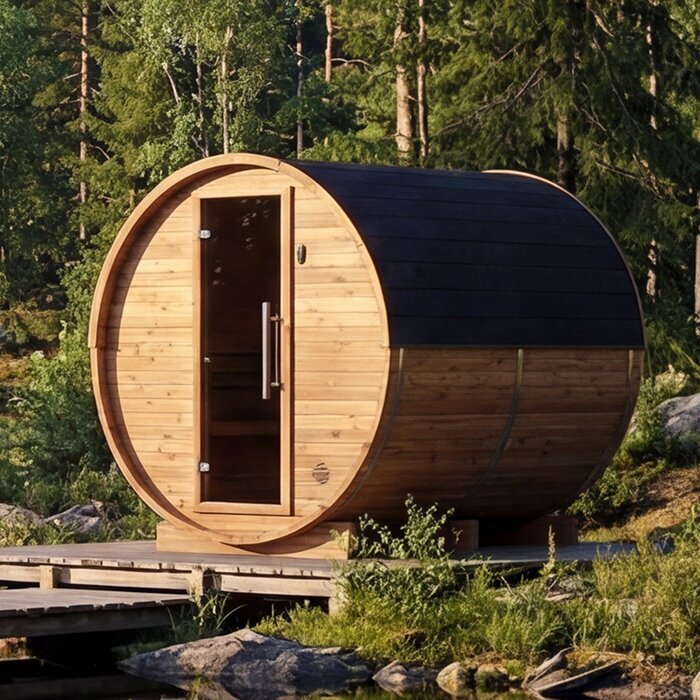
Confirm the standard specification first
An upgrade is only an upgrade relative to a particular baseline. The same item may be included in one configuration, offered at extra cost in another, or unavailable for a chosen model. Before comparing extras, request a written inclusion list for the exact sauna and configuration: what is supplied, what is charged separately, and what is excluded. Identify the components required for your chosen setup rather than assuming that a product description covers them. This makes it less likely that you will mistake a basic requirement for a comfort extra or pay twice for something already in the quoted package.
Read the listing alongside the current quotation and the drawing or manual for that model. A photograph may show a configuration different from the one priced; an item visible in a gallery does not prove that it is standard, compatible or available for every size. Ask the seller to name each proposed extra, say where it goes and what it changes, and state whether it replaces a standard part. Record any additional fitting or professional work separately. If the answer is only 'premium' or 'upgrade', ask for a practical description before assigning value: a label without a defined benefit is not a sound reason to spend.
Match each extra to your usual routine
Think about who will use the sauna, how often, whether people will use it together, and what currently feels awkward in the space or planned routine. Ask each regular user to name one improvement they would genuinely notice. A control or layout change used on most visits may matter more to you than an appearance detail noticed only at the start; for another household, a visual choice may matter more. Frequency is not the only test, but it stops a prominent brochure feature from automatically outranking a practical need. Keep the answer specific: what will become easier, more comfortable or more useful? A vague aim such as making the sauna feel more premium is harder to assess.
Set a maximum spend for discretionary extras before reviewing options, and keep it distinct from the budget for the basic chosen configuration and any site or professional work. Put each proposed extra into one of three groups: required for the selected setup, a comfort improvement you expect to use often, or an appearance or convenience choice you could live without. These categories are personal, not a universal ranking. Compare one option against the same baseline rather than collecting several small additions before seeing their combined total. If an extra would displace something more important, defer it; staged spending is preferable to paying for several vague benefits together.
Check space and layout before choosing comfort extras
Some upgrades can affect how people move, where they sit or how much room remains for access. Before paying for a different seating arrangement, a shelf or another space-using addition, review the manufacturer's drawing for the exact model and note the entry route and intended clearances. If you are considering the Sauna S-140, its listed area of 1.93 m² is only one part of that assessment. It does not establish usable seating space or capacity. Look at the positions of seats and accessories to understand how the proposed addition would fit into the interior.
Write down the practical question the option is meant to answer: can everyone sit as intended, is the route to the seating comfortable, or does an accessory have a sensible place? Ask whether the drawing shows the option fitted and whether the planned arrangement leaves the required clearances; have a qualified professional confirm any equipment-specific space requirements. Do not assume a larger model automatically makes an extra worthwhile, or infer the number of users from an area figure. Make sure the option addresses a real constraint rather than simply adding another item. If its fit cannot be verified, wait for a model-specific drawing before paying.
Check heater and control options as part of the core specification
Separate the equipment required for the chosen sauna setup from optional control refinements. Ask which heater and control unit, if any, are included, and have the supplier identify the exact equipment intended for your model. When considering the Sauna HC-150 specification, establish these details before comparing an apparent base price with a more complete package. Record which components are supplied and which are priced separately, so that the comparison reflects the equipment you would actually receive. This is a check of the core specification, not a reason to assume that a particular upgrade is needed or offered.
Only consider an optional control or convenience feature once you know what the standard control can do and what the extra changes in everyday use. Ask which functions are included and whether the option would make the controls easier to use in your routine. A technical-sounding feature has little value if you cannot explain its purpose or it duplicates the basic setup. Check compatibility with the selected heater and ask how the option affects installation and operating assumptions. Have the supplier and a qualified sauna installer confirm equipment compatibility and clearances; where electrical work is involved, consult a qualified electrical professional. Do not decide from a model name alone.
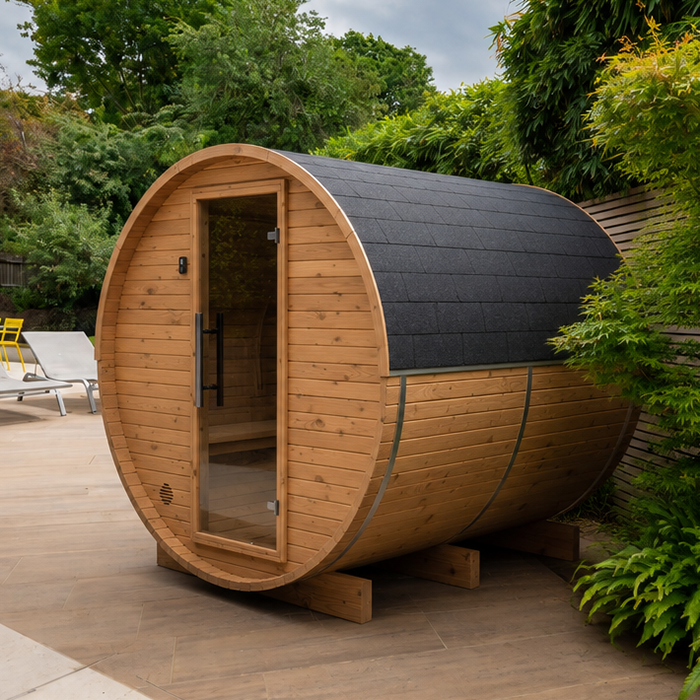
Assess seating changes by the layout they provide
Seating changes are worth considering when the standard arrangement does not suit how people will sit, enter or share the space. If a different bench level, back support or another seating detail is offered, compare its dimensions and layout with the users' needs rather than choosing by the option name. For the Sauna HC-225, request the drawing for the exact seating arrangement under consideration. Its listed area of 4.4 m² cannot establish bench depth or seat count. Clarify which seating components are included and which would change before judging whether the extra provides a useful improvement.
Think about posture and access without assuming one layout suits everyone. A useful improvement is one whose dimensions solve a real issue, such as creating the room to sit in the way you prefer or avoiding a layout that feels cramped; a name such as 'comfort bench' does not demonstrate either. If an upgrade replaces a standard component, ask whether the replacement changes another part of the layout or affects how equipment is fitted. If a dimensioned drawing or sample is available, use it to compare with users' preferences. Consider whether the improvement would be useful on most visits or only occasionally.
Weigh glazing and lighting against privacy and use
Windows, glazing and lighting affect the look and feel of the interior, so decide what you want them to achieve. More daylight, a view, privacy and a different evening appearance are distinct aims, and they may lead to different choices. If a window or glass feature is offered, check its location on a drawing and consider sightlines from inside and from nearby areas. When reviewing the Sauna N-210 configuration, establish which glazing and lighting, if any, are included. Then assess the proposed change against your preferred outlook and privacy rather than choosing solely from a product photograph.
For lighting, check whether the offered arrangement gives the level and control you want, where the light will sit, and whether its operation suits the times you expect to use the sauna. If a seller attributes better heat retention, lower running costs or another technical advantage to a glass or lighting upgrade, ask for evidence tied to the exact configuration and comparison. Avoid treating an aesthetic change as a guaranteed performance gain. Pay for an appearance choice when it matters to you, but rank it below a missing functional requirement if both compete for the same budget.
Ask what a finish or care upgrade actually changes
Ease of care can be a worthwhile reason to spend, but only when the extra changes a task you will actually face. If a finish, treatment or protective accessory is offered, ask which surfaces it covers, what care it requires and whether it needs renewal. Request instructions for the exact sauna rather than relying on a general claim such as 'low maintenance'. If the Sauna N-250 is on your shortlist, establish its standard finish before assessing a proposed alternative. Ask the seller to identify the precise treatment and the surfaces covered, so you can compare the care requirements of the standard and upgraded versions.
Consider access for the routine jobs described by the manufacturer: can you reach the surfaces to clean or inspect, and are any products or recurring care steps needed? A treatment that shifts work rather than removing it may still suit you, but count that work when judging value. Do not assume that a timber name, colour or price difference guarantees a longer service life. If a proposed care product or alteration might affect the original finish or components, obtain written compatibility advice before purchase. Clear maintenance instructions can be more useful than a vague promise of less upkeep.
Assess running-cost claims separately from convenience
An accessory can affect more than its purchase price if it changes how the sauna is operated, needs consumables or introduces maintenance. Do not assume an electronic control, a different heater package or a timer saves energy simply because it sounds efficient. Ask for any running-cost estimate to identify the equipment, assumptions about use and method behind it. You can then compare that estimate with your own expected routine and current electricity tariff, without treating a generic figure as a promise. Where no model-specific information is available, leave the claimed saving out of your budget calculation.
For any proposed upgrade to the Sauna LC-260, use the standard heater and control configuration as the basis for comparison. Ask whether the extra changes how the equipment operates or simply changes how you interact with it. Look at the additional purchase and fitting cost alongside any documented recurring expense, using a realistic frequency of use. If a claimed saving cannot be explained in comparable terms, assess the option on comfort or convenience alone rather than on an unverified payback. This keeps a useful convenience feature from being mistaken for a financial investment.
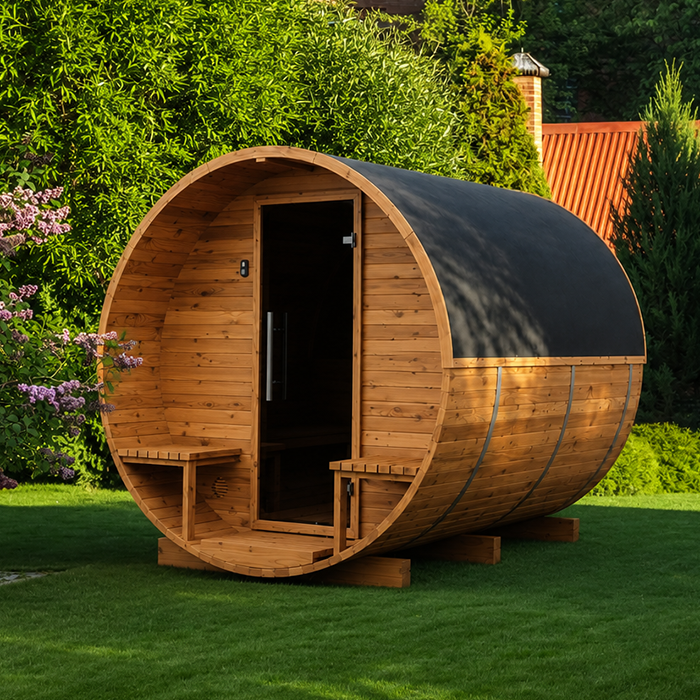
Price each upgrade against the standard configuration
Once an extra makes your shortlist, ask for its additional price compared with the same model's standard specification, not just an upgraded package total. The written amount should identify the item, quantity, changes to other components and any fitting or specialist work needed for that option. If you are considering the Sauna HCF-300, name that model and the chosen configuration in the request so the proposed change is clearly defined. Do not assume that a feature shown in general marketing is available for that version. An itemised price lets you judge the benefit against the actual cost of leaving the standard configuration unchanged.
Check whether the price covers the whole change or only part of it, whether another component must also be selected, and whether any care or operating cost is expected. Ask the seller to state exclusions and assumptions in writing, including whether the option is compatible with the chosen order. These questions are about isolating the cost of an upgrade, not collecting a longer list of extras. If the total cannot be stated clearly or the benefit is not described in terms you understand, mark it as unconfirmed and leave it out of the spending plan until clarified.
Rank extras by need, frequency and evidence
When several confirmed extras compete for the remaining budget, compare them directly rather than judging each in isolation. Which would you miss most if it were removed from the order? Which serves more of the regular users, and which addresses an inconvenience that is likely to recur? An appearance choice can still deserve priority if it matters more to you than the alternatives. The useful distinction is between a preference you can explain and a benefit you have accepted without considering it. Choose the combination that best reflects your priorities, rather than stretching the budget to include every individually appealing option.
Keep a separate note of extras you decide to postpone, including why they did not make the final order. If you are comparing the Sauna LCF-300 with another model, keep each option attached to its own configuration; a feature discussed for one should not slip into the other's budget without confirmation. For anything you hope to add later, ask about compatibility and the work involved before relying on that plan. Postponing an uncertain option is different from assuming it will be easy to fit afterwards. If the standard arrangement already suits your routine, retaining the money for future use or maintenance is a sensible result.
Frequently asked questions
How can I tell whether a sauna feature is standard or an upgrade?
Check the written inclusions for the exact model and configuration, including what is supplied, separately priced and excluded. Do not rely on a product photograph or a generic description. Ask the seller to identify the item and any work it requires. A current quotation and the matching drawing or manual can help clarify details that a general feature list leaves open. If its status is unclear, treat it as unconfirmed until documented.
Should I prioritise heater or control changes over comfort upgrades?
First establish which heater and controls are required and supplied for your selected setup, and have compatibility confirmed. Then prioritise the comfort or access issue you expect to notice most often. There is no universal order: the right choice depends on the standard configuration, your routine, user preferences and cost. An option is not valuable merely because it sounds technical.
Does a larger sauna make additional upgrades better value?
Not automatically. A listed area alone does not show how the interior is arranged, how many people can use it comfortably, or whether a particular extra fits. Compare the exact drawing and inclusion list with your intended use. Pay for a larger configuration only if its usable space solves a need that matters to you; do not treat area as proof of capacity or suitability.
Can a control upgrade reduce running costs?
Do not assume so. Ask for any estimate to identify the exact heater and control configuration, the assumptions about use and the electricity tariff used. Compare it with the initial cost and your expected routine. If the supplier cannot substantiate a saving in comparable terms, assess the option on convenience instead of counting on an expected payback.
Can I add an upgrade later?
Sometimes, but do not assume that every option can be added later. Ask which extras can be fitted to the exact model and whether doing so would require changes to another component or professional work. Get the answer in writing before deferring a feature you consider important. Postpone it only when future availability, compatibility and likely cost are clear enough for you.
Pay for an upgrade when its purpose is clear, it is confirmed for the exact configuration, and you can see how it will improve your regular use enough to justify its full additional cost. Give required equipment and a workable layout precedence over appearance choices, then weigh comfort, upkeep and running-cost claims against information specific to the model. If the standard arrangement already meets your needs, declining extras is a positive budget decision, not a compromise. A carefully chosen sauna without unneeded add-ons can be better value than a longer option list.
