
How to Compare Sauna Quotations with Different Inclusions
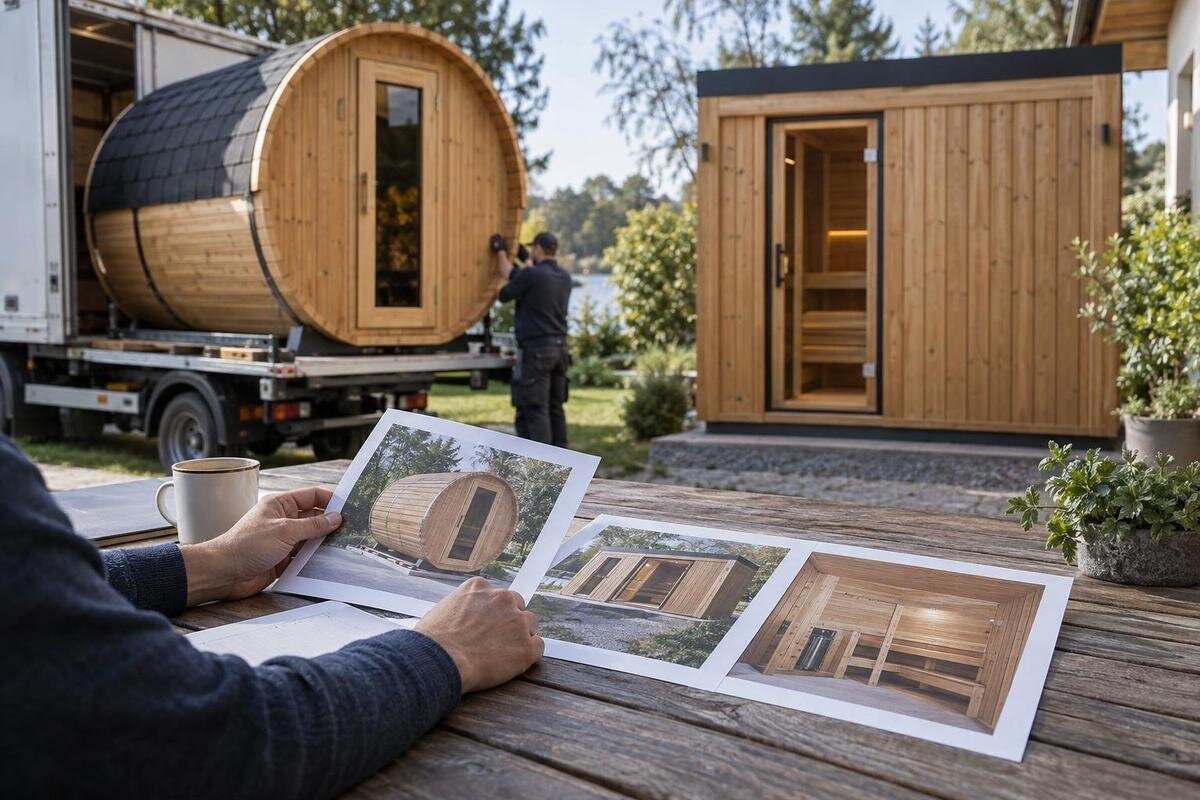
Sauna buying guide
Two sauna quotations can show different totals because one prices a cabin only while another includes selected equipment, delivery or installation. A lower figure is not automatically better value, and a higher one is not automatically more complete. Compare the same model and agreed configuration, mark every item as included, optional, excluded or unconfirmed, then add separately priced work to a common total. This guide shows how to make those boundaries visible before you choose.
Match the model and configuration
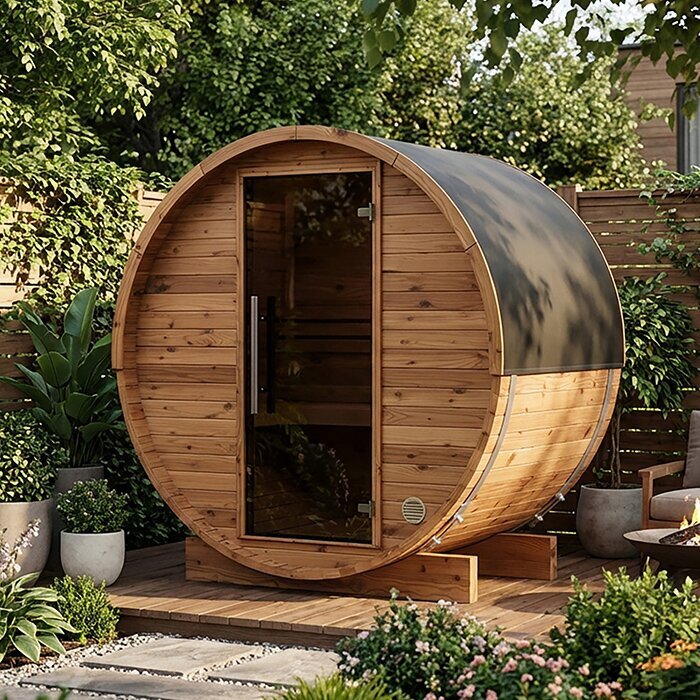
Check that every seller is pricing the same sauna, rather than relying on similar-looking photographs or a broad label such as barrel sauna. Record the exact model reference, version and configuration stated in each quotation, along with any selected options or changes. If the seller offers variants, ask which one has been priced and request the matching manufacturer drawing or specification sheet, including its revision. A product title or image cannot establish that two proposals cover the same configuration. If a component or layout matters to your plan, note the option by its exact name and have the supplier define any shorthand in writing.
The catalogue identifies the Sauna S-140 listing as a Thermowood Barrel Sauna and shows 1.93 m². Treat that as a reference for matching the model name, not as evidence of what a seller includes in a package. Put the exact model code at the top of your comparison sheet, then record configuration differences, options and substitute components underneath. If two quotations cannot be tied to the same version, ask for corrected descriptions before comparing prices. Keep the relevant drawing or specification with the quotation it supports, so a later clarification cannot be mistaken for a different version.
Itemise the cabin and accessories
Ask for a line-by-line description of the cabin and accessories included. Depending on the quotation, items to clarify may include the main cabin structure, door, benches or backrests, floor elements, roof covering, lighting and ventilation parts. These are prompts for the seller to confirm, not a list of standard inclusions. Record quantities and descriptions where shown, and ask whether each item is part of the base price, an option or a separate purchase. A phrase such as complete sauna is too broad to resolve a missing line. If sellers use different names, ask whether they mean the same component instead of assuming similar wording is equivalent.
For a quotation based on the Thermowood Barrel Sauna HC-150, listed at 2.97 m², keep the cabin contents together under that model reference. Ask the seller to distinguish fitted components from items supplied loose and alternatives that replace a standard component. This makes it easier to see whether an apparent extra is an additional item or a substitution already reflected in the price. Record the description and quantity of each selected alternative. When comparing a package with an itemised offer, match the contents first rather than counting the number of lines on the quotation.
Specify the heater and its installation
Treat the heater as a separate comparison line unless the quotation explicitly says it is included. Ask for the exact heater make and model, heating type and any separately supplied controls; then establish whether the price covers relevant accessories, installation, connection and checks, or only supply. If the chosen system is electric or wood-fired, ask the supplier to identify the parts and work applicable to that arrangement. Do not assume a cabin price includes a heater, or that a heater line includes electrical or other installation work. Have a suitably qualified installer confirm specialist work; where the manufacturer specifies stones or protective components, ask who supplies and fits them. Keep supply and labour distinct if separately priced.
On the HC-225 model page, the catalogue identifies a Thermowood Barrel Sauna and lists 4.4 m². That reference can help confirm which sauna is being quoted; it does not establish whether a heater, controls or installation appear in a supplier’s price. Put the heater model on a separate line in your worksheet and mark it as supplied, optional at a stated price, or not included. If an item is said to be included but not identified, ask for its exact description and written confirmation that it matches the selected sauna. Compare the equipment and related work separately.
Define the delivery handover
Clarify what the quoted delivery charge actually brings to the site. Ask for the stated handover point, such as the property address, an agreed unloading area or another location defined by the supplier. Confirm whether unloading, moving items to their final position, any special lifting arrangement, packaging removal and an access check are included, optional or excluded. These are separate scope questions, not assumptions to make from the word delivery. If an access condition might change the price, ask the supplier to record the condition and any resulting charge or responsibility in writing. Do not treat a site visit or remote assessment as included unless the quotation says so.
If your quotation refers to the Sauna N-210 catalogue entry, listed at 4.43 m², use that model reference when requesting handling information. The area figure does not establish package dimensions, weight or route requirements. Record the agreed handover point beside the delivery price, then identify who takes responsibility for unloading and moving the items beyond it. Keep delivery and installation as separate rows: transport to an agreed point is not the same service as assembling the sauna on site. Where the handover arrangements remain undecided, mark the affected charge as unresolved rather than assigning it a value.
Separate installation from site preparation
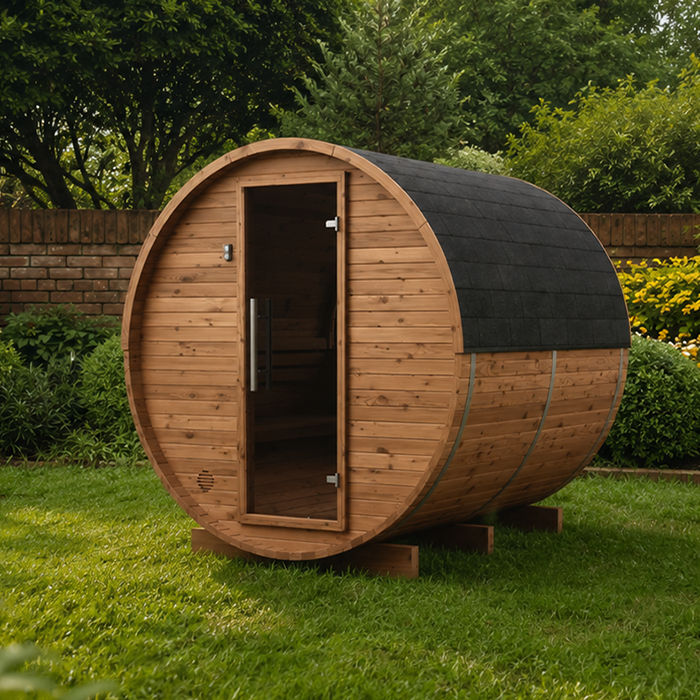
Ask what installation means in each proposal. One seller may quote assembly only; another may include positioning, fixing or further checks, but the words must be defined by the supplier rather than presumed from a label. Request the exact tasks, the site conditions on which the price depends, and the point at which the installer considers the work complete. If heater connection, testing or commissioning is part of the offer, identify it separately and establish who performs it. For electrical or other specialist work, ask an appropriately qualified professional to confirm what is required; general wording is not a substitute for an agreed scope. Check whether labour and materials are both covered when installation appears as one line.
Keep preparation of the site outside the installation line unless the quotation names it. Items to clarify can include a base or other ground preparation, changes to utilities, and associated building or finishing work; requirements depend on the chosen product and site, so obtain project-specific advice rather than guessing from a catalogue photo. The Sauna N-250 model listing identifies the model and gives 5.27 m², but neither that entry nor the model name confirms that a base, connection or other site work is included. Note who will arrange each excluded task and obtain a separate price before calculating the full scope. Ask whether any site inspection is included or quoted separately.
Name and price every exclusion
Use explicit status labels for every item: included in the quoted amount, optional at a stated price, excluded, supplied by another party, or still to be confirmed. Ask the seller to use these labels in the revised quotation, rather than leaving blank spaces or relying on phrases such as by others. Where work is not relevant, have it marked not applicable. This prevents an omission from looking like a zero-cost inclusion and gives you a clear list of questions to resolve before ordering. Keep the same labels across all quotations; consistent wording makes gaps visible even when the sellers use different formats.
For each excluded task that you need, identify who will arrange and price it, what information that provider needs, and whether another part of the project depends on it. For example, a comparison headed with the LC-260 product reference, listed at 5.12 m², can keep the sauna quotation alongside separate estimates for excluded work. Record who supplied each estimate and which task it covers. If no written price is available, enter unpriced or unresolved and do not describe the total as complete. Keep provisional verbal estimates distinct from written prices so they cannot be mistaken for confirmed costs.
Build a comparable total
Once the scope matches, calculate a comparable total rather than comparing the large number at the top of each quotation. Start with the price for the same base configuration, add the options you actually want, then add stated delivery, unloading, installation, separately quoted site preparation or utility work, and any other charges the supplier identifies. Ask whether the amount includes applicable taxes and how optional lines are treated. Do not add an item twice if the seller confirms it is already in the package; do not use zero for a task with no price. Keep original prices visible alongside adjusted totals so your arithmetic can be checked.
Keep two figures if it helps: the price of the quotation as written, and your adjusted total for the common set of items you intend to buy. If comparing offers for the HCF-300 catalogue model, listed at 6.89 m², use that exact reference above both figures. Show each adjustment beside its source, including any separate contractor estimate, and record assumptions such as work not yet inspected or prices awaiting confirmation. Keep selected extras separate from the minimum common scope so you can see their effect on the budget. Present a total that depends on open assumptions as provisional, not as a firm comparison.
Compare quotation terms and after-sales support
Compare the commercial details that can alter the offer as well as its physical inclusions. Note the quotation date and any stated validity period, payment schedule, expected delivery or installation timing, and what happens to the price if selected options or site conditions change. Ask whether extra visits, waiting time or variation work are priced, excluded or subject to separate approval; do not assume that a fixed headline covers changes. Write these details beside the relevant quotation version so you do not compare an updated offer with an earlier scope. Record any assumptions about site access and readiness in the same note.
Record warranty and after-sales support as described in the supplier’s written terms, comparing the stated duration, coverage and process rather than general assurances. For an offer naming the LCF-300 sauna model, listed at 6.89 m², record which terms apply to the cabin, separately supplied equipment and installation work. Ask who handles an enquiry if different providers are responsible for different parts of the order. Tie each answer to the relevant quotation version and keep these terms visible beside, but separate from, the cash total. If the offer gives no detail, mark the point as unconfirmed rather than assuming another seller’s terms apply.
Use a like-for-like comparison sheet
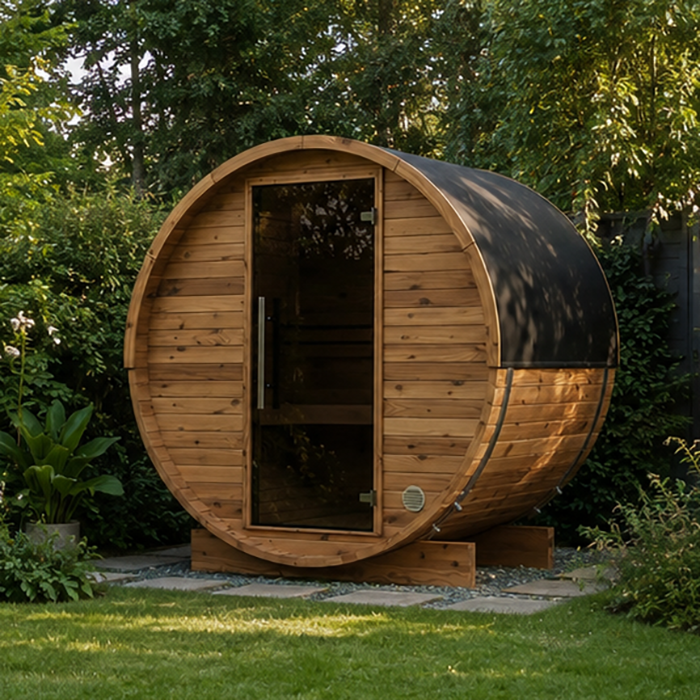
Build a simple comparison matrix with one row per component or service and one column per seller. Beside each item, record its status—included, optional, excluded, supplied by another party or unconfirmed—its stated price and the reference that supports it, such as a quotation line or attached drawing. Use the same wording in every column. If one quotation combines several items, ask for a breakdown or write down exactly what the bundle covers. A blank cell is a question, not evidence that a task costs nothing or comes with the sauna. Put non-price assumptions, including access conditions and installer responsibilities, in a notes column.
Separate the comparison into a like-for-like base and any optional additions you genuinely want. A package can have a higher total and still cover more of the agreed scope; another may suit you if you deliberately plan to arrange certain work separately and have its cost in hand. Do not give a quote a value advantage for exclusions that remain unpriced. If totals differ, trace the difference back to the model, configuration, component, service, terms or unresolved work. If no common scope can be built, compare the descriptions side by side instead of producing a false single ranking.
Get revised quotations before deciding
Send each supplier the same clarification sheet, rather than separate vague requests. Include the model and configuration you want, the line items you are comparing, and the delivery, installation and site tasks that must be priced or explicitly excluded. Ask for a revised written quotation with any attached drawing or specification tied to that version. Where an item is optional, request its separate price; where work sits with another provider, ask what information that provider needs. Ask the supplier to flag assumptions that could change the price, and save the response with the quotation it explains.
Choose only after the key unknowns have been addressed or deliberately accepted. If you will handle a task yourself or appoint another provider, include that responsibility and its best available written cost in your comparison. If an essential item remains unpriced, treat the total as incomplete instead of assuming the lowest offer will stay lowest. The useful quotation is the one whose configuration, inclusions, exclusions and obligations you understand and can compare with your budget; it need not have the most lines or the smallest headline. Keep the trade-off between initial price and extra coordination explicit.
Frequently asked questions
Does a sauna quotation normally include the heater?
Do not assume that it does. Check whether the heater and controls are named, priced as optional, or excluded, then confirm any associated installation or connection work separately. If the quotation mentions a heater without identifying it, ask the supplier to confirm the make and model in writing.
Can I compare headline prices before I know the exclusions?
Use them as starting figures, not as a value comparison. List the same required components and services for both offers, price essential exclusions with the responsible providers, and mark anything still unknown. A total remains provisional while a required item has no price.
What should I do if a quotation says all-inclusive?
Ask for a written list of the items, delivery tasks and installation work covered by that description, plus a separate list of exclusions and work assigned to others. The phrase is only useful for comparison once the supplier has defined its scope.
Is the listed square-metre figure enough to match the sauna?
No. It can help identify a catalogue entry, but does not show every configuration, supplied item, package dimension, heater or installation service. Match the model and version against the quotation and relevant manufacturer documents, then check the scope line by line.
What if a supplier will not itemise a price?
Ask which tasks the amount covers and which are left out, and request a written explanation. If a breakdown is unavailable, compare the offers using their stated descriptions and record the uncertainty rather than treating a bundled figure as equivalent to a detailed one.
Once each quotation names the same model and configuration, and lists supplied items, service boundaries, exclusions and separate estimates, the headline prices become meaningful. Compare totals for the work you actually intend to buy, and keep unpriced items visible as unresolved. That makes it easier to distinguish a lower price for the agreed scope from a lower initial figure that leaves more coordination and cost with you.
