
Electric or Wood-Fired Sauna: Which Routine Fits?
Sauna buying guide
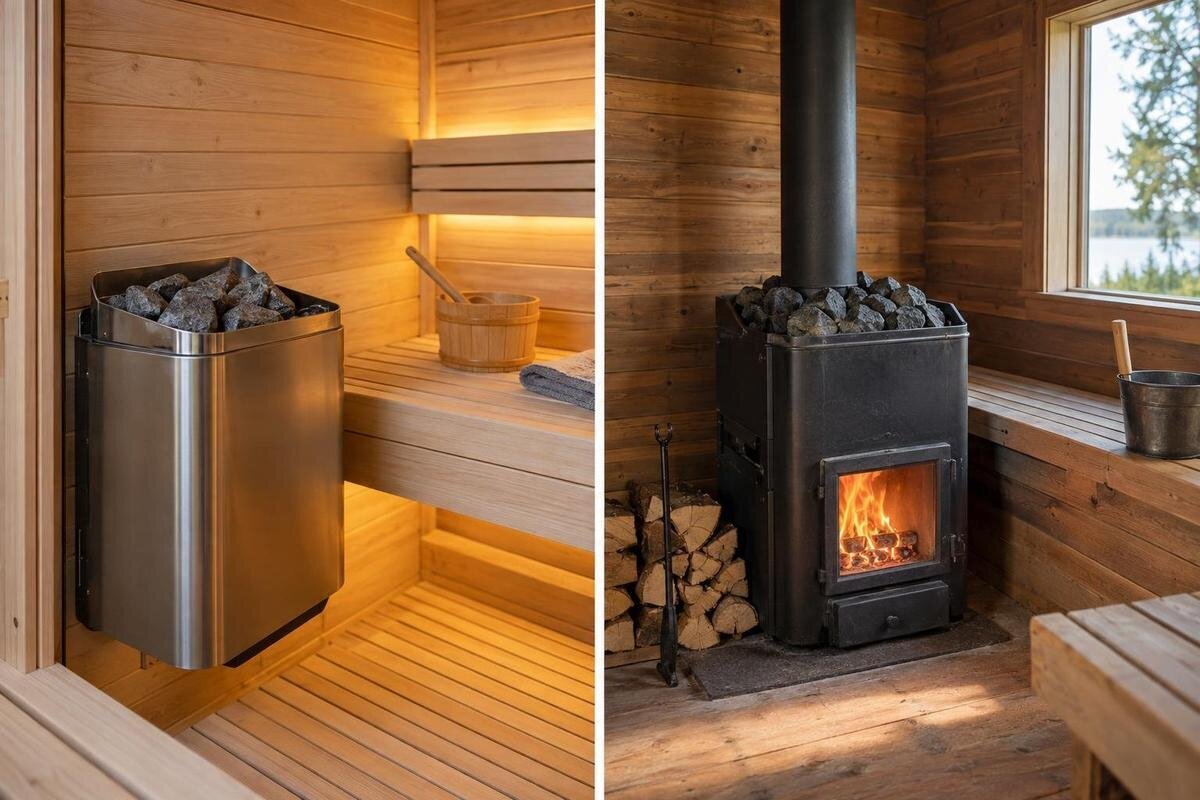
Choosing between an electric sauna heater and a wood-fired stove is less about finding one universally better option than deciding which routine you want to repeat. Electric heating usually removes the need to store logs, light a fire and clear stove ash; wood-fired heating adds those tasks around each session. Both still need a warm-up, a suitable installation and regular care. Compare how often you will use the sauna, how much time you can set aside, and who will take responsibility before and after each session.
Daily tasks with electric and wood-fired heating
An electric sauna heater and a wood-fired stove change the jobs around a session, not just the source of heat. With electric heating, the sequence is to check the controls, switch the unit on, allow the cabin to warm and follow the manufacturer's instructions. With a wood-fired stove, you also prepare suitable fuel, light and monitor the fire, then deal with ash and stove care afterwards. Both choices need a warm-up, regular cleaning and attention to the exact equipment. The real comparison is the work that surrounds each session: before you start, while the sauna heats, and when you have finished. The cabin, heater, controls and installation together shape this routine; the heater label alone cannot describe all of it.
That makes 'better' a question of how the sauna fits into ordinary days. Do you want a low-effort start, or do you welcome a fire as part of the occasion? How much time can you set aside, and who will take responsibility when you are tired or in a hurry? Consider a busy weekday as well as a relaxed weekend: the same jobs can feel different when your time is limited. Note which tasks are enjoyable and which might make you postpone a session. Include the work before, during and after heating, not only the time spent in the sauna. A routine that looks attractive on paper works only if someone is willing to repeat it.
Electric heating: fewer fuel tasks, but still a warm-up
An electric heater generally removes firewood preparation and stove tending from the session. The routine is usually straightforward: read the control instructions, choose only settings the manufacturer permits, switch on, then allow the sauna to warm as described in its manual. You still need time for warm-up; electric does not mean immediate heat. Controls, start-up methods and timer features differ, so do not assume that remote or delayed start is available. Before first use, learn how the particular unit should be started and shut down. If several people use the sauna, keep the model-specific instructions accessible rather than relying on memory. A simple written sequence can help prevent guesswork with unfamiliar controls.
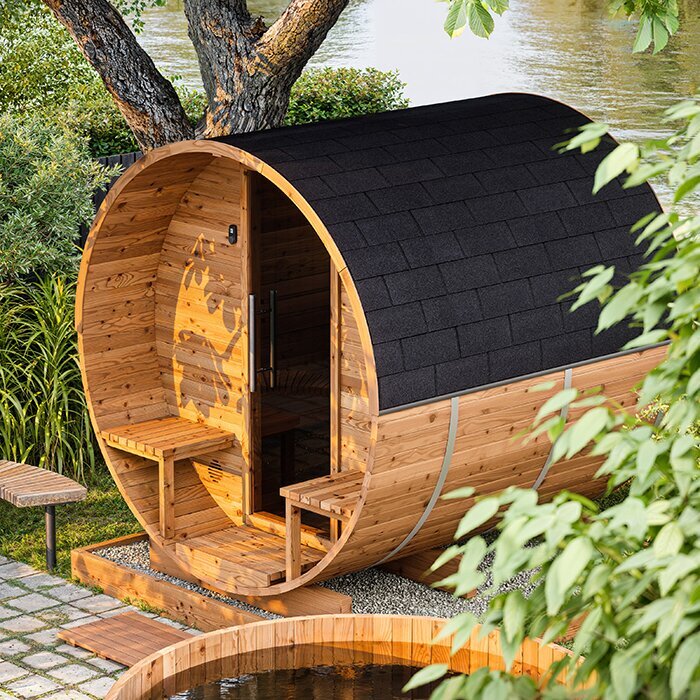
Because you do not handle logs or build a fire for each use, electric heating may make repeated, low-fuss sessions easier to plan. When comparing the Thermowood Barrel Sauna HCF-300, look at the controls offered with the selected heater and consider how you would use them on an ordinary evening. Distinguish the time spent operating the controls from the time spent waiting for the sauna to warm: fewer hands-on tasks do not mean there is no preparation period. Include shutdown in that sequence too. This gives you a more useful picture of convenience than judging the routine by the switch-on step alone.
Wood-fired heating adds preparation and tending
Wood-fired heating adds work before the sauna is ready. Have the type of dry fuel specified by the stove maker on hand, prepare and light it according to the manual, then monitor the fire while heat builds. You also need a suitable place to store fuel and a way to keep the stove tasks organised. Start-up time varies with the specific stove, cabin, fuel and conditions, so avoid relying on a universal number of minutes. Follow the operating instructions for tending and shutdown rather than treating a wood fire as something to set and forget. Someone must take an active part while it heats, instead of simply waiting for a control to signal readiness.
For some people, lighting and tending a fire is part of the pleasure; for others, it turns a short visit into a chore. Consider whether you would enjoy those tasks on every use, including on a busy day. If you are considering a wood-fired setup for the Thermowood Barrel Sauna LCF-300, first establish whether that option is offered for the cabin. Then consider the whole occasion, from preparing the fuel to finishing the stove-related jobs. Do not judge the routine only by the appealing moment of lighting the fire. It also needs to suit anyone else who expects to operate the sauna.
How often will you use the sauna?
How often you plan to use the sauna affects how noticeable preparation becomes. For short, regular visits, electric may fit more easily because it avoids building a fire and clearing stove ash; however, you still need to allow for a proper warm-up. If you use the sauna on a set evening each week, the extra steps of a wood-fired routine may be easy to build into the plan. Frequency alone is not the answer: compare the effort with the time you want to spend in the sauna, rather than judging a heater only by the number of sessions you expect. When each visit is brief, setup may take up more of the occasion; if tending a fire is part of the appeal, that same time may be welcome.
Less frequent use does not automatically favour either type. A fire may feel worthwhile when the whole visit is planned around it, while electric heating may appeal if you want fewer preparation tasks even for an occasional session. When considering the Thermowood Barrel Sauna S-140, compare your likely pattern of use rather than an ideal timetable. Think about how often you would willingly repeat the full routine during a normal week. A longer planned visit and a brief weekday visit may lead you to different preferences. If both matter to you, decide which is likely to be more common instead of choosing around the occasional leisurely evening.
Agree who will run the sauna
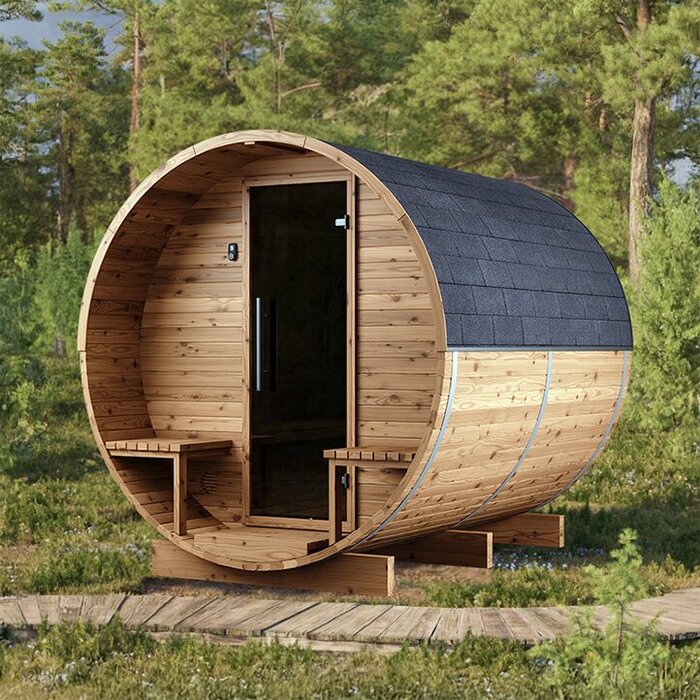
In a shared household, the important question is not only what the heater does but who will operate it. Electric controls may make the start-up sequence easier to explain, but each user should know the instructions for the actual unit and which settings are intended for use. Do not rely on a feature such as remote start, delayed start or a particular display until it has been confirmed for the selected heater. Keep the right instructions available to anyone who may use the sauna. That makes it easier to follow the same routine and reduces the chance that someone will guess how unfamiliar controls work.
Wood-fired heating needs someone who is comfortable lighting and tending the fire; leaving the tasks to whoever happens to be around can make the routine unreliable. Agree who will prepare fuel, monitor the stove and handle ash according to the instructions, including when the usual person is away. When comparing the Thermowood Barrel Sauna HC-150, involve everyone who expects to use it in that discussion. If one person enjoys a fire but others expect a simple switch-on, resolve that difference before choosing. Distinguish between using the sauna together and being willing to manage it independently: a routine that depends on one person's availability may not suit the whole household.
Wood-fired heating needs a fuel-storage plan
A wood-fired sauna needs a fuel routine as well as a heating routine. Keep the suitable, dry fuel specified by the stove maker available and store it somewhere that stays dry and accessible, following the instructions for your equipment. Think about carrying it to the sauna, replenishing the supply and keeping the storage area orderly. Consider how often you expect to use the sauna, but avoid guessing an exact stock level from the number of sessions alone; the stove instructions and your actual use are more relevant. If you are unsure where fuel can be kept, ask a qualified professional about safe placement rather than improvising around the stove.
Electric heating avoids buying, moving and storing firewood, although it still depends on the installed supply and proper care of the heater. For a wood-fired option, count the fuel store and carrying space separately from the sauna itself. The listing for the Thermowood Barrel Sauna HC-225 states an area of 4.4 m²; that cabin figure is not an allowance for a wood store, access or ash handling. Think through where fuel will be kept and how it will reach the stove before deciding that a wood-fired routine is practical. Any stove or flue-related placement questions should be checked with a qualified professional.
Cleaning differs after a session
Both types need a consistent routine for cleaning the cabin and caring for its equipment. Follow the manufacturer's instructions for the surfaces, accessories and heater in the sauna you select. Electric heating removes the wood-stove ash task, but it does not make the cabin or heater self-cleaning. Separate the ordinary tidy after use from periodic care, so a quick clean is not mistaken for the maintenance described in the manual. Avoid applying a cleaning product or method to equipment unless the instructions allow it. This keeps the after-session routine clear without assuming that every sauna or heater needs the same work.
A wood-fired setup adds ash and firebox care, with the timing and method set by the stove instructions. Do not guess when the appliance is safe to clean or handle a stove that is still hot; if the directions are unclear, get advice from a qualified professional. When comparing heater options for the Thermowood Barrel Sauna N-210, include these later tasks in your assessment of the workload. Finishing your time in the sauna does not necessarily mean every stove-related job is finished. Agree who will handle the remaining care and when, rather than leaving it for the next person to discover before their session.
Check heater fit and installation separately
An electric heater must be matched to the sauna and connected through an appropriate electrical installation. A wood-fired stove needs the flue arrangement and clearances specified for that particular equipment. These are different requirements, and a choice cannot safely be made from a product photograph or a cabin name. Check the manufacturer's approved combinations, drawings and manuals, then have qualified professionals assess the proposed work and applicable local requirements. Do not use a general comparison as installation guidance or try to work out technical requirements from a model label. The exact sauna and heater combination needs to be considered as a system.
Keep installation suitability separate from ease of operation when comparing the Thermowood Barrel Sauna N-250. A heater may sound convenient in daily use without being suitable for your proposed setup. Ask qualified professionals to assess the exact cabin-and-heater combination, including the electrical requirements or stove and flue arrangements as appropriate. Their assessment concerns whether the proposed installation is suitable; your routine comparison concerns whether you want to repeat the operating tasks. Both questions matter, but answering one does not answer the other. Settle the installation requirements before treating either heating option as a practical choice for your home.
Confirm the equipment and instructions before choosing
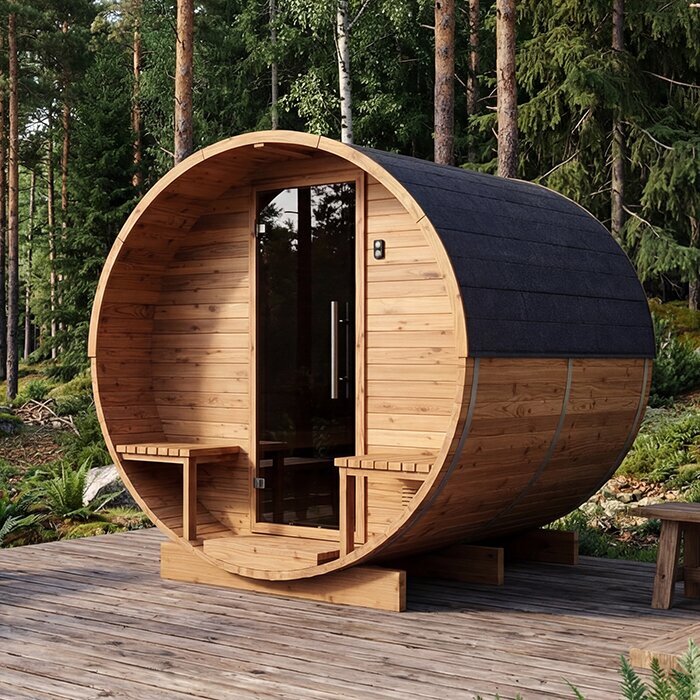
Before purchase, establish exactly what you are comparing: which heater is offered, what controls are included and which items need to be selected separately. A cabin name or product photograph does not establish the contents of the package. Record the answers for each configuration so that you do not compare the convenience of one complete setup with assumptions about another. Include any consumables needed for regular use, without turning this into a detailed running-cost calculation. If an important inclusion is unclear, resolve it before choosing. This keeps the buying decision tied to the equipment you would actually receive and operate.
The operating instructions help turn that equipment list into a realistic routine. When reviewing the Thermowood Barrel Sauna LC-260, ask for the instructions for the heater offered with your chosen configuration. Look for the sequence from start-up through monitoring and shutdown to routine care, and note any tasks you had not included in your comparison. Keep unanswered operating questions distinct from questions about what is supplied, so each can be resolved clearly. By this stage, you should be able to describe both what you are buying and what using it will involve, rather than relying on a general impression of electric or wood-fired heating.
Test each option against a normal week
Use a realistic test rather than a preference in the abstract. Picture arriving home with the time you normally have. For electric heating, include using the controls, switching on and allowing the sauna to warm as instructed. For wood-fired heating, include getting fuel ready, lighting and monitoring the fire, then allowing for stove care afterwards. Add the ordinary cabin clean-up for either type. Think through the full sequence, including the tasks that happen before you settle in and after you finish. This helps you decide whether preparation is part of the appeal or simply work you would prefer to minimise.
Run the same test for a shared or weekend session, when the timing and people involved may be different. If preparing and tending a fire sounds like a welcome part of the visit, and someone can reliably take responsibility, wood-fired heating may fit. If you want to minimise fuel handling and prefer a repeatable control sequence, electric may suit you better, provided its installation is practical. If your answers are mixed, compare the exact heater configurations and manuals before deciding. The broad label cannot settle the details, but a clear picture of the jobs you will repeat can.
Frequently asked questions
Does an electric sauna heat up straight away?
No. An electric heater still needs the warm-up period specified by its manufacturer. Controls and start-up features vary by model, so plan around the actual heater instructions rather than assuming that switching it on makes the sauna ready at once.
Does a wood-fired sauna need attention during every session?
Yes. Preparing fuel, lighting and monitoring the fire are part of the routine, and the stove must be used as its manufacturer directs. The work may feel enjoyable if you like tending a fire, but it is still a responsibility to plan for each use.
Is electric heating maintenance-free?
No. It removes the firewood and stove-ash tasks, but the sauna and heater still need care. Follow the instructions for cleaning the cabin and maintaining the specific equipment; do not assume that one heater's care routine applies to another.
Will a sauna cabin automatically include the heater?
Do not assume so. Check the exact product configuration to see which heater, controls and other items are included or need to be selected separately. The cabin name alone does not establish the equipment supplied.
Which type is easier for regular use?
Electric heating often involves fewer preparation tasks, but it still needs a warm-up and a suitable installation. Wood-fired heating can suit regular use if you enjoy the fire routine and can reliably manage fuel, tending and clean-up. Your available time and household responsibilities matter most.
The best choice is the one that still feels manageable on an ordinary day. Electric heating removes the fuel and fire-tending tasks, but it does not remove warm-up time or the need to check the installation and equipment. Wood-fired heating brings more work before and after a session, which may be worthwhile if you enjoy the process and can plan for it reliably. Decide by considering who prepares, monitors and cleans the sauna each time, then confirm the exact heater setup before committing.
