
The Less Obvious Costs of Greenhouse Growing
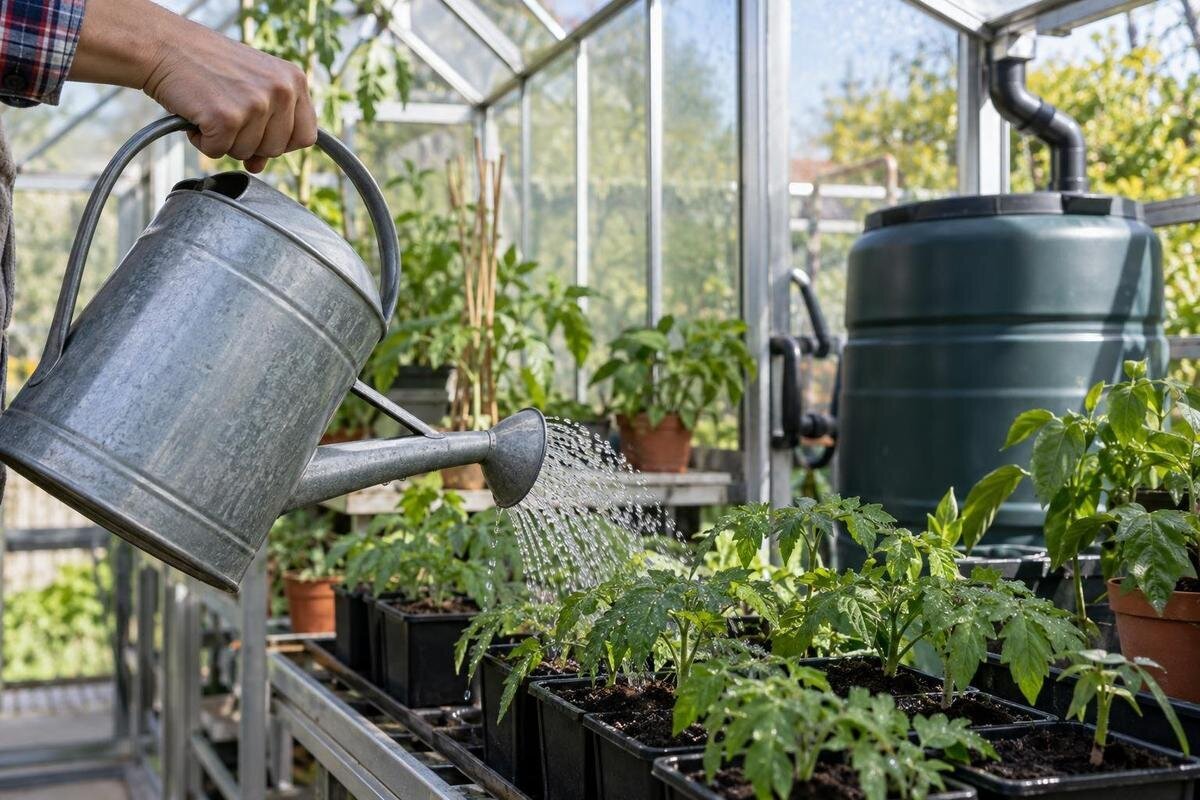
Greenhouse growing costs
Buying a greenhouse is only the first line in the cost of growing under cover. Each season also uses seeds, compost or other growing media, water, containers, plant-care products and equipment; some purchases are consumed quickly, while others remain in stock for years. Receipts alone do not show which costs will recur. A yearly worksheet that records both money paid and quantities used shows what greenhouse growing actually costs in your garden, helps prevent duplicate purchases, and gives the next season a more credible starting point. It also keeps one-off setup expenses separate from regular growing costs.

Separate setup costs from annual growing costs
Treat the greenhouse itself and its first fit-out as a different budget from the cost of keeping it productive. The first group may include the structure, any separately purchased base or site work, initial benches, pots and tools; the running worksheet records what is bought or used after growing begins. If the greenhouse is bought partway through the year, show that payment in the household cash record, but do not repeat it as an annual seed or supply cost. Choose a consistent period—a calendar year or a full growing year—and label it, because a spring purchase may be paid for before sowing starts. This separation keeps a large one-off payment from obscuring smaller recurring costs.
Keep a second distinction between money paid and resources consumed. A pack of labels or a bag of compost bought in December may still be partly in stock at the end of the year. Record the full payment under its purchase date and carry the remaining quantity forward; for a use-based comparison, count only what went into the greenhouse. Mark quotes and planned purchases as forecasts, not actual spending. When comparing configurations, a listing such as Bloomcabin Prestige Greenhouse with metal foundation is a prompt to verify the selected version's inclusions. Add separate fit-out purchases only after checking what is included, rather than counting a named item twice.
Build a worksheet around actual purchases and use
Make the worksheet usable at the point of purchase. Each row should identify the date, category, item, unit, quantity, amount paid and receipt reference, with a mark showing whether the figure is actual or forecast. Useful categories are seeds and propagation, media and containers, water, routine care and cleaning, equipment, and repairs or replacements. Add opening stock, quantity used and closing stock for consumables; for water, record readings and dates; for equipment, note a purchase, repair or replacement. If the payment and purchase dates fall in different periods, note both. A spreadsheet is convenient, but a paper notebook works if you enter transactions promptly and consistently.
Use consistent units—litres, bags with stated volume, packets, pieces or hours—rather than vague entries such as ‘some compost’. Track payments and usage in separate columns, because purchase totals alone can make a year look expensive when stock remains for next season. At year-end, opening quantity plus purchases minus closing quantity gives the amount used or lost; record discarded stock separately to distinguish waste from productive use. Keep units consistent throughout that calculation. For a purchase shared with the rest of the garden, record the total receipt and the greenhouse share, with a brief explanation of the split. Use that share in the greenhouse total rather than counting the full receipt as well.
Plan seed and propagation spending
Build the seed line from the planting plan, not from the number of packets on a shelf. List the crops or varieties you expect to sow, what seed you already hold, and what you buy during the year. Note packet size or quantity where shown, sowing dates, amount used and the packets still in stock. At the end of a sowing period, record how many seedlings reached the stage you intended, too. That lets you distinguish the cost of buying seed from the amount consumed and spot where a plan repeatedly leaves excess stock or requires another purchase.
Propagation expenses belong beside seed but deserve separate rows: trays, pots or modules, labels, and any plants bought ready to grow. Mark reusable items separately from single-season supplies, and record breakage or replacement rather than automatically buying a fresh set each year. If comparing footprints, the Aluminium Classic Greenhouse options are listed from 3.77 to 28.08 m²; use the beds, containers and crop count you intend to manage, not floor area alone, to estimate seed quantities. Keep bought-in plants distinct from plants raised from seed, so the worksheet shows how each was supplied. If you change that balance next season, revise the relevant quantities rather than simply repeating the previous seed budget.
Track growing media, compost and containers
Growing media and compost can be repeat purchases, but the receipt is not the same as annual consumption. Record the type or product, pack volume, number bought, amount used, and what remains. An entry of ‘three bags’ tells you little if the bags differ in volume; recording the labelled litres or other unit makes next year's comparison meaningful. Keep amendments and top-up materials on their own lines rather than blending them into one compost total, especially if they are bought at different times or used for different jobs. Distinguish unopened bags from the estimated contents of partly used ones, and mark those estimates clearly when taking stock.
Work out quantities from the planned beds and containers. A bed filled once and topped up later has a different pattern from pots that are emptied or refilled each season, so note both the initial fill and later additions. Reusable pots and trays belong in the equipment register unless they are replaced; disposable containers sit with consumables. The Spacious Greenhouse range is listed from 47 to 70 m², but area alone does not tell you the media volume you will need. Count the actual growing surfaces and container volumes, then check your stock before ordering. If media is used elsewhere in the garden, record the greenhouse portion separately.

Measure greenhouse water use
Water can disappear from a budget when greenhouse growing uses a household tap or a supply shared with other garden areas. If a separate meter is already available, record dated readings and the units shown; a seasonal total is more useful than a memory-based estimate. If the bill covers the whole home, use a measured or clearly stated estimate for greenhouse use and write down how you derived it. Do not allocate the whole household bill to the greenhouse. If you apportion a shared charge, explain the method and apply it consistently rather than implying that the whole amount was caused by greenhouse watering.
Record watering-related purchases separately from water consumed: hoses, connectors, watering cans, replacement washers, drip components or batteries are equipment or replacement items, not water volume. Note when an item was bought, whether it is reusable, and any part replaced; this reveals whether a purchase is one-off or recurring. The Wall Greenhouse range is listed from 3.69 to 14.34 m², yet footprint is not a water-use figure. Count the planted beds and containers and use your own readings across the year; do not scale a water budget directly from another greenhouse's area.
Include routine care and cleaning supplies
Group routine growing supplies in separate rows: fertilisers or amendments, plant ties and labels, cleaning materials, and pest-management products you actually choose to use. This is a record, not a shopping list; a greenhouse does not automatically require every category. Note the product type, pack size, date, amount used and quantity left. A large container may serve more than one season, so the full purchase cost and annual usage are not interchangeable. Keep product instructions with the item and follow its label; the worksheet should record actual purchases, not an assumed standard dose.
Give each line a reason, such as sowing, routine care, cleaning or a one-off problem, and connect it to the crop or task when practical. This helps separate repeating supplies from unusual purchases and shows whether an item was bought to replace stock already on hand. If something remains unopened, carry its balance forward; if it has been discarded or expired, record the loss and its reason. At the annual review, use those notes to decide whether the next purchase should be smaller or omitted. An exceptional purchase should remain identifiable rather than becoming an automatic entry in every future budget.
Keep an equipment and storage register
Small equipment can be easy to miss because it is bought on separate trips rather than with seed or compost. Keep a simple register for durable hand tools, reusable trays, shelving, measuring devices and other equipment: purchase date, amount paid, purpose, where it is used, and current condition. Put short-lived consumables in the annual purchases list and repairs in their own row. A tool bought once is not automatically a yearly cost; record replacement only when it happens. If you want a cash-flow plan, show the likely purchase year rather than spreading its price across seasons without saying so.
Storage needs also belong in the initial-versus-recurring comparison. If a listing describes Aluminium Greenhouses with Storage – Limited Edition, check the selected configuration's exact inclusions before adding a separate cupboard or shelving unit to the plan; built-in storage does not tell you what other fixtures are supplied or what your own tools require. Before buying duplicates, review the register and note equipment shared with the wider garden. Record whether each item is still in use, needs attention or has been retired. That keeps an old purchase on the record without treating it as either a new expense or a usable tool you still have.
Record repairs and replacements when they happen
Record actual upkeep costs when they occur: replacement components, repair materials, paid work, or a new tool bought because an existing one failed. Note the item, issue, date, amount and whether the job was a repair, replacement or upgrade. Do not invent a fixed annual repair bill if you have no history. In early years, any reserve you choose is a planning allowance, clearly marked as a forecast rather than an expense; after a few seasons, compare it with logged work and adjust it. Keep quotes separate from invoices so an estimate is not mistaken for money already spent.
Keep the exact greenhouse make, model and selected size in the asset record, along with the order documents. That detail can make future checks less ambiguous: the Limited Edition Aluminium Greenhouses family is listed in sizes from 3.77 to 28.08 m², so a family name alone may not identify the configuration you own. The listing does not establish which maintenance item you will need; budget only for work or parts confirmed for your greenhouse. Separate an optional improvement from restoring something already in use, as they answer different questions in the annual review.

Log time, waste and unused supplies
Cash totals leave out effort. A short task log—date, job and minutes—can capture sowing, potting, watering, cleaning, shopping and repairs without pretending that personal time is a cash bill. Include trips or repeated visits only if they matter to your planning, and note when tasks occur. After a year, this record helps you judge whether the planned crop mix and equipment suit the time you actually have, without assigning a made-up hourly rate. If you do want to value personal time for your own comparison, keep that estimate separate from cash paid.
Track leftovers and discarded material too: unopened or partly used seed packets, unused media, broken containers, seedlings you chose not to keep, and supplies bought for a task that did not happen. Note the reason and approximate quantity; it helps distinguish over-ordering from a changed plan or a one-off need. For a footprint comparison, T-Model Orangery Greenhouse sizes are listed from 16.52 to 30 m², but neither time nor waste should be multiplied by floor area automatically. Use your actual layout and task log to plan next year's quantities and workload.
Use this year's records to plan next year's budget
At season's end, total money paid by category, then review quantities used, stock carried forward and unusual items separately. For consumables, reconcile opening stock and purchases with closing stock, distinguishing use from waste; for water, review meter readings or your stated estimate; for equipment, total purchases, repairs and replacements. This gives two different views of the completed year: cash paid and resources consumed. Use both when preparing the next forecast, since supplies already in stock may reduce what you need to buy. Keep the method consistent from year to year, or mark any change so that a different recording method is not mistaken for a change in growing costs.
Build next year's forecast from the crop plan, quantities still in hand, current prices you can verify, and replacements you have reason to expect—not from a generic average. Keep uncertain purchases and any chosen contingency in separate forecast lines. If the layout changes, update the planting plan instead of scaling every category mechanically: the Pyramid Greenhouse options are listed from 5.53 to 18.9 m², but planted beds, containers and actual watering patterns determine the quantities that matter. Review after the next season and replace estimates with receipts, readings and task notes.
Frequently asked questions
What should I count as a greenhouse running cost?
Count seeds, propagation supplies, growing media, water, routine care products, equipment purchases, repairs and replacements paid for or used during the period. Keep the greenhouse and its initial fit-out separate. For items shared with the rest of the garden, record the greenhouse share and how you worked it out.
How do I account for water if the greenhouse shares a household supply?
Use dated readings from a separate meter if one is available. Otherwise, record a measured or clearly explained estimate and keep the method consistent. Do not assign the entire household water bill to greenhouse growing.
Should unused seeds or compost count again next year?
Record the full payment in the year you bought the item, then carry the remaining quantity into next year's opening stock. For a separate view of what you consumed, count only the amount used and note anything discarded. This avoids charging the same stock twice.
How can I prepare a first-year budget without past records?
List the crops and quantities you plan to grow, check what supplies you already have, and price the quantities you expect to buy using current receipts or quotes. Mark estimates clearly. Keep the records during the year so next season's plan can use actual purchases and quantities.
Are heating costs part of this worksheet?
Keep heating separate from the seeds, media, water and equipment worksheet. If heating applies, record its actual costs on a distinct line; use the dedicated heating article for heating calculations rather than combining them with routine growing supplies.
An accurate greenhouse budget grows out of a small habit: write down what was bought, what was used, and what remained. Keep setup separate from recurring inputs, attach quantities and dates to receipts, and mark estimates as estimates. After a full growing year, the worksheet will show which costs repeat, which were exceptional, and where stock or task plans need changing. That is a stronger basis for next year's decisions than a single headline estimate.
