
How Much Does It Cost to Heat a Greenhouse in Malta?
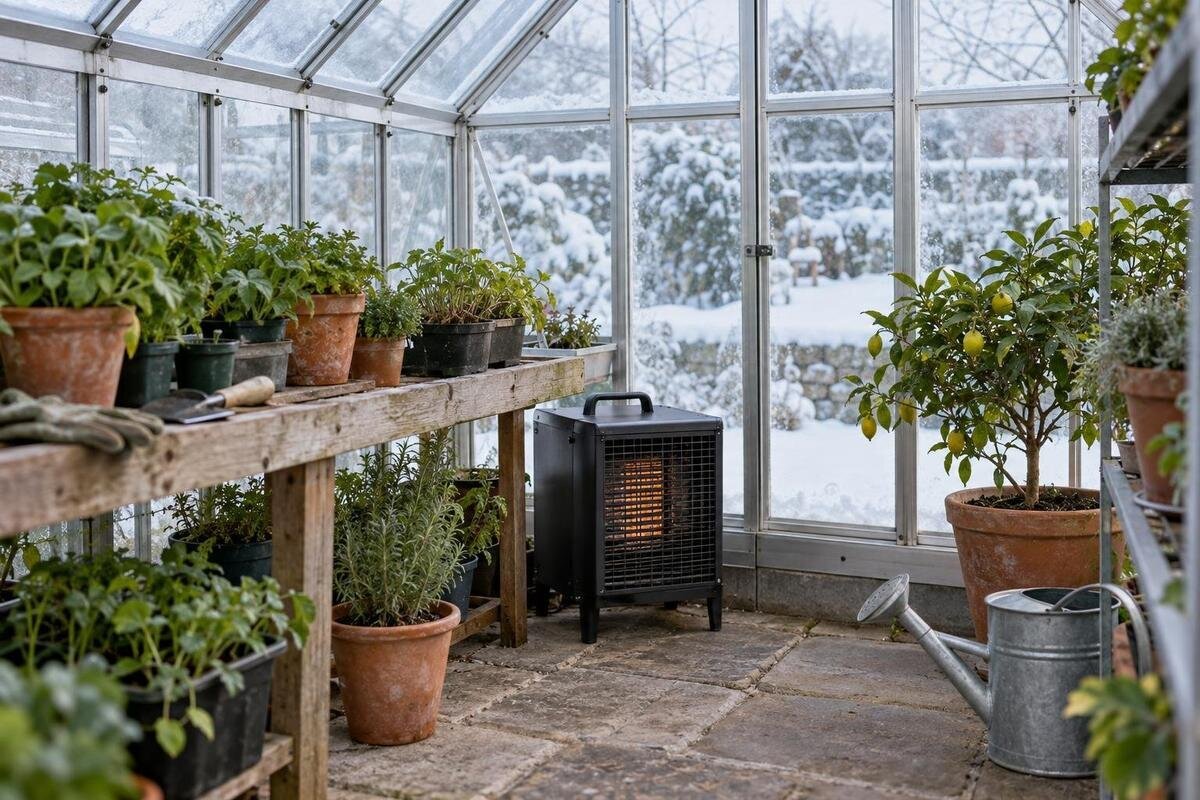
Greenhouse heating costs in Malta
Heating a greenhouse in Malta has no single dependable price. The bill depends on how warm you keep it, how cold the air gets during the hours you heat, how much heat the enclosure loses, and the unit rate on your electricity bill. The calculation below separates those inputs and works through a deliberately hypothetical night. Replace its temperature, heat-loss coefficient and electricity rate with figures for your own greenhouse; the example is neither a Malta weather forecast nor a tariff quote.

Why greenhouse heating costs vary from site to site
There is no single reliable price for greenhouse heating in Malta. A daytime reading or a national seasonal average cannot tell you how long a heater will run on the nights that matter. The bill depends on the temperature you want indoors, the outdoor temperature during each heating hour, how much heat escapes from the chosen enclosure, and the cost of each additional electricity unit. Wind, openings and the time you switch heating on can alter the result too. The example in this guide uses explicit assumptions so you can replace them with readings from your own site.
Before calculating, define what the heater is meant to protect and the period your budget needs to cover. Keeping plants within their recommended overwintering conditions is a different aim from maintaining warmer conditions for active growth, and the two targets can have very different running costs. A single-night estimate helps explain the calculation, but it is not yet a monthly or seasonal budget. Keep the target temperature, expected heating hours and number of nights beside each estimate. This makes it clear whether two totals describe the same heating requirement or simply reflect different assumptions about how the greenhouse will be used.
A simple formula for heat and electricity
Use an overall heat-loss coefficient, H, measured in watts per degree Celsius (W/°C), for the exact enclosure and configuration. For each period, calculate modelled heat in kWh as H × (indoor target − outdoor temperature) × hours ÷ 1,000, using zero when the outdoor temperature is at or above the target. A temperature difference of 1°C is numerically the same as 1 K. H must represent the complete greenhouse, including heat escaping through its boundaries and ordinary air exchange; it is not the heater’s power rating or a figure you can read from floor area alone. If the setpoint changes, calculate each period separately. This is a first-pass cost estimate, not heater-sizing advice.
To estimate the bill, multiply electricity actually used in kWh by the marginal rate in euros per kWh. If you have meter data, use it directly. If you convert modelled heat demand into electrical use, account for the heater type and measured performance; a heat pump should not automatically be treated like a direct electric heater. Exact greenhouse size matters too: the Prestige Greenhouse range is listed from 3.77 to 28.08 m², so one number for the product family cannot represent every version. Ask for heat-loss information for the selected size and configuration.
Worked example: one ten-hour night
Take a hypothetical case to see the arithmetic, not as a claim about typical Maltese weather or a specific greenhouse. Assume H is 100 W/°C, choose a 16°C indoor target and assume the outdoor air stays at 10°C for ten heating hours. The temperature gap is 16 − 10 = 6°C. The model gives 100 × 6 = 600 W, or 0.6 kW, of heat at that steady gap; over ten hours that is 6 kWh of modelled heat. The assumed H is a round number for this example, not a measured or typical value for a greenhouse.
For the cost arithmetic, assume the meter records 6 kWh of electricity during the same night. At an explicitly hypothetical rate of €0.25/kWh, that is 6 × €0.25 = €1.50 for one night; thirty identical nights would total €45. This is not a current Maltese tariff or a seasonal forecast. In real use, meter consumption may differ from modelled heat demand depending on heater type, controls and conditions, so use actual consumption where possible. The model also assumes a constant temperature gap. With the same H and ten hours but an 8°C gap, it gives 8 kWh, showing how a colder night changes the result.
Allow for uncertainty in heat loss
The most uncertain input is often H. Heat escapes through the greenhouse covering and its joints, the base or ground boundary, and air exchange; weather, openings and the condition of closures affect the whole result. Do not choose a coefficient just because a product is called aluminium, glass or a wall greenhouse, and do not use a generic figure unless it describes the same size, covering, configuration and conditions. Ask the supplier or manufacturer for documented heat-loss information for the exact model and variant. If suitable information is not available, a competent heating professional can assess the enclosure and the conditions you need to maintain.
Until you have stronger evidence, show the uncertainty instead of printing one precise-looking total. In the worked case—a 6°C gap for ten hours—assumed H values of 70, 100 and 130 W/°C give 4.2, 6.0 and 7.8 kWh of modelled heat. At the hypothetical €0.25 rate, that is €1.05, €1.50 and €1.95 respectively, if electricity use matches the simple heat model. The Spacious Greenhouse listing covers 47–70 m²; that area range identifies available sizes but supplies no heat-loss coefficient. Budget from the selected version’s documented details, not the range label.

Use night-time weather, not a seasonal average
Choose weather inputs that match the hours your heater will operate. A monthly average or a warm daytime reading can understate night demand, while basing every estimate on an exceptional cold spell may overstate an ordinary budget. For planning, make separate milder, representative and colder-night cases from local hourly observations or records, and state which one each total describes. Where the outdoor temperature changes during the night, divide the period into blocks: apply H to each block’s indoor–outdoor gap and duration, then add the results. This is more informative than pretending one temperature lasted all night. Note when your weather readings come from somewhere with different exposure from the greenhouse.
Log wind, rain, door openings and ventilation changes beside the temperature readings. These conditions can change air exchange and the time a heater runs, so a calm test night may not predict a windy one. Do not reduce the bill by closing vents that the plants or greenhouse need; follow the maker’s guidance. When comparing sizes in the Classic aluminium greenhouse range, listed from 3.77 to 28.08 m², include the site’s exposure alongside the selected enclosure details in each estimate. Keep notes about the weather conditions behind your low and high estimates so you can make a meaningful comparison with later meter readings.
Set a target temperature for the plants
Your target temperature is a plant-care decision, not a number set simply by the greenhouse’s location in Malta. Look up the minimum suitable conditions for the crops you are overwintering and decide whether the aim is protection, dormancy or continued growth; do not assume they all need the same setpoint. A higher target increases the temperature difference for every hour it is maintained. A target that is too low may fail to protect the plants, so do not cut costs without checking their requirements. Place the thermometer or thermostat sensor where it represents the crop zone, away from direct sun and the heater’s immediate airflow, and compare its reading with the intended setpoint.
If only a few plants need protection, a properly designed inner enclosure or separately controlled zone may mean heating less space, but its actual temperature and ventilation still need checking. Do not count a saving until you know the barrier is appropriate and the thermostat responds to the protected area. The Wall Greenhouse listing covers 3.69–14.34 m². Its name alone does not tell you how much of the boundary is sheltered or exposed, nor prove that heating will cost less. For a lean-to or other arrangement, use the exact installation drawings and heat-loss details rather than assuming a wall halves demand.
Calculate actual heater consumption
If the appliance’s electrical input rating is available, estimate use as input in kW multiplied by the hours it is actually on. For example, a hypothetical 1.5 kW input over four operating hours is 6 kWh. With thermostat control, elapsed night length is not the same as operating time: the heater may cycle, and variable-output equipment can draw different amounts. Confirm whether a published rating is electrical input or heat output before using it in a bill calculation. This shortcut is only a rough estimate for fixed-output equipment; a meter reading that isolates the heater’s consumption is a better input.
Keep a simple log with start and end meter readings, indoor target, outdoor minimum, heater run time and interruptions. Compare nights with similar temperatures and wind; otherwise, a change in weather can look like a change in efficiency. If other appliances share the meter, use an appropriate method to separate their consumption or ask a qualified electrician. Use only a heater and measuring equipment whose manufacturers confirm suitability for the environment, and follow their instructions; a greenhouse can be humid. Record the exact greenhouse size too: the Limited Edition Aluminium Greenhouses listing spans 3.77–28.08 m², so identify which version your consumption records describe.
Apply the tariff on your electricity bill
Take the unit rate from the current bill or tariff that applies to additional consumption. Dividing the whole bill by all its kWh can be misleading when the total includes fixed charges, which do not rise simply because you run a greenhouse heater. Use the variable per-kWh amounts shown by your supplier and include separately listed charges or taxes where they apply to the unit price. If your plan has different time periods or consumption bands, calculate the kWh in each one at its own rate. Record the date of the tariff because contracts and rates can change; use your own bill rather than assuming one figure applies to everyone.
For a monthly estimate, add the costs for the nights you expect to heat rather than multiplying one cold-night result by every night of the season. Use a calendar or a few weather cases, and keep the assumed temperature and run time beside each subtotal. If you are comparing versions of the T-Model Orangery Greenhouse, listed from 16.52 to 30 m², keep a separate monthly total for each selected size and its heat-loss input. Apply the same tariff and weather assumptions to each comparison. This helps distinguish differences in expected electricity use from differences caused by the price or period chosen for the calculation.

Compare greenhouse specifications fairly
Floor area is useful for choosing a size, but it cannot by itself predict the heat bill. The amount of enclosure exposed to outdoor air, the covering and construction details, gaps, ventilation, target temperature and heating hours all matter. Two models with the same floor area can have different exposed surfaces; two sizes in one family may also need separate estimates. The Pyramid Greenhouse range is listed from 5.53 to 18.9 m², which identifies its area range but does not state thermal performance. For a fair comparison, check the exact size and verified enclosure information for each option.
Make a comparison sheet with one row for each exact model and size. Record any documented whole-enclosure heat-loss value, covering specification, ventilation provision and maker-approved insulation options; then add the target, local night profile, heater input or measured use, and tariff. Mark missing information as unknown rather than filling it with a guess based on a frame material or product name. Ask the supplier which data applies to your selected configuration. Ventilation still has to serve the plants and the greenhouse design, so confirm that a proposed screen or other change will not obstruct it before including a saving in your budget.
Check changes against meter readings
An insulation option, screen or tighter closure can change heating demand only if it suits the chosen greenhouse and actually reduces unwanted heat loss without interfering with ventilation or plant care. Ask what the manufacturer has verified and for which configuration. For the Limited Edition greenhouse with storage, listed from 5.52 to 28.08 m², identify the exact size and layout before assessing a proposed change. Keep the original heat-loss assumption and the expected effect of the alteration separate in your notes. That allows you to compare the predicted saving with later readings without assigning an assumed benefit to the storage area itself.
After an option is installed or the heating schedule changes, compare meter readings across several reasonably similar nights with the same target. Write down both kWh and the tariff, so a price change is not mistaken for lower energy use. If the result differs from the estimate, revisit the temperature actually maintained, outdoor hours, ventilation and heater runtime before changing the assumed H. Avoid compensating by raising the setpoint without a plant need or disabling ventilation. A model is a planning aid; real consumption records make the next estimate more useful, while a professional can help with a dependable system design.
Frequently asked questions
Can I calculate an exact monthly cost before heating?
Not without knowing the greenhouse’s heat loss, the target temperature, the weather during heating hours, the heater’s electricity use and your tariff. Begin with low, central and high assumptions, then replace them with meter readings from comparable nights. A seasonal total remains an estimate because temperatures and operating hours vary.
Which electricity price should I use?
Use the current per-kWh rate that applies to additional consumption on your bill or tariff. If prices vary by time or consumption band, calculate each period separately. Avoid dividing the whole bill by its total kWh when it includes fixed charges that do not change with heater use.
What outdoor temperature should I enter?
Use observed or forecast night temperatures for your site and the hours you expect to heat. A monthly average can conceal cooler hours. For planning, compare milder, representative and colder nights rather than treating one temperature as a guaranteed minimum.
Does a higher-wattage heater always cost more to run?
Not necessarily over a whole night. Electrical input in kW multiplied by the hours actually running gives an energy estimate in kWh; a thermostat can switch a heater on and off. Compare measured consumption and the heater’s specifications, rather than relying on its rating alone.
Can floor area or a lean-to design predict heating costs?
Floor area and the product name alone cannot determine the bill. Exposed surfaces, covering, air exchange, site conditions, target temperature and heating hours all affect demand. Compare the exact configurations using documented heat-loss information, or clearly labelled assumptions if that information is unavailable.
A useful greenhouse heating budget is built from your crop target, night-time temperatures, a documented or clearly estimated heat-loss coefficient, actual heater consumption and the rate on your bill. The worked example shows the arithmetic, not a typical Malta cost. Start with a range while important inputs are uncertain, then refine it with meter readings from comparable nights. That gives you a more realistic view of seasonal spending without mistaking a product name, floor area or one mild night for an energy specification.
