
Can Solar Power Run Greenhouse Heating in a Malta Winter?
Greenhouse heating and winter energy
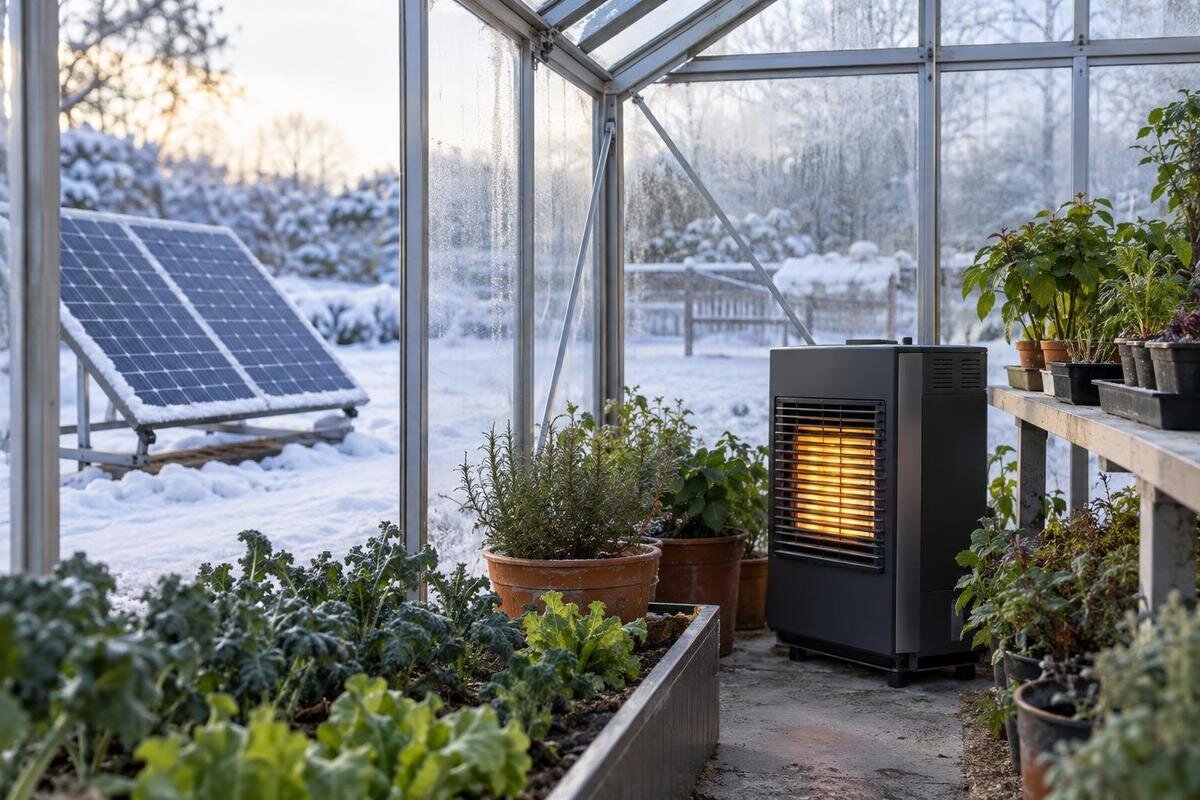
Solar panels can contribute to greenhouse heating in a Malta winter, but annual electricity production does not prove that a heater can run through the coldest hours. Photovoltaic output follows daylight and weather; heating may be needed after sunset or before useful generation begins. Whether solar can carry the load depends on the plants’ winter requirements, the enclosure’s heat loss, site-specific generation, heater use, storage and backup. A sound comparison uses the greenhouse and the proposed PV site as separate inputs. Establish the heater’s actual electricity use during representative cold periods, then compare it with winter output and the hours that output is available. The result may be useful solar support without dependable self-sufficiency.

01
Solar electricity does not guarantee overnight heat
Photovoltaic panels turn daylight into electricity; an electric heater turns electricity into heat. A PV array can power a heater while it is generating, but it does not provide warmth simply because it is installed near the greenhouse. This guide is about photovoltaic electricity, not a solar-thermal collector, which is a different kind of system. When PV output falls, heat must come from the grid, stored electricity or another suitable supply. An annual total may look ample while leaving a gap at night, so the test is whether supply is available when the heating load occurs.
Keep the mounting decision separate from the heating comparison. A greenhouse’s model name, glazing, frame or floor-area range does not confirm that its roof is rated for panels and fixings. Do not assume the greenhouse roof can support PV modules. Ask the greenhouse supplier and a qualified structural professional to assess any proposed attachment; a separate roof or ground location also needs a site assessment. Electrical connections should be specified by a competent professional. The enclosure and the solar system have distinct requirements, even when they are planned together.
Estimate heating demand for the actual greenhouse
Before comparing panels, define what the heater is meant to protect. Acceptable winter conditions depend on the plants and whether the aim is to protect them from damaging cold or maintain active growth; there is no single target for every greenhouse. Record the size and height of the space, glazing and sealing, ventilation openings, door use and exposure. Note whether you intend to heat the whole structure or a smaller crop zone. These details matter because floor area alone is not a heating specification, and a sunny afternoon does not show how much heat the enclosure needs on a cold night.
Read the heater documentation for its rated electrical input and permitted operation, then record actual energy use if a suitable monitor can measure it. Power in kW describes the rate of use while equipment runs; kWh records energy over an interval. A heater may switch on and off, while fans, pumps or controls can add demand, so its rating alone does not show actual winter consumption. Keep notes on heater use, indoor and outdoor conditions, and door or vent use through representative cold periods. The Prestige greenhouse footprint range is listed from 3.77 m² to 28.08 m²; use the selected size and heated zone in a professional assessment.
02
Ask for a winter solar estimate for your site
Ask a PV provider for a winter estimate for the exact place the panels would go, rather than relying on an annual total divided across the year or a general Malta figure. The estimate should state its assumptions about panel orientation and tilt, nearby shade, the proposed equipment and system losses. If the aim is to heat after sunset, request an hourly profile or representative winter-day modelling as well as monthly kWh. A monthly total can conceal a brief surplus at midday and little available electricity during the hours when the heater is running.
Ask what conditions the forecast represents and whether it includes a lower-output case as well as an average. Nearby buildings, trees or roof edges can affect a particular site, so a map-based estimate is not a guarantee of actual production. Monitoring from an existing array can provide useful evidence. If you are considering the Spacious Greenhouse footprint range, listed from 47 m² to 70 m², identify the particular size in the heating assessment. Keep the resulting demand estimate alongside the solar forecast so that you can compare the same winter period, rather than unrelated annual figures.
Match solar generation to the hours of heating
Build a winter-day timeline that compares expected PV generation with other household use and the hours the greenhouse heater is likely to run. PV output follows daylight, while heating may continue into the evening or be needed before useful generation begins. Divide the comparison into useful periods: daylight, evening and overnight, for example. For each period, record the expected generation, household demand, greenhouse demand and the supply intended to cover any gap. Keep measured consumption separate from estimates so that the uncertainty remains visible. If the array also serves a home, some electricity may already be meeting other loads; its rated output is not necessarily all available to the greenhouse. Surplus electricity can only be useful for heating when the greenhouse needs heat and the equipment is operating within its instructions.
With a grid connection, imported electricity can cover a shortfall while the panels are idle, but the bill depends on the tariff and how exported electricity is credited. Check the terms that apply to your account instead of assuming exported and imported units cancel each other out. Keep electricity used directly, exported electricity and imported electricity separate in the cost comparison. This makes it easier to see whether the proposal reduces heating costs, supplies the heater directly, or does some of each. The Aluminium Classic greenhouse sizes are listed from 3.77 m² to 28.08 m²; use the chosen size and heated area to identify which greenhouse the consumption estimate covers.

03
Check what a battery can cover
A battery can shift some electricity from hours of generation to later use, but it cannot add energy during a spell of weak solar production. Check both its energy capacity, usually stated in kWh, and the power the battery and inverter can supply to the heater and other simultaneous loads. The headline capacity may differ from the amount available for use after reserves and conversion losses. Controls and other equipment may also draw electricity. Ask the supplier to identify the usable capacity and explain the assumptions behind it, rather than relying on a label alone.
Request an estimate that considers overnight heating alongside other loads and shows what charge remains after a low-output period. Several days of weak generation can leave less charge available than a battery has after a sunny day, so one overnight test does not establish multi-day coverage. Ask the supplier to state the assumed starting charge, the energy available for heating and the point at which another supply takes over. This distinguishes a battery that can meet one evening’s demand from a system intended to support several nights. Battery and inverter limits, operating conditions and the specified installation belong in the supplier’s design. If you choose from the Wall Greenhouse footprint range, listed from 3.69 m² to 14.34 m², identify the selected size and heated zone in that estimate.
Plan for low solar output and power cuts
Consider two different shortfalls: several days of weak solar production while mains power is available, and a power cut when the grid cannot help. Do not assume that a grid-connected PV system will power appliances during an outage. Ask the supplier what backup functions are included and which loads they can serve. A battery is not automatically an outage supply either; its available reserve and the system configuration need to be confirmed. List grid supply, battery and any other backup separately so it is clear what each one is expected to do.
Decide which plants need priority protection and what response is available if the normal supply fails, rather than assuming the whole greenhouse can always be kept at the desired conditions. Choose only a heater documented for the intended setting, and have power equipment selected and connected by a qualified professional. Do not improvise with an appliance or fuel source whose instructions do not allow that use. When considering the Limited Edition Aluminium greenhouse sizes, listed from 3.77 m² to 28.08 m², distinguish the area normally heated from any smaller area intended for priority protection. The backup discussion should address that intended demand, rather than treating every possible heating arrangement as equivalent.
04
Reduce the area that needs heating
Reducing the area and heat loss can reduce the load a system has to meet. Decide whether every part of the greenhouse needs the same winter conditions: grouping vulnerable plants in a smaller protected zone or not heating unused space may limit the area needing attention. Keep doors closed when appropriate and address obvious gaps, but do not block designed vents or make the greenhouse airtight to save heat. Plant care still depends on suitable ventilation and moisture management, so any changes should fit the enclosure and the plants.
Temporary internal screens or covers can affect airflow, light, access and condensation; they are not automatically a reliable insulation upgrade. Check their suitability with the relevant supplier or a knowledgeable professional before relying on them. Daytime sunshine can warm a greenhouse, but it does not guarantee warmth overnight. The T-Model Orangery Greenhouse size range spans 16.52 m² to 30 m². For the selected size, describe which parts would remain heated and how you would reach and care for the plants. A proposed reduction in heated area should still leave a workable growing space, rather than simply looking smaller on the energy estimate.
Keep greenhouse area separate from PV area
A greenhouse’s floor area is not the area or output of a PV array. Its footprint does not translate into a fixed number of panels: the generator may be located elsewhere, and usable production depends on the assessed mounting location and system design. The heating estimate should describe the actual greenhouse; the PV estimate should describe the proposed panel site. Bring those separate estimates together when comparing supply with demand rather than using one area as a substitute for the other.
Do not use greenhouse glazing or a garden structure as a panel platform without confirmation from the supplier and a qualified structural professional. The Pyramid Greenhouse footprint options are listed from 5.53 m² to 18.9 m². That information identifies floor-area choices only; it does not describe roof capacity, glazing strength, usable panel area or winter electricity output. Keeping these figures separate avoids mistaking a greenhouse size for a renewable-energy specification.

05
Monitor the system through winter
Compare actual operation with the original winter estimate. Useful records include PV generation, electricity imported or exported, battery charge and discharge, the heater’s energy use, and indoor and outdoor conditions during the hours the plants need protection. Use the equipment’s monitoring where available and a suitable meter for the heater. Compare readings over matching periods: a daily heater total and a monthly generation total do not reveal whether supply met demand overnight. If readings cannot be separated from other household loads, note that limitation rather than assigning the whole household total to the greenhouse. Keep records through different winter conditions, not only on bright days. Note changes in heater settings, heated area or door use alongside the readings, so that a change in consumption is not automatically attributed to solar output.
Review the figures when the crop mix, heated area or equipment changes, and compare bills with the tariff and export terms that actually apply. Look for the periods when the proposed system needed more grid support than expected, as well as the days when generation was sufficient. These comparisons help identify which assumptions need revisiting. The Aluminium Greenhouses with Storage size range is listed from 5.52 m² to 28.08 m². The storage named in this greenhouse listing should not be confused with battery storage: the product name and footprint range do not specify electrical energy capacity, heat retention or heater consumption.
Compare winter heating demand with the available supply
Bring together the plants’ winter requirements, the greenhouse’s construction and dimensions, the area to be heated, and the heater’s documented or measured electricity use during representative cold periods. Add a site-specific winter PV estimate, the battery’s usable capacity and limits, other electrical loads, the applicable tariff and the planned backup supply. Ask the installer to show how the balance works during the hours heating is needed and through a low-generation spell. A yearly total or panel rating on its own cannot answer that question.
Solar can still be worthwhile as a contribution when it is not the only source: daytime generation may serve some demand, while the grid or another documented backup covers the gap. A battery may shift surplus into the evening, but its cover depends on the equipment and the assumptions in the winter model. If that model leaves hours without dependable supply, reconsider the heated area or system plan before relying on it. The useful result is a clear account of what the system can and cannot cover, not a promise of complete independence.
Frequently asked questions
Can solar panels keep a greenhouse warm overnight?
Not by themselves: photovoltaic panels need daylight to generate electricity. Overnight heating needs another supply, such as the grid or a suitably designed battery system, and perhaps a backup for longer periods of low output. Check how much electricity the heater actually uses at night and whether the proposed system can cover those hours; an annual solar total cannot establish that.
Is an annual solar estimate enough for winter planning?
No. A yearly figure can hide both seasonal changes and the hours when electricity is produced. Ask for a site-specific winter estimate, including monthly figures and, where possible, an hourly profile. The estimate should account for the proposed panel location, shading and system design. Compare it with the greenhouse’s heating demand at the times the heater is expected to run.
How do I know whether a battery is large enough?
Ask the supplier for an estimate based on the heater’s measured or documented electricity use, the battery’s usable capacity, inverter limits and other loads. The battery’s headline capacity may not all be available to use. Request an assessment covering more than one night if that matters to your plans, and ask what supply takes over when the battery is low.
Will a smaller greenhouse always use less heating electricity?
A smaller heated area may mean less space to protect, but floor area alone does not predict consumption. Glazing, gaps, ventilation, exposure, outside conditions and the temperature required by the plants all matter. Compare the particular greenhouse and heated zone you plan to use; do not scale a heater or solar system from area alone.
What should I prepare before asking for a quote?
Note the greenhouse’s dimensions and construction, the area to be heated, the plants’ winter requirements and the heater’s documented input or measured use. For solar, give the installer the proposed panel location and any available shading information. Include other electrical loads, your current tariff and the backup supply you expect to rely on.
Solar-powered greenhouse heating is realistic as a contribution when the system is planned around the hours heat is needed, not just a yearly PV total. Use actual greenhouse and heater information, request a site-specific winter estimate, and consider storage and backup together. The result should show how much winter heating solar can support in your Malta greenhouse and where another supply is still needed.
