
Managing Tomato Soil Fatigue in One Greenhouse Bed
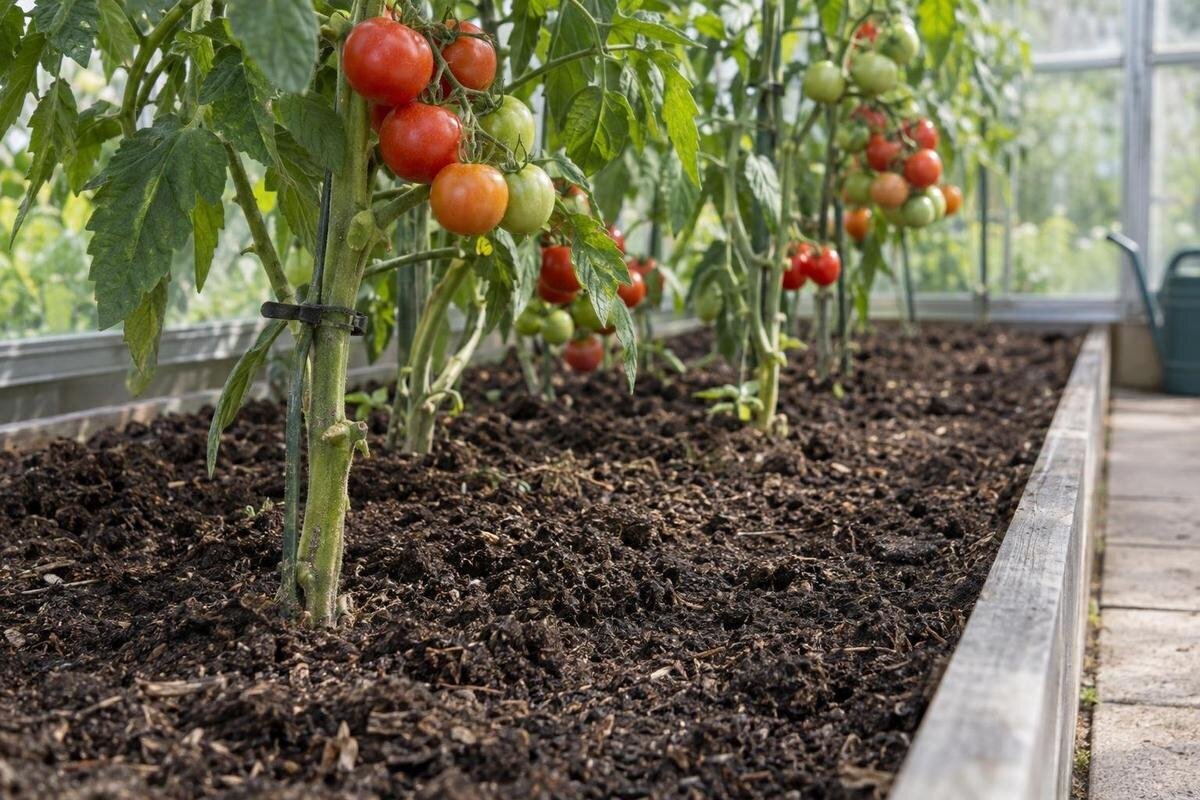
Tomatoes in the greenhouse
Tomatoes planted in the same greenhouse bed year after year can face more disease pressure or a less balanced root zone, but poor growth does not prove “soil fatigue”. Watering faults, root damage, salt build-up, pH, pests and greenhouse conditions can produce similar symptoms. When rotation is difficult, work from evidence: compare affected plants, check roots and irrigation, test the soil, then make targeted changes. Replace a bed only when the diagnosis and practical options justify it; changing the growing system may create a cleaner break without replacing the whole greenhouse.

What tomato soil fatigue means
Tomato soil fatigue is a useful description of declining performance after repeated tomato crops in one bed, not a single diagnosis with one remedy. The phrase can cover several possible changes: some soil-borne diseases or plant-parasitic nematodes may persist, while nutrients, soluble salts, soil structure and organic matter may also be out of balance. Some organisms benefit when a susceptible crop returns; others have a wider host range or are not the cause at all. Repeated planting does not automatically make soil unusable, especially when irrigation and inputs have been managed well.
Treat the term as a reason to investigate. Note which plants struggle, when symptoms start, whether the same area is affected each year, and what was planted, watered and added there. A whole-bed decline may point to a shared condition, while isolated plants may suggest a local problem, but neither pattern proves the cause. Record growth and fruiting as well as leaf appearance. Be specific about what has declined: fewer fruits, smaller plants and earlier wilting are different observations, even if they occur together. Compare crops at a similar stage rather than judging a young planting against the previous season’s mature plants. A useful history gives a laboratory or horticultural adviser more to work with than the label “tired soil” and helps avoid replacing a bed unnecessarily.
Check water, roots and greenhouse conditions
Check irrigation before applying amendments. Compare moisture where the roots sit, not just at the surface, and look for blocked outlets, leaks, uneven flow, runoff or persistently wet patches. A dry root zone limits water and nutrient uptake; waterlogged soil can deprive roots of air. Either can produce weak growth or leaf symptoms that resemble a nutrient problem. Note whether the trouble follows an irrigation line, corner or low point, and check drainage after watering rather than adding fertiliser to compensate. Include apparently healthy parts of the bed in the comparison. Record when you checked in relation to watering, since observations made just after irrigation and before the next watering describe different conditions. This makes the comparison more useful than a general note that the bed seemed wet or dry.
If practical, lift one struggling plant and a healthy comparison plant and examine their roots. Reduced growth, damage, darkening, lesions or swellings can guide further investigation, but appearance alone does not identify a pathogen. Also consider recent changes in ventilation, crowding, shading, watering or feeding: greenhouse stress can affect growth even when the soil is adequate. If easier irrigation access is part of a future redesign, the T-Model Orangery Greenhouse is listed across an area range of 16.52 to 30 m²; compare the selected layout with the bed edges and routes you need to inspect.
Take samples that answer a specific question
A soil test is most useful before adding compost, lime or fertiliser. Follow the laboratory’s instructions for sampling depth, handling and timing. If the bed is patchy, take separate samples from the affected section and a healthier comparison area rather than combining them into one average. Keep samples from different beds, depths or growing media separate, and record where each came from and what was applied recently. A surface sample may not represent the tomato root zone, so use the depth requested for greenhouse soil. Give each sample a clear label that matches your bed map, and keep a copy of the information sent with it. Explain whether you are investigating a particular patch, comparing growing areas or checking the whole bed before replanting. That question should remain clear when the results arrive.
Ask for tests that match the problem. Soil pH and electrical conductivity (EC) help assess acidity or alkalinity and soluble salts; a nutrient analysis can show whether elements are low or accumulating. Organic matter and texture results can add context. A basic soil panel will not identify every soil-borne disease, so persistent root symptoms may need a separate diagnostic test. If the water source could be contributing to salt or pH issues, test it as well. When comparing greenhouse layouts, consider how you will reach each growing area for inspection and sampling. The Pyramid Greenhouse is listed across 5.53 to 18.9 m²; check the selected layout for usable growing space and access rather than judging it by the overall area alone.
Interpret test results before changing the bed
Read results alongside the crop history, not as a shopping list of amendments. Soil pH affects how readily plants can take up nutrients; an element may be present yet poorly available. EC indicates the concentration of dissolved salts, but not which salts are present or where they came from. A reading on its own does not prove tomato soil fatigue, and results need to be interpreted for the sample type. Soil-grown beds and bag-grown media may require different testing and interpretation. Keep the sample location, date and laboratory comments beside each result. If two reports appear to disagree, check that they refer to comparable samples and ask for clarification before treating the difference as a change in the bed. Separate what the report identifies from what still needs investigation.
Match any correction to the result and the laboratory’s advice for tomatoes and the existing soil. A visible leaf symptom is not enough to justify a dose: several nutrient problems, root damage and irrigation stress can look alike. Adding more fertiliser to a bed with excess salts may make matters worse. If soil and water results do not account for the symptoms, consider a plant-tissue analysis or targeted disease diagnosis instead of repeating broad tests. Keep reports with a bed map and note any changes you make.

Make measured changes to the root zone
Apply only changes that the evidence supports. If a test identifies a nutrient shortage, follow its recommendation for the crop and soil rather than using a general-purpose dose. If a result points to a pH or salt issue, ask the laboratory or a horticultural adviser what response is suitable for that particular bed. Avoid correcting several suspected problems at once: if the crop improves or declines, you will not know which change mattered. Keep the amounts and dates of all additions in your records. Define the area being treated as well: a correction intended for one affected section should not become an unrecorded addition across the whole bed. Before applying anything, write down the intended change and the observation or result behind it. This provides a clear basis for reviewing the response later.
If the bed needs organic matter, choose mature, suitable compost from a source that can provide information about its quality. Compost can contain nutrients and soluble salts, so it is not automatically harmless in unlimited amounts. Measure the bed’s length, width and intended incorporation depth so the amount is based on the root zone, not the whole greenhouse. If you are also reconsidering the structure or bed layout, the Bloomcabin Prestige Greenhouse is listed in area options from 3.77 to 28.08 m²; use measurements for the selected option rather than treating the range as a bed-volume specification.
Renew soil only when there is a reason
Renewal may be worth considering when testing and crop history point to a persistent problem that cannot be addressed by a measured correction. First establish what needs changing: nutrient balance, physical condition, salts or a diagnosed soil-borne organism call for different responses. Replacing a shallow layer will not necessarily remove a problem that remains deeper in the root zone, in old roots or in debris. If a disease is suspected, ask a diagnostic service or adviser what parts of the growing area may be affected before deciding how much soil to remove. Distinguish a surface top-up from replacing a defined volume of the root zone; they are not the same job. Measure the proposed area and depth, then consider access for removing material and bringing in its replacement. This helps you assess the work involved before disturbing the bed.
When new growing medium is appropriate, use material with a stated suitability for the intended crop, and do not transfer suspect soil into a healthy bed or container. Keep the old bed and clean medium separate during handling. If a redesign needs room for both a soil bed and an isolated clean-media area, the Spacious Greenhouse is listed across 47 to 70 m²; that range alone does not establish that a particular two-zone layout will fit. Check the dimensions and access for the option you are considering.
Use crop rotation where space allows
A crop from a different plant family can interrupt the cycle for some host-specific soil problems, but the useful break depends on the organism involved. Switching from tomatoes to aubergines, peppers or potatoes may not help against problems shared by these related crops. If a particular disease or pest is suspected, check its host range before choosing a replacement crop. The length of a useful break also varies; one tomato-free season is not a universal cure. The general greenhouse crop-rotation guide covers broader crop-family sequencing, while this article focuses on options for a fixed bed.
Where the greenhouse has more than one growing zone, plan which areas will carry tomatoes and which will carry other crops, and keep a simple map from year to year. Moving tomatoes to the other end of a continuous bed does not necessarily give them a separate root zone. Nor does a path by itself establish that adjacent beds are isolated. Mark the actual growing areas and their planting history, rather than treating every change of position as a rotation. Include the space needed to tend and harvest the alternative crop, so it remains practical throughout the season. The Aluminium Classic Greenhouse is listed in area options from 3.77 to 28.08 m²; check the selected dimensions and access route before deciding that a second bed or alternate-crop strip will fit.
Use clean containers when rotation is not possible
If the bed must keep growing tomatoes, containers or grow bags with suitable clean growing medium can provide a separate root zone. This is a change of growing system, not proof that the original bed has been cured. Choose containers and medium intended for the crop, and follow their handling guidance. Do not fill them with soil from a bed where a persistent disease or pest is suspected. Keep the growing medium, tools and handling area distinct so the new system does not simply take on the old problem. Plan the handling sequence before opening bags or filling containers: identify where clean material will be kept and where used material will go. If both systems will operate together, make their boundaries clear enough that routine watering, planting and tidying do not mix them again.
Position containers so they can be watered and inspected without moving soil from the bed into them. Plan where drainage will go, and avoid carrying material from the suspect bed into the clean growing area through runoff, splashes or handling. Clean tools between the two areas. Containers also need space for access, so compare the arrangement on a plan before buying them. For a compact or wall-based layout, the Wall Greenhouse is listed across 3.69 to 14.34 m²; check the chosen configuration against the bed, containers and access you need rather than assuming the area range dictates the fit.

Limit the spread of soil-borne problems
At the end of a crop, remove tomato roots and plant debris rather than leaving infected material in the bed. Check for volunteer tomato plants and other known host plants, since they can keep some problems present between crops. Work in healthier areas before affected ones, and avoid carrying wet soil on footwear, tools or containers into a cleaner zone. Clean tools between areas using a suitable method, and keep removed material out of healthy beds. If disease is suspected, follow local guidance on handling affected plant waste rather than assuming it is safe to reuse.
A separate place for tools can help organise work, but storage alone does not prevent contamination: soil and debris can still move on hands, equipment and footwear. The Aluminium Greenhouses with Storage – Limited Edition is identified as a greenhouse with built-in storage; check its exact configuration before assigning that space a role in keeping tools apart. Whatever the layout, continue cleaning tools and controlling soil movement between the fixed bed and any separate growing area.
Record results and plan the next crop
At the end of the season, bring the observations, test results and changes together in one bed record. Include the tomato variety, planting dates, affected areas, irrigation changes, fertiliser and compost additions, and any disease signs. Use the map to compare where symptoms appeared before and after treatment. Review the next crop at a similar stage, noting whether the original problem returned, appeared later or affected a different area. Record an inconclusive outcome honestly: greener leaves alone do not show that every suspected root-zone problem has been resolved. Keep a distinction between what you observed and your explanation for it. For example, a note that wilting returned in the same corner is more useful than simply writing “soil fatigue again”. The aim is to make the next decision clearer, not to accumulate records without using them.
Review the plan after harvest: decide whether the evidence supports a measured soil correction, a non-host crop, a separate growing medium or more diagnosis. A greenhouse change can make future zones easier to plan, but it does not by itself resolve a soil problem. The Limited Edition Aluminium Greenhouses listing spans 3.77 to 28.08 m²; compare the chosen option’s dimensions with the bed, containers, access and irrigation before settling on a layout.
Frequently asked questions
Does weak tomato growth prove soil fatigue?
No. Wilting, yellowing, small fruit or slow growth can result from water problems, root damage, greenhouse conditions, pH, salts, pests or disease. Treat repeated decline as a reason to inspect and test, not as a diagnosis.
Can I keep planting tomatoes in the same bed?
You can, but repeating a host crop may maintain some soil-borne problems and can make nutrient management harder. Keep records, test the root zone and use rotation or a separate growing medium when practical.
Will compost cure tired soil?
Not by itself. Compost can help some soils, but its nutrient and salt content varies. Use a measured amount only when the test results and the compost’s suitability support it.
Should I replace the top layer of soil?
Not as a guaranteed cure. A problem may remain deeper in the bed or be carried on roots and tools, while replacement soil may not be suitable. Investigate first, then decide whether renewal is worthwhile.
What if there is no space to rotate crops?
If possible, grow a crop confirmed not to host the pest or disease concerned, or use containers with clean, suitable growing medium kept separate from the bed. Maintain hygiene and seek a targeted diagnosis if symptoms continue.
Managing one fixed bed is a sequence of decisions, not a single treatment. Use crop history and tests to identify what is changing, correct only what the evidence supports, and reduce the movement of soil and plant debris. Where a full rotation cannot fit, a genuinely separate growing medium or a carefully chosen crop break can still make the next season more manageable.
