
Planning Five Years of Outdoor Sauna Ownership Costs
Outdoor sauna budgeting
An outdoor sauna’s five-year cost is a forecast built from one purchase project and five years of use, not a catalogue price with a maintenance figure added at the end. This guide works through a single-owner scenario: one sauna bought once, used twice a week and kept in the same location for five years. That is 104 planned sessions a year, or 520 over five years if the routine holds. It does not assign a Malta purchase price, electricity tariff, fuel price or service charge. Instead, it shows what to obtain from actual quotes and bills, and how to keep the initial installed cost separate from later spending.
01
What belongs in a five-year ownership total?
Record the initial project as one amount at the point of purchase. It should reflect the chosen sauna and the items needed to have that specific configuration delivered and ready at the agreed site, but only where the written quote includes them. Depending on the project, delivery, access arrangements, ground or base preparation, assembly, any included heater and controls, connection and commissioning may appear as separate lines. The aim is not to assume every project needs every item; it is to identify which ones apply and who has priced them. Keep exclusions beside the headline quote, rather than treating an unpriced item as included.
Then add the costs expected across years one to five: energy or fuel, care supplies, routine maintenance, planned service visits and any repairs or replacement parts. Include financing fees or interest if relevant, and add other recurring charges only if they actually apply to your household. A useful structure is the initial project amount plus the five annual totals, with the initial amount counted once. For a financed purchase, show the payment timing separately; do not add the purchase principal again on top of the full purchase price. Keep optional upgrades separate unless they are in the original scope. This makes it easier to see whether a low initial figure reflects a cheaper project or simply omits later costs.
A defined scenario: one sauna used twice a week
The planning case here assumes one household buys one outdoor sauna at the start of the five-year period, uses it privately, keeps it at the same site and does not rent it out. It assumes two sessions a week for 52 weeks: 104 planned sessions in each full year and 520 over five years. This is a worksheet assumption, not a prediction of how often any household will use a sauna. If your use will be seasonal, shared with guests or less frequent, replace the session count with a realistic calendar. The purpose of stating the pattern is to make the operating-cost estimate traceable.
The scenario uses one agreed model and configuration. Enter delivery, site preparation, assembly and utility work only when a supplier or contractor has confirmed whether each is included. It assumes no planned relocation, major upgrade or full replacement during the five years; that does not mean these events cannot happen. For routine care, use the chosen model’s instructions and record the supplies you expect to buy. Add paid servicing only at the interval and rate confirmed for that model. Set a separate repair contingency using actual quotes or an amount you are comfortable allowing for. Write these assumptions beside the estimate so changes in use or scope are easy to spot.
02
The initial installed project needs its own quote
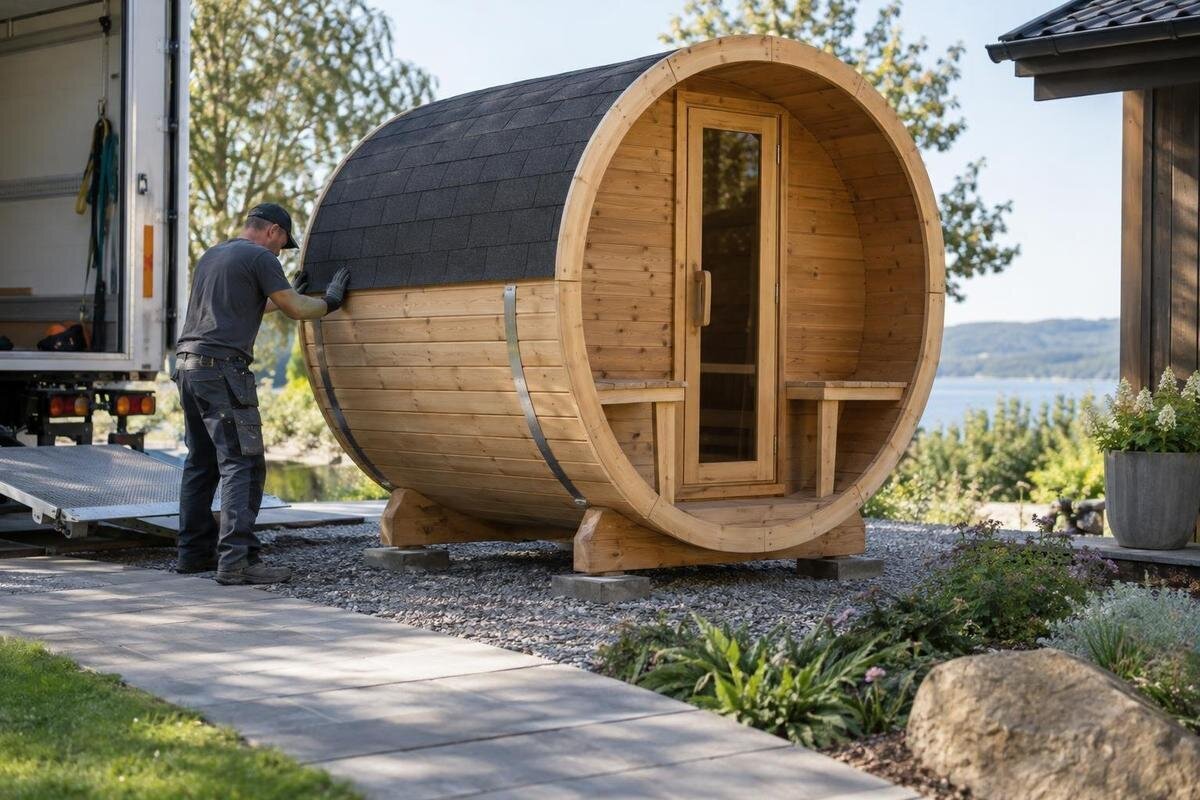
Ask for a written, itemised total for the exact sauna configuration, delivery point and intended site. The quote should identify the model and any included equipment. Separately list transport, unloading or access charges, site or base preparation, assembly, any electrical or other utility connection, and commissioning if offered. Ask the supplier to mark each item as included, excluded or not applicable. Note whether the quote includes applicable taxes and how long it remains valid. If you are considering the LCF-300 Thermowood Barrel Sauna, whose listing states an area of 6.89 m², use that model reference in the request. Have the supplier specify the heater, delivery and installation scope rather than inferring these from the product photograph.
Before comparing totals, align their scope: the same selected configuration, delivery location, site work and equipment, with remaining exclusions priced or marked as unknown. If access changes, a base or connection is needed, ask the relevant supplier or qualified contractor for a separate quote. Put that work in the initial project budget even if it is paid for after the sauna arrives. Keep quotes dated, since a future estimate assembled from figures gathered at different times can be misleading. If an item cannot yet be confirmed, show it as a blank or an estimate with a stated basis, not as zero. A complete project figure is more useful than a low headline price with an unclear list of exclusions.
How model choice affects the cost worksheet
An area figure can help distinguish catalogue entries, but it is not a substitute for dimensions, layout or a site check. The S-140 model listing states 1.93 m²; that does not establish how many people will find the interior comfortable, the space needed at the chosen site or the work involved in delivery and preparation. Request the drawing and instructions for the exact model and version, then check the footprint and access against the intended location. Ask the supplier or installer to confirm any site assumptions that affect the quote. This helps keep the five-year calculation attached to the model you actually plan to buy.
Decide on the configuration before settling the budget, because a different model or equipment package can change the purchase quote and may change operating requirements. Compare the written model details, included equipment and optional items, not area figures alone. Do not infer a heater’s fuel, rated input or running cost from square metres; those details need to come from the technical documentation for the chosen configuration. If the model is not fixed, keep the purchase line provisional and calculate separate running-cost scenarios. That way, changing the model later does not leave a five-year total based on outdated assumptions.
03
Energy and fuel costs across five years
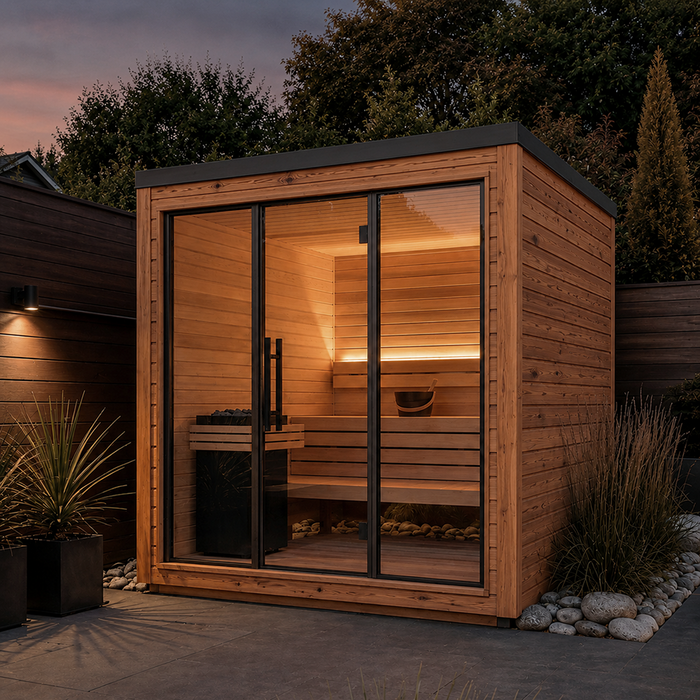
Build the energy line from representative use, rather than multiplying a heater’s rated input by every hour of a session. For an electric setup, obtain suitable consumption data in kWh for a complete session, including preheating and the period the system is running during use. Multiply kWh per session by the planned session count, then apply the unit rate that actually applies to your supply. Include a tariff-specific charge only if it genuinely affects the cost of that use. A suitable meter or energy monitor, or reliable consumption information for the exact setup, can provide a better input than a rating alone. Mark any figure you cannot yet measure as an estimate.
For a wood-fired setup, use the amount of fuel actually consumed per session and the price paid in the same unit of measure. Do not assume wood is cheaper: use your own records or a supplier quote for quantity and cost. When costing a model such as the HC-150 sauna, listed at 2.97 m², record the exact heating equipment alongside it; area alone does not determine consumption. Use the operating information for that configuration. Record each year separately if session numbers, tariffs or fuel prices may change, then add the annual amounts for the five-year total. An average is useful only when its basis and the period it represents are clear.
Routine care, cleaning and consumables
Care costs can be easy to miss because they are spread across purchases and sessions. Check the instructions for the chosen model for permitted cleaning methods, materials and replaceable items. Budget only for supplies that are required or that you choose to use, and note whether they are bought solely for the sauna or shared with other household tasks. Do not assign a generic annual treatment, finish, oil or cleaning chemical to every model, and do not assume a part has to be replaced on a fixed timetable without documentation. A line based on the care instructions and actual receipts is more useful than a broad guess.
Ask for care information using the exact model and version being quoted. For the HC-225 Thermowood Barrel Sauna, listed at 4.4 m², this means obtaining the relevant cleaning guidance and identifying which supplies, if any, come with the package. Record separately anything you will need to buy. In your accounts, distinguish ordinary cleaning supplies from repairs and professional work so that occasional purchases do not obscure the cost of regular care. Supplies may be used up gradually, while a repair can be a single expense with different timing and cost. Keeping receipts together makes it easier to replace estimates with your own spending and see which purchases are likely to recur.
04
Servicing based on model-specific instructions
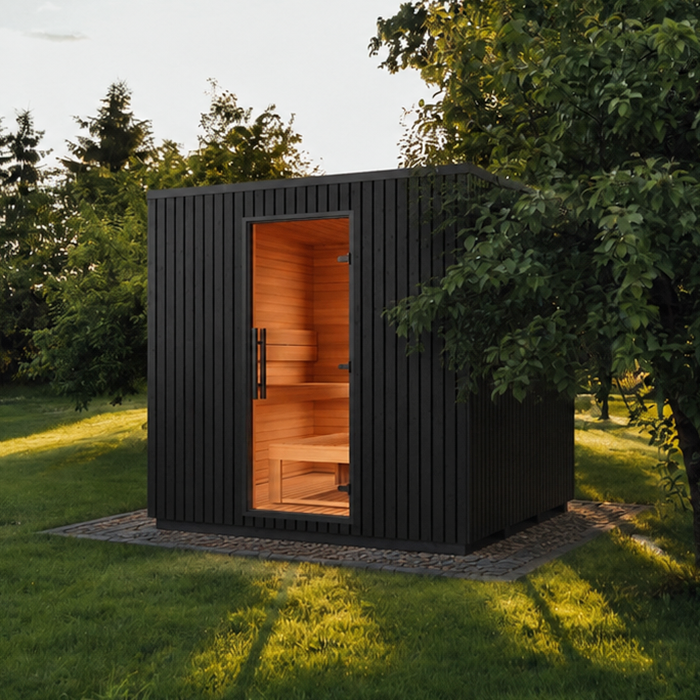
Use the manufacturer’s instructions and advice from the supplier or a qualified service provider to set servicing assumptions. Do not assign a universal annual interval or fee. Ask which checks are part of routine owner care, which tasks need a professional, what triggers a visit and whether the answer changes with the heating system or intensity of use. For work involving the heater, controls or utility connection, obtain a suitable professional’s quote rather than treating it as a do-it-yourself repair. If your chosen model is the N-210 outdoor sauna, listed at 4.43 m², name it and the selected equipment when requesting service advice so the response covers the configuration you are costing.
Turn confirmed advice into dated entries for the five-year period: any initial service if quoted, scheduled visits that fall within those years, and call-outs that have actually occurred. If no visit is specified for a year, do not invent a scheduled charge; keep a separate contingency rather than assuming repairs are impossible. Ask what the service price covers, including any call-out or parts charge if applicable. If a future rate is not available, label the amount as an estimate and state whether you have held the current rate constant. This keeps servicing visible as a distinct cost instead of hiding an unverified allowance inside one large total.
Outdoor upkeep and repair contingencies
Outdoor exposure makes the chosen model’s care instructions relevant, but it does not justify assuming a particular coating interval or service life. Ask about external surfaces and other site-related care for the exact configuration. For example, when considering the N-250 sauna model, listed at 5.27 m², obtain its upkeep guidance rather than judging durability or weather resistance from its name or area. Use that guidance to identify any planned maintenance costs instead of applying a generic treatment schedule. Keep a record of the delivered unit and the site condition, and photograph any issue before seeking advice. This gives the supplier useful context when you ask whether work is needed.
Keep routine upkeep and unexpected work in separate lines. Routine upkeep covers care stated in the instructions; a repair reserve covers an unplanned part, professional call-out or damage. A replacement reserve is only needed if documented information or your own risk plan supports it. No service life is supplied here, so do not enter a scheduled full replacement as a fact. Instead, show a baseline that assumes no major replacement and a separate stress case with an allowance chosen from contractor estimates or your own budget. If the stress case would change your decision, seek a more specific assessment or quote. This shows uncertainty without presenting a speculative repair as a guaranteed cost.
05
A year-by-year cost ledger
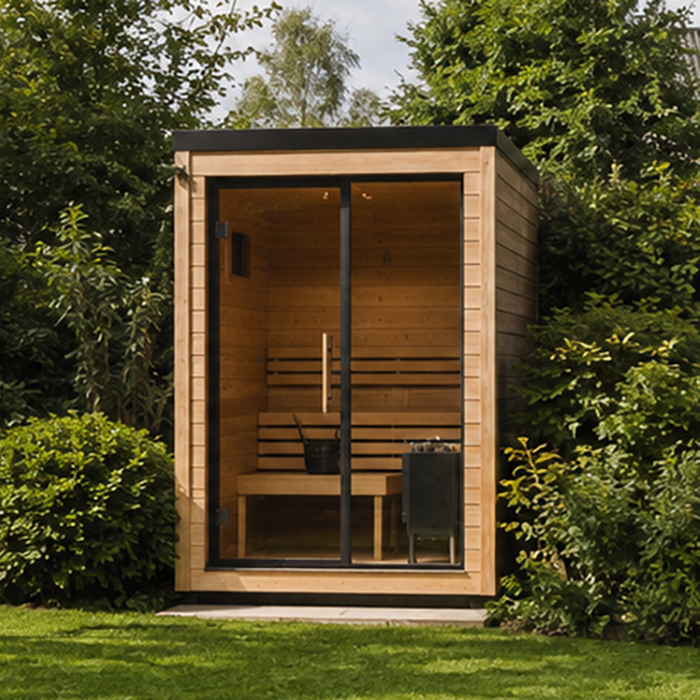
Create five columns, one for each year, and a separate column for the one-off project. Put the purchase and installation total in the project column only; enter energy or fuel, care supplies, planned service, maintenance and repairs in the year you expect to pay. Label the worksheet with the chosen model and configuration. If you select the LC-260 Thermowood Barrel Sauna, listed at 5.12 m², use that reference to match the worksheet to its quote and record the price actually quoted. Do not spread the purchase across years unless you are deliberately showing financing cash flow. For ownership cost, record the purchase once and show financing charges separately.
At the end of each year, replace forecasts with receipts, invoices and actual consumption records, then update the remaining years. Keep the original estimate for comparison and make a revised version if use or prices change. Sessions may rise or fall, and a future energy rate or service quote may differ from the first estimate; do not describe those changes as a difference in product price. If use is seasonal, allocate sessions to the months or years in which they are expected rather than smoothing them across the calendar. Timing matters for cash flow even when the five-year sum is unchanged. Reviewing the ledger each year is a budgeting step, not a claim about how often the sauna needs maintenance.
Stress-testing the five-year budget
Test the assumptions that could materially change the total. Recalculate the example with a different number of weekly sessions, using the same consumption per session and energy or fuel rate to isolate the effect of frequency. Then test changes in those other inputs separately. For excluded delivery, site work or connection costs, request a line-item quote from the relevant supplier or qualified contractor rather than applying an arbitrary percentage. If you are budgeting for the HCF-300 sauna, listed at 6.89 m², keep its configuration and project scope consistent across the scenarios. This lets you see which assumptions account for the difference between the totals.
Label the results as a base estimate and a higher-cost contingency case, not as a guaranteed bill. The base can use written project costs, the stated 520-session pattern, observed energy or fuel use, documented routine care and confirmed service terms. In the contingency case, vary identified uncertainties, such as changed use, unquoted installation work, higher future energy costs or a repair allowance. Mark which figures are quoted, measured or still assumed. If an unknown item could materially affect the decision, obtain a suitable quote instead of disguising it as zero. The result is a clearer view of what you know and what could still change over five years.
Frequently asked questions
Does the purchase quote show the five-year cost?
No. It covers only the items included in that quote. Add five years of energy or fuel, routine care, any model-specific servicing, and a repair allowance to build the ownership estimate. Keep the initial project as a separate, one-off amount.
How many sessions should I use in the forecast?
Use the schedule you genuinely expect. This article’s example assumes two sessions a week, or 520 over five years if that pattern continues. Adjust the number for seasonal use, holidays or a household routine that is likely to change.
Can I estimate electricity from the heater rating?
A rated input is not the same as measured consumption throughout a session. Use suitable consumption data for the complete session, including warm-up, and the unit rate that applies to your supply. Mark any unmeasured figure as an estimate.
How often will the sauna need professional servicing?
There is no interval or charge to assume for every model. Ask for the instructions and service advice for the exact configuration, then budget for visits only where the manufacturer or service provider confirms they apply.
Should I include a full replacement in the budget?
Do not schedule one as a fact without supporting information about the chosen model. Keep the base estimate clear about whether it assumes no major replacement, and add a separate contingency or higher-cost scenario if you want to test that risk.
A useful five-year budget makes the known costs, working assumptions and open questions visible. Keep the installed project as a one-off amount, use a session pattern that reflects your household, and build the running-cost lines from actual consumption, bills, care instructions and service quotes. Record repairs separately from routine upkeep and revisit the forecast as real costs come in. The final figure belongs to one model, one site and one pattern of use; it is not a universal price for owning an outdoor sauna.
