
How Much Maintenance Does an Outdoor Sauna Really Need?
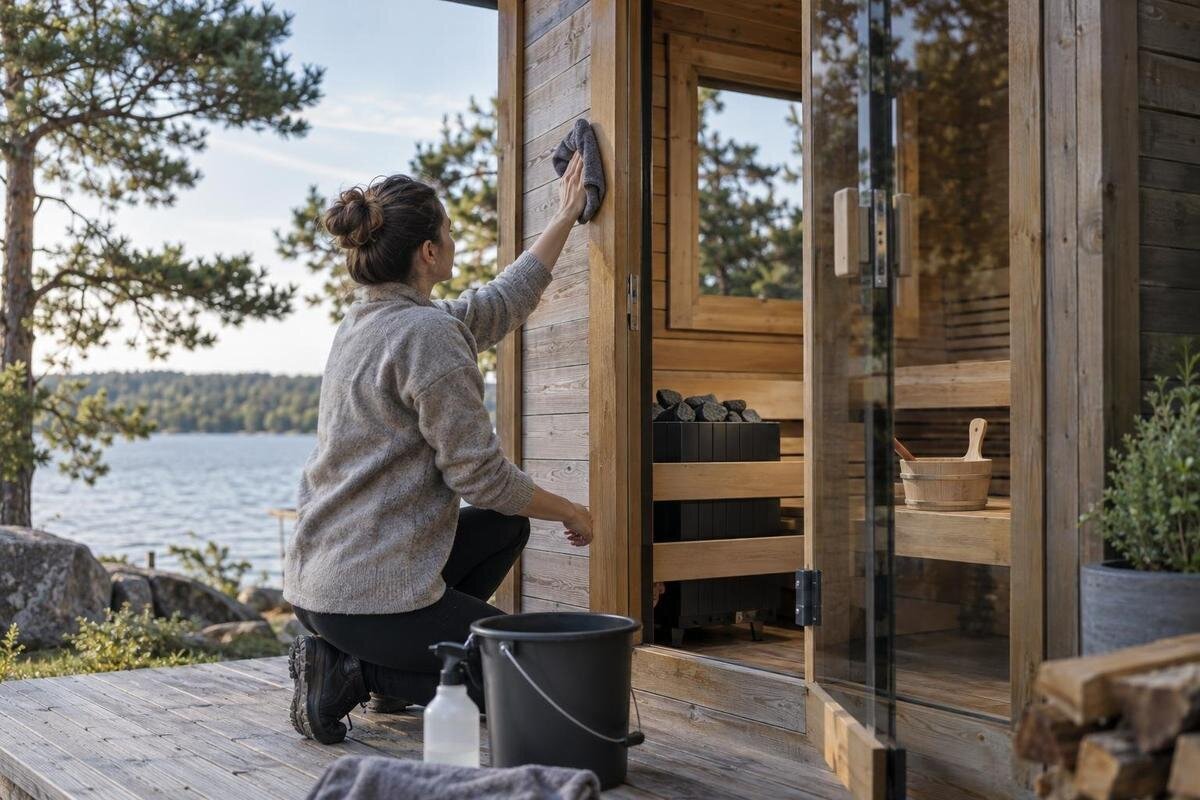
Outdoor sauna care
An outdoor sauna is not maintenance-free, but the work is easier to judge when it is divided into interior cleaning, drying, exterior checks, equipment care and upkeep around the site. The amount depends on the selected surfaces and finish, heating system, frequency of use and exposure to weather and debris. Those details vary by configuration, so a general checklist can explain the categories but cannot set approved cleaners or service intervals. The manufacturer’s instructions for the exact sauna are what turn broad expectations into a realistic owner routine.

What outdoor sauna maintenance includes
An outdoor sauna involves several types of maintenance rather than one universal routine. Everyday care means cleaning the interior and allowing it to dry; periodic care includes checking weather-exposed surfaces and the site; equipment maintenance follows the heater’s own instructions. Some tasks are brief, but overlooking a leak or a deteriorating finish can allow a problem to develop before it is addressed. The workload depends on how often the sauna is used, its surfaces and fittings, and how exposed its position is. “Outdoor” describes where it is intended to sit, not how little care it needs. A sheltered position may reduce some exposure, but it does not remove the need to care for the materials and equipment.
Separate owner care from work that needs expertise. Owners can usually remove debris, clean surfaces as directed, keep access clear and note visible changes. Coatings, replacement parts and heating equipment may have product-specific requirements; electrical, combustion and structural concerns call for the relevant qualified professional. The instructions for the supplied configuration define that boundary, rather than a timetable copied from another sauna. If you are considering Thermowood Barrel Sauna S-140, ask which cleaning, exterior care and servicing tasks belong to the owner. This gives you a useful overview of the care involved before you compare individual tasks in detail.
Cleaning the interior
After a session, the routine interior clean is usually the most visible part of ownership. Once the space is cool and safe to handle, take out towels and loose debris, then wipe up visible water or spills. Clean benches, walls and floor only in the way permitted by the instructions: a light wipe is different from soaking surfaces. If the design includes removable parts, do not assume they should be lifted or washed; check whether and how the manufacturer allows that. Leaving grit, hair or residue to accumulate makes later cleaning more involved. Concentrate on areas where water or dirt actually collects rather than scrubbing every surface aggressively; a soft cloth may be preferable to an abrasive pad if the manual allows it.
Use only products the manufacturer allows on the exact interior surfaces, and rinse or dry them only as directed. Household detergents, fragranced sprays, abrasives and finishes may leave residue or affect a surface, so do not introduce them just because they work elsewhere in the house. Keep exterior treatments out of the heated room unless the instructions expressly say otherwise. When considering Thermowood Barrel Sauna HC-150, ask which cleaners and methods are permitted for each interior surface, including any parts that need separate care. Knowing what not to use is as important as knowing how to carry out the routine clean.
Drying and managing moisture
Drying matters because repeated dampness can lead to lingering odours, marks or deterioration, and it can also make a sauna less pleasant to prepare for the next use. After cleaning, remove standing water and allow surfaces to dry in the way the design permits. Remove wet towels and other damp items rather than leaving them inside. Use vents as specified and do not block them with stored belongings. Whether to leave a door or window open, for how long, and which vents may be adjusted depends on the product; a routine suited to one model may not suit another. Do not change the ventilation arrangement to solve a problem without checking with the manufacturer.
Pay attention to recurring condensation, a damp patch that returns, soft or discoloured material, or a persistent musty smell. These clues do not by themselves diagnose a fault, but they are reasons to investigate whether water is entering, failing to drain or not drying out. Note where and when the sign appears, including whether it follows rain or use; do not hide it with perfume, paint or sealant. For Thermowood Barrel Sauna HC-225, ask how the specified ventilation should be used during drying. That answer helps you understand what you will need to do after cleaning, rather than treating drying as an unspecified final step.
Caring for exterior surfaces and finishes
Exterior surfaces face sun, rain, wind and airborne dirt, but the right care depends on the material and finish. If the outside is timber, its appearance may change as it weathers; a coating may also have its own maintenance requirements. What is normal depends on the species, treatment, coating and design. Do not treat every colour change as damage, but do not assume it is harmless either. Compare what you see with the product’s care guidance and ask the manufacturer about a change that spreads, exposes an unfinished area or appears with water ingress. A dated photo can help show whether a change is stable or developing.
Before applying oil, stain, paint or another treatment, establish which surfaces are meant to receive it, what preparation is allowed and which product is compatible. A treatment intended for an exterior face may be unsuitable inside a heated room, and some surfaces may not need an added coating at all. When comparing Thermowood Barrel Sauna N-210, clarify the supplied exterior finish and whether different parts have separate care requirements. Ask what condition should prompt treatment as well as what the work involves. This is more useful for estimating effort than assuming that a material name or photograph establishes a treatment schedule.

Checking the sauna after weather and wear
An outdoor unit also benefits from a safe visual check of the parts that keep weather out and allow it to work as intended. Look for changes described in the manual around roofing or other weather-shedding parts, visible joints, the door and frame, hardware, and the ground next to it. Water trails, a panel that has shifted, a door that suddenly binds, or hardware that appears loose merit follow-up rather than a quick cosmetic fix. Check from a stable place at ground level where possible; do not climb onto the structure, remove panels or tighten parts by guesswork. A visual check is not an assessment of structural safety, and a professional can assess concerns.
Leaves, dust and branches can block access or hold dampness against exposed surfaces, so clearing the area is simple but meaningful upkeep. After unusually wet or windy weather, or when you notice a new mark, look from a safe position for visible damage and consult the relevant instructions. No generic inspection interval applies to every build; combine the manual’s schedule with attention to changes you observe. If you are considering Thermowood Barrel Sauna N-250, ask which exterior parts need checking and how to view them safely. Clarify which observations fall within normal owner care and which concerns should be passed to an installer rather than tackled yourself.
Heater and equipment care
Heating equipment has its own maintenance requirements, and the workload depends on the actual heater and fuel arrangement. Confirm what is supplied and which instructions govern it. Keep user-accessible areas free of stored belongings and follow the manufacturer’s operating, shutdown and cleaning directions. Do not open electrical enclosures, alter wiring or dismantle a heater to investigate, and do not assume you can clean around equipment while it is in use. If a control behaves unexpectedly, a cable or component is damaged, or the equipment needs adjustment, contact the seller, manufacturer or an appropriately qualified service professional. A general cleaning checklist cannot replace equipment-specific directions, so clarify the owner tasks before first use.
Wood-fired arrangements, where present, raise different maintenance questions from electric units: owners need to know which cleaning tasks are permitted and who handles flue, chimney or combustion-related work. Do not assume a heater or chimney is included unless the selected configuration says so, and never transfer maintenance steps from one fuel type to another. When reviewing Thermowood Barrel Sauna LC-260, establish the heating equipment included in your proposed purchase before estimating its upkeep. Separate the care you are expected to carry out from servicing by a qualified professional, so equipment maintenance is not overlooked when judging the overall workload.
Keeping the surrounding site in good order
Some upkeep happens outside the cabin. Keep the immediate area accessible for cleaning and inspection; remove leaves, loose soil and other debris where they can collect against exposed surfaces, and keep nearby planting from obscuring parts that need checking. Pay attention to whether rainwater visibly gathers around the site and whether foot access stays usable. These observations help you spot problems early, but moving a base, changing supports or redirecting drainage can affect the installation. Follow the manufacturer’s installation instructions and ask the installer or a suitable professional before altering anything structural. The surrounding path and garden may need ordinary sweeping or clearing too.
Allow room around the sauna for maintenance when choosing its position: access to clean the exterior, inspect weather-exposed surfaces and reach equipment can make routine care simpler. Do not plant or store items where the instructions require clearance, and do not rely on a product photograph to show required access. If Thermowood Barrel Sauna HCF-300 is on your shortlist, use its installation documentation to discuss the proposed position with your installer, including any concerns about ground conditions or drainage. A dry, accessible place for care supplies can also make routine tasks easier, provided it does not obstruct the access needed for inspection or servicing.
How use and exposure affect maintenance
Use changes the amount of cleaning, but not every task scales in the same way. A sauna used frequently will usually need its interior cleaned more often simply because it sees more use; a unit used rarely still needs the post-use drying steps and attention to its exterior. Weather and surroundings also matter: direct sun, wind-driven rain, tree debris or a coastal position can change which surfaces need closer watching. These are reasons to consult the manual for the actual siting, not grounds for inventing a universal monthly or annual schedule. A protected position may reduce exposure, while heavy use may make interior cleaning the main recurring job.
A practical routine can combine regular tasks with checks prompted by particular events: after use, clean and dry as instructed; during manufacturer-recommended inspections, compare the condition with the manual; after disruptive weather, look safely for visible changes; and arrange servicing when due. Record the date, any issue and the action taken so a recurring mark is easier to describe. For Thermowood Barrel Sauna LCF-300, ask which maintenance timings apply to the selected configuration and its exposure. Keep those requirements distinct from extra checks prompted by something you notice, rather than borrowing another owner’s calendar or assuming every task needs the same frequency.
Estimating the workload before you buy
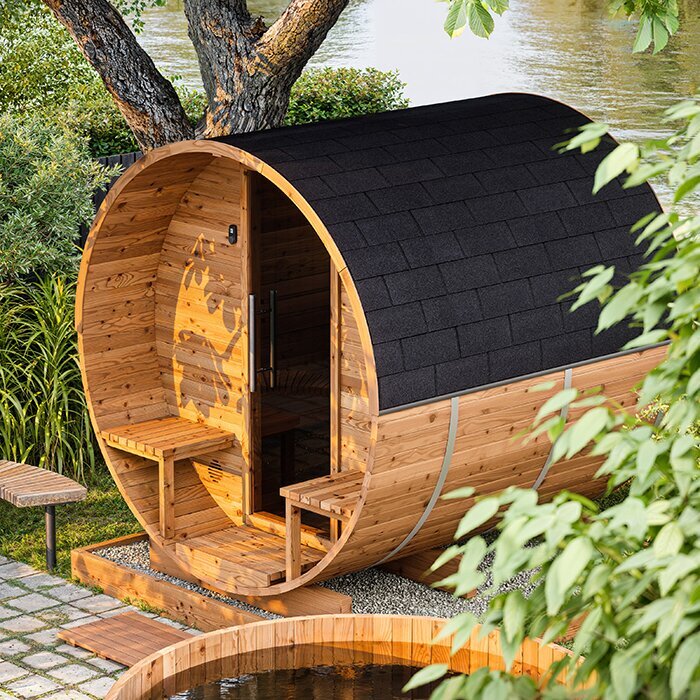
Before purchase, ask for care and maintenance instructions for the exact model and configuration being offered. Identify the interior and exterior surfaces, any supplied finish, approved cleaning products, ventilation guidance, weather-exposed components and heater type. Ask which jobs are routine owner care, which require a particular treatment, and which are assigned to a qualified professional. Check what the documentation says about drying and what signs should prompt a service call. If the manual is not available, request a clear written summary and the relevant manufacturer document for the selected product rather than accepting a generic answer about outdoor saunas.
Then translate the answers into effort you can judge: how many cleaning steps follow normal use, what must be checked visually, whether any surface needs a prescribed treatment, and whether specialist servicing applies. Consider reach and access too; a task may be simple but awkward if the unit is crowded by a fence or planting. Ask how to obtain replacement consumables or service support, without assuming a particular service interval or included item. A seller’s response should identify the model and configuration it refers to, so you do not confuse advice for another version with your own. This makes the care commitment more comparable than headline material names or images alone.
When to contact the manufacturer or a professional
Routine care is not the right response to every change. Persistent water ingress, a soft area, a widening crack, a component that has come loose, a door that no longer closes as intended, or a continuing damp smell merits advice from the manufacturer or installer. A visible mark may have several causes, and sanding, filling or repainting over it can make it harder to assess. Describe the location, when it appeared, and whether it changes after rain or use. If the concern involves a heater, controls, wiring or fuel system, leave the technical inspection to an appropriately qualified professional.
Keep the instruction booklet, model and configuration details, purchase records, and notes from any service together. Photos taken from the same viewpoint can help you tell whether a stain, gap or finish change is stable or progressing; they are a record, not a diagnosis. Follow any instruction to stop using equipment while a fault is assessed, and do not test a suspect electrical or combustion part yourself. A clear record makes it easier to explain what you have noticed to the manufacturer, installer or service professional and keeps routine upkeep separate from repair work.
Frequently asked questions
Is an outdoor sauna maintenance-free?
No. It still needs cleaning, drying and attention to exposed surfaces, equipment and the surrounding site. The amount of work depends on use, weather exposure and the selected materials and heater. Treat low-maintenance descriptions as something to clarify, not as a promise that no care is needed.
How often should I treat the exterior?
There is no single interval for every surface and finish. Follow the instructions for the exact product and ask what signs or conditions call for treatment. Avoid applying oil, stain or sealant simply because another sauna owner does.
Can I use ordinary household cleaners?
Only if the manufacturer confirms they are suitable for the surfaces in your sauna. Some products may leave residue or affect a finish. Follow the specified cleaning and rinsing method, and ask before using a product that is not mentioned in the instructions.
Does the heater need professional servicing?
That depends on the heater, its instructions and its condition. Routine owner care does not mean opening electrical parts, changing wiring or undertaking technical work on a fuel system or flue. Use a qualified professional for faults or work beyond the stated owner tasks.
What maintenance does occasional use require?
Infrequent use may mean less interior cleaning, but it does not remove the need to dry the sauna after use or watch its outdoor surfaces. Follow the manufacturer's shutdown and return-to-use instructions, and check for visible signs of moisture or damage after a long period of disuse.
A realistic expectation is regular cleaning and drying, attention to weather-exposed surfaces, and heater care that matches the equipment supplied. Some owner routines are straightforward, while finish treatments and technical servicing depend on the manufacturer’s guidance and the actual installation. Once those tasks are clear, you can judge the workload against how often you plan to use the sauna and how exposed its site is, without relying on a maintenance-free claim or a timetable borrowed from another model.
