
Outdoor Sauna Costs: Budget for the Whole Project
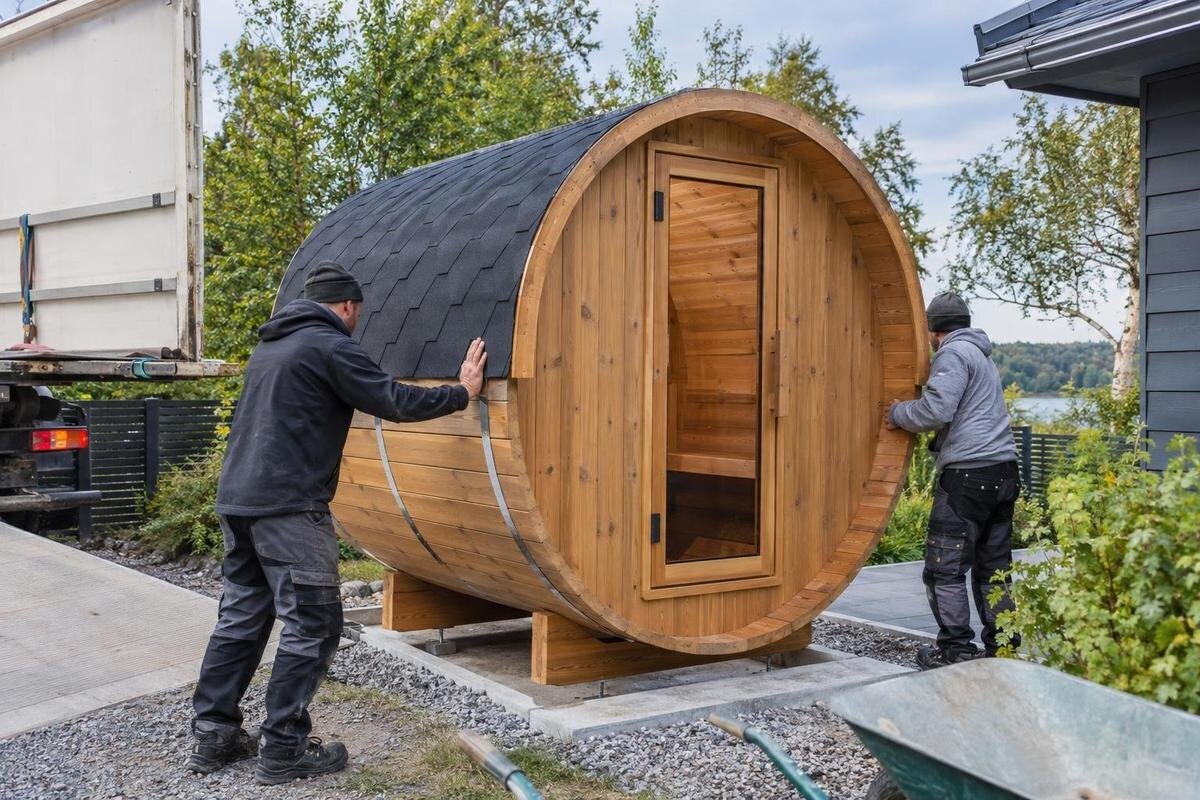
Outdoor sauna planning
An outdoor sauna quotation can cover anything from a cabin package to a fully installed setup, so the headline price alone does not tell you what the project will cost. To budget accurately in Malta, define the cabin and heater, then price the base, ground preparation, services, delivery and assembly against the same site details. Request current local quotations and ask suppliers to show what is included, what is excluded, whether amounts are firm or provisional, and how VAT is treated. Keep energy or fuel and other costs after handover in a separate operating budget.
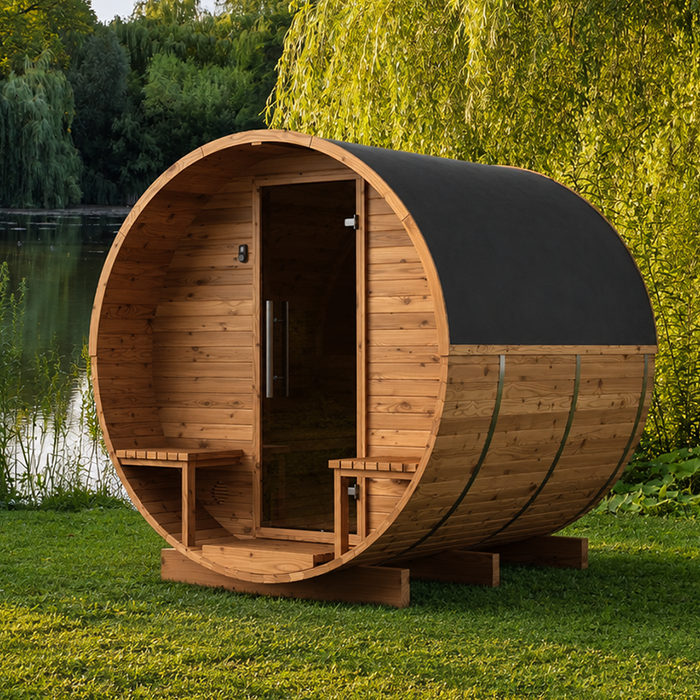
Define the project before asking for prices
Describe the finished setup you are pricing: where it will stand, whether you have a particular cabin and heater type in mind, who is expected to use it at one time, and whether the intended result is a delivered kit, an assembled cabin or a connected, ready-to-use installation. These are not minor details: one supplier may quote only the product while another includes work on site. Record the site address, access conditions, preferred configuration and any choices still undecided. A shared brief gives suppliers a fair basis for pricing and makes missing work easier to spot.
Set the budget boundary as one-off expenditure up to a clearly defined handover point. Include the cabin, selected heater, base and groundworks, site services, delivery, unloading, placement, assembly and commissioning where applicable. Decide whether landscaping, paths, screens, external lighting or other surrounding works are part of the project or deliberately left out. Separate fixed choices from open decisions, such as heater type or optional items; ask for alternatives as separate quote versions rather than a blended figure. If Sauna N-250 is on your shortlist, put that exact model on each request and ask what configuration is being priced; the name alone does not define the contents of an installation offer.
Check what the cabin price includes
Treat the cabin price as the cost of a package whose contents need checking, not as a shortcut to a complete total. Ask for an itemised list of parts and mark each as included, optional or excluded. Depending on the chosen configuration, points to confirm may include the cabin structure, benches, floor, door and fittings, roof covering, assembly materials and any accessories shown separately. A product photograph, heading or set of dimensions does not establish what the price includes. Where Sauna LC-260 is being priced, request a written, model-specific list rather than inferring from its name whether the heater, controls or assembly are included.
Check which costs sit outside the cabin line. A quote may separate packing, unloading, delivery to the plot, assembly, fixing or finishing, while another may combine some of them; only the written scope tells you what you are paying for. Ask whether the price covers your selected options and any components identified by the supplier, and whether VAT or other charges are included or added. Keep optional items distinct from the required project total, so extras do not obscure essential work. For each option, note whether choosing it changes delivery or fitting charges. Record any substitution before accepting a revised amount.
Budget for the heater and specialist installation
Price the heater as a specified part of the system. Ask the sauna supplier to name the proposed heater, controls and any components supplied with it, and to confirm in writing that the selection is appropriate for the particular cabin under the manufacturer’s documentation. Do not pick a heater from a rough area estimate or assume every cabin package includes one. For a quote involving Sauna HCF-300, ask the seller to identify the exact heater configuration and check it against the model documentation; the model name itself does not establish what is compatible or included. If you are deciding between electric and wood-fired heating, request separate, comparable packages.
The heater purchase and the work needed to install it are different budget lines. For an electric choice, give a qualified electrician the exact heater information and site plan, and request a quote for assessing and completing the required connection, including related site work the electrician identifies. For a wood-fired choice, ask the supplier and qualified installer to price the compatible flue or chimney and any associated construction or protection specified in the manufacturer’s instructions and applicable local requirements. Do not estimate these items yourself. List specialist labour, parts and any testing or commissioning separately. If another contractor will provide an excluded component or task, name that contractor and the point where responsibility passes to them.
Get the base and groundworks quoted for the site
The base needs its own quote because it depends on the sauna maker’s requirements and the actual plot, not simply the advertised cabin price. Request the relevant installation drawing and manual for the precise model, then pass them to a builder or other qualified site professional. Ask whether a visit is needed to assess the existing surface, levels, soil or drainage, and what preparation and support the chosen product requires. If Sauna LCF-300 is the model you are pricing, use its exact reference when requesting those documents; do not ask a contractor to design from a name or photograph alone. Do not assume one base type or set of dimensions will suit every site.
Ask the contractor to break the work into survey, clearing, levelling or excavation where needed, construction of the specified base, removal of spoil, access for machinery and reinstatement of disturbed areas. Show paths, steps, a platform or other landscaping as separate optional lines if you want them, rather than folding them into the sauna base without explanation. Ask the responsible professional to address drainage or surface-water work only where the site design calls for it. Clarify whether the amount is firm after inspection or provisional pending ground conditions. The budget should show the defined work and any unresolved assumptions, using the requirements in the supplied documents rather than a guess.
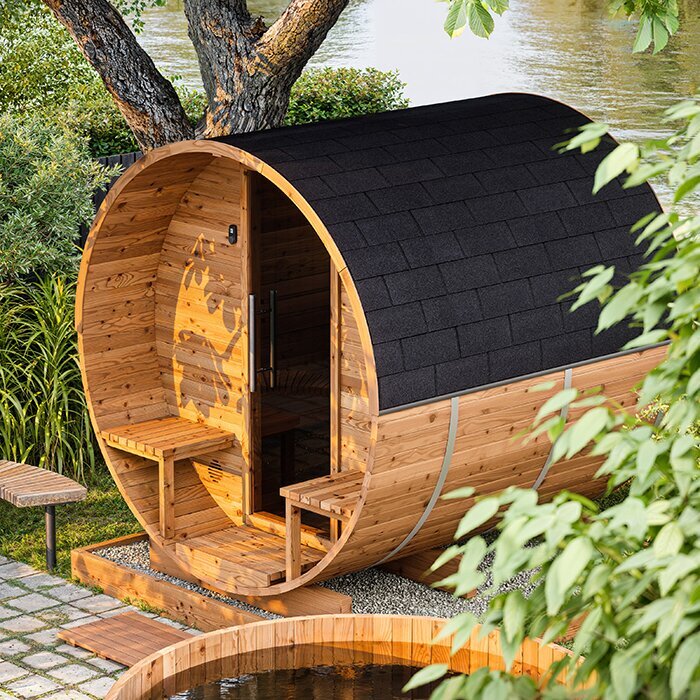
Price delivery, unloading and final placement
Delivery is not always the same as getting the sauna into its final position. Give the supplier the full address and accurate information about the route from the vehicle’s stopping point to the proposed site: access width and turns, gates, steps, overhead obstructions, distance and changes in level. Ask the delivery company what details it needs and whether a visit or site assessment is necessary; do not assume a standard vehicle or carrying team will be enough. For a named item such as Sauna S-140, ask for the manufacturer’s handling information and have the carrier confirm the unloading arrangement for that package.
Get separate written answers on transport to the property, unloading, movement to the prepared base, placement and packaging removal. If lifting equipment, extra labour, waiting time, restricted access or a return visit could change the charge, ask the supplier to state the conditions and quote any known requirement separately. Confirm who organises and pays for each element, and whether the delivery price assumes a clear route and completed base. If access is not yet confirmed, mark the relevant amount as provisional rather than fixed. A site sketch and photographs can help the carrier identify questions, but they do not replace a professional assessment when one is needed. Also confirm whether the cabin and heater arrive together or through separate suppliers.
Clarify assembly and commissioning
Ask what “installation” means in each quote. It might describe cabin assembly only, or include positioning, fitting specified components, finishing and handover; the label is too broad to compare on its own. Have the installer list each task, what must be ready before the crew arrives, and any materials or equipment included. Use the exact product reference, such as Sauna HC-150, and ask the installer to describe the work priced for that model rather than relying on a generic installation allowance. Keep assembly separate from base construction, electrical connection and other specialist services unless the supplier explicitly confirms those items are included.
Clarify whether setup includes checking the completed work against the supplied instructions, any commissioning required by the manufacturer, a basic operating handover and relevant documentation. Ask who removes packaging and offcuts, who makes good any surface disturbed by assembly, and who returns if an agreed task cannot be completed because the site was not ready. These details define the service being offered; they do not mean every cabin requires the same procedure. Have each contractor name its exclusions, prerequisites and the person coordinating with other trades. Agree which tasks need to be completed before the next trade begins. This helps avoid paying twice for a task or finding that a crucial connection sits outside the installation amount.
Price electrical and other site services separately
Connections should be priced from the selected equipment and site, not from a generic allowance. If an electric heater, controls or optional lighting form part of the plan, send the exact equipment information and proposed location to a qualified electrician for an assessment and written scope. Ask whether the quote includes only connection or also work needed to bring services to the sauna, such as route preparation and making good; the professional should identify requirements from the instructions and site. Include the cabin reference—for example, Sauna HC-225—to keep the request specific, but do not treat the product name alone as evidence of what electrical work is required.
Include water, drainage or other utilities only if your chosen layout calls for them. A sauna cabin does not automatically mean a shower, sink or external tap is part of the project; if you want one, quote its supply, route, connection and finishing separately with the relevant qualified trade. Ask each provider to distinguish a fixed price from work dependent on a site survey, and identify who will obtain any necessary information from the cabin and heater suppliers. If a service route needs excavation or surface repairs, assign that task clearly to one contractor and record who makes good the area. Keep every service cost in the one-off project sheet.
Build an itemised total and compare quotations
Build one comparison sheet with a row for each part of the job: cabin supply, heater and controls, base and ground preparation, connections, delivery, unloading and placement, assembly, specialist installation, any lifting equipment, options, taxes and contingency. For every line, record the company, quote date, whether it is included or excluded, and whether the figure is fixed, estimated or provisional. If Sauna N-210 is the cabin being considered, use the same model reference and configuration in every offer. Compare matching scopes, not just similar labels: one contractor’s “installation” may cover fewer tasks than another’s. Attach each written quotation and note any decision still awaiting confirmation.
Calculate a subtotal for confirmed one-off work, add separately identified provisional sums and any contingency you have chosen, then show tax treatment and the total amount payable. Ask suppliers to state whether VAT is included, what charges are additional, how long the quotation remains valid and what payment milestones apply; do not fill gaps with assumed tax rates or old internet prices. Confirm whether an allowance is an estimate or a fixed amount and how a change would be approved and priced. When two quotes differ, ask each provider to explain the difference in scope, materials or assumptions. The aim is a defensible project figure, not a false sense of precision.
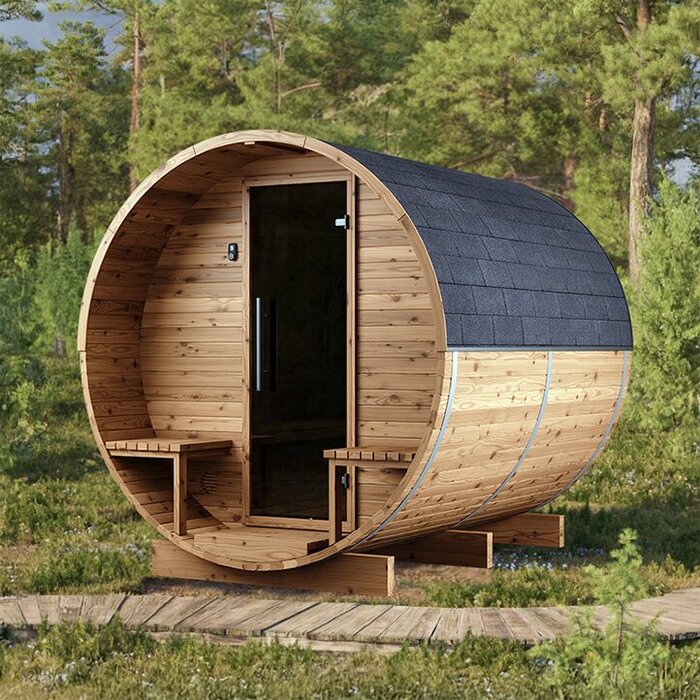
Keep uncertain work visible
An outdoor site can leave some work uncertain until it has been inspected. Mark those items openly, such as the condition of the intended base area or the route for services, and ask the relevant contractor what information would turn a provisional figure into a firm quote. A site visit can narrow uncertainty; it does not justify inventing an allowance. Keep contingency as a separate line based on the risks and unknowns identified for this project, rather than applying an unexplained percentage to the cabin alone. This makes clear which sums are for confirmed work, which remain unconfirmed and what reserve is available if the scope changes.
Agree a written process for changes before work begins. Identify who may approve extra work, how the contractor will explain its cost and effect on timing, and whether written approval is needed before the change proceeds. Record the assumptions behind each quote—for example, that the base is ready, the service route is accessible or delivery can reach the agreed point—and ask what happens if an assumption proves wrong. Keep quoted work, provisional sums and contingency separate so an uncertain task is not counted twice. Revisit the total whenever the cabin, heater or site plan changes, rather than carrying an obsolete figure into a new configuration.
Separate project costs from future running costs
Keep the project budget separate from what it costs to use the sauna later. The one-off figure ends at the agreed installation or handover point; electricity or fuel, cleaning supplies, routine upkeep and replacement items belong in a recurring-cost plan. Those expenses depend on the selected equipment, how often it is used, local energy or fuel prices and maintenance advice for the particular product, so they cannot be reliably inferred from the cabin’s purchase figure. If affordability over time matters, prepare a second calculation using current tariffs, fuel prices and expected use. Do not hide future expenses inside the installation line or treat them as part of a supplier’s one-time quote.
Use the two budgets to distinguish the initial purchase from later spending on the same item. For example, accessories bought with the cabin belong in the project total, while their eventual replacements belong in the running-cost plan. If you postpone optional surrounding works, keep them listed separately rather than treating them as either completed installation work or routine upkeep. This preserves a clear account of what the initial commitment covers. When revising the budget, record whether a change affects the amount needed before handover, future expenditure or both. You can then assess the cost of getting the sauna installed without losing sight of the costs that follow.
Frequently asked questions
Can I use the cabin’s advertised price as the project budget?
Not on its own. The price may cover cabin supply only, with the heater, base, ground preparation, services, delivery and installation quoted separately. Ask for a written list of inclusions and exclusions, then add current local quotations for the work outside the package.
Does “installation included” mean the heater will be connected?
Not necessarily. Ask the supplier to define installation task by task and state whether the heater connection is included. Have a qualified electrician assess and quote the electrical work for the selected heater and site.
What should I give a builder to quote for the base?
Provide the exact sauna model and its relevant manufacturer drawings and instructions, along with the site address and information about the intended location. Ask whether the builder needs to visit and assess the site before confirming the scope and price.
How much should I allow for unexpected work?
There is no reliable percentage for every site. Ask contractors to identify what remains uncertain and why, then keep any provisional amounts and contingency separate from confirmed work. Review them if the site or configuration changes.
Do electricity or fuel belong in the installation total?
No. Treat future electricity or fuel, cleaning supplies and routine upkeep as recurring costs. Keep them in a separate operating budget so the one-off amount reflects the project up to the agreed installation or handover point.
The useful figure is the sum of the exact cabin and heater, a site-appropriate base, specialist services, delivery and agreed installation, with taxes and uncertain work clearly shown. Build it from current Maltese quotations based on one shared project brief. That makes the one-off commitment easier to understand, while keeping future running costs and unresolved site work visible rather than buried in a headline price.
