
When to Order an Outdoor Sauna: Plan the Timeline
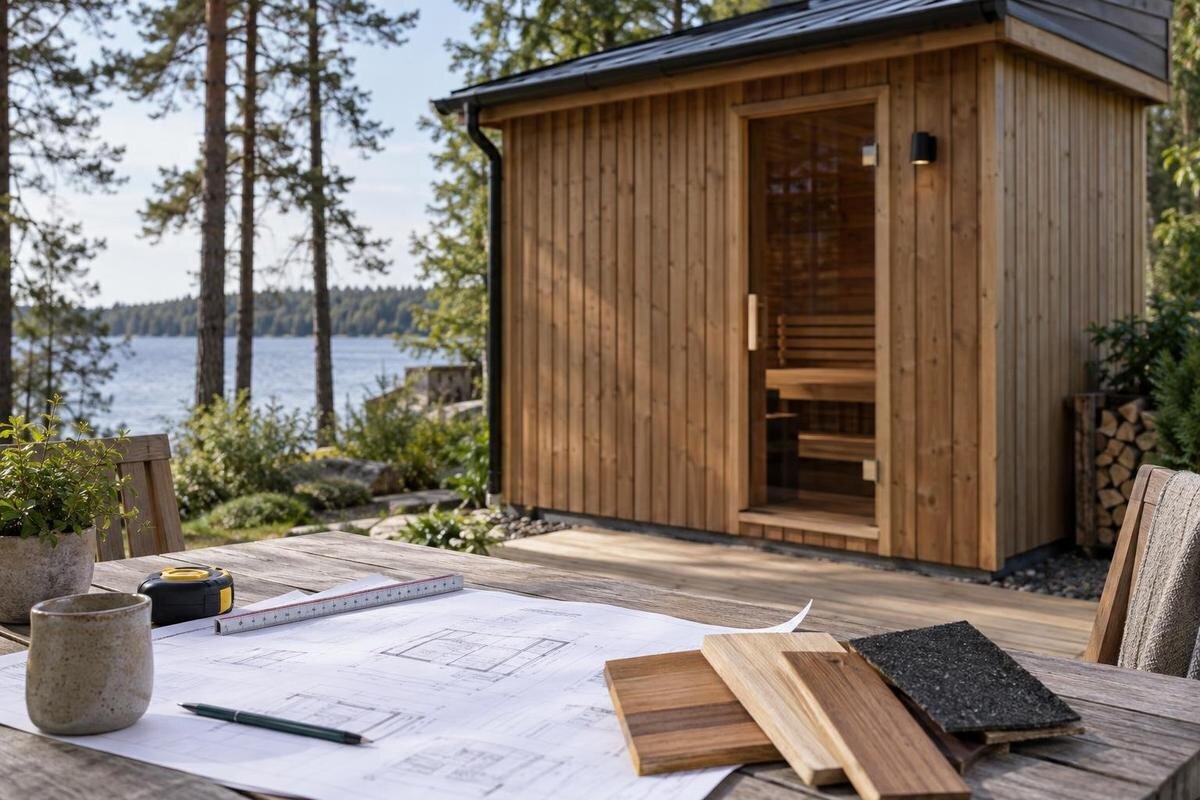
Outdoor sauna planning
An outdoor sauna project involves several dates that do not automatically line up: confirming the site, checking any approval requirements, preparing the base and services, manufacture, delivery, assembly and commissioning. The order date therefore depends on the first session you have in mind and on the longest unresolved dependency, not on a generic delivery estimate. Work backwards from a usable, commissioned sauna, then confirm each supplier and site milestone in writing. The plan below shows what to establish before you commit and what to revisit if a date changes.
Set a target date for first use
Choose the date when you want the sauna to be ready to use, not the day a vehicle is due to arrive. First use may depend on assembly, any required service connections, commissioning and an explanation of the operating instructions for the ordered setup. Decide whether you are aiming for a particular event or a flexible window. If guests or a celebration make the date fixed, set an internal completion deadline earlier than that date, leaving room to rearrange a delivery or trade appointment without missing your target. Write down what ready means: agreed work finished, required checks complete and the owner familiar with the chosen setup.
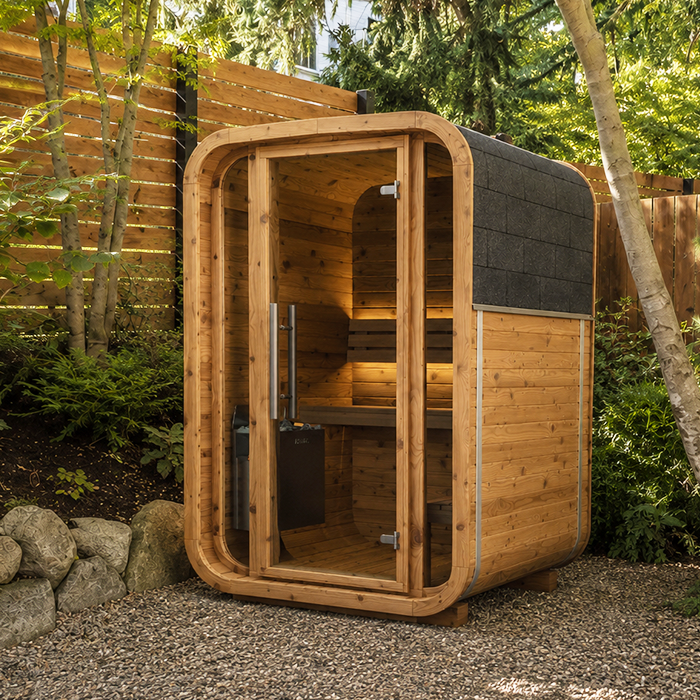
Put the sequence in a shared schedule with a target, an owner and evidence for every milestone. Mark which tasks depend on approvals, final drawings, a prepared site or another contractor; these dependencies determine the earliest realistic first-use date. Record the exact candidate model too: if the Sauna LCF-300 product listing is under consideration, use that model name in the tracker rather than a broad description such as barrel sauna. Ask the supplier to confirm current availability and lead time for that exact choice; a product page does not provide a delivery commitment. Keep a preferred date and a later fallback date visible.
Check permissions and property constraints early
Treat permissions and property restrictions as an early dependency, not a formality to sort out after booking delivery. Requirements can depend on the property, location and proposed work, so do not assume an outdoor sauna is exempt or that a neighbour’s consent is never needed. Ask the relevant local authority, property manager or a suitably qualified professional which approvals or constraints need checking for your specific site. Request a written response or reference you can retain, and record any conditions that affect the sauna’s position, access, timing or installation. A generic answer may not cover the details of your property.
Map the property-related constraints with the people responsible for them. Note boundaries, shared access, known routes for existing services, proposed service routes and any neighbour-facing considerations; have uncertain service locations checked rather than guessed. If the property is rented, jointly owned, managed or subject to another owner’s rules, obtain the necessary permission from the decision-maker before ordering. Keep permission evidence, professional notes and dated site plans together. Some checks may run in parallel, but a condition that changes the position or specification can require revised supplier drawings and affect the timetable.
Choose the exact model and configuration
Choose a model early enough to check its documentation, but do not select it by a headline area figure alone. Note how many people may use it at once, the seating arrangement you need and whether there must be room for changing or passing the entrance. Then request the manufacturer’s dimensions for the external outline, internal layout and door opening, along with any clearances identified for that model. The Thermowood Barrel Sauna S-140 listing gives 1.93 m²; check what the figure represents and obtain the dimensions needed for your plan. A single area value does not establish seating capacity or space around the unit.
Record the configuration as well as the model. Confirm the selected heating arrangement, controls and any accessories, if applicable, and establish what the supplier’s package actually includes. These choices may affect the required services, documentation and order, so get the options and exclusions in writing before requesting a final lead time. Ask which drawing and installation instructions apply to the exact combination, and whether production depends on your approval of a drawing. After that point, treat a change as a fresh check of site, services and schedule, not simply as a note added to the order.
Assess the site before arranging groundwork
Measure the proposed position and the route to it before settling the site plan. Check boundaries, gates, turns, overhead obstructions and the space needed to reach and use the entrance. Ask for the manufacturer’s external dimensions and any installation clearances rather than estimating from a photograph. The Sauna HC-150 product details give 2.97 m², but a listed area is not enough to set out a base or assess access. Have the installer or a suitably qualified professional confirm which measurements and clearances matter for the chosen model and the actual location.
Ground preparation should follow advice for the specific sauna, site and installation method; there is no universal base prescription. Ask for the applicable support or base requirements and have a qualified local professional assess the ground, levels and any drainage or retaining work that may be relevant. Map service routes and agree who will specify, install and inspect them. Give each contractor the agreed site plan so that their work is coordinated with the proposed sauna position and access route. Record who is responsible for each task, when it can begin and what information they need before providing a completion date.
Ask for a current, itemised lead time
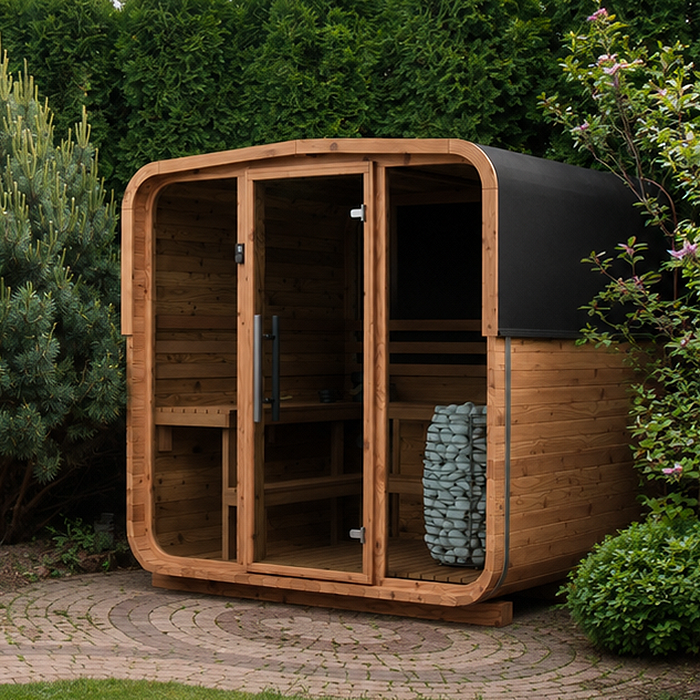
Request a current estimate for the exact model and configuration, rather than relying on a general estimate or an older conversation. Ask when the lead-time clock begins: it might be tied to order confirmation, payment, availability or approval of final drawings, and only the supplier can clarify its process. The Sauna HC-225 product page can help identify a model in your enquiry, but it does not establish current availability or delivery timing. Ask for the estimate in writing, including the date it was given and any assumptions about options, site access or delivery location.
Ask what the quoted timeline covers: manufacture or allocation, dispatch, transport, the delivery appointment, placement or assembly, and commissioning if offered. Clarify what is excluded and who books each stage. Check the quotation’s validity, payment milestones, change or cancellation terms, storage arrangements and whether charges may apply if delivery cannot go ahead. Do not assume a particular policy. Record the answers and the assumptions behind each date. This is especially important if permissions, site work or a selected option is still pending when you receive the estimate.
Confirm the order and production milestones
Before accepting the order confirmation, compare it with your final quotation and approved drawings. Check the exact model name, chosen configuration, included items, delivery address and any access notes; resolve differences in writing before the order moves ahead. For example, the Sauna N-210 listing identifies a particular model, but the order documents must identify the item and choices you are actually buying. Keep the quotation, confirmed order, drawings and agreed delivery scope in one place. This gives you a reliable reference if a later message uses a shortened model name or describes a change without explaining what it affects.
Build a milestone log for the supplier’s process rather than relying on one expected arrival date. Ask which updates you should expect, who will provide them and what event makes a date firm. Mark dates as estimated, scheduled or confirmed, and note any dependency still open. When an estimate changes, update the delivery, installer and commissioning appointments rather than leaving an old date in another calendar. Keep correspondence and approved drawing versions together so that the supplier, installer and site team are working from the same information. Ask whether any change affects the configuration, delivery plan or site requirements.
Plan delivery, unloading and the route to the site
Check the complete route from the delivery point to the prepared location, not just the space where the sauna will stand. Confirm gates, turns, surfaces and overhead obstructions with the supplier or installer, and ask for the actual package dimensions, weight and handling requirements. The Thermowood Barrel Sauna N-250 product page gives 5.27 m², but that figure does not provide package dimensions or tell you what unloading arrangements are needed. Use the supplier’s information and a site assessment to confirm whether the planned vehicle, lifting equipment and route are suitable; do not guess from the model name.
Agree exactly what happens at delivery. Ask whether the driver leaves the package at a boundary, whether someone moves it to the installation position, and whether unloading or placement is part of the quoted service. Confirm who must be present, how the appointment will be arranged and what to do if the site is not ready that day. If temporary storage might be needed, ask the supplier how it can be arranged and whether any conditions or charges apply. Give the confirmed access information to the carrier and installer in advance, and update it if site conditions change.
Complete site works from the final drawings
Do not build the base or arrange final service work from a preliminary image or a guessed footprint. Use the current drawings and installation documentation for the ordered model and configuration, and ask the supplier to confirm that they are the right versions. If you choose Sauna LC-260, identify it clearly when requesting its applicable drawings and instructions, and give those documents to the people carrying out the site work. Have the installer or a qualified professional compare the documented requirements with the measured site before work is treated as complete. Resolve any differences between the plan and the site with the people responsible.
Sequence the remaining tasks by responsibility: groundworks, any required service work, access preparation and checks by the relevant trades may need different appointments. Put each task, its owner and the evidence of completion on the schedule. Confirm with the installer what must be ready before assembly can be booked, rather than treating a finished base as proof that every requirement has been met. If a measurement or service route changes, pause and obtain updated instructions before proceeding. Correcting a mismatch while the site is still being prepared is generally easier to plan around than discovering it on delivery day.
Allow time for assembly, connections and commissioning
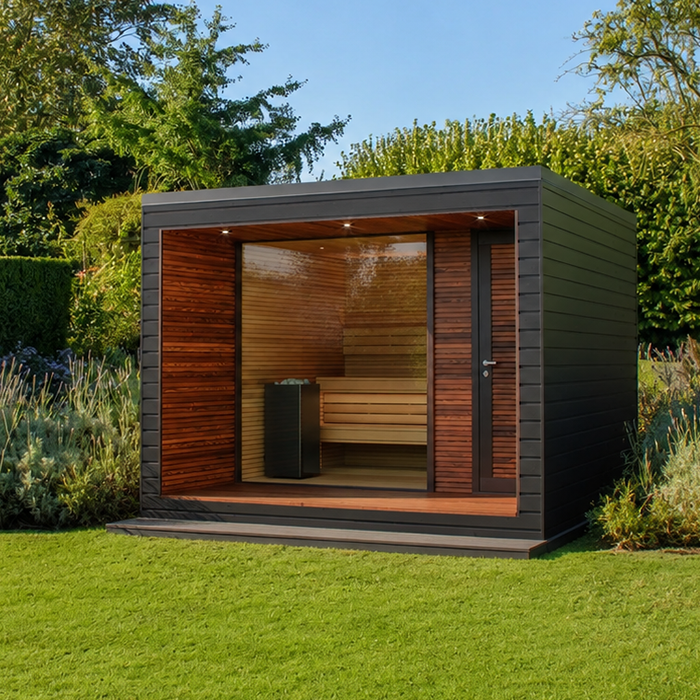
Confirm who will assemble the sauna and who will arrange any required connections, tests and commissioning. These may involve separate people and appointments, so establish the sequence before accepting a delivery date. When discussing assembly for Sauna HCF-300, use the model name and agreed configuration to request the relevant instructions and confirm the scope of the installer’s work. Establish which appointments you must arrange yourself and which the supplier will coordinate. Where the chosen setup requires electrical work or another specialist service, ask what is needed and arrange a suitably qualified local professional.
Agree what handover will include before the first session is scheduled. Ask who checks that the delivered items match the order, whether any required start-up or commissioning process applies, and which operating and care instructions you will receive. Record the product identification and keep the order confirmation, manuals and details of completed work together. Raise missing information or visible delivery damage before treating the project as finished. Plan the first session after the supplier’s or installer’s required steps are complete and the owner has received instructions for the selected setup, rather than using delivery as a signal to begin.
Build contingency into the schedule
There is no fixed buffer that fits every project. Instead, identify which dates are uncertain and why: an approval, final drawing, site work, transport or a specialist’s availability may each have a different level of confidence. Keep the target first-use date separate from supplier estimates and confirmed appointments. Allow room around the milestones most likely to affect later work, rather than adding a single vague buffer only at the end. Ask the supplier which parts of its estimate are firm, what might change them and when you should expect an update.
Set a point at which you will revise the plan if a dependency is still unresolved or a date moves. Tell the supplier and relevant trades promptly, and check the effect on site readiness, delivery, assembly and commissioning before confirming new appointments. If the first-use date must move, reschedule the sequence instead of compressing specialist work or skipping required checks. Do not substitute a different model or configuration to recover time without confirming the drawings, services, availability and delivery plan again. A schedule that distinguishes confirmed facts from assumptions is easier to revise without losing track of what still needs to happen.
Frequently asked questions
How far in advance should I order an outdoor sauna?
There is no single lead time that applies to every model, configuration and supplier. Ask for a current estimate for your exact choice and delivery location, and clarify whether it begins at order confirmation, payment or approval of final drawings. Work backwards through site checks, preparation, delivery, assembly and commissioning, leaving room for changes rather than treating an estimated dispatch date as a guaranteed first-use date.
Can I place the order before the site is ready?
Possibly, but first confirm the final drawings, site and service requirements, current availability, and the supplier’s terms for changes or delays. If the site is not ready, establish who will store the sauna, whether delivery can be rescheduled and whether any related charges apply. Do not commit to a configuration until you know it can be accommodated at the intended location.
Does the supplier’s lead time include installation and commissioning?
Do not assume it does. Ask the supplier to separate the estimate for manufacture or allocation, dispatch, transport, delivery, assembly, required connections and commissioning. Confirm which stages are included in the quotation, who books them and who is responsible for each appointment. A delivery date alone does not confirm when the sauna will be ready to use.
How much contingency time should I allow?
There is no universal number of days or weeks that suits every project. Allow room around the specific uncertain milestones in your plan, such as approvals, site work, transport or the availability of trades. Ask the supplier which dates are estimates and which are confirmed, then keep a later fallback date so a delay can be managed without skipping necessary work.
Who should handle specialist connections and commissioning?
Confirm responsibilities with the supplier before ordering. Where the chosen setup requires electrical work or another specialist service, ask which requirements apply and arrange a suitably qualified local professional. Request the instructions for the exact model and configuration, and agree who will complete and document any required checks before the first session.
A dependable order timeline connects the first session you want to the work that makes it possible. Confirm the property and site requirements, settle the exact model and configuration, obtain a current written lead time, and then coordinate delivery, preparation and commissioning as separate milestones. Keep estimates distinct from confirmed dates and revisit the downstream appointments whenever a dependency changes. That approach gives you a realistic plan without relying on a generic lead time or treating arrival as completion.
