
Greenhouse Watering Checklist for a Two-Week Holiday
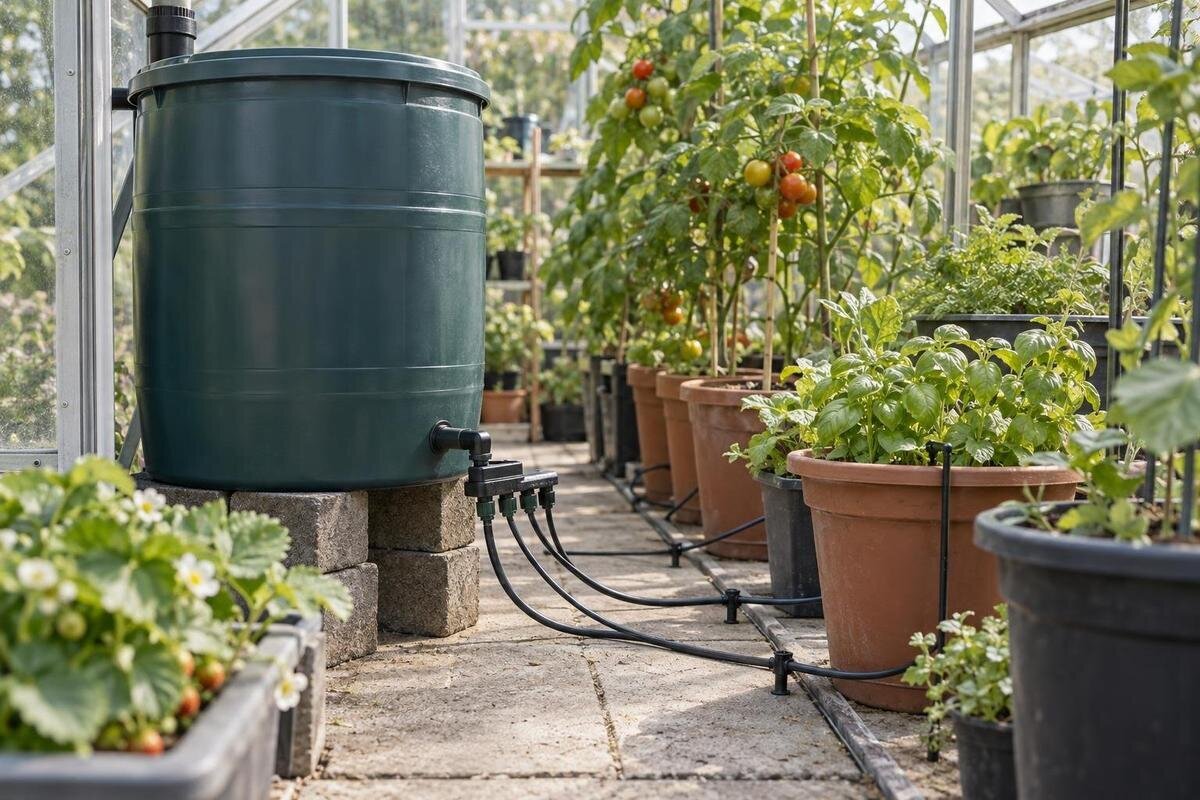
Greenhouse watering
Leaving your greenhouse for a two-week holiday is easier when the watering plan has been measured, tested and backed up before departure. A timer can start a cycle, but it cannot prove that every plant received water, that the reservoir will last or that a fault message reached someone. This checklist helps you calculate usable water from your own readings, test delivery to each crop group, check what an alert can genuinely detect and brief a visitor who can step in. Keep your usual routine while testing; a dependable plan is based on your plants and equipment, not a generic run time.

01
What a two-week watering plan must cover
Plan for fourteen complete days, not simply for the time the timer is programmed to run. Include the interval between the last normal watering and departure, and allow for the return day in case travel is delayed. Before changing the set-up, list every bed and pot, the crop in it and how it is watered now. Mark plants that wilt quickly or are difficult to replace, and identify which lines, valves or manual routines serve them. Record each group’s usual watering pattern as well. This inventory defines what the absence system must cover; keep your routine steady while collecting details so the plan reflects conditions the plants already tolerate.
Greenhouse area helps with layout, but it is not a water-use figure. The T-Model Orangery Greenhouse page lists area options from 16.52 m² to 30 m². If you are also choosing a structure, use its published area to sketch beds, containers and visitor routes, then measure irrigation from the finished layout. Count the plants and their watering groups rather than multiplying square metres by a guessed rate: the planted area, pot sizes and crops all matter. Repeat the inventory if you move pots or add crops before the holiday. Your plan should account for everything that needs watering, including containers outside the main beds.
Measure daily water use in your greenhouse
Measure what the watering set-up actually uses over several ordinary days, rather than converting timer minutes into guessed litres. At the start and end of each day, note the reservoir level or a meter reading, and measure any top-up as well. If the source is a tap or another supply, use a meter or another reliable way to isolate the system’s consumption where possible. Include manual watering, or the automated figures will understate the real demand. Record which cycles ran and mark days that were unusually cool, cloudy or hot. A single day can miss a scheduled run or normal variation, so it is a weak basis for a fortnight.
Calculate a daily figure for each zone and for the whole greenhouse, then compare readings across the test days instead of trusting the lowest result. Keep the crop group, start and end levels, top-ups and hand watering in one log; that makes an unexpected drop in water level easier to investigate. For a structure chosen from the Aluminium Greenhouses range, listed from 3.77 m² to 28.08 m², record the size and planted layout alongside these readings. The useful holiday-planning figures are the litres actually used and the zones they serve. If a reading is inconsistent, investigate it and repeat the test before using it to size a reservoir.
02
Calculate reservoir capacity for fourteen days
Multiply the measured daily total by 14 for an initial estimate of the water needed during the absence. If your tested set-up uses 4 litres each day, fourteen days require 56 litres before any reserve; this is an arithmetic example, not a recommended watering rate. Add the amount needed for the final period before departure and the first period after return. Include any planned manual watering in the total, but count it only once and note whether it will draw from the reservoir or a separate supply. Base the reserve on the variation in your readings and the conditions you reasonably expect. If crop stage may change during your trip, allow for that in the estimate too.
Compare the total with usable reservoir volume, not just the container’s nominal capacity. Allow for water the outlet cannot draw and decide at what level a refill must happen; then confirm that someone can actually provide it. If you are planning a Spacious Greenhouse, listed in area options from 47 m² to 70 m², calculate demand from the intended crop mix and watering method rather than the overall floor area. If one reservoir cannot cover your measured allowance, arrange a tested refill or another supply plan. Keep the calculation and refill point beside the system, with a clear note of how much water the visitor should add.
Separate crop groups with different watering needs
Do not put every plant on one schedule by default. A large bed, a small pot, seedlings and established crops may not dry at the same rate; one run time can leave one group wet while another dries out. Use separate zones only if the equipment supports them and the crops genuinely need different schedules. If there is one control, group plants with similar containers and watering needs, and check the most vulnerable plants during your trial. This is not a prompt to redesign the whole greenhouse before a trip; the aim is to make the existing arrangement dependable. Note any hand-watered exceptions so the backup person knows they have not been included.
Sketch the actual bed and pot positions, then label the controller zones, valves and outlets on the same map. If you are planning the layout of a Pyramid Greenhouse, whose listed areas range from 5.53 m² to 18.9 m², add the watering groups to your planting sketch rather than keeping a separate, unlabelled irrigation diagram. Show which line reaches which plants, where a visitor can inspect it and which area needs manual attention if a zone stops. If you cannot tell what a control operates, resolve that before departure rather than asking a visitor to guess. Update the map if you move containers after testing.

03
Test every watering zone before departure
Run the system through its complete programmed cycle while you are present, including every zone and any second start later in the day. Watch the water source, controller and end points, not just the first dripper. Use catch cups or another repeatable measuring method at several positions to compare delivery. Look for lines that stay dry, emitters that barely run, puddling, runoff and leaks. A quiet pump or a timer display only confirms part of the process. If you find a fault, clean, repair or adjust it according to the equipment instructions, then repeat the full test before settling on the schedule.
Repeat the trial on more than one day and check the soil around the roots afterwards. The aim is to confirm the usual watering result, not to chase a particular number of minutes. Keep the same layout and settings that you expect to leave in place. For a Bloomcabin Prestige Greenhouse, listed in area choices from 3.77 m² to 28.08 m², base the test on each installed circuit, including its furthest outlets. Record any adjustment and check its effect on the next run. Allow time for another trial if you make changes, instead of treating a repair made on departure morning as proven.
Inspect the water supply, timer and lines
Inspect the parts that can stop water reaching plants: the reservoir outlet, any filter, connectors, valves, tubing and emitters. Check for a kink where a door, tray or pot may press on a line, and look for loose joints or unexplained wet patches. Follow the irrigation maker’s cleaning guidance for filters and components; do not dismantle something you cannot safely reassemble. Confirm there is enough battery or power for the planned period if the controller depends on it, and check that its clock and schedule have not reset. Record the normal water level and the appearance of a working line for your visitor.
If you are choosing a greenhouse as well as planning irrigation, mark the water supply, controller and line routes on the proposed layout. The Limited Edition Aluminium Greenhouses page lists area options from 3.77 m² to 28.08 m²; check the relevant equipment information separately for watering-system compatibility. Keep controls accessible and mark the refill and shut-off points clearly, so a visitor does not have to trace every pipe to find them. If a leak or persistent blockage is beyond a simple check, arrange a repair before leaving. Include a repair contact in the visitor’s notes, but do not leave a known fault unresolved and expect the notes to compensate.
04
Choose alerts that lead to action
Alerts are useful only when a device can detect a fault, send a message and someone can act on it. Check whether your actual controller or monitoring set-up supports alerts for a low reservoir level, loss of power, missed watering or unusual flow; these are possibilities, not features to assume. Enable only alerts your equipment genuinely provides and follow its instructions to set them. Use its test function or another safe test method before the holiday, then confirm that the notification reaches the right phone. Make sure another person can receive or act on it if you are travelling without reliable mobile access.
Match each message to an action: a low-water warning may require a refill, while a power or controller alert may call for a visit or specialist help. Do not assume an app can detect a blocked individual emitter or restart a failed system. When budgeting for a structure such as the Aluminium Greenhouses with Storage – Limited Edition, listed from 5.52 m² to 28.08 m², consider irrigation monitoring separately; the greenhouse listing does not establish controller functions. Write down who receives each warning, who can respond and who acts as the backup contact. Also agree what the visitor should check if an expected status message fails to arrive.
Brief a backup visitor
Name a person who agrees to be the backup before you go. Give them the dates, the greenhouse location, an access method and clear instructions for the visits you have agreed. Do not rely on a vague promise to keep an eye on things; agree when they will check, how quickly they can respond to a warning and whom to call if unavailable. Set visit frequency according to the system’s reliability, expected conditions and how soon you could return. A check early enough to correct a problem is more useful than discovering an empty reservoir after plants show stress. Arrange an alternative contact in case your first choice cannot go.
Leave a one-page note with the normal tank level, schedule, zone map, signs of operation, refill location and emergency contacts. Make simple actions clear: check the water level, look for a wet floor or a dry line, top up only as agreed, and send you a message or photo. Do not ask a visitor to alter several settings, dismantle a filter or improvise repairs. Whether you have a Wall Greenhouse, listed from 3.69 m² to 14.34 m², or another structure, base the handover on your installed layout. Walk the visitor through the route to the water supply and controller, and let them locate the labelled controls using your note.
05
Keep plant demand and greenhouse conditions steady
Keep plant care steady in the run-up to the holiday. Harvest ripe fruit and remove damaged material that would otherwise need attention; clear weeds or fallen leaves if they obstruct access or hide a leak. Avoid repotting, heavy pruning, moving all containers or changing fertiliser and watering at once just before the trip: each can alter water demand or make the system harder to judge. Introduce any routine change early enough to see how the plants and system respond. Give special attention to seedlings, freshly planted crops and small containers, which may need a different plan from established beds.
Consider greenhouse conditions as part of water demand. Hotter, brighter weather can dry pots and beds faster, while a sudden change to shade or ventilation can alter growing conditions; allow for the range you reasonably expect rather than relying on a cool test day. Check that vents, shading and doors are set as intended and that any automatic controls work. Avoid making an untested last-minute change. If the forecast shifts sharply before departure, review the reserve and tell your backup person, rather than assuming the timer alone will compensate.
Check the system on departure day and on your return
On departure day, confirm that the reservoir is at the calculated starting level, every scheduled zone is enabled and the timer shows the correct time. Check that each line is connected and there are no obvious leaks. Confirm that the alert test reached its intended recipient and that the backup visitor knows when to go, how to contact you and what action is authorised. Leave the written plan beside the controller or send a copy, and keep contact details accessible. Do not add an untested extra watering run as insurance; it changes the starting conditions without proving that the plants need it.
On your return, inspect the plants, reservoir and lines before restoring manual routines or changing settings. Note how much water remains, whether each zone ran as expected and whether the visitor made any adjustment; these details show where the plan was accurate or weak. If demand was higher than measured, revise the daily record and reserve for next time. If water remains, do not assume that every line delivered evenly: compare plant condition and check the far ends of the system. Update the checklist after each absence so it reflects what actually happened.
Frequently asked questions
How much water do I need for 14 days?
Measure the total water used by all zones over representative days, then multiply the average daily use by 14. Add water for the time before you leave and after you return, plus a reserve based on the variation in your readings. Check that the measured water reaches each crop group before relying on the figure.
Is an irrigation timer enough while I am away?
Not by itself. A timer can run a schedule, but it cannot confirm that the reservoir will last, a line is clear or every plant is receiving water. Test the complete system, check any alerts your equipment genuinely supports and arrange a person who can respond if something goes wrong.
How much reserve should I leave in the reservoir?
There is no universal reserve that suits every greenhouse. Base yours on the spread between your daily readings, the conditions you reasonably expect and the time needed for a visitor to refill the supply. Use the reservoir's usable volume, not just its stated capacity, for the comparison.
Which fault alerts are worth testing?
If your equipment supports them, test alerts for a low water level, power loss, a missed cycle or unusual flow. Check that the message reaches the right phone and that someone can act on it. An alert may not detect a blocked individual dripper, so it does not replace a visit or system check.
How often should someone visit the greenhouse?
Set visit dates according to the system's reliability, the expected conditions and how quickly you could respond to a problem. Agree the plan before you leave, including an alternative contact if the visitor is unavailable. A planned check should happen early enough for someone to act, rather than only after plants show stress.
A sound two-week plan is one you have already watched working: measured daily demand, enough usable water for the absence and a reasoned reserve, verified delivery to every zone, and a person who knows what to do if a warning arrives. Keep the readings and visitor notes for next time. Adjustments based on what actually happened will be more reliable than a generic timetable, making the timer one useful part of a tested plan.
