
Buying a greenhouse for a coastal garden: materials and maintenance
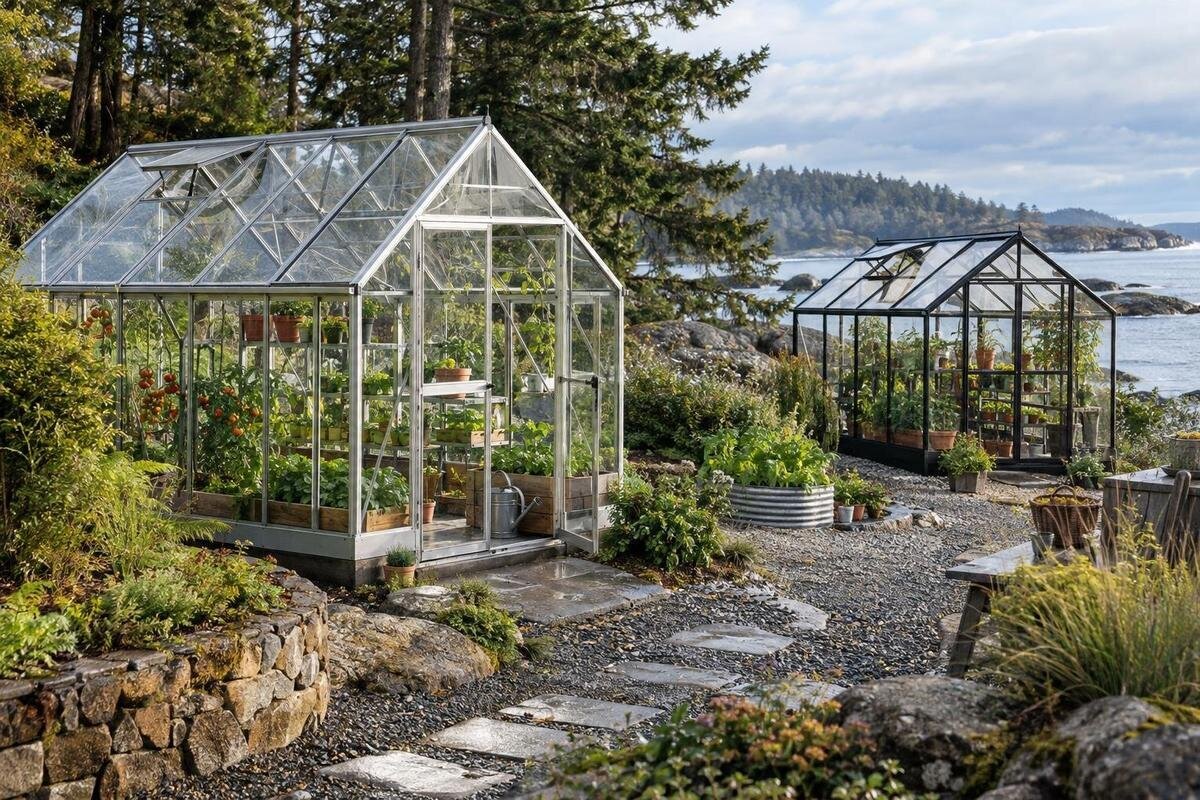
Greenhouse buying guide
Buying a greenhouse for a coastal garden means weighing the exposure at your particular site against the maintenance you can realistically provide. Salt can settle on frames, fixings and glazing; wind varies around a property; and damp, slow-drying corners can make inspection and cleaning more important. A coastal location alone does not tell you which materials or structure will suit. Compare documented details rather than relying on a product name or a general promise of durability: frame and finish, glazing, fittings, wind and anchoring information, drainage, cleaning guidance and parts support. The best shortlist matches your garden's growing needs and the work you are prepared to do over time.

Assess salt spray and wind at the actual site
Coastal exposure is not simply a measure of distance from the shoreline. Direct spray, salt carried by onshore wind, open ground and nearby buildings can all change what reaches a proposed greenhouse position; two corners of one property may behave differently. Look for residue on outdoor furniture, glazing or fences, wind damage to established planting, and surfaces that stay wet after rain. Note the direction salt tends to arrive from and whether the proposed spot is open or screened. These are observations, not an engineering assessment, but they give a supplier a clearer description than the label coastal.
Check the spot in more than one kind of weather if you can. A position that feels sheltered on a calm day may be exposed when the wind changes, while a fence or neighbouring building can affect airflow and shade. Record nearby trees, walls and other obstacles, along with any areas where water or debris collects. Note whether access routes themselves become slippery, muddy or blocked in wet weather, as this can affect how easily you carry out regular cleaning and checks. This is useful context when asking whether a particular greenhouse's documented requirements match your site. Do not assume that a greenhouse in a nearby garden proves the same choice will suit yours: small differences in shelter, upkeep and exposure can matter.
Compare frame materials and protective finishes
When comparing coastal greenhouse materials, look beyond the headline frame material. Salt and persistent moisture can affect susceptible metals, particularly where a protective finish is damaged. If timber is an option, check what treatment is specified and what ongoing care it requires. Different materials call for different maintenance, so broad descriptions such as rust-proof or maintenance-free are not enough to judge a product. Find out which material is used for the main frame, base and connecting parts, and whether the stated finish covers less visible areas such as joins and cut edges. Also ask how scratches, chips and wear around moving parts should be dealt with, because these are the areas most likely to need attention during normal use.
Ask for the exact material and finish details in the product documentation, plus the approved cleaning method and any instructions for repairing a damaged coating. Check whether the fasteners and connectors have their own material specifications rather than assuming they match the frame. A title such as the Aluminium Classic greenhouse listing identifies a listing to investigate; it does not, by itself, confirm an alloy, finish or connector material. Compare what the documentation actually states, and seek clarification where an important detail is missing.
Check the glazing specification and replacement options
Confirm the glazing material for the exact model and configuration. A broad description may not tell you whether the panels are glass or plastic, how they are attached, or what seals and retaining parts are used. Those details matter when you are comparing care routines and planning for future repairs. Ask whether replacement panels can be ordered for the model, how to identify the correct panel and whether seals or other small components are available separately. Check how the panel layout affects access to edges and retaining parts during cleaning, especially where a side is close to a boundary or planting bed. Do not infer the glazing type or its properties from a product name or photograph.
Salt residue needs to be cleaned without damaging the panel surface, so check the manufacturer's approved products and methods before choosing. Ask what wind-related information applies to the complete greenhouse and which glazing and installation conditions that information assumes; a panel description alone cannot answer that. If the greenhouse will sit near a path or other area where people may contact the glazing, ask the supplier or a qualified professional about the relevant safety properties for your situation. The Classic Plus 385 listing can be checked against the same questions; its name is not a glazing specification.
Look closely at fittings, joints and exposed details
Small components can need attention before the main frame does. Include screws, hinges, clips, door tracks, handles and panel retainers in your comparison, especially where they are exposed to rain and salt. Ask what they are made from and how they are protected. Some combinations of different metals can corrode when they remain wet, so check that the supplied fixings are intended for use with the frame rather than substituting parts based on appearance or size. Consider how easily moving components can be reached for routine inspection, and whether dirt or leaves are likely to gather around tracks, hinges or drainage openings.
Look for clear information on how connectors and seals can be inspected, cleaned and replaced. Product diagrams or detailed photographs may help you identify what is exposed, but they do not replace written specifications. Ask whether there are compatible replacement fittings for the exact model and how to identify them later. If you notice corrosion, a loose connector or movement in a joint after installation, do not assume a surface treatment is an adequate repair; ask the manufacturer or a qualified installer to assess it.
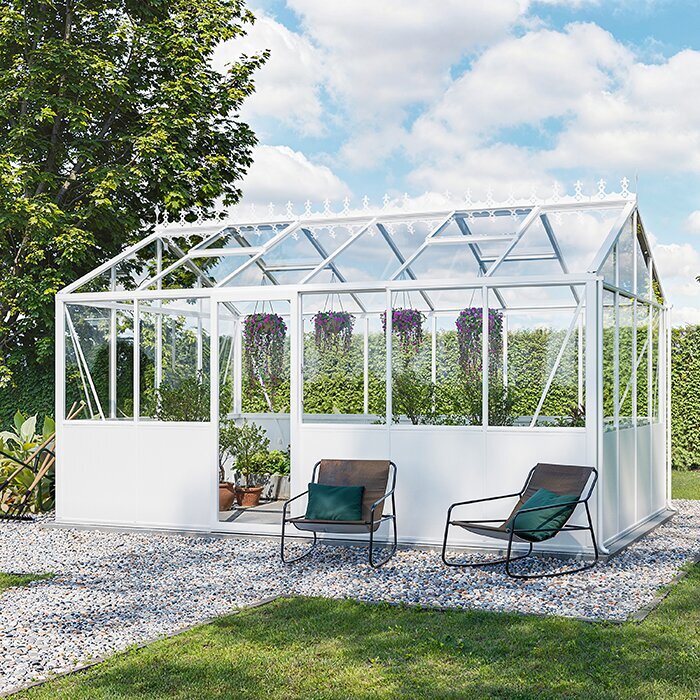
Treat wind resistance and anchoring as separate checks
A frame material or sturdy-looking design does not establish how a greenhouse will perform in coastal winds. Ask for the wind-related specification for the complete structure and the conditions it assumes, including the specified base or mounting arrangement. Check whether the information applies to the assembled greenhouse rather than only one component. Ask whether nearby walls, fences, slopes or exposed corners alter the assumptions in the supplied information, rather than treating a general site description as enough. If the product information is unclear, ask the supplier to explain what is documented and what still needs to be assessed for your site.
Confirm what foundation and anchoring components are included, what must be supplied separately and what the installation instructions require. The Bloomcabin Prestige greenhouse with metal foundation listing is a prompt to check those details, not evidence of a particular anchoring method or wind rating. A foundation label does not establish how the greenhouse should be secured at your property. For an exposed or uncertain location, ask a qualified installer or relevant professional to assess the proposed arrangement before ordering; do not try to calculate structural suitability from a general product description.
Manage damp conditions with ventilation and access
Damp air and surfaces that dry slowly can make ventilation and routine inspection important. Ask what ventilation openings are provided, how they are operated and whether you can reach them easily. Consider the plants you intend to grow and how often you will be able to open, close and clean the greenhouse. Allow for a clear route to doors, vents and internal surfaces when pots, benches and watering equipment are in use, not just when the greenhouse is empty. Ventilation can help manage moisture, but a product description cannot promise that condensation or mould will never occur; conditions depend on the site and how the greenhouse is used.
A greenhouse positioned against a wall needs particular scrutiny of the space around it, drainage and access for cleaning. Do not assume the wall will protect the structure from salt or prevent dampness. For the T Model wall-mounted greenhouse orangery listing, check the stated installation requirements, any clearances and how the product is intended to meet the wall. Confirm whether the wall and surrounding area can be inspected and maintained once the greenhouse is in place. If the documentation does not explain the interface, ask before treating the design as suitable for that position.
Balance shelter with maintenance access
A sheltered corner may reduce direct exposure, but it is not automatically the best position. Trees and fences can create shade, drop leaves or make panels harder to reach, while a position tightly enclosed by obstacles may complicate cleaning and inspection. Consider where the doors will open, whether you can reach the surfaces that collect salt and whether there is room to maintain the greenhouse without moving plants or garden equipment each time. Leave enough working space to inspect the perimeter from all sides where the design requires it, and think about where removed debris and cleaning equipment will go. The aim is a position that fits both the growing plan and the upkeep routine.
For a greenhouse intended to sit beside a wall, check the condition and accessibility of that wall, likely rainwater paths and the space needed for cleaning and repairs. Ask what the product's installation instructions say about the supporting surface and clearances; do not assume all walls or sheltered positions are interchangeable. The Aluminium wall greenhouse listing is another page to assess against those requirements, not a guarantee of fit for a particular building. If access or the supporting surface is difficult to judge, discuss the site with a qualified installer before committing to a location.
Plan cleaning and drainage around salt build-up
Routine cleaning is part of greenhouse maintenance near the coast, but the right method depends on the frame finish, glazing and seals. Follow the manufacturer's instructions and use only products it approves. If the guidance allows it, fresh water can help remove salt residue; avoid abrasive pads, solvents or pressure washing unless the documentation specifically permits them. There is no universal cleaning interval: note how quickly deposits return at your site and build inspections into your normal garden routine, with extra attention after weather that leaves visible residue. Keep a simple note of recurring deposits or blocked drainage points so that changing conditions are easier to spot over time.
Check how to keep any gutters, channels or drainage points clear, and where water is meant to go. Do not assume these parts are included or that every base arrangement has the same care requirements. Keep an eye on leaves, soil and other debris around the perimeter so that build-up does not go unnoticed. If considering the Pyramid greenhouse for masonry base listing, check the documentation for the precise base interface and its maintenance requirements; the product name alone does not explain how that junction should be cared for. Plan access for cleaning before the greenhouse is in place.
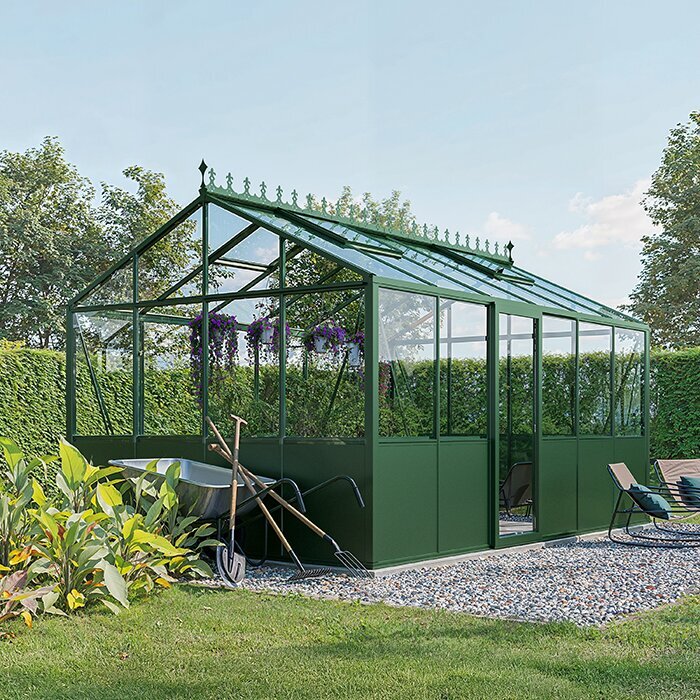
Make inspections and replacement parts part of the plan
A regular visual check can help you notice changes early. During cleaning, look over visible frame connections, protective finishes, glazing edges, seals, doors, vents and any drainage points. After severe weather, check for obvious movement, displaced panels or new damage, but do not try to diagnose structural problems from appearance alone. Compare what you see with earlier checks, and record the date and location of a concern so that you can give clear information when seeking advice. If a connector is loose, a panel has shifted or the frame appears to have moved, ask the manufacturer or a qualified installer what to do before carrying out repairs or continuing to use the greenhouse.
Before buying, ask how to identify replacement panels, seals, fixings and operating parts, and whether compatible parts can be ordered for the exact model. Keep the model name and any product identifiers with your care notes, along with a record of approved cleaning products and inspections. A title that includes limited edition does not tell you how long parts will be available. If you are considering the Limited Edition Aluminium greenhouse listing, ask directly about replacement-part support and the terms that apply, rather than guessing from the title.
Compare the full upkeep before ordering
Use the same checklist for every greenhouse on your shortlist: frame and finish details, glazing, fittings, wind information, anchoring requirements, cleaning instructions, drainage and replacement parts. Then add the work and costs that sit outside the greenhouse itself, such as a suitable base, delivery or site access, assembly, approved cleaning products and future repairs. Set the information out side by side so that an omitted detail is visible rather than assumed to be favourable. Request a clear account of what is included and what must be arranged separately. Compare actual quoted costs and documented requirements rather than trying to estimate them from photographs or model names.
Read the warranty and care terms before you order, paying attention to any stated exclusions or maintenance conditions relevant to coastal exposure. Confirm the exact model and configuration, the documents that apply to it and how to contact support if a component needs replacing. Include a listing such as the Bloomcabin Orangerie listing only after checking it against the same criteria as the rest of your shortlist. A consistent comparison makes it easier to see whether the greenhouse suits the site and whether its upkeep is realistic for you.
Frequently asked questions
Does a coastal greenhouse need an aluminium frame?
Not necessarily. The frame material alone does not establish how well a greenhouse will handle salt or damp conditions. Check the stated material and finish for each component, the fixings used, and the care instructions. Compare those details with the exposure at your site rather than relying on a broad material label.
How often should I clean a greenhouse near the coast?
There is no single interval that suits every site. Salt exposure, shelter and weather all affect how quickly deposits build up. Follow the manufacturer's cleaning guidance, inspect surfaces regularly and clean when residue is present, using only methods and products approved for the glazing and frame.
Does a sheltered position make a greenhouse suitable for coastal winds?
Shelter may change the wind exposure, but it does not confirm that a greenhouse or its anchoring is suitable. Ask for the wind-related specification and the conditions it assumes, then have a qualified installer or relevant professional assess the proposed site if its exposure is uncertain.
What should I ask about fixings and replacement parts?
Ask what materials and protective finishes are used for fixings, whether they are compatible with the frame, and how to identify replacements. Check whether panels, seals and operating parts can be ordered for the exact model, and ask what support and warranty terms apply to coastal conditions.
What if salt spray rarely reaches my garden?
Low visible salt deposits do not answer questions about wind exposure, dampness or maintenance. Check the proposed position after different weather, note how quickly it dries and consider any salt carried by wind. Then compare the site observations with the greenhouse's documented requirements.
A coastal greenhouse is a long-term choice about both the structure and the care it will need. Compare the exact materials, fittings, glazing, anchoring information and maintenance guidance with what you have observed at the proposed site. If the documentation leaves a question about exposure or installation unanswered, resolve it before ordering. A greenhouse that suits your growing plans and has a manageable cleaning and repair routine is a more considered choice than one selected on its name alone.
