
Buying a Glass Greenhouse: Understanding Glazing Options
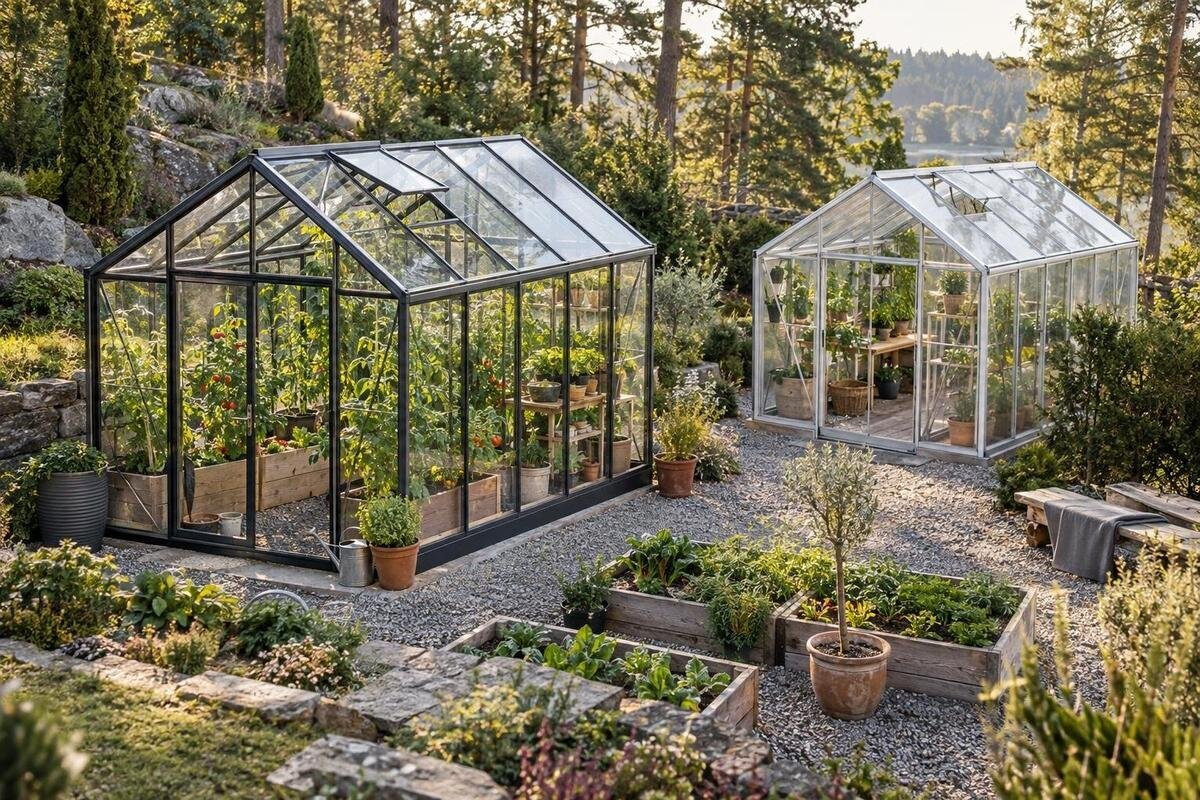
Greenhouse glazing guide
Glass greenhouse glazing can look like a simple choice: clear panels let you see the plants. In practice, the glass type, construction and way the panels are held in the frame affect light, breakage behaviour, heat loss and future replacement. These differences matter when comparing listings as well as when deciding what to grow. When you buy a glass greenhouse, look for the glazing specification for the roof, walls and doors separately. A product name or photograph cannot confirm whether panels are horticultural, toughened or laminated glass, or whether a double-glazed build-up is included. This guide explains the terms and questions that make those details easier to compare.

01
Read the glazing specification by panel
Treat glazing as a set of specifications, not a single label. A greenhouse listing should identify whether the panes are horticultural, usually annealed, glass, toughened safety glass or laminated glass, and whether they are single panes or sealed double-glazed units. It should also state the thickness where relevant, any coating or texture, and whether the roof, sides, doors or vents use different glass. These details answer different questions: glass type affects how a pane behaves if it breaks, while its construction affects light and heat transfer. The phrase “glass greenhouse” alone does not establish any of them.
Compare details for the exact configuration you intend to order; an optional upgrade or replacement pane may have different specifications. Photos show appearance, not glass treatment, thickness or what comes in the package. Make a simple record for each glazed area, noting the glass type, build-up, thickness and any stated light or thermal data. For a named option such as the Bloomcabin Prestige greenhouse with metal foundation, use the product page to look for its glazing information; the model name identifies a product, not its glass. If a detail is missing, ask before treating it as equivalent to another listing.
Horticultural glass and breakage
Horticultural glass is a common term for ordinary annealed greenhouse glass, though suppliers may describe it differently. It offers a clear view and admits daylight, but it can break if struck or stressed; when annealed glass breaks, pieces may have long, sharp edges. That is the main trade-off to understand, rather than assuming a greenhouse pane is harmless because it is relatively thin. Ask which panels use it and whether the same glazing appears in the roof, door and lower walls. A brief product description may not apply to every area, so check the panel details rather than relying on a general label.
It can be worth comparing when clear glazing and a straightforward replacement route matter to you, but replacement is only straightforward if you can identify the right panel and obtain a compatible one. Think about who uses the garden and what sits beside the greenhouse: a path, play area or regular work zone changes the consequences of breakage. For a model such as the Bloomcabin Orangerie, check the written glazing type rather than judging safety or thickness from a photograph. If the product information says only “glass”, ask whether it means annealed horticultural glass and where that glass is fitted.
02
What toughened glass changes
Toughened glass is heat-treated to make it stronger than comparable annealed glass. It is designed to break into many smaller, generally less sharp pieces rather than long shards, which can reduce one aspect of injury risk. It remains breakable: a forceful impact or damage at an edge can cause failure, and fragments still need prompt, careful management. “Toughened” describes a treatment and a typical breakage pattern, not a promise that a pane cannot fail or that a greenhouse is safe in every setting. Compare the treatment, the areas it covers and the support provided by the frame.
Check whether toughened glass is used throughout or only in selected locations, such as a door. Confirm whether the description applies to the roof as well as the vertical panels, and ask for the manufacturer’s precise glass designation if a listing says only “safety glass”. If you need evidence for a household or site concern, request the relevant product documentation before ordering rather than relying on a broad claim. Toughened glass cannot normally be cut after treatment, so a replacement needs to match the specified panel. Keep its product and panel details with your order records in case you need to identify it later.
How laminated glazing behaves when damaged
Laminated glass is made by bonding sheets of glass around an interlayer. If a pane cracks, that layer can help hold pieces in place, although it does not stop the glass cracking and is not a guarantee that no fragments will fall. The result depends on the pane construction and how it is retained in the frame. This differs from toughened glass: both may be described as safety glazing, but they behave differently when damaged. If a listing uses only a general phrase such as “safety glass”, ask whether the pane is toughened, laminated or another specified construction before comparing it with a clearly named option.
Check whether laminated glazing is specified for each area that matters to you; the roof and side panels need not have the same build-up. Ask whether the described glass is intended for the greenhouse frame and its panel position, and what the manufacturer recommends if it cracks or an edge is exposed. Record the full construction and replacement-part details rather than noting “safety glass” alone. When reviewing the Classic Plus 385, look for the actual glazing description and distinguish laminated construction from toughened glass; do not infer either from a model name or a general safety claim. If the specification does not say where each type is used, request a panel-by-panel breakdown.
03
Compare light transmission, not just clarity
Light matters because glazing sits between the sun and the plants, but “clear” is not a complete light specification. Plain clear glass, textured or diffusing glass, tinted panes and coatings can affect both how much light passes through and how it is distributed. Diffusing glass can spread incoming light and soften bright direct patches, but diffusion does not automatically mean more total usable light; transmission varies by product. Ask for a visible-light-transmission figure if one is supplied, and compare figures only when they use the same measure. A description such as “bright” is less useful than a stated property you can compare.
Choose with your plants and growing season in mind. A bright-looking product image cannot reveal a coating or quantify transmission, while dust, condensation and shadows from the frame also affect the light reaching leaves. If you plan to raise seedlings or grow plants that need strong light, consider whether a tint or diffusing finish changes the balance you want; requirements vary by plant and season. On the wall-mounted T-model greenhouse listing, look for a stated glass type or transmission figure, if supplied, rather than reading those properties into the product name. Check that any figure refers to the specified glass build-up, not a different option.
Single and double glazing for heat retention
Single glazing consists of one glass sheet; double glazing uses two panes separated by a sealed gap. That space can slow heat transfer through the glass compared with a similar single pane, but overall heat loss also depends on the frame, seals, doors, vents and air leakage. Double glazing does not turn a greenhouse into a temperature-controlled room, and a figure for the glass alone may not represent the complete structure. If the listing provides thermal data, ask whether its thermal-transmittance value, or U-value, applies to the glass centre or the complete framed panel. Lower U-values indicate less heat transfer under the stated measurement conditions.
Decide whether heat retention deserves priority for the way you will grow. A greenhouse used mainly in warmer months has different needs from one intended for tender plants outside the main growing season, and glazing is only one part of that decision. Compare thermal figures alongside light transmission, not in isolation: a tint or coating may alter the amount of light, while ventilation used to manage excess heat can release warmth. For the Pyramid greenhouse for a masonry base, check the stated glazing build-up; “masonry base” in the name does not tell you whether the panels are single or double glazed. Do not assume the base changes the glass’s thermal performance.
04
Pane thickness, dimensions and replacement fit
Glass thickness is useful to know, but it does not by itself establish how well a panel will perform. The frame, edge support, retention system, pane size and glass treatment all matter. A thicker panel can have different weight and fit requirements, so do not assume that a replacement or optional pane of another thickness will suit the existing frame. Ask for the specification by panel location and confirm whether all panes use the same size and thickness. If a product description gives only a general thickness, find out whether it covers the roof and door as well as the side panels.
Before buying, find out how a future replacement is identified. Record the panel’s width and height, thickness, shape, edge finish and any cut-outs, along with the glass type and retaining parts required; roof end panels and doors may not match rectangular side panels. Ask how to order a replacement and whether the manufacturer specifies an acceptable alternative. On the Aluminium Classic greenhouse product page, look for panel details for the exact model and configuration rather than assuming a generic sheet of glass will fit an aluminium frame. Keeping that information now can make a later replacement less uncertain.
Cleaning, inspection and ongoing care
Maintenance is mostly about keeping glazing clean and checking for damage, but the right method depends on the manufacturer’s instructions. Use products and tools the supplier permits; abrasive pads, hard scrapers or unsuitable chemicals can scratch glass, damage a coating or affect seals. Rinse off loose grit before wiping so particles are not dragged across the surface. Clean panels let more daylight through than dirty ones, but do not treat a coated or textured finish as ordinary clear glass until you know how it should be cared for. Ask whether the supplier recommends particular cleaning products.
Include access for cleaning in your practical comparison. Consider whether you can reach the outside of roof panels safely and clean the inner faces without disturbing plants or fixtures; do not treat a pane as a surface to lean on. If glass is cracked, loose or has a damaged edge, keep people clear and arrange a replacement in line with the supplier’s advice, because handling broken glass can cause cuts. For the Aluminium wall greenhouse, check the stated care guidance and replacement-panel information as you would for any other model. Find out whether seals or retaining parts also need routine inspection.
05
Match the glazing to plants and garden use
Match the glazing to how the greenhouse will be used. If children, pets or regular garden work bring people close to the walls, the way a pane breaks may matter more than a small difference in appearance. Where plants need strong direct light, prioritise an explicit transmission specification over a vague claim such as “high clarity”. If you intend to grow through cooler periods, compare heat transfer alongside light and ventilation. A greenhouse for occasional seed raising may call for different trade-offs from one used for longer-term cultivation, so describe your actual plans before choosing a glass type.
Consider what might strike or stress the panels at your site, such as routine activity, a ball or falling material, but do not judge structural suitability from glazing language alone. Ask the greenhouse supplier for documented conditions or ratings relevant to the complete model, and seek advice from a suitable professional if exposure is a concern. “Toughened” describes the glass treatment; it does not specify the greenhouse’s wind resistance or make it impact-proof. Keep site exposure as a separate question from panel breakage behaviour, so each part of the decision is based on information that addresses it.
Questions to settle before ordering
Before placing an order, make a written comparison for each model: glass type, single- or double-glazed build-up, stated thickness, differences between roof and walls, safety treatment, light data and thermal data. Note which details are confirmed and which remain unanswered. Verify whether a feature is standard in the selected configuration or optional, and whether the description covers doors and vents as well as the main panels. For the limited-edition aluminium greenhouse, read the details for the exact configuration and request any missing glazing information; the product title alone cannot confirm what glass is supplied. Save the answer alongside the listing.
Also check practical ordering details that affect ownership: which glazing components are included, how replacement panes are identified, what the supplier says about damage in transit, and who is responsible for fitting. Confirm that the finished dimensions and access route suit the intended garden location, since glass panels need to be carried during assembly. Keep the product specification and replies with your order records; they can help you identify a matching pane later. If the supplier cannot confirm a detail that matters to you, compare another clearly specified option instead of filling the gap with assumptions.
Frequently asked questions
Is toughened glass always the best choice for a greenhouse?
Not necessarily. Toughened glass has a different breakage pattern from annealed glass, but it can still break and is not impact-proof. Consider where people may be near the panels, what the glass is designed to do if it breaks, and whether replacement panes are available. Compare the exact glazing specifications rather than choosing on the safety label alone.
What is the difference between horticultural and toughened glass?
Horticultural glass is generally annealed glass. If it breaks, it may form larger, sharp-edged pieces. Toughened glass is heat-treated and is designed to break into smaller pieces, although it can still fail. Check which type is supplied in each part of the greenhouse, as a description may not cover every panel.
Will double glazing keep a greenhouse warm overnight?
A sealed gap between two panes can slow heat transfer through the glazing compared with a similar single pane. It cannot guarantee a particular overnight temperature: the frame, seals, vents and air leakage also affect heat loss. Compare any thermal figures on the same basis and consider them alongside the light the glass lets through.
Does thicker greenhouse glass let in less light?
Thickness alone does not tell you how much light reaches your plants. Glass type, coatings, texture, dirt and condensation also matter. If the supplier provides a visible-light-transmission figure, use it to compare options on the same basis. A bright product photograph cannot show the measured transmission or reveal a coating.
Can I replace a pane with any glass of the same dimensions?
No. A replacement needs to match more than the width and height. Check the glass type, thickness, shape, edge details and the way it is retained in the frame. Toughened glass cannot normally be cut after treatment. Ask the supplier how to identify the correct replacement pane and whether a particular alternative is suitable.
A good choice is the greenhouse with glazing information you can compare, not the one with the most confident-sounding label. Decide what matters most for your garden: light transmission, how the glass behaves if it breaks, heat transfer, ongoing care and the ability to replace the correct panel. Then check those points for the roof, walls and doors in the configuration you plan to order. A clear specification lets you weigh the trade-offs against your plants and how you will use the greenhouse. If an essential detail is missing, resolve it before purchase rather than relying on appearance.
