
Buying a Greenhouse for a Hot Climate: Ventilation and Shading Priorities
Greenhouse buying guide
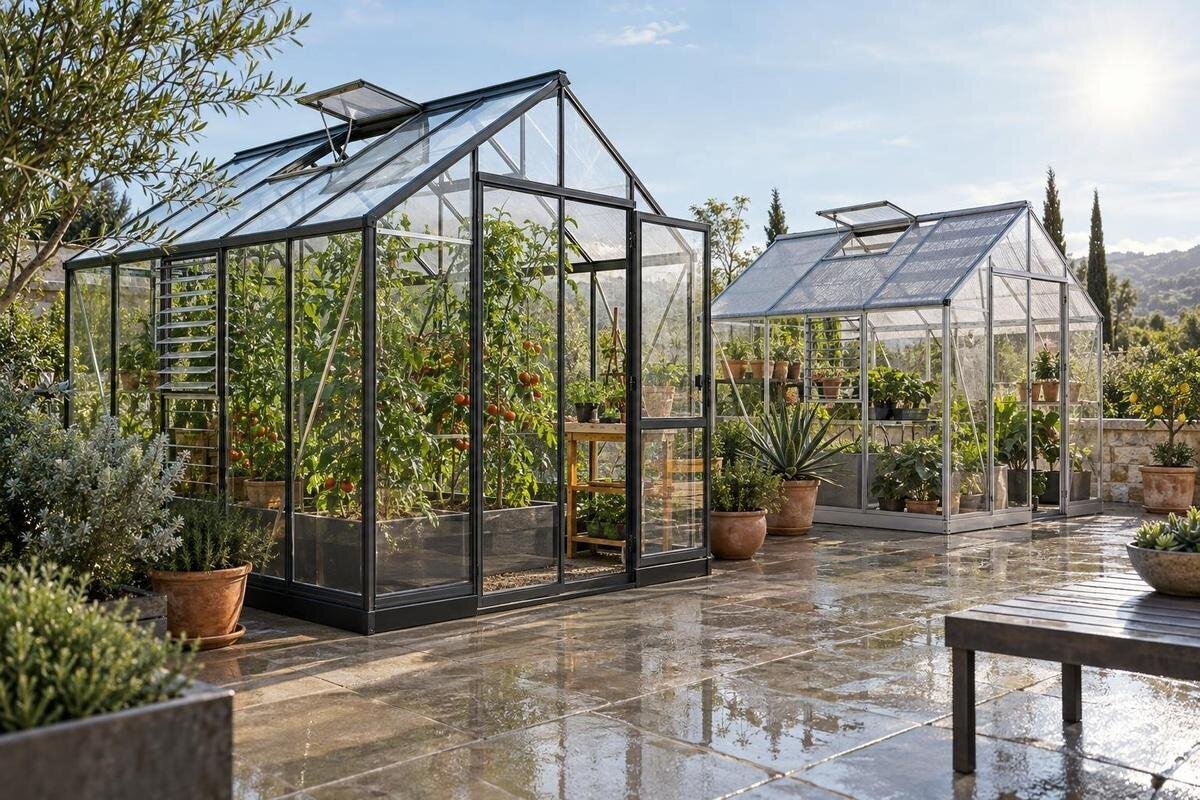
Buying a greenhouse for a hot climate means planning for heat as well as crop protection. Sunlight through glazing can warm the enclosed space, and on still days that warmth may build faster than a simple door opening can release it. Compare ventilation and shading together: vents give warm air a route out and outside air a way in, while shade limits direct solar gain. The useful balance depends on the plants, sun exposure, surrounding shelter and how often someone can adjust the setup. Product photos alone cannot show whether those details suit your site.
01
Why heat control needs ventilation and shade
A greenhouse is a growing environment, not automatically a cool refuge. In strong sun, its covering admits light and the enclosed air can become much warmer than the surrounding garden, especially when air movement is restricted. Ventilation gives warm air a route out and replacement air a way in; shading reduces the solar energy reaching plants and surfaces. They address different parts of the problem. Generous shade cannot compensate for openings that do not clear heat, while well-placed vents do not prevent direct sun from stressing light-sensitive crops. Treat both as core buying criteria, not optional extras to consider only after choosing a frame. Conditions can vary within the same structure, so assess the whole growing area rather than only the doorway.
Before comparing models, write down what the greenhouse needs to do. List the crops you plan to grow, their mature size, the months you will use the space and the sunniest hours at the proposed site. Note whether someone will be able to adjust vents and shade during a hot spell, or whether the design needs to be easier to manage unattended. Plants differ in their light needs, so permanent deep shade may be as unsuitable as having no shade at all. Separate essential features from optional conveniences, then use this list to judge cooling controls and usable light rather than selecting on appearance or capacity alone.
Look beyond the number of vents
Counting vents is a poor shortcut. Two roof openings might not provide a useful circulation path if the greenhouse has no place for outside air to enter; a large door may help while open but can be inconvenient as a day-to-day control. Check whether the design lists roof vents, side vents, louvres or other openings, where each sits and how it opens. If an opening area is stated, compare it with the enclosure dimensions and ask whether it means the clear opening or the outer vent size. The figure's basis matters; do not compare numbers unless they describe the same thing. Also ask how the openings work together if your plan depends on keeping the main door shut. Photographs do not establish ventilation capacity.
Read diagrams alongside the specification, looking for high and low openings and whether you can operate them independently. Check whether insect screens or other components reduce the clear opening, whether vents close securely and if handles are reachable from the path you plan to use. Include Prestige greenhouse with a metal foundation in the same comparison and read its vent positions and operation from the listing; request a drawing if those details are not stated. Use the same questions for each candidate so vent counts and stated opening areas can be compared fairly. Keep the door count separate from the vent provision.
02
Plan an unobstructed route for air
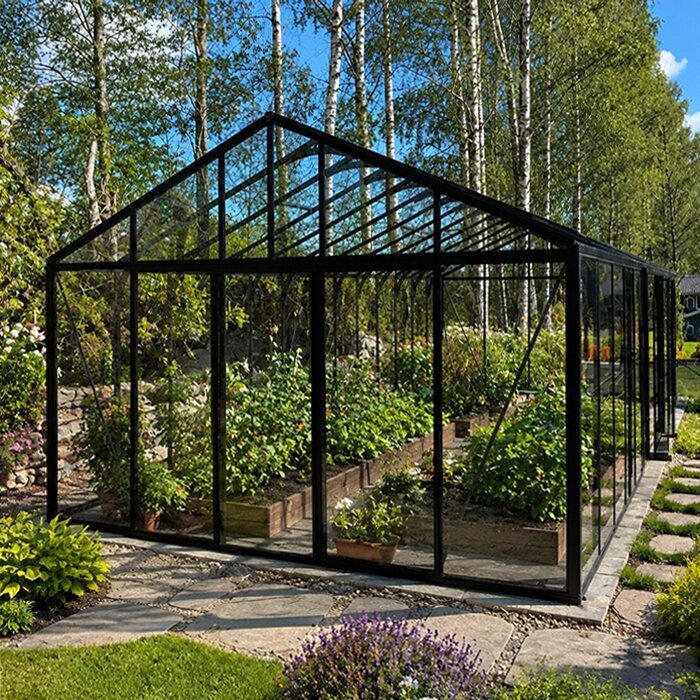
Air needs an entry and an exit that work together. Side openings on one face and a roof or opposite-side opening may support a route across the space, but the result depends on the design and the site. A fence, hedge, shed or retaining wall close to an intake can limit the air available there. Before buying, sketch the greenhouse against these obstacles and note which sides remain clear. A breezy afternoon does not show how the setup will behave on still days, so ask whether the design relies on cross-breezes or also provides high-level openings. If you know which way the more frequent breezes come from, record that too, without relying on them as the only source of airflow.
Consider the interior as well. Rows of tall plants, benches, hanging equipment and stored tools can obstruct the route between openings or make a vent awkward to reach. Plan the main crop positions and walkway, then check that handles and intended shade systems will remain accessible as plants grow. Estimate the mature canopy rather than just the initial spacing, and leave room for routine cleaning and adjustments. For Bloomcabin Orangerie, compare any listed vent positions with the clear sides on your site sketch; if the page does not provide a plan, ask for one before deciding where the greenhouse could sit.
Match shade to crop light needs
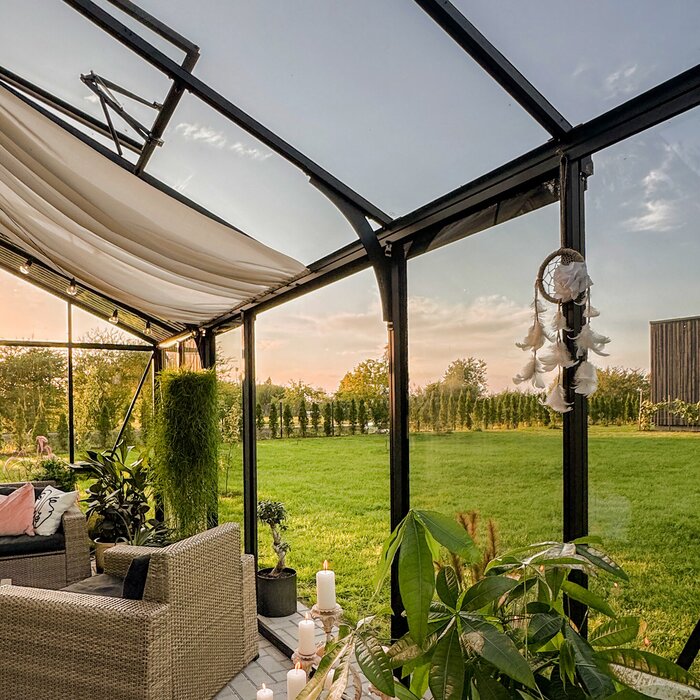
Shade options act at different points. External cloth or screens intercept sunlight before it reaches the glazing; an internal screen reduces direct light after it has entered. The choice can affect both heat gain and useful light, so compare how a screen is fitted, whether it can be removed or adjusted, and whether it suits the frame and covering. Do not assume a greenhouse includes shade cloth simply because shade is possible, or that one standard shade rating suits every crop. If a percentage is quoted, ask what it measures and under what conditions. Check the product's specifications and compatibility before treating an accessory as part of your cooling plan. If a screen is removable, consider where you would store it when not in use.
Match the system to the crop plan. Seedlings, fruiting crops and foliage plants may have different light preferences, and those needs can change through the growing season. If one fixed shade level would not suit all the plants, consider whether separate areas or an adjustable screen are practical. That option helps only if it is simple to operate and does not obstruct vents or doorways. For Classic Plus 385, review the listed glazing details and any compatible shade fittings, then check that the proposed screen leaves the openings usable. Map crops with different light needs before choosing a fixed screen.
03
Map sun exposure before choosing a site
Observe the proposed site at different times of day before deciding where the greenhouse should go. Note when direct sun reaches it, whether a building or tree casts shade during the hottest part of the day, and how the pattern changes through the growing season. A site that looks partly shaded during a quick visit may receive direct sun for many hours at another time; shade from a deciduous tree may vary, too. Keep a simple record rather than relying on memory. If seasonal use matters, consider the sun and shade pattern during the months when you expect to grow. These observations help you judge whether external shade is needed, how adjustable it should be and which sides must remain open for ventilation.
Also consider the space around the openings. A wall or fence may cast welcome shade but can restrict an inlet if it sits too close; a paved surface may receive and reflect strong sunlight depending on its position and finish. Avoid choosing orientation from a generic rule without considering the actual site. Mark the footprint, door swing, access path and nearby structures, then compare that sketch with the product plan. Leave clearance for opening and upkeep, not just the footprint itself. If a tree or structure supplies essential shade, consider whether that pattern is likely to remain over time. Reviewing the site more than once helps avoid placing the greenhouse according to one moment's conditions.
Check wall-mounted designs against the wall
Wall-mounted greenhouses need a separate site check because the building wall forms one side of the setting. It may provide shade at some hours, but its position can also limit ventilation, affect how heat reaches the greenhouse or make a vent awkward to access. The wall's exposure and construction may influence that effect, so do not assume it will keep the growing space cool. Identify which sides the product plan shows as openable and how much clearance they need. Check the space needed to reach the wall-facing side for cleaning as well as ventilation. A wall-facing panel should not be assumed to provide an air inlet or outlet. Confirm the layout and opening details before deciding that the wall is an advantage.
Use the page for T-model wall-mounted greenhouse to check the stated layout against your wall position, available dimensions and sun path. Verify each vent position and whether a shade system can be attached as intended. If an opening would face a wall or be difficult to reach, ask for a drawing showing the installed arrangement rather than relying on a generic view. Where the wall and greenhouse interface or supporting structure needs assessment, ask the supplier or a suitably qualified professional what must be confirmed before ordering. This helps you compare attached options without assuming every wall position gives the same shade or airflow.
04
Allow room for crops, access and a suitable base
A footprint that fits the garden can still feel crowded once plants, tools and a walkway are inside. Estimate room for mature crops, leave a clear route to doors and vents, and allow space to prune, harvest and remove plant material. Usable floor width matters as much as outside dimensions; framing, benches or the chosen base may reduce the practical growing area. Consider whether tall crops will cast shade on smaller plants or obstruct openings as they fill out. Mark proposed containers, staging and paths on a plan so the listed outside dimensions translate into a realistic workspace. Check access around the outside too, particularly where you need to reach a vent or clean a panel.
Treat base information as part of the purchase, not a detail to resolve after delivery. Compare the product's stated base or foundation requirements with what exists at your site, and ask which components are included, which are optional and what preparation is expected. For pyramid greenhouse for a masonry base, confirm the exact dimensions, interface and site conditions in the product documents; the title alone is not a construction specification. Check whether any base parts are included or separate for the configuration you are considering. Do not guess at structural requirements. If the ground, foundation or attachment needs assessment, consult a qualified professional before ordering and make sure the proposed footprint matches the prepared area.
Compare glazing and frame details
Glazing choice affects how much light reaches the plants and influences how the greenhouse responds to sun, so compare stated material and performance details rather than relying on a clear photograph. Ask what the covering is made from, whether it has a UV-related treatment or other coating, what care it requires and how shade fittings attach without interfering with vents. Different coverings can behave differently; do not assume a particular material will make a greenhouse cooler. If light transmission or heat-control properties matter to your crop plan, ask for the relevant technical details. When comparing performance figures, check that they use the same measure and whether they describe the glazing alone or the assembled greenhouse. Also ask about replacement panels and routine cleaning.
Check frame information separately. On the page for Aluminium Classic Greenhouse, check the stated frame materials and finish separately from the model name; confirm the fasteners, surface treatment and care requirements too. Then check whether the specified frame and glazing accept the ventilation and shading additions you intend to use. A screen attachment may need a compatible fixing method, while a vent mechanism needs unobstructed movement. If you might add shade later, ask which fittings can be used alongside the vent hardware. This joined-up comparison is more useful than assessing the covering, frame and shade system as unrelated features.

05
Decide how you will operate ventilation and shade
Cooling is a routine as well as a product feature. Decide how often someone can adjust vents and shade during hot weather, and what will happen while the greenhouse is unattended. Manually operated openings require someone to notice changing conditions; an automatic opener may reduce daily handling, but only if the product page confirms it is included or compatible and describes its operating limits. Ask whether different vents can be set independently, how each mechanism is reached and what care it needs. Consider who will make adjustments and whether the routine is realistic. Do not assume an automatic control operates every opening or shading system.
Likewise, compare removable, adjustable and fixed shade systems for convenience, seasonal use and access. A movable system may be easier to adapt as the sun changes, but it still needs compatible attachment and must not block vents or doors. Check whether you can adjust the screen without reaching over plants or obstructing an opening. If considering Aluminium Wall Greenhouse, check the ventilation controls and shade options stated for that exact model. If your plans depend on a fan or powered control, confirm compatibility and requirements with the supplier, and consult a qualified installer where appropriate rather than assuming a generic greenhouse can support it.
Compare product details before ordering
Once you have a shortlist, make a side-by-side record of usable dimensions, opening positions, stated ventilation area, glazing, shade compatibility, access and base requirements. Use the same questions for every listing, mark facts that are missing and rank the features that matter most to your crops. Ask for current drawings and written clarification about included components, optional accessories, maintenance and operating limits. Record the exact configuration you are considering, not only the broad model name. Product photographs, category labels and model numbers should not fill gaps in the specification. If a missing detail affects how you will control heat, keep comparing until you can make a like-for-like decision.
Include limited-edition aluminium greenhouse on the same checklist; the wording in a catalogue name does not indicate its vent provision or whether shade accessories are included. Before ordering, check that the selected model, options and site requirements are stated consistently in the order information. Confirm questions about dimensions, access for delivery, base preparation and assembly with the seller before committing, without assuming optional items are included. If an answer affects your choice, keep it with your buying notes so you can compare the final configuration with the site and cooling plan you prepared.
Frequently asked questions
Is a larger greenhouse easier to keep cool?
Not by itself. Extra space can be useful, but the floor area alone does not show how effectively heat can leave. Opening positions, stated vent area, sun exposure, crop density and shade all matter. Compare the ventilation provision with the greenhouse dimensions, then choose a footprint that suits your plants and access needs. Do not treat extra floor space as a substitute for a cooling plan.
Are open doors enough for greenhouse ventilation?
A door may help when it is open, but it is primarily an access point and may not provide a practical everyday route for air once closed. Check the listed roof and side openings, how they work together and whether you can operate them without leaving the door open. Compare the stated opening details rather than judging airflow from a door's apparent width.
Should shade go inside or outside the greenhouse?
Neither is universally right. An external screen intercepts sunlight before it reaches the glazing; an internal screen reduces direct light after it has passed through. The better choice depends on crop light requirements, the covering and what the greenhouse can accept. Check compatible products, any stated shading performance and how easily the system can be adjusted or removed as conditions change.
Do automatic vent openers remove the need to check the greenhouse?
No. An automatic opener may reduce manual adjustments, but check whether it is included or optional, which vents it operates and what limits apply. If the greenhouse will be unattended, consider whether the stated controls match your expectations and what backup plan is practical. Automatic operation does not remove the need to monitor the growing environment or maintain the mechanism.
Can a wall-mounted greenhouse suit a hot site?
It can be considered, but the wall's shade, sun exposure and effect on vent access need to suit the site. Check which sides have openings and whether they will remain clear after installation. Compare the product drawing with the wall's position rather than assuming the wall provides useful shade or prevents overheating. If the attachment or supporting structure needs assessment, ask a qualified professional.
Choose on the combination: a clear ventilation route, workable shade, enough light for your crops and access to use the controls. Then test the product information against your site notes on sun, obstructions, wall positions and practical space. If a decisive point remains unanswered, get written clarification before ordering or keep that model off the shortlist. This approach leaves you with a greenhouse you can manage through strong sun, rather than one whose cooling plan depends on assumptions.
