
Buying a Greenhouse for Seed Raising: Benches, Light & Temperature Control
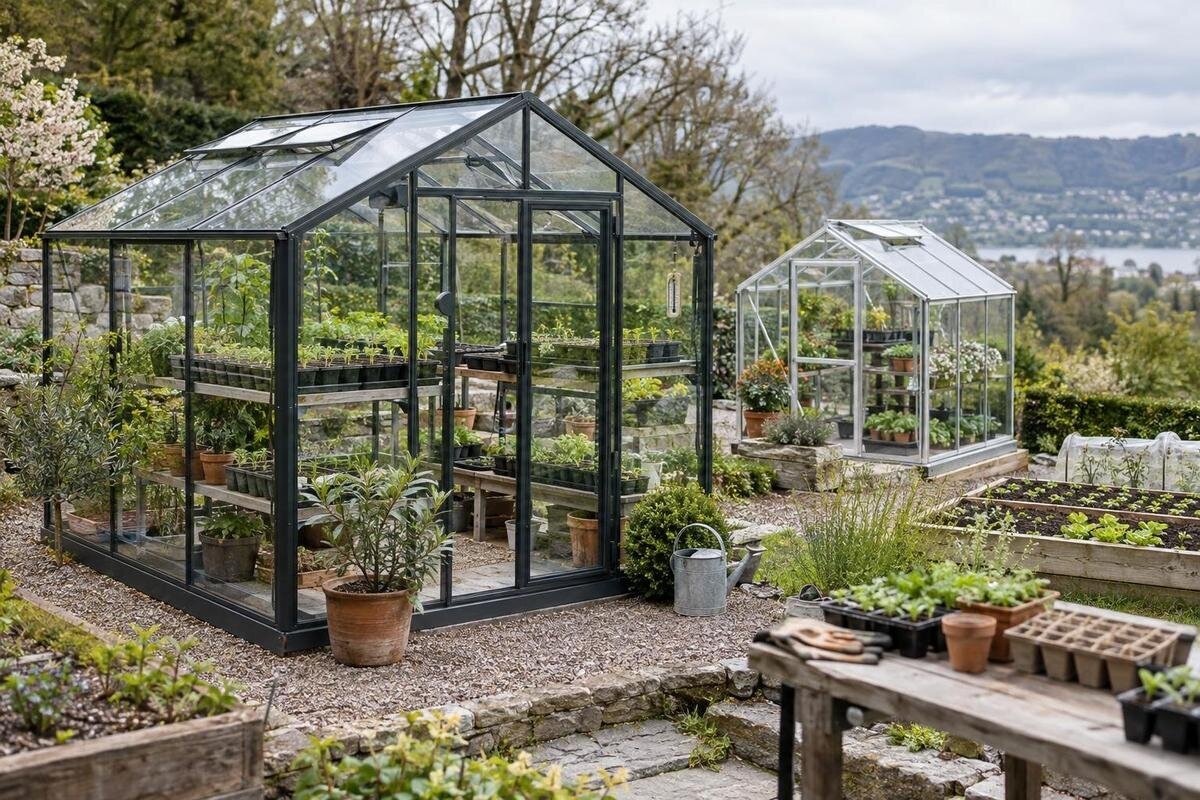
Greenhouse buying guide
Seed raising uses a greenhouse differently from storing pots or sheltering established plants: trays need accessible bench space, useful light and a workable way to manage changing temperatures. When comparing greenhouses, plan for the busiest sowing period, then assess the bench area, the site’s sun and shade, ventilation and any separate propagation equipment you may need. A structure can moderate outdoor conditions, but its name or apparent size will not tell you whether it suits the seedlings you grow. Check the dimensions and included features against your routine before ordering.
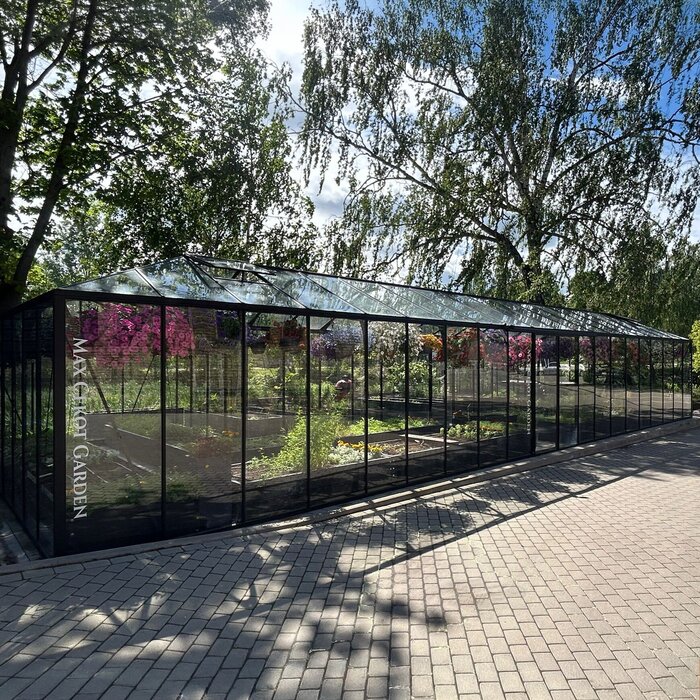
Plan bench capacity for your busiest sowing period
Estimate bench demand for the busiest part of your sowing calendar, not just the first batch. List the varieties and batches you expect to start at once, then note each tray or module size and how long it will stay on the bench. Include the potting-on stage: seedlings moved into larger cells or pots can occupy more room than freshly sown trays. If sowings overlap, work out which trays will still be there when the next batch arrives; size for that overlap rather than an ideal rotation. Keep a little work area free for labels, tools and temporarily holding trays while you water or transplant.
Sketch the bench top using the containers you actually use, including clearance to lift trays out. Compare the drawing with usable internal measurements, not only the external footprint; frames and access routes can reduce the space you can work with. A product name such as Bloomcabin Orangerie does not establish bench capacity, so use the stated dimensions and seek clarification if key measurements are absent. Record bench height and shelf spacing too: you should be able to reach the back row and remove a tray without disturbing its neighbours. Confirm whether benches are included, optional or need to be sourced separately, and check any stated load limit in the manufacturer’s information. A simple tray-scale sketch can reveal whether you have enough room to set one tray down while moving another.
Measure usable space and room to work
Measure the whole working footprint, including the clear path from the entrance to each bench. You may need to carry a tray in both hands, turn with a watering can and reach the back row without stepping on plants. Check the door opening and the space its operation occupies, then compare these with your bench depth and position. Greenhouse dimensions are not the same as clear working room: frame members, corners and entrance fittings can affect the layout. Mark the proposed footprint and aisle on the ground or on a scaled sketch before ordering; a tape measure can reveal pinch points that a product photo hides.
Check headroom and internal width as well as length. Shelves can use vertical space, but upper tiers may shade trays below, restrict taller seedlings or make watering awkward. Decide how many levels you would actually use and whether you can lift a loaded tray without knocking other containers. Compare the stated internal dimensions, entrance and staging details; if a feature is not specified, ask rather than infer it from an image. Treat Classic Plus 385 as a candidate to assess by its actual measurements, not by the number in its name. If you plan to keep pots beside your seed trays, mark their positions too so they do not narrow the aisle.
Check sunlight at the proposed site
Visit the proposed site at different times of day and note direct sun, dappled shade and deep shade. Repeat the check at another time of year if nearby trees or buildings change the shadows; a single bright visit can mislead. Look at the likely bench positions as well as the glazing, since the frame and nearby objects can cast shade inside. A compass direction alone will not show whether an obstruction blocks light during the hours you use the greenhouse. Keep notes or a simple sketch so you can compare conditions across the sowing season rather than judging by how bright the spot looks at midday.
Seed packets and reliable seed-supplier advice can explain whether a variety needs light to germinate; after emergence, seedlings still need suitable light for compact growth. Too little light can encourage them to stretch towards it, while strong sun may heat a small enclosed space quickly. Think about where trays will sit, not just whether light reaches the roof. A listing such as Prestige greenhouse with metal foundation should be considered alongside your site observations, not as evidence of a particular light level. If seasonal shade leaves little usable daylight, decide before buying whether a different position or purpose-designed grow lights are realistic.
Compare glazing information and shade options
Check what glazing material is specified and whether the manufacturer provides relevant light information. A clear appearance in a photograph does not confirm how much light will reach the seedlings or how it is distributed. Read the stated panel details and any light-transmission information; if a detail matters to your decision but is not provided, ask for clarification. Also check whether the description refers to glazing supplied with the greenhouse or an optional upgrade. For seed raising, the frame and footprint are only part of the choice: the growing area also needs suitable light for the plants you intend to raise.
Plan how you would manage strong sun as well as low light. If the site receives intense sun, consider whether you can add shade when needed without blocking vents or making the benches hard to reach. Shade will not solve a basic shortage of daylight, so a brighter position may be the better answer there. A name such as Aluminium Classic greenhouse does not, on its own, identify glazing performance or confirm that shade is included. Compare the documented glazing and accessory details, and consider how you will access the panels for cleaning in line with the manufacturer’s care guidance.

Plan warmth around the seeds you grow
Temperature needs vary by seed and by stage, so start with the instructions on the seed packet or from a reliable seed supplier. Some varieties germinate best within a narrower range than others, and the preferred conditions may change after sprouting. A greenhouse can warm in sunlight but does not guarantee an even temperature: a sunny afternoon may be much warmer than the air outside, while conditions can cool when sunshine fades. Position, ventilation and weather all affect readings. Do not choose a greenhouse on the assumption that it will maintain the conditions your seeds need unaided.
Decide whether you need a warm germination area inside the greenhouse rather than trying to heat the whole space for every crop. A suitable propagation unit or heated mat can provide local warmth, but check its own instructions and compatibility; do not assume it comes with the greenhouse. If you compare a wall-style listing such as T Model wall-mounted greenhouse orangery, check the greenhouse features separately and consider how you will monitor temperatures around the trays. If powered equipment is part of your plan, confirm that it is suitable for its setting and have any fixed electrical work handled by a qualified professional.
Plan ventilation and temperature monitoring
Ventilation belongs in your temperature plan, not at the bottom of a feature list. Air inside a sunlit greenhouse can heat up quickly, and a small space can become too warm for trays even when outdoor conditions feel mild. Check the number and position of vents, whether you can reach the openings easily, and what the product information says about automatic openers or other ventilation accessories. Do not assume these features are included because they appear in a photograph. Air exchange can also help manage condensation, but a vent count alone does not tell you how easy it will be to control conditions.
Think about daily operation: will you be able to open or close the vents when conditions change, including on days when you are away? A min–max thermometer placed at seedling height can show highs and lows more usefully than a reading near the roof or outside. Record readings for a few days before deciding whether you need extra shade, ventilation or local warmth. If considering a wall-layout option such as Aluminium Wall greenhouse, check the documented vent locations and whether you can reach them; the name itself does not tell you how temperatures will behave.
Check the greenhouse layout and base requirements
Match the layout to the site. A freestanding structure and a wall-mounted design use space differently, and each affects how you reach the sides for watering, cleaning and moving trays. A nearby wall may also change the shade pattern or access to vents, so observe the location through the day before deciding where benches will go. Check the manufacturer’s information for the required base or mounting arrangement. Do not assume that an existing surface will match those requirements, or that a product name describes all the preparation needed.
Consider access to the site as well as the final position. Parts may need to pass through gates, around corners or along a narrow path, and you will need room to assemble the structure as directed. Check the required base, installation method and separately supplied components in the product information; use a suitably qualified installer where specialist work is needed. The wording pyramid greenhouse for a masonry base identifies a model, not a guarantee that an existing base will fit. Compare the stated requirements with the intended location, and ask for exact dimensions if they are not given.
Confirm inclusions, assembly and delivery details
Use the product information to establish what is included in the package. Check whether benches, shelving, glazing, doors, vents, a base, fixing hardware or an opener are included, optional or not mentioned. These details determine whether you are buying a ready-to-use growing area or will need to arrange a separate work surface and equipment. Compare like with like: two structures that look similar in images may have different inclusions. If an essential component is not clearly described, get confirmation rather than treating a photograph or broad product name as proof that it comes with the greenhouse.
Before ordering, check what assembly is expected, whether installation must be arranged separately and how delivery access is handled. Measure the route to the intended position and think about where materials can be placed; do not assume everything will fit through a gate or doorway. A listing such as limited-edition aluminium greenhouse should be assessed on its published particulars, not its edition label. Read the relevant terms for the purchase, warranty and returns, and include any required benches, propagation equipment or site work in your budget using current seller information.
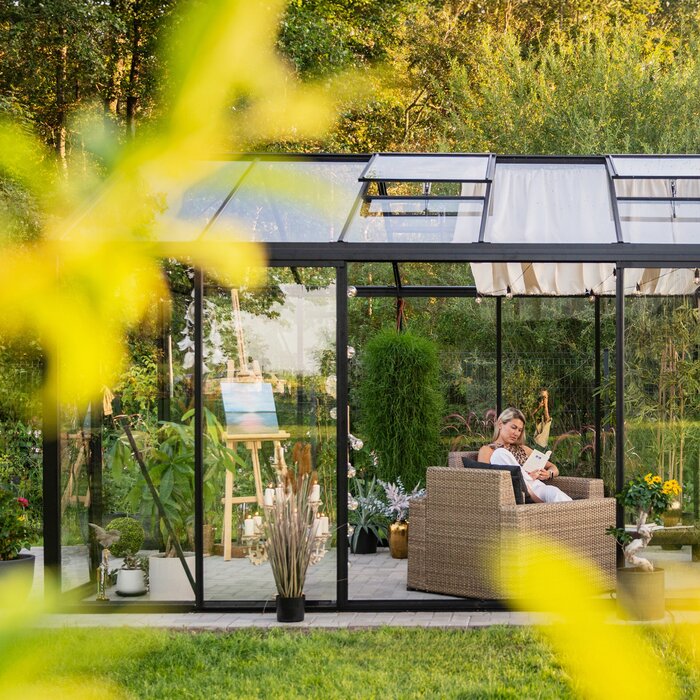
Fit the greenhouse to your seed-raising routine
Sketch the daily route from seed packet to transplant. You may bring in trays, label them, water them, check for emergence, pot seedlings on and remove finished batches. A clear entrance path and an accessible bench edge make these jobs easier; so does placing frequently handled seedlings where you can reach them without lifting one tray over another. Allow space for clean trays, labels and a small amount of potting mix. Plan how you will handle spills and keep the work area tidy. That working space matters most when several sowings overlap and routine jobs need to happen at the same time.
Think about water access before choosing a position. If you expect to carry water, consider the route and where you can set a container down without blocking the aisle. If you plan a fixed water supply, confirm the site and installation requirements with an appropriate professional. Seedlings also need a transition before they are moved outdoors. Reserve a place where you can check and acclimatise them according to their growing guidance, rather than assuming the greenhouse completes that process. Your hardening-off routine may affect how much room you need near the entrance and whether moving trays in and out will interrupt other work.
Compare complete setups, not just greenhouse shells
Compare each option against the same realistic workload. Use your peak tray count, the dimensions of your largest containers, the potting-on space you need and the time you can spend checking conditions. For each greenhouse, record usable bench area, door access, headroom, glazing information, ventilation details, base requirements and inclusions. Mark which details are confirmed and which remain unanswered. This comparison helps prevent an attractive image or a large outer footprint from deciding the purchase while a practical requirement, such as reaching every tray, goes unnoticed.
Then identify the trade-offs you can live with. A smaller structure may be easier to site but call for more tray rotation; a larger one may leave room to work but still need benches, shade or temperature equipment. These are planning considerations, not promises about a particular greenhouse. The right balance depends on your space and sowing routine. Price the complete setup, including essential accessories and any professional help, using current information from the seller. If a key requirement remains unclear, resolve it before ordering rather than trying to accommodate a mismatch later.
Frequently asked questions
How much bench space do I need for seed raising?
Count the trays and modules you expect to use at the busiest point, including batches that overlap and seedlings after potting on. Sketch their footprints on a bench plan, leaving room to reach, lift and water them. Compare this with the usable internal space, rather than relying on the greenhouse’s floor area alone.
Do seedlings need direct sunlight inside a greenhouse?
Light requirements vary by seed and plant, so follow the seed packet or supplier guidance. Once seedlings emerge, make sure their bench position receives suitable light. If the site is shaded, consider a brighter location or appropriate supplementary lighting rather than assuming the greenhouse glazing will make up for it.
Will a greenhouse keep seedlings warm overnight?
Not necessarily. A greenhouse can warm up in sunlight but does not guarantee a steady temperature after the sun goes down. Check the conditions your seeds need, measure temperatures near the trays and consider suitable separate propagation equipment if required. Follow the equipment’s own instructions; do not assume heating is part of the greenhouse.
Are benches included with a greenhouse?
Check the product details rather than assuming they are included. Confirm whether benches, shelves, base components and ventilation accessories are included, optional or sold separately. Compare their dimensions with the greenhouse’s usable interior, and check any stated load limits in the product information.
Can a wall-mounted greenhouse work for seed raising?
It depends on whether the required support, light, ventilation and access suit your site. Check how the wall affects shade through the day, which sides you can reach and what the manufacturer specifies for mounting or the base. The model name alone cannot confirm those details.
The best greenhouse for seed raising is the one that gives your busiest batch enough accessible bench space, useful light and manageable conditions at seedling height. Use a real tray layout and observations of the intended site to guide the choice, then account for the benches and separate propagation equipment your plan requires. A layout you can operate comfortably each day is more valuable than spare floor area you cannot reach.
