
Buying a Greenhouse on Black Friday for Next Spring: A Planning Guide
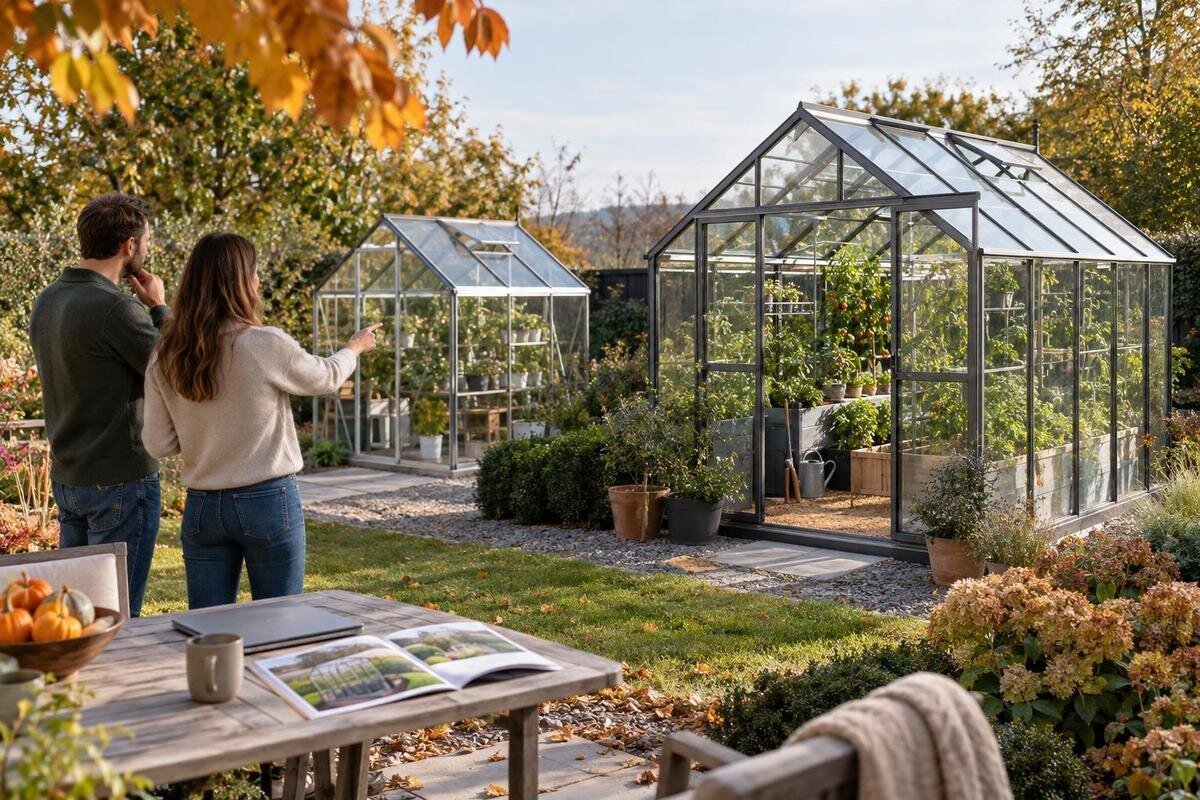
GREENHOUSE BUYING GUIDE
Buying a greenhouse on Black Friday for next spring is easiest when you treat the shopping event as one point in a longer plan. The right choice depends on the space available, what you want to grow, the model’s materials and base requirements, and whether delivery leaves enough time for preparation. A sale may offer an opportunity to compare, but no offer or arrival date should be assumed. This guide explains how to shortlist options and work backwards from your intended spring use before you commit.
Why buy ahead of spring?
Buying well before your intended use can leave time to compare models and prepare the site, but useful lead time depends on actual availability, delivery arrangements and any work required. Work backwards from the week you hope to start using the greenhouse: allow for the stated delivery window, base or ground preparation, assembly, and a final check against the instructions. Keep these as separate milestones instead of assuming checkout starts an automatic chain with no gaps. Write down what you expect to grow and when you want the space ready; a specific aim makes a schedule easier to test than the vague goal of having a greenhouse by spring. If the plan relies on a particular growing window, leave some flexibility rather than treating one date as guaranteed.
Black Friday is an event date, not a promise that a product is discounted, in stock or ready to travel. The Prestige greenhouse listing can sit on your shortlist while you check the current product information and ask about details that affect your timetable. Confirm the estimate for your delivery address, whether it refers to dispatch or arrival, and whether it depends on a particular configuration. Keep the date and any conditions with your planning notes, and leave room for uncertainty rather than arranging site work around an assumed delivery day. If the seller cannot confirm a timeframe that works, make the spring plan conditional or continue comparing instead of treating the shopping event as a deadline.
How to judge a Black Friday offer
Before browsing, set a budget and decide which product details are essential for your plans. Record the footprint you can accommodate, the internal layout you want, the frame and glazing materials, ventilation, base requirements and any accessories you need. These are comparison fields, not features that every model is assumed to include. A sale label or percentage is useful only when it applies to the exact greenhouse and configuration you are considering. Check whether the offer refers to one model, a bundle or an optional extra, and note any stated conditions. This prevents an event label from deciding the purchase before you know what would work in your garden.
Compare any advertised Black Friday price with the same model and included components, rather than a different size or a package with different contents. Record the offer terms and final amount shown for the configuration you would choose, including any delivery or optional-item charges relevant to that order, without assuming a discount or voucher exists. The Orangerie product listing is one model-specific page to inspect; the product name alone does not establish current pricing, contents or availability. If the terms are unclear, get a clear answer before you pay. A genuine comparison lets you decide whether the offer suits your brief, rather than treating urgency as evidence of value.
Measure the site before choosing a model
Use a tape measure and a simple sketch to mark the available space, including room for doors to open, access around the greenhouse and the path you will use to bring plants and equipment in. Measure in metres and compare the site with the product’s stated external footprint, not a rough label such as small or spacious. Mark fences, gates, paving, trees and overhead branches, and note anything that could restrict access or use. Measure the route from the driveway or street to the final position as well: a greenhouse can fit the garden but still be difficult to move into place. Leave working room for routine cleaning and handling, following the manufacturer’s guidance for clearances.
Observe the location at different times rather than judging it from one visit. Note when nearby trees or buildings cast shade, where rainwater collects, and whether the ground appears uneven or soft after wet weather. These observations help you ask informed questions; they do not replace the model’s installation instructions or professional advice where a base or ground condition is uncertain. Compare the stated dimensions on the Classic Plus 385 listing with your sketch, if the listing provides them, and ask if a key measurement is missing. Do not assume a model name or photograph proves that a greenhouse will suit the site.
Size the interior around your growing plans
Choose a size around what you intend to do inside, not only the number of plants you have today. List the crops and quantities you want to raise, whether you need room for potting or seed trays, and how much clear floor space you want for moving between plants. Shelves, benches, pots and tall crops all affect usable space; the external footprint alone will not show whether your planned layout works. If several people will use the greenhouse, account for the access each person needs. These details help distinguish the dimensions you need from features that would be nice but are not essential.
Think about how the plan might change over the next few seasons. A purchase that leaves no room for taller plants, additional trays or a practical walkway may feel restrictive, while choosing a larger footprint without a clear use can complicate site planning. Check internal dimensions and door openings where published, then sketch where benches, pots and a working area would sit. A product labelled as wall-mounted, such as the T Model wall-mounted greenhouse listing, still needs its own dimensions and installation conditions checked; its label is not proof that a particular wall or layout will work. Judge the configuration from the published information, not the name alone.

Compare frame and glazing materials
Compare frame materials by checking exactly what the model specifies, including any finish or treatment described. Consider how the frame will be cleaned, what routine care the manufacturer calls for, and how replacement parts are identified if something needs attention. A general material name is not a complete specification: construction, connectors, finish and care instructions can differ between products. If appearance matters, compare the colours and shapes shown in the actual product information, while remembering that images can make details hard to judge. Request written clarification for a material or maintenance detail that matters to you but is not established in the product information.
Glazing deserves its own comparison. Confirm the specified material, panel format and any stated replacement or cleaning guidance rather than inferring them from a photograph. Ask what is included with the chosen configuration and whether the product documentation explains ventilation and routine care. The Aluminium Classic greenhouse listing identifies a model to investigate, but the word aluminium in its name does not confirm every frame detail or tell you what glazing it uses. Compare only the facts shown for each shortlisted model, and seek answers before purchase if a material would affect maintenance, handling or the way you intend to use the greenhouse.
Confirm the base and site preparation
A greenhouse needs a suitable prepared position, and the correct base or support depends on the specific product instructions and the site. Before ordering, find out whether the model specifies a base type, dimensions, level requirements, fixing points or other preparation. Do not guess from a product photograph or use the dimensions of a different model. If the ground is sloping, weak, retaining water or otherwise difficult to assess, ask a qualified professional for advice about the site and base rather than relying on general shopping guidance. The aim at this stage is to confirm the requirements, not to design a foundation from a headline.
The name pyramid greenhouse listing identifies a particular model, but it is not enough detail to determine how your own base should be prepared. Check the actual instructions for dimensions and compatibility, and confirm whether the base is supplied or must be prepared separately. Coordinate any groundwork with the delivery estimate so you do not have a completed base sitting unused for an uncertain period, or a delivery arriving before the site is ready. If the work needs a builder or another qualified person, ask about their timing before treating a sale date as a purchase deadline. Keep the model and configuration details consistent in any discussion about the base.
Check delivery to your address
Delivery timing is part of choosing a greenhouse for next spring. Ask for the current estimate for your exact destination and model, then clarify whether it refers to dispatch, arrival or a delivery window. Check whether access for the delivery vehicle is restricted and where the goods are expected to be left. Do not assume details for another model, address or previous order apply to yours. Save the estimate and any conditions attached to it. If the seller cannot confirm a useful timeframe, plan for a later installation or keep comparing; a checkout confirmation is not the same as a confirmed arrival day.
Think about the final stretch from the delivery point to the prepared site. Ask whether unloading help is provided, what access is needed, and whether the packages will need to be moved by you or someone else. Package dimensions and weights are model-specific, so confirm those details rather than estimating from a product image. Check the Aluminium Wall Greenhouse listing alongside its current delivery information; the title does not establish package size, delivery route or installation fit. Also consider where the goods can be kept if assembly cannot begin straight away, and follow the storage instructions supplied for the product.
Work backwards from your spring start date
Put the purchase into a calendar that works backwards from your intended spring use. Leave space for the supplier’s stated delivery window, site preparation, assembly by the people responsible, and a final review of the instructions and parts. These stages may overlap only if the people involved agree; do not build a timetable from a generic claim about how long greenhouse assembly takes. If a tradesperson or installer is involved, confirm their availability before ordering. Add reminders for unanswered questions, offer conditions and any date by which you need to decide whether the schedule remains realistic. A written calendar can expose a timing mismatch before it becomes a rushed setup.
A model title cannot settle that timetable. For the limited-edition aluminium greenhouse listing, as with any named option, check what is stated about present availability and ask for a current delivery estimate before assigning it a spring-ready date. Do not assume the words limited edition mean it is in stock, that it will remain available, or that dispatch is imminent. Once timing is confirmed, work back from your intended use and leave a margin for tasks that depend on other people or weather. If the sequence will not fit, adjust the plan rather than relying on an optimistic estimate.
Keep product details and terms together
Keep a model-by-model record while you compare: exact name and configuration, stated dimensions, frame and glazing details, included components, base requirements, delivery estimate and any offer conditions. Save the product information as it appears when you decide, especially if details change; do not rely on memory or a screenshot of a general category page to resolve an order-specific question. Check that any answer you receive refers to the same greenhouse and configuration. If a detail affects fit, materials or preparation and is missing, ask before paying rather than turning an assumption into a site plan.
Read the product instructions and the seller’s published terms for support, returns, warranty coverage, spare parts and reporting damage. These can differ by product and order, so do not assume a policy from another purchase applies. Check what you should do if a component is missing, a delivery is delayed or the site cannot be prepared on time. This is not a reason to expect a problem; it is a way to understand the arrangements before committing. For a technical question about foundations, anchoring or a building detail, use manufacturer documentation or consult a suitably qualified professional rather than relying on a sale-page headline.
Final checks before placing an order
Once you have the information, separate must-haves from preferences. A workable site footprint, a layout that supports your planned crops, acceptable materials and care, a confirmed base approach, and a delivery schedule that leaves time before use should carry more weight than an appealing label. Compare only models with enough information to judge those points; mark unknowns instead of scoring them as if they were favourable. Then check whether a Black Friday offer, if one is actually shown, applies to the exact option you would choose. This keeps the event in its proper place: a chance to compare, not a reason to lower your requirements.
If two options remain, compare the trade-offs that matter in your garden: useful interior space against site footprint, preferred material against maintenance, and a stated delivery window against any unresolved detail. You do not need to force a purchase during the event. If product requirements, delivery or offer terms remain unclear, wait for a definite answer or revisit the shortlist later. If a model meets your brief and its timing can be confirmed, you can order with a realistic plan for preparing the site and making it ready for spring. A deliberate decision is more valuable than an attractive heading on a sale page.
Frequently asked questions
Is Black Friday too early to buy a greenhouse for spring?
Not necessarily. It can work if the model’s availability, delivery window, site preparation and assembly schedule leave enough time before you want to use it. Confirm those details for your address; a Black Friday checkout date alone does not establish when the greenhouse will arrive or be ready.
How can I choose a greenhouse size before ordering?
Measure the space available, then compare it with the model’s stated external and internal dimensions. List what you plan to grow and allow room for access, pots, trays and any benches you intend to use. Check door openings and layout details where they are provided.
Does a Black Friday greenhouse listing guarantee a discount?
No. Treat a discount, voucher or special price as available only if it is stated for the exact model and configuration you are considering. Read any conditions and compare the offer with the greenhouse that meets your requirements, rather than choosing on the sale label alone.
Can I order before preparing the base?
First confirm the chosen model’s base and installation requirements, then decide whether the timing works. If the site or base is uncertain, seek suitable professional advice before committing to construction details. Coordinate preparation with the delivery estimate so the site and order are ready in the right sequence.
What should I confirm about delivery?
Ask for a current estimate for your exact model and address, and clarify whether it refers to dispatch or arrival. Check access, unloading arrangements, where the goods will be left and how to store them if assembly is delayed. Do not assume details from another product or order apply.
Planning a greenhouse for next spring means matching the product to the site and giving each stage enough time. Measure first, define what you want to grow, verify the specific model’s materials and base requirements, and confirm delivery to your address. Treat any Black Friday promotion as one detail to compare, not proof that a greenhouse is the right fit or will arrive when you need it. With the essentials recorded and unanswered questions resolved, you can choose with confidence—or recognise when waiting is the more sensible choice.
