
Buying a Wooden Greenhouse: Materials and Maintenance
Greenhouse buying guide
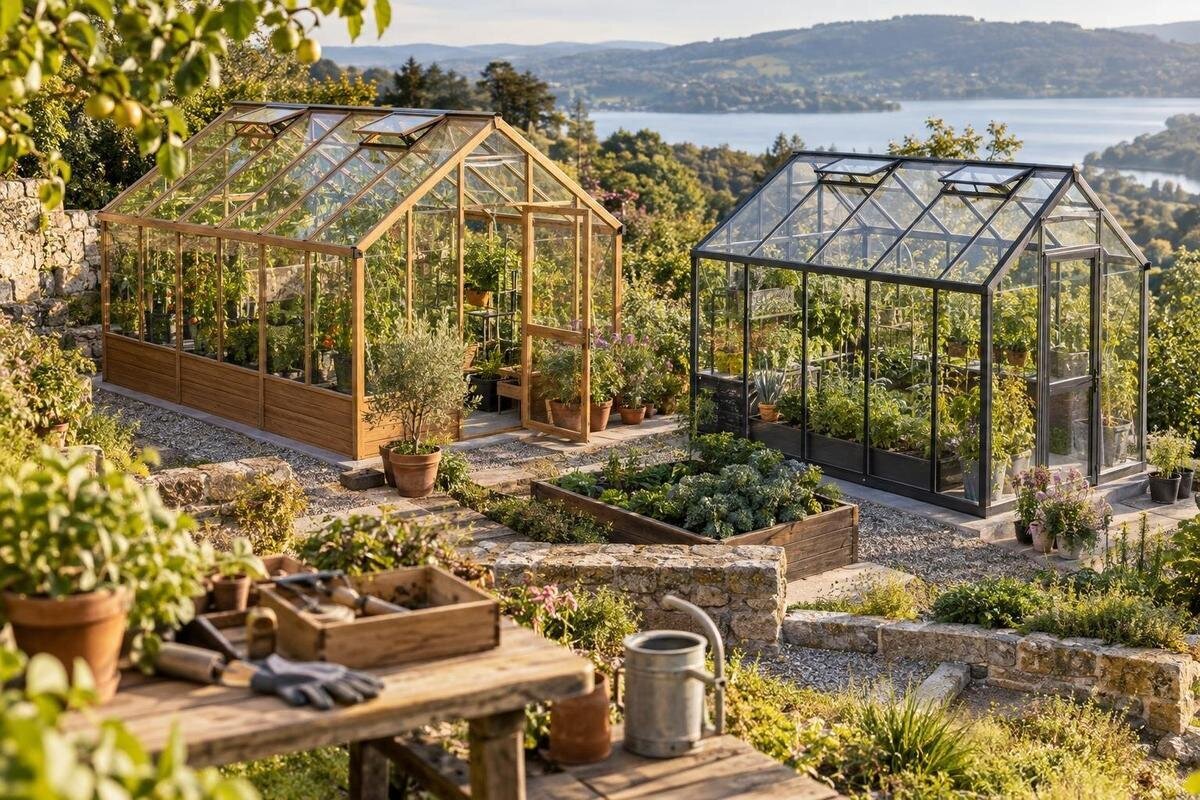
Choosing a wooden greenhouse means weighing the look of a timber frame against the care it may need over time. The right choice depends on more than a species name or product photo: check which components are timber, what treatment or finish is supplied, how the base is specified and what the maker asks you to maintain. Then compare usable space, site exposure and assembly requirements with the way you plan to grow. This guide explains what to confirm before ordering, without assuming every timber greenhouse uses the same materials or upkeep schedule.
Is a wooden greenhouse right for your garden?
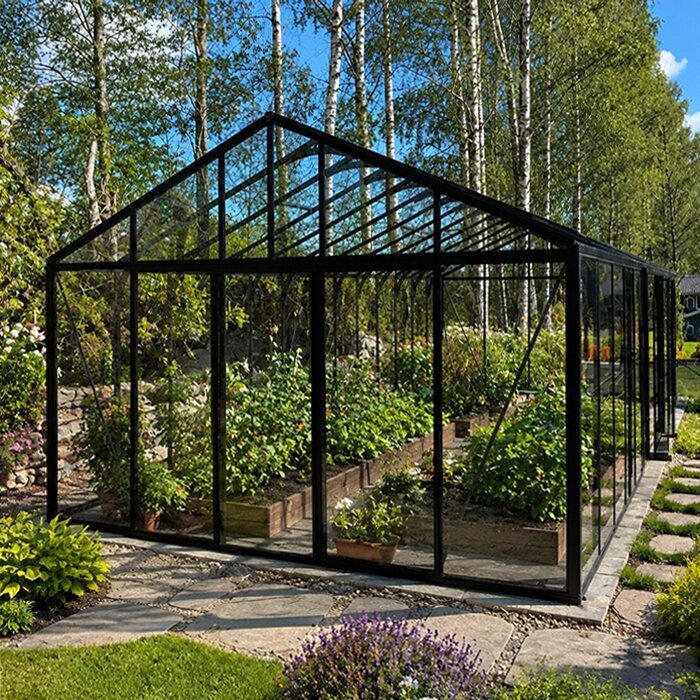
Begin with the qualities that matter in daily use. A timber frame brings a natural material into the garden, and its appearance may be an important part of the purchase. The trade-off is responsibility for the frame’s finish and condition, which vary with species, construction, treatment and exposure. Don’t assume a wooden greenhouse will be easy to repaint or maintain: the supplier’s instructions determine what can be refreshed and how. Write down your priorities—appearance, growing capacity, low-effort care, repair options or a particular layout—so you can judge a model against real needs rather than photographs. Also consider how much time you can set aside for periodic checks and surface care.
Decide whether timber itself is essential or whether you are open to other frame materials. In a wider comparison, use the aluminium classic greenhouse listing as another model page to inspect, not as evidence of a particular maintenance burden or performance. Check the stated frame materials, finish, care instructions, glazing and dimensions for each candidate. A claim that one material is always lower-maintenance is too broad; joints, coatings, exposure and access to surfaces can change the work involved. Compare the documented requirements with the care you can realistically provide.
Identify the timber in each part of the greenhouse
When a listing says wooden or timber, check what that description covers. A greenhouse can combine a timber frame with different materials for its base, door furniture, fittings or foundation, so the title alone will not settle the details. Read the materials list and separate the main structure from parts supplied as accessories. The Prestige greenhouse with metal foundation title is a model name, not a parts schedule; use the specification to verify the frame and base materials independently. If the details are missing, ask which components are timber and which may need to be sourced separately before comparing models.
Compare timber by the source of its protection, not by a label alone. A naturally durable species, an untreated species whose protection depends on design and finish, and treated timber are different approaches; none makes a frame maintenance-free or establishes its suitability on its own. You may see names such as cedar or pine, but ask for the exact species, grade if stated, treatment method and which components receive it. Hardwood and softwood are broad groups, not dependable rankings for outdoor durability. The maker’s written use and care instructions are a better basis for comparing how each choice fits your site.
Compare timber treatment and surface finishes
Separate preservative treatment from the finish you can see. A preservative is intended for the timber itself, while paint, stain or oil is a surface finish; a product may have one, both or neither. Ask what has been applied, which parts were treated, whether exposed cut ends or concealed faces were covered, and what the maker says to use later. These details matter because a coating suitable for one surface may not suit glazing seals, fixings or other materials. Don’t add a coating on assumption: ask for the approved product and preparation instructions first.
When assessing a model page such as Bloomcabin Orangerie, look for documented frame materials and finish details rather than reading them into the name. Include any model in a wooden-greenhouse comparison only if its specification confirms the timber construction. If you plan to grow food, ask what treatment or coating is present and whether its written use guidance is appropriate for the greenhouse context. Don’t assume an outdoor-timber product is suitable simply because it is intended for external use. Check whether follow-up coating is required and whether the maker limits where it can be applied; keep the answer with the care information.
Assess the site and available space
Measure the intended footprint and the space that must remain free around it. Allow for opening doors, reaching vents, cleaning glazing, carrying plants and getting tools inside; check the model’s door arrangement rather than guessing from a catalogue image. Benches and shelves reduce usable floor area and can obstruct access, so sketch their position before choosing a size. Use stated external and internal measurements where supplied, and confirm which way the door opens. The Classic Plus 385 page is a model reference, not a dimension: rely on measurements actually documented, not the number in its name.
Consider the conditions at the chosen spot. Note how sun and shade move through the day, as well as nearby trees, falling leaves, runoff, damp ground and exposure to wind or salt where relevant. Timber that stays wet or is difficult to reach for inspection can be harder to care for, while dense shade may not suit plants that need strong light. There is no universal orientation for every garden. If the site is sloped, exposed or has drainage issues, ask the supplier or a qualified site professional what the selected greenhouse requires before you order.
Confirm the base and support requirements
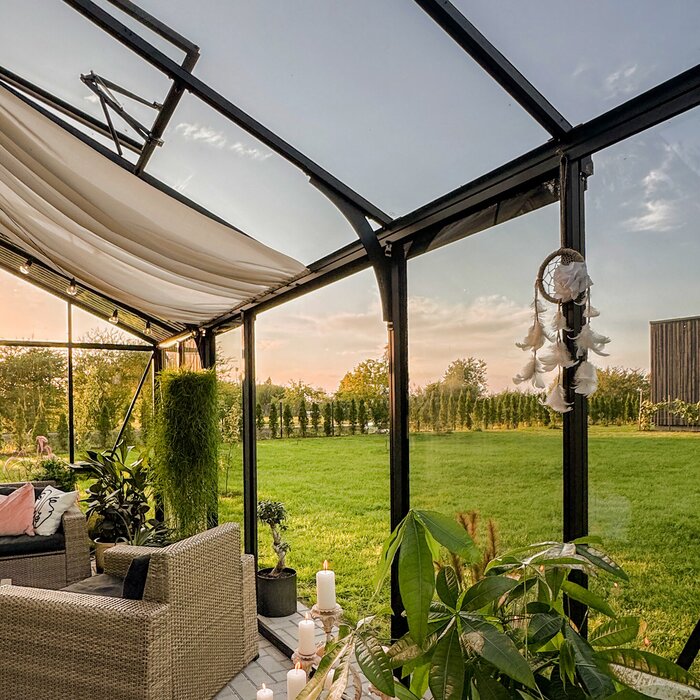
Check the base before settling on a frame. Find out whether the greenhouse is designed for a particular base type, whether that base is included, and what dimensions, flatness and support the maker requires. The product instructions—not a guess based on a photograph—should define the requirements. An unsuitable or uneven base may complicate assembly and door alignment, so don’t try to resolve site-specific foundation questions from generic online advice. If the ground, a retaining structure or existing paving raises concerns, ask a qualified builder or installer to assess the site and explain what is needed for the exact model.
For a model described as wall-mounted, include the supporting wall and the connection to it in your decision. The T-model wall-mounted greenhouse orangery title identifies a listing, but it does not establish the wall, fixings, clearances or suitability required for your home. Check the maker’s stated requirements and whether an installer should assess the wall; don’t infer attachment details from a render. Consider access to nearby windows, doors and the space behind the frame as well. If any structural or fixing question is unclear, ask a qualified building professional rather than improvising.
Plan a realistic timber maintenance routine
Treat maintenance as a recurring task, not a vague future possibility. Ask for a written schedule stating how often to inspect the timber, what signs need attention and which products are permitted. The interval may depend on the timber, finish and exposure. During checks, pay attention to lower rails, joints, end grain, corners, areas around openings and places where water or debris can linger. Look for a finish that is breaking down, persistent dampness, movement or damage, then follow the maker’s instructions for assessment. If a frame appears compromised, seek repair advice rather than simply covering the area with fresh paint.
Routine cleaning helps you see the surface clearly, but use only methods approved for the frame, glazing and seals. Keep leaves, soil and plant debris from building up against the timber; remove debris without scraping the frame or using incompatible cleaners on adjoining materials. Before applying a stain or preservative, confirm the required preparation and drying or curing time on the product instructions. Record when you inspected or recoated the greenhouse and which product you used. A brief maintenance log makes it easier to follow the maker’s guidance and pass accurate care information to someone else.
Compare upkeep as well as the purchase cost
Compare effort and long-term ownership as well as the initial price. A base or site work may be separate, and future spending could include approved finishes, cleaning supplies, replacement fittings or help with repairs. Your time matters too: a frame that is easy to inspect may be simpler to look after than one with hard-to-reach surfaces. Don’t estimate an annual maintenance cost from information about another greenhouse; ask for the schedule for each shortlisted model and note which costs are optional, recurring or uncertain. This gives you a more realistic basis for comparison without assuming any particular price or offer.
If a model title includes a base reference, such as pyramid greenhouse for masonry base, verify what the wording means in the specification: whether a base is included, what must be prepared separately and who supplies any additional materials. A title is not a quote for site work or a guarantee that your existing paving is suitable. Ask how the frame meets the base and what care is expected at that junction, where moisture and dirt may collect. Including base work in your comparison helps you avoid choosing a model that fits your budget on paper but needs preparation you had not allowed for.
Check the growing layout and access
Think about the space plants need, not just the outside footprint. List the crops you intend to grow and consider their height, access to beds or containers, shelving and room to move while carrying pots. Interior dimensions may be smaller than overall measurements because frame members and benches take up space. Confirm the clear width and height from the specification, then sketch a simple layout to see whether it leaves a workable route. If you expect to change crops or add shelves later, check whether the layout can adapt without blocking doors or vents.
Ventilation and access belong in the same plan. Check which openings are described, where they sit, whether you can reach their controls and how the door path interacts with benches or a nearby wall. Don’t assume a greenhouse will ventilate well simply because it has openings; rely on the documented design and choose a layout you can use. If you are comparing other formats, the aluminium wall greenhouse listing is a separate model page to inspect for its stated footprint and opening information. Its title is not evidence of dimensions or a guide to timber maintenance.

Read the product and ordering information carefully
Read the full product page and any assembly or care documents before ordering. Confirm the stated frame materials, glazing type, dimensions, ventilation components, fittings and what is included. Check whether the base, shelves, opening mechanisms or other pictured items are supplied or optional. Verify that the information describes the exact model and configuration in your basket, not a similar greenhouse in a gallery or a general category description. If the specification omits the timber species, finish, care schedule or a detail that affects your site, ask the seller for a written answer before purchase. Keep copies of the listing and instructions.
Check the terms for delivery, damage on arrival, returns, warranty and replacement parts, and note any stated maintenance conditions. Don’t assume coverage or service life from a headline; read the actual terms and keep your order confirmation. A title such as limited-edition aluminium greenhouse does not confirm current stock, a discount, delivery timing or what the package contains, and the same caution applies to any model name. Use the live listing and checkout details for those points, and ask about unresolved terms before you pay.
Compare shortlisted models on the same basis
Make a comparison sheet for two or three candidates, using the same questions for each: exact timber species and components; treatment and finish; written care schedule; base requirements; usable internal space; ventilation and access; included items; delivery and warranty terms; and any outside work or future costs. Mark each detail as confirmed, unclear or not applicable. This prevents a strong photograph or familiar label from outweighing missing information. It also helps you see which differences matter to your growing plans, rather than chasing a specification that sounds impressive but makes little difference to your plants or routine.
Set your non-negotiables before choosing: the greenhouse must fit the site, provide space for your planned layout and have a maintenance routine you can realistically follow. If two timber options remain close, compare the evidence for their construction and care rather than trying to rank species in the abstract. If no wooden model meets your site or upkeep requirements, pause and compare other greenhouse formats instead of compromising on an unverified base or finish. Resolving missing details before ordering is more useful than trying to work around an unclear specification after delivery.
Frequently asked questions
Which timber is best for a wooden greenhouse?
There is no single best choice for every site. Compare the exact species, construction, treatment, finish and the maker’s written care guidance. Ask how the chosen timber is intended to be used and what maintenance it needs. Broad labels such as hardwood, softwood or cedar are not enough to assess a particular frame.
How often does a timber greenhouse need maintenance?
Follow the maintenance schedule for the specific greenhouse rather than relying on a universal interval. The work can depend on the timber, finish and exposure. Inspect the frame regularly, paying attention to joints and areas that stay damp, and follow the maker’s instructions if you find damage or a finish that is breaking down.
Can I paint or stain a wooden greenhouse?
Only if the manufacturer permits it, and only with a compatible product. Ask what is suitable for the timber and for nearby glazing, seals and fittings. Follow the coating instructions for preparation and drying, and do not use a new finish to hide damage that needs assessment.
Does a wooden greenhouse need a separate base?
That depends on the exact model and what is included. Check the maker’s stated base requirements, whether the base is supplied and whether any site work is needed. If you are unsure whether an existing surface or site is suitable, ask the supplier or a qualified builder or installer.
Is treated timber suitable for growing food?
Do not assume that a treatment is suitable for every greenhouse use just because it is intended for outdoor timber. Ask the supplier for written information about the treatment or coating and its intended use, and follow any stated restrictions. If the details are unclear, get an answer before ordering.
A wooden greenhouse is a better fit when its materials, base and growing layout suit your garden, and its care routine suits your time. Verify the timber, treatment, finish and maintenance instructions in the actual listing, then compare those details with the site and any work needed before assembly. If a key specification is missing, ask for a clear written answer rather than guessing from a product title or photograph. Choose a model only when you understand both what it offers and what looking after it will involve.
