
Buying a Greenhouse Kit: Skills and Tools You’ll Need
GREENHOUSE BUYING GUIDE
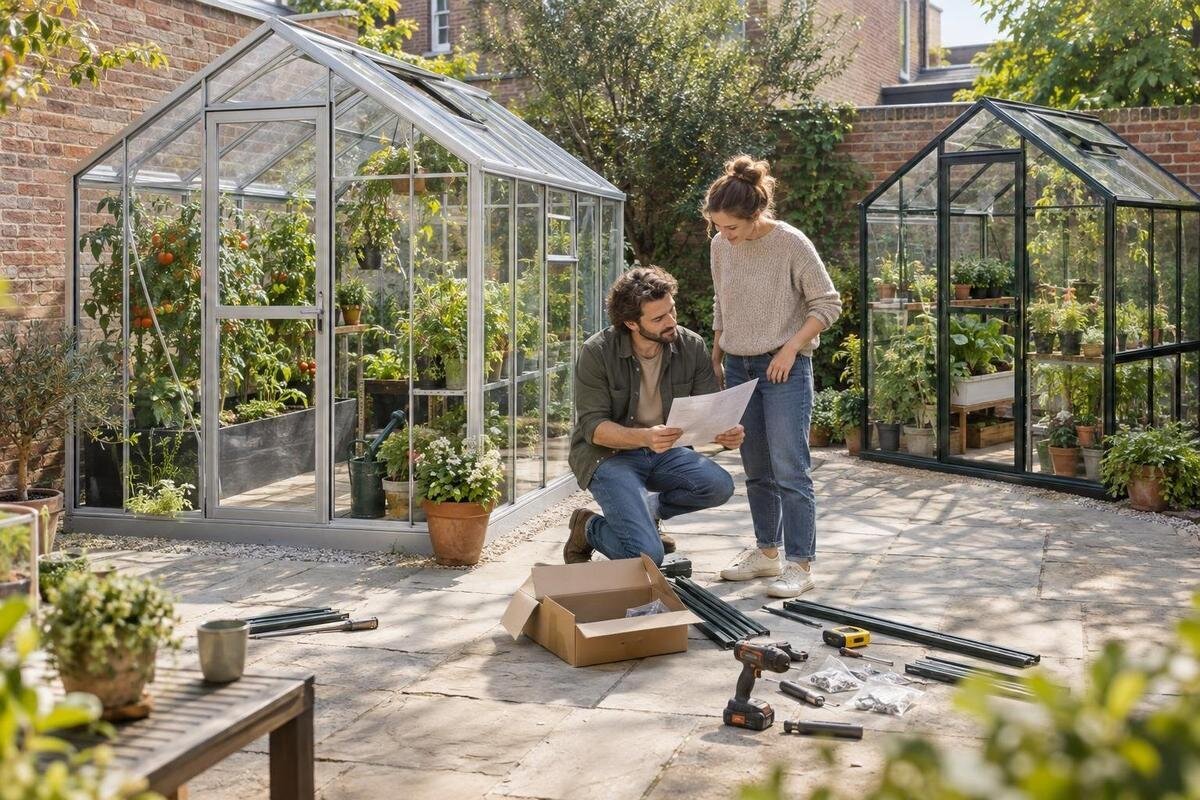
Buying a greenhouse kit is also a decision about the assembly work that comes with it. One kit may involve a fairly direct sequence of joining parts; another may require more careful alignment, glazing work or a base prepared in advance. A product title and a generic tool list cannot tell you whether a particular kit suits your experience. Before you order, find the instructions for the exact model, note the tools and help it calls for, and identify any work that must be ready beforehand. That makes it easier to compare the practical demands of different kits and avoid discovering a missing tool or unfamiliar task halfway through assembly.
Use the exact assembly manual to compare kits
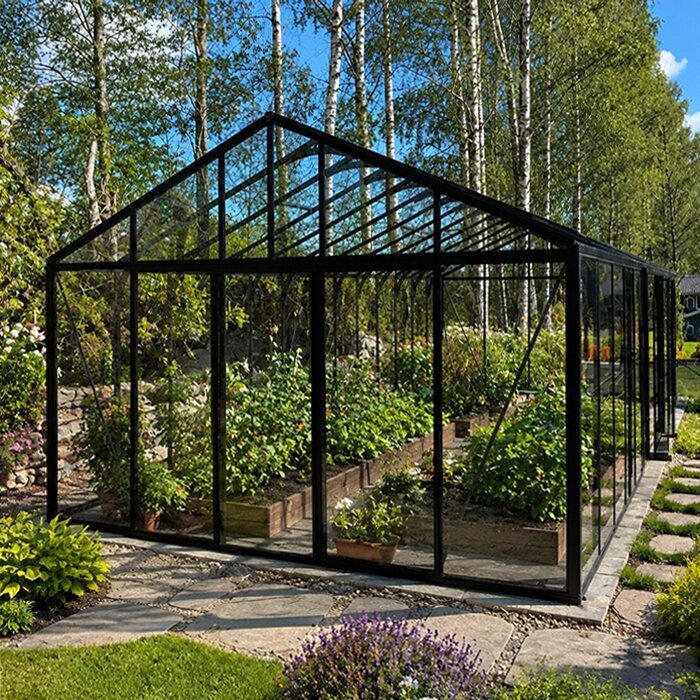
Before comparing colours or optional equipment, look for assembly instructions for the exact model. The manual should help you see the order of work, how components are identified, which joints need adjustment and whether glazing or other panels are fitted as part of the same process. It should also distinguish parts supplied with the kit from tools, fixings or materials you provide. A parts diagram alone may identify pieces without explaining the skills or sequence needed to put them together. If the manual is not available on the product page, ask whether it can be shared before purchase and whether it matches the version being offered.
Use the model name to keep your notes attached to the right product, not as a substitute for instructions. For example, the Bloomcabin Prestige greenhouse with metal foundation is a listing name; it does not, by itself, tell you which tools are needed or what the assembly sequence involves. Ask for the manual for the exact version, including any separate instructions for the door, vents or glazing if those are supplied. Check that diagrams and part references match the product description. If the information is vague or belongs to another model, treat that uncertainty as a real buying consideration, not a small detail to sort out after delivery.
Assess the assembly skills the instructions require
Greenhouse assembly is usually a series of practical tasks: identifying parts, following diagrams, measuring or checking alignment, holding pieces in position and tightening fixings in sequence. Experience with flat-pack furniture can help with reading instructions and keeping fasteners organised, but it does not automatically prepare you to handle every frame or panel. Look for steps that call for repeated adjustment, precise alignment or two components to be supported at once. A good sign is that the instructions explain how parts fit and what to do before moving on. If a step is not clear, do not plan to force parts into place.
Take stock of what you have actually done before, including using hand tools, checking measurements and keeping similar pieces separate. You may be comfortable assembling a small item but prefer help with long or awkward components. The manual’s stated skill or crew expectations matter more than a broad label such as “easy assembly”. For example, the Bloomcabin Orangerie is a product name, not evidence of the assembly skill level; look for its model-specific instructions before deciding whether the work suits you. This approach lets you compare kits on the tasks they describe rather than on assumptions about their names or appearance.
Build a tool list from the kit documentation
Tools for greenhouse assembly vary, so use the manual’s list as your starting point. It may call for hand tools such as screwdrivers, hex keys, spanners or a socket set, along with a tape measure and spirit level. A suitable step ladder may be relevant if the instructions show work at height. These are possibilities, not a standard kit list: the exact fasteners and assembly method determine what is appropriate. Check whether any tools are included, whether particular sizes or screwdriver bits are specified, and whether consumables are your responsibility. Do not buy equipment based only on a generic list for another greenhouse.
Turn the manual into a short checklist before checkout. Mark tools you already own, identify any gaps and check that your tools are in usable condition and the right size. If you are considering a powered driver, confirm that the instructions permit one; a tool that applies too much force can damage a fixing or make later adjustment difficult. For comparison notes, the Classic Plus 385 listing gives you a model to identify, but its name does not establish the tool requirements. Check the relevant instructions for that listing and compare its actual requirements with the equipment you have or are willing to obtain.
Check what the base and fixing work involves
Separate greenhouse assembly from the work needed to prepare its support. Before ordering, find out whether any base components are part of the kit, whether a prepared base is expected and how the frame is meant to meet that support. The manual may also show whether a base or fixing step comes before the main frame is assembled. These details can affect your tool list and the order in which you plan the work. Do not infer what is included or required from a product title alone; look for explicit information about the exact model and the parts supplied.
If preparing a base, working with masonry or fixing a greenhouse to an existing structure is outside your experience, clarify what the instructions cover and what remains to be done. Ask a suitably qualified professional to assess work that needs technical judgement rather than improvising from a general assembly guide. The T-model wall-mounted greenhouse orangery is an example of a listing name to keep distinct in your notes; the name itself does not explain the fixing method or the preparation required. Confirm those details before deciding that the work fits your skills, tools and site.
Find out how glazing or panels are fitted
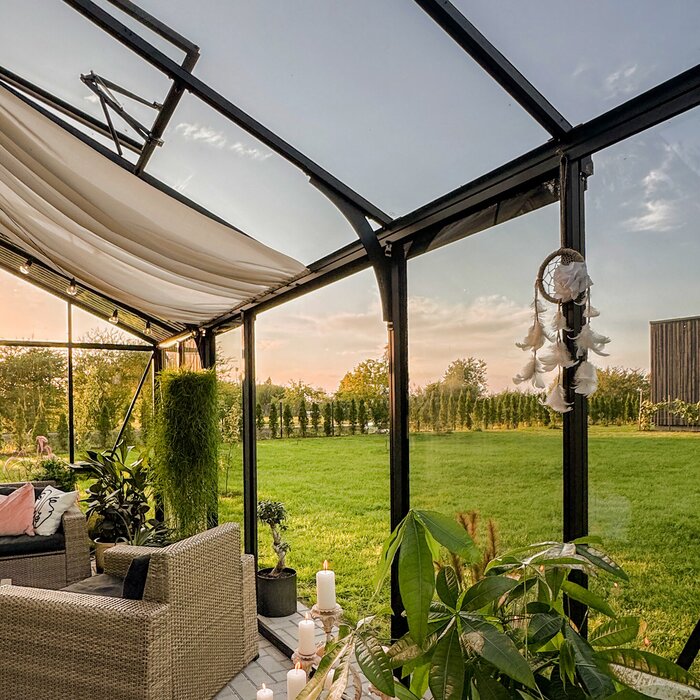
If the kit includes glazing or other panels, check how they are handled and fitted. Look for the order of installation, how each piece is retained and whether fitting happens while the frame is being assembled or at a later stage. Small differences in sequence can affect whether you can work steadily and keep parts organised. Ask whether the instructions identify each panel clearly and explain how to protect it while it is waiting to be fitted. These are useful questions for any kit with separate panels; do not assume that one greenhouse’s instructions apply to another.
Plan a clean, sheltered place to lay out components so panels are not left where they could be knocked or obstruct the work area. Follow the manual’s handling guidance, and do not proceed if a part seems damaged or the fitting method is unclear. The Pyramid greenhouse for masonry base is a listing title, not a description of its glazing or panel assembly. If it is on your shortlist, check the documentation for that exact model and ask about any handling steps that the listing does not explain. Knowing the sequence beforehand helps you judge whether you can manage it without rushing.
Plan handling help and safe access
Check whether the instructions recommend more than one person for any stage. Some components may be long, awkward to manoeuvre or difficult to hold while a fixing is started, even when they are not especially heavy. The product information and manual are the right sources for model-specific handling guidance; do not guess at weight or assume a solo assembly is suitable. If the recommended number of people is unclear, ask before buying. Include the availability of help in your decision, rather than treating it as something you can work out after the kit arrives.
If the manual shows work that involves reaching above a comfortable height, plan safe access rather than balancing on furniture or improvising a platform. Follow the instructions for any access equipment and pause if you cannot hold a part securely or see the fixing clearly. The Aluminium Classic greenhouse is a product name to distinguish in a comparison, not evidence about its handling requirements. Check the instructions for the model you are considering, then decide whether you have the right help and safe working conditions for the tasks they describe.
Allow time for sorting and accurate assembly
Do not base your schedule on a general estimate for greenhouse assembly. The time can depend on how clearly parts are identified, how much preparation remains, your familiarity with the tools and whether help is available. If a listing gives an estimate, check whether it explains the assumptions behind it; do not treat a figure for another kit as a reliable guide. Leave room to read the instructions carefully, sort the components and check alignment before tightening fixings. Rushing to meet an arbitrary deadline makes it harder to notice a part fitted in the wrong sequence.
Think through where a pause could occur if you need to stop partway through. Keep fasteners and similar parts in labelled groups, record completed steps and leave the work area arranged so components are not mixed up or disturbed. Follow any instructions about leaving the frame supported between stages. The Aluminium wall greenhouse is another listing to assess from its own documentation; its title cannot tell you how long assembly takes. Compare the stated sequence and preparation with the time you can realistically set aside, including time for checking your work.
Ask about parts, support and assembly inclusions
Before you order, check what the kit price and product description actually cover. Look for an itemised contents list and note any tools, fixings, base parts or other materials that are excluded. If the listing does not make this clear, ask the seller for confirmation in writing. It is also useful to find out how to report a missing or damaged component and what information is needed to identify a replacement part. These questions do not assume that anything will be missing; they help you understand the support available if the delivered kit differs from the documented contents.
Clarify whether assembly help is included, separately offered or not part of the purchase, and ask what the service would cover if it is available. A greenhouse kit should not be assumed to include assembly just because the seller provides instructions. Use the limited-edition aluminium greenhouse as a listing to check against these questions, rather than assuming its name indicates any particular service or contents. Comparing the same details across your shortlist can reveal whether you have enough information to plan the work and whether any additional tools or help need to be arranged.

Prepare a clear workspace and plan for delivery
Think about how the kit will reach the assembly area before you place an order. Check the seller’s delivery information for details about access, unloading and any arrangements you need to make at your address. Measure routes and doorways that may affect moving packages to where you can sort them, and make sure there is a clear place to work without blocking everyday access. The dimensions and handling requirements of the actual packages should come from the seller, not from a guess based on the greenhouse’s appearance. If you are unsure about access, ask before completing the purchase.
Choose a dry, orderly place to keep the instructions, tools and components together, and avoid laying parts where they may be stepped on or shifted. Once the kit arrives, compare its contents with the supplied inventory before beginning; if something appears missing or damaged, follow the seller’s process rather than continuing and hoping it will not matter. Keep the manual accessible throughout assembly, not just during the first step. These small preparations make it easier to work methodically and reduce the chance that a misplaced fastener or an unclear part identification will interrupt the job.
Decide when DIY assembly is beyond your scope
A DIY purchase is more realistic when you can access the correct instructions, understand the sequence, obtain the named tools and arrange any recommended help. Reconsider if several key details remain unanswered, if the manual relies on skills you do not have or if the work includes base or fixing tasks you cannot confidently assess. This does not mean every unfamiliar step requires a professional; it means you should distinguish ordinary assembly from work that needs separate expertise. If the project includes technical work outside the kit instructions, ask a suitably qualified professional what is involved before you commit.
Write down the work that is confirmed, the tools you need and any help or preparation to arrange. Then compare that list with the time, workspace and practical experience you can bring to the project. If the list is manageable, you can choose with a clearer idea of what the purchase involves. If it is not, look for a kit with clearer guidance or consider whether appropriate assembly support is available. The useful comparison is not simply which greenhouse appeals most, but which option has instructions and requirements you can realistically meet.
Frequently asked questions
How can I tell whether a greenhouse kit suits a first DIY project?
Read the assembly instructions for the exact model and compare each task with work you have done before. Look for clear diagrams, a manageable sequence and stated requirements for tools or extra help. If the instructions are unavailable, ask for them before ordering rather than relying on a general description such as “easy assembly”.
Are tools usually included with a greenhouse kit?
Do not assume they are. Check the product information and manual for an explicit list of supplied tools, then note anything you need to provide yourself. If the list is unclear, ask the seller which tools and consumables are required for that model.
Can I assemble a greenhouse on my own?
That depends on the model’s instructions and the size and handling of its components. Check whether the manual specifies a number of people or asks for someone to hold parts in place during a step. If it does, plan help rather than assuming you can safely manage the task alone.
Can I use a cordless drill instead of hand tools?
Only if the instructions allow it. Some fixings can be damaged by using the wrong bit or applying too much force. Check the manual for tool guidance, and use the specified hand tool if it does not recommend a powered driver.
What if I cannot get the assembly instructions before buying?
Ask the seller for the instructions or a clear list of assembly requirements for the exact model and version. If your decision depends on knowing the tools, number of people or base preparation, wait until those details are clear before ordering.
The most useful greenhouse kit comparison includes the work behind the product name: the assembly sequence, tools, handling help and any preparation that is not included. Use the exact model’s instructions to judge those demands, and resolve important unknowns before ordering. When the requirements fit your skills, equipment and available time, the kit is a much more informed choice.
