
Buying Your First Greenhouse: A Step-by-Step Decision Guide
Greenhouse buying guide
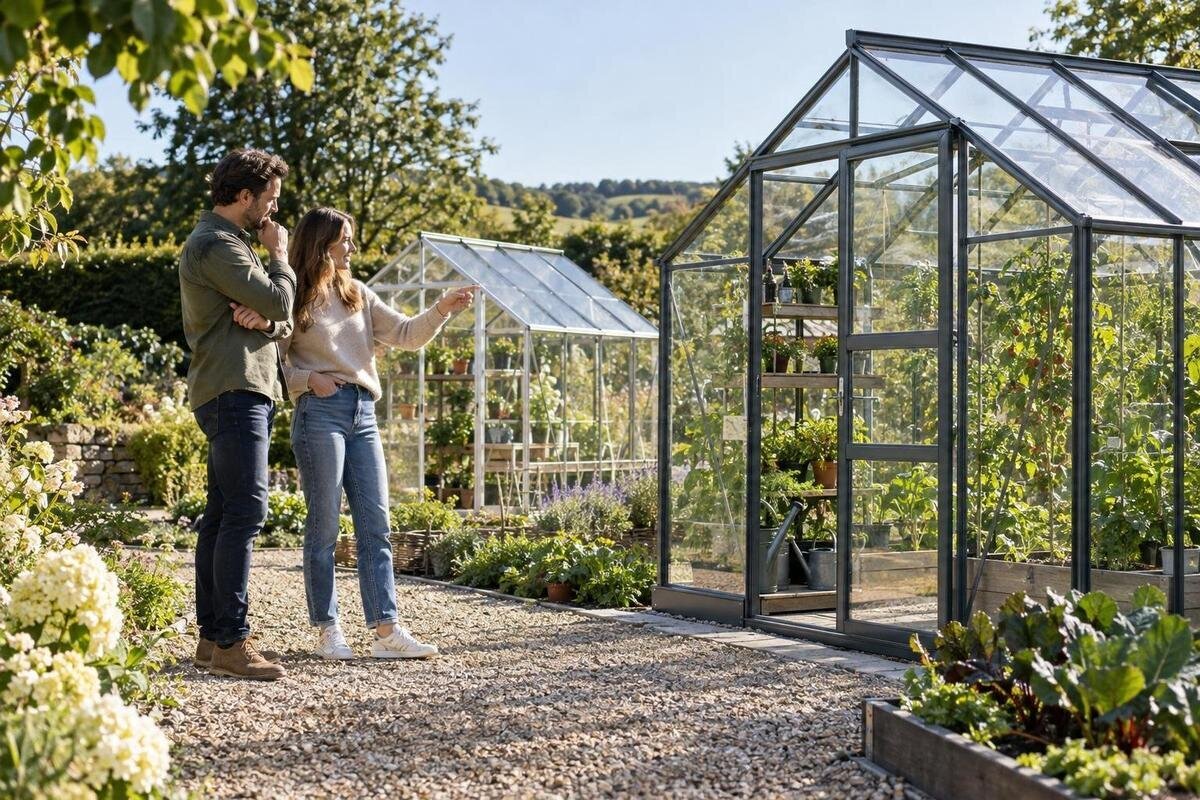
Buying your first greenhouse is easier when you begin with the way you garden, then work through the site, structure and whole purchase. A suitable choice is not simply the largest model that fits: it needs enough usable room for your plants, a workable base and access, and features you can manage through changing conditions. This guide takes you from growing plan to final order, so you can compare options on the same practical criteria.

1. Decide what you want to grow
Write down what you want the greenhouse to do before comparing models. Raising seedlings, growing tomatoes, extending the harvest for vegetables, overwintering tender plants and keeping a collection of pots under cover are different jobs. List the plants you expect to grow, the seasons when you plan to use the space, and whether they will be in beds, pots or trays. Note how often you can tend them, too. A greenhouse that is easy to reach and ventilate matters if you will be working in it most days; propagation may need a bench and room for trays. This brief turns a broad wish into criteria you can compare.
Turn that aim into a practical inventory: count trays or pots, note any tall crops, and decide whether you need a bench, ground beds or both. Include the space required to walk and work, not just the area occupied by leaves and containers. Think about how the layout changes through the year: seed trays may be temporary, while plants brought in for winter need clear floor space for months. Mark each requirement as essential or optional. This will help you avoid paying for features that do not support your routine, while also preventing a small layout that cannot handle the plants you actually intend to keep.
2. Calculate the space you can actually use
Translate the growing plan into a footprint. Use the intended greenhouse’s published external dimensions, then leave space for its entrance, access and routine upkeep; a structure that fits precisely between fences may be difficult to assemble or reach. Inside, account for benches, beds, pots, shelves and the width of the path you need when carrying trays or watering. Check the height where you plan to place tall crops or stand to work. Allow for any overhang or opening clearance only as shown in the specifications, rather than estimating from a picture. The aim is a workable layout, not simply a structure that fits on paper.
Draw a simple plan to scale and mark the greenhouse, paths, planting areas and anything that must stay accessible. Use the product’s listed measurements to check the external footprint and, where provided, usable interior space. A product name is not a measurement: the Classic Plus 385 greenhouse listing is one candidate to compare, but its title does not establish its dimensions. If a measurement or clearance you need is not listed, ask before you buy. A little room for moving pots and tending plants can make the difference between a practical layout and one that feels cramped once it is in use.
3. Choose between freestanding and wall-mounted
A freestanding greenhouse needs a suitable open position, with room to reach and maintain the outside. A wall-mounted design makes the nearby building part of the decision: its orientation, shade, surface and position all affect where the greenhouse can go. Consider how either layout fits your existing paths, gates, windows and doors. A wall may provide a convenient boundary, but it does not automatically make the space easier to use; check that you can still get to the entrance and carry plants in and out.
If you are considering a wall-mounted format, place the T-model wall-mounted greenhouse listing on your comparison sheet and check its written installation requirements against the intended wall. Confirm the required clearances and fixing details, and make sure doors, windows, pipes or gutters will not interfere with the position. If you are unsure about the wall construction or fastenings, ask a qualified installer to assess them. A freestanding option may be easier to position away from the house, but it still needs suitable access and an appropriate site.
4. Check sunlight, wind and drainage
Look at the proposed site at different times of day instead of judging it from one visit at midday. Note where buildings, fences and trees cast shade, and remember that the pattern changes with the seasons and as plants grow. Compare the available light with the needs of the crops you listed; a spot that seems bright in summer may receive less light in another season. Also consider whether nearby planting is likely to shade the greenhouse later. These observations can help you rule out a poor position before you commit to a structure that cannot easily be moved.
Pay attention to wind exposure and where water flows after rain. A fence or building may not shelter the site as much as it first appears, while a low or poorly drained area can make the ground and access awkward. Observe the area during ordinary garden use as well: note whether you can reach it without crossing a muddy patch or blocking a regular route. If the site seems unusually exposed or the ground conditions are uncertain, ask an appropriate professional what needs assessing before installation. Do not assume that every available patch of ground is equally suitable.
5. Plan the base and installation
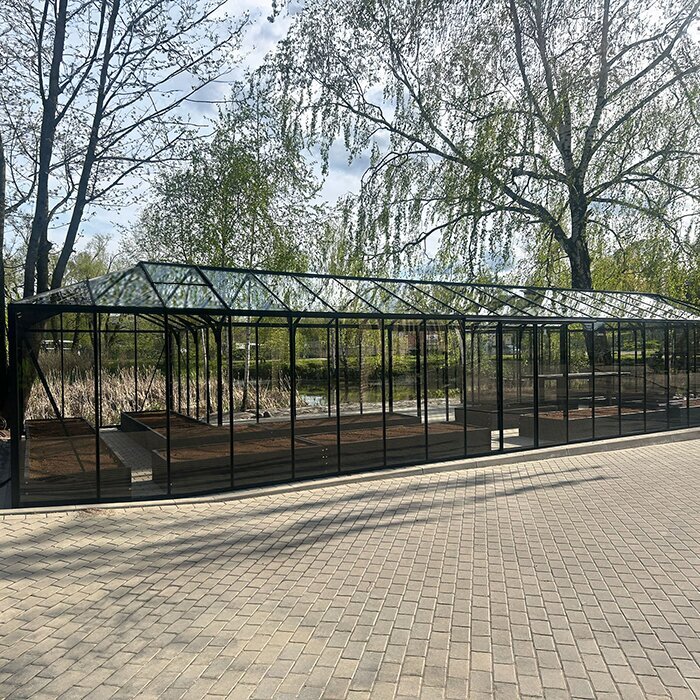
Work out the base before choosing a final position. The greenhouse instructions specify the surface and preparation needed for that particular model, so read them before deciding that a lawn, patio or existing platform will do. Check whether a base or foundation is included, what it consists of and whether separate site work is required. A clear base plan also helps you organise the installation and avoid discovering after delivery that extra preparation is needed. Do not assume that a surface is level or suitable simply because it looks neat from above.
When comparing a candidate such as the Pyramid greenhouse listing, use the written installation instructions for its base and ground requirements rather than relying on a product name or photograph. Find out which work and materials are your responsibility and who will carry it out. If the ground is sloping, unstable or otherwise difficult to assess, seek advice from a suitably qualified professional. Where local requirements may affect the structure or its base, check with the relevant council or an appropriate professional before placing an order.
6. Compare the frame, glazing and access
Read the stated frame and glazing details rather than treating a model name as a full specification. Compare the materials, panel type and any relevant measurements the seller provides. Consider how those details relate to cleaning, maintenance and the plants you intend to grow. If you want to compare light or insulation performance, look for published specifications rather than assuming one material is better from its name alone. It is also worth checking whether replacement panels or parts are available, and how the manufacturer describes their compatibility. Missing details are a reason to ask a question, not to fill in the gaps yourself.
Access matters just as much as the frame and covering. Check the listed entrance dimensions, how its opening works and whether the position suits the route you have planned. Think about carrying a tray or pot through the entrance, reaching plants at the back and moving around any benches. Use the Aluminium Classic greenhouse listing as a candidate to inspect, then rely on its published specifications to establish its frame and glazing details. If you cannot find a feature that matters to your layout, confirm it before you compare the option with another model.
7. Allow for ventilation and daily care
A greenhouse does not manage its own growing conditions. Sunlight and outside weather can change what is happening inside, so check what openings are provided, how they operate and whether you can reach them in your chosen position. Consider how you will ventilate the space during busy days and whether the controls suit your routine. If an accessory such as an automatic opener interests you, confirm whether it is available and compatible with the greenhouse rather than assuming it is included. Choose an arrangement you can use consistently, not one that depends on reaching a difficult-to-access opening.
Plan the everyday jobs as well as the build. Decide how you will water, where you will keep trays or small tools, and how you will clean around the plants without blocking access. A wall-side position can make it harder to reach some surfaces or openings, so check that aspect on any wall-mounted candidate. For example, the Aluminium Wall Greenhouse listing is a name to compare; use its published details to check opening positions and access rather than inferring them from the title. The right choice is one whose care requirements fit the time and routine you can realistically provide.
8. Set a budget for the complete set-up
Set a limit for the whole project, not just the greenhouse itself. Depending on the model and site, your budget may also need to cover a base, ground preparation, delivery, assembly help, tools, benches, shelves or watering and shading accessories. Include only items you need, but list them before comparing prices so you do not overlook a cost that changes the decision. Check which parts are included in each quoted price and which are separate purchases. If you expect to maintain or replace components over time, consider how that fits your longer-term spending as well.
Compare the total for each candidate on the same basis. A listing such as the Limited Edition Aluminium Greenhouse listing should be assessed by its stated price, included parts and separately priced additions, just like any other option. Do not treat a model label as a list of what comes in the package or as evidence of a particular offer. Record any delivery or installation charges that apply, then note the return and warranty terms for reference. This gives you a clearer comparison than putting two headline prices side by side when their contents or associated costs may differ.
9. Confirm delivery, assembly and support
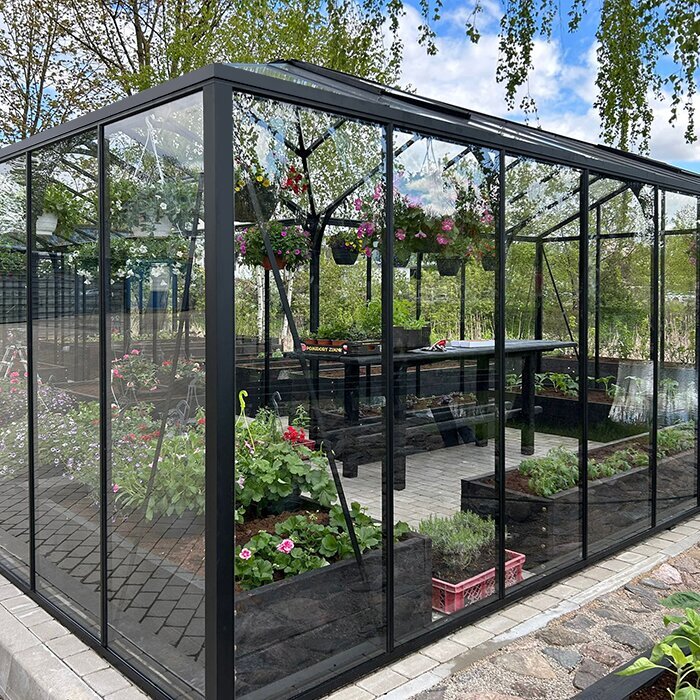
Think through how the greenhouse and its components will get to the site. Check the delivery area, charges, expected timing and any conditions stated by the seller. Make sure the delivery route and drop-off point are practical, including gates, narrow paths or steps between the unloading area and the installation site. Confirm whether anyone needs to be present and whether the delivery arrangement includes moving items beyond the drop-off point. These details affect how you prepare for the order, even when you have already chosen a model that fits the garden.
Before committing to a product such as the Prestige greenhouse listing, confirm what the assembly instructions say about tools, labour and any preparation that must be finished first. Check how the seller handles missing or damaged parts, what support is available and the terms of any warranty; do not assume these are the same for every product. Ask whether replacement parts can be obtained if that matters to you. Keep the product details and order information together so you can refer to the exact option and terms you chose if a question arises later.
10. Compare the shortlist against your priorities
Bring your findings into one comparison rather than making a decision from a single attractive feature. List your essential requirements first: a workable footprint, a suitable position, an installation plan and a budget you can meet. Then compare preferences such as a particular layout, added storage or a specific type of access. You can give each priority a simple rating, but treat an unmet essential as a reason to reconsider that candidate, not something a high score elsewhere can cancel out. This method makes trade-offs visible and helps you choose according to your actual growing plan.
Put the Orangerie greenhouse listing beside the other finalists and compare its published dimensions, included parts, glazing, ventilation, base requirements and delivery details on the same sheet. Apply the same checks to every candidate, and ask the seller or manufacturer about any missing detail that could change the fit or total cost. Once the site, growing needs and installation arrangements all line up, you can choose with a clearer view of what the purchase involves. Keep a copy of the information you relied on so the greenhouse you order matches the option you assessed.
Frequently asked questions
What size greenhouse should I buy first?
Choose a size from the plants and layout you have in mind, not from a general rule. Include space for paths, benches or beds, working height and access, then check the published dimensions against your site. A smaller greenhouse with a usable layout may suit you better than a larger one that is difficult to reach or maintain.
Is a wall-mounted greenhouse easier to use?
Not necessarily. It may suit a site beside a building, but the wall’s orientation, shade, fixing surface and the space around doors or windows all matter. Check the product’s installation requirements and make sure you can reach the entrance and any openings. Ask a qualified installer about the wall if you are unsure it can support the proposed fixings.
Do I need a concrete or masonry base?
There is no universal answer. Follow the instructions for the greenhouse you are considering and confirm what base, if any, is included or required. The right approach also depends on the ground and the installation plan. If the site is sloping, unstable or otherwise uncertain, get advice from a suitably qualified professional before ordering.
Which greenhouse glazing is best?
There is no single best option for every garden or crop. Compare the stated glazing material and other specifications, along with cleaning, replacement and maintenance considerations. Match those details to what you plan to grow and the conditions at your site. If a specification you need is missing, ask the seller or manufacturer rather than guessing from a product name or image.
Can I leave a greenhouse unattended?
A greenhouse still needs care. Conditions can change with sunlight and outside weather, and plants need suitable watering and ventilation. Before buying, consider how often you can check the space and whether the openings and watering arrangements will work with your routine. Any optional controls or accessories should be checked for compatibility with the greenhouse you choose.
The right first greenhouse is the one that fits both your growing plans and the realities of your garden. By checking the site, usable layout, installation needs and full purchase costs before ordering, you can compare options on more than appearance or name. A clear plan also makes it easier to settle on a greenhouse you can access, care for and use as intended.
