
Buying a Wooden Greenhouse on Black Friday: Price and Maintenance
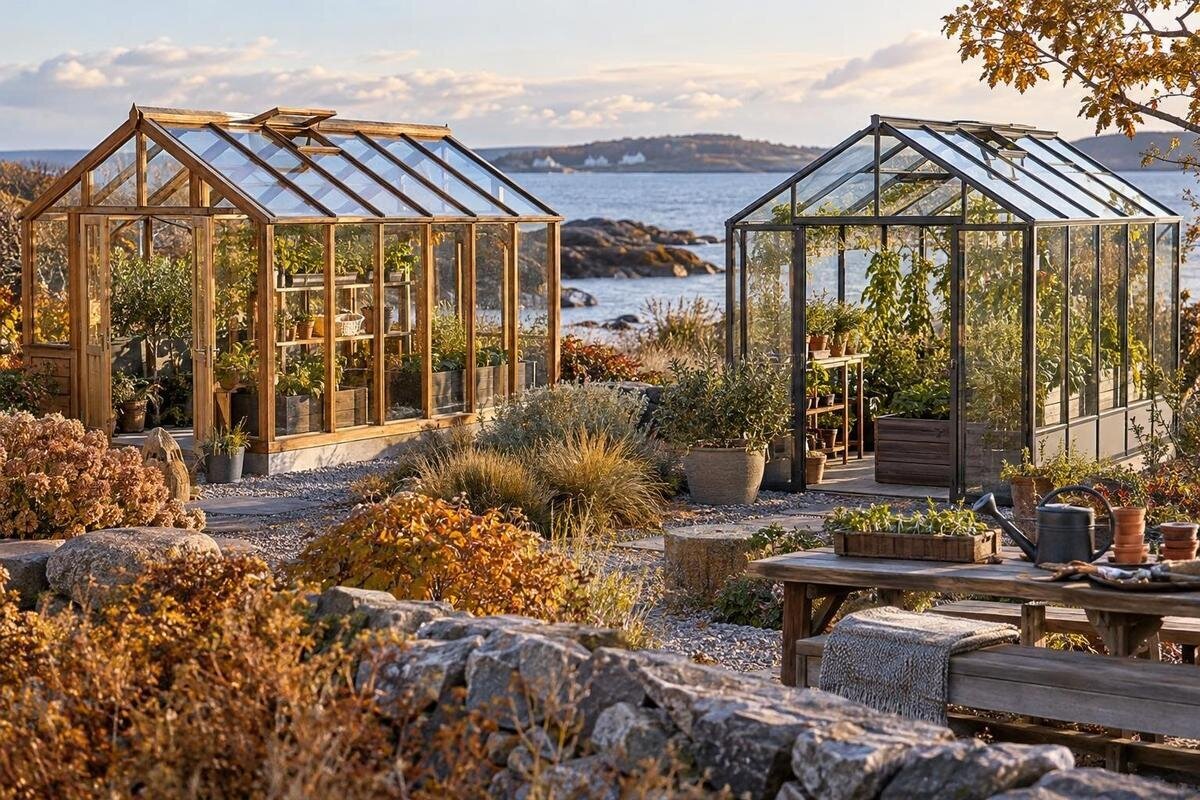
GREENHOUSE BUYING GUIDE
Black Friday can make a greenhouse purchase feel urgent, but the marked price is only one part of the decision. With a wooden greenhouse, the timber specification, any treatment or finish, what is included and the care it will need all affect the value to you. No Black Friday offer details are supplied here, so this guide does not assume a discount is available. Use the event as a time to compare the same product against its full set-up cost and maintenance demands, then decide whether the price, space and ongoing work fit your garden and budget.
Compare the Black Friday offer with the full price
Begin with the exact product and version, not a sale label. Record the displayed price, any stated usual price, the model name, size and included components, then compare that same configuration against another listing or the retailer’s ordinary price if it is published. Check that any reduction applies to the configuration you actually want, not an optional size or package you would not choose. A different model, footprint or package is not a like-for-like comparison, even if both are described as wooden greenhouses. No promotion is confirmed in this guide, and an advertised percentage cannot tell you whether the offer suits your budget. Check the details shown at the point of purchase and treat any change in specification as a separate choice.
Set a maximum spend for the complete project before browsing offers. Include the greenhouse, delivery, base or foundation, site preparation, assembly and any items the listing says are extra. Then add a separate allowance for upkeep rather than spending the whole budget on the frame. This gives you a fair comparison between offers with different inclusions and makes it easier to spot a low headline price that leaves important costs unresolved. If a cost is unclear, ask for it before ordering; do not assume it is covered by a Black Friday price. Keeping purchase and care allowances separate also shows what you can still afford after checkout. A dated copy of the offer page and an itemised quote can help you compare the same terms later.
Count every cost before comparing prices
Make a line-by-line comparison of the checkout cost and the materials you will need to get the greenhouse ready for use. Check whether the stated price includes a base, glazing, vents, doors, fixings and any other listed components; do not infer inclusion from a product name or photograph. Add delivery and unloading charges, and ask whether access restrictions affect delivery. If you need a prepared site or help with assembly, include a realistic quote for that work. The purpose is not to add every imaginable extra, but to compare the same complete set-up rather than one bare price with another package. Confirm whether any amount is added at checkout if the listing does not explain it. Use the same delivery address for quotes you compare, as a different destination may change the freight amount.
Product pages are useful as separate records, not proof that two models are equivalent. For example, the Bloomcabin Prestige greenhouse with metal foundation is a named listing to inspect on its own terms; the name alone does not confirm what is included, what delivery costs or whether it meets your timber brief. For a wooden greenhouse comparison, use the stated materials and package contents. When checkout totals differ, write down why—freight, base, assembly or finish—so a Black Friday discount is not mistaken for a lower total cost. If the listing gives a headline amount without the relevant details, request them before comparing it.
Make like-for-like comparisons between timber models
Compare timber models on the details that affect both usefulness and price: overall footprint, usable height, door access, frame construction, glazing and ventilation, and whether a base is part of the package. Check the timber species, any treatment, the surface finish and the condition in which the structure is supplied. Where a listing gives both internal and external dimensions, use the external measurements to check fit and the internal ones to understand usable space. A larger kit or a different glazing package may carry a different price because it is not the same product. Match the key details first; only then compare prices. If an important item is unstated, ask the seller rather than filling the gap with assumptions from a photograph or product title.
Care information belongs in the comparison too. Look for the maker’s maintenance instructions, any products it recommends and guidance on which areas need attention. Ask whether replacement parts can be ordered and what warranty terms, if any, apply to the particular model; do not assume they are identical across a range. If you are considering products beyond a timber-only shortlist, Bloomcabin Orangerie is a separate page to review. Compare its stated materials, package contents and care guidance with those for the wooden greenhouse rather than using its price as a timber benchmark before you know what each package contains. Record unanswered questions instead of treating missing information as a zero cost.
Match the size to the work you want to do
List the tasks the greenhouse needs to support before choosing a footprint. Growing seedlings, sheltering established plants and keeping a potting bench all use space differently. Think through the room needed for pots, shelves, watering and moving between them, then check the actual dimensions and door access in the product information. A price comparison between different sizes can mislead: the lower figure may simply describe a smaller structure. A rough layout of the benches and routes you expect to use can help make the space requirement clearer. Buy enough room for the work you intend to do, but do not pay for spare capacity that will be difficult to use or maintain.
Allow for space around the greenhouse as well as inside it: you may need access to clean glazing, inspect the timber, open doors and carry plants in and out. Check that the chosen position leaves a practical route from the house or garden storage, and account for the way the door opens if that information is provided. A model number is not a reliable dimension, so use listed measurements rather than guessing. For another named product to assess on its own page, see Classic Plus 385; compare its stated dimensions and contents with a timber model only after confirming the details. This keeps a Black Friday price check tied to the space you actually need.

Find out how the timber is supplied and finished
Ask what timber species is used and whether it arrives untreated, treated, painted or otherwise finished. These details affect the maintenance instructions, so do not assume that all wooden greenhouses start in the same condition or require the same products. Request the maker’s care guidance before ordering, including advice for the frame’s lower sections, joints and exposed end grain. Ask whether any further preparation or touch-up is recommended, and which products are suitable. If the greenhouse will be used for food plants, check that the stated treatment and recommended maintenance products are appropriate for that intended use. Where the product description is vague, clarification is more useful than relying on a general claim such as “weather resistant”.
A finish can change the appearance without removing the need for care. Paint, stain or a factory-applied coating should not be treated as a promise of maintenance-free ownership; check whether it needs inspection or renewal and what products are compatible with the supplied materials. Do not infer lifespan from a colour or finish shown in an image. If timber is a preference rather than a firm requirement, T-model wall-mounted greenhouse orangery is another named listing to inspect, but verify the construction and care information on its own page before comparing it with a wooden greenhouse. The point is to compare stated requirements, not assume a finish will make upkeep unnecessary.
Estimate the time and cost of maintenance
Estimate maintenance as both cash and time. Ask how often the manufacturer expects the finish to be checked, what cleaning or treatment is recommended, and whether some components need different care. Follow the instructions for the actual timber and coating rather than applying a generic schedule. The garden site matters: a shaded or damp position can keep surfaces wet for longer, while exposed areas may put more wear on finishes. These conditions do not produce one universal maintenance interval, so use the supplier’s guidance and account for your own site when judging how much attention is realistic. Separate any care needed on arrival from work that may recur later.
Make an allowance for the recommended finish or cleaning products, brushes or other application tools, and occasional repairs or replacement parts; get prices for those items rather than inventing a single maintenance figure. If you expect to pay someone else to do the work, include a local quote and the time between visits. A timber greenhouse that fits the purchase budget may still be a poor fit if you do not have the time or inclination to maintain it. You can inspect pyramid greenhouse for a masonry base as a separate listing, but check its own materials and upkeep information rather than assuming the same costs. Keep repeat expenses separate from the one-off Black Friday price.
Check the position and exposure in your garden
Before deciding that the maintenance estimate is realistic, look at the exact position in the garden. Note how rain reaches it, whether water collects nearby, how much shade it receives, and whether planting or structures restrict access to the frame. Nearby roof run-off can also affect how wet a particular area becomes. Timber in persistently damp conditions may need closer attention, but do not assume a particular treatment solves a site problem. The supplier’s siting and care instructions should guide the decision. If the ground, drainage or exposure raises questions about the proposed installation, ask the supplier or a suitably qualified installer rather than guessing at a base or support.
Wind exposure, coastal conditions and local shelter can differ from one property to another, so a product image cannot establish suitability for your garden. Check any stated installation limits and ask for written guidance if your position is unusually exposed. If you are also weighing frame categories, Aluminium Classic greenhouse is a separate listing to review, not a stand-in for timber. Read its actual product information: a material name alone does not establish total cost, performance or care requirements, and you should not assume that one category automatically costs less to maintain. Keep comparisons tied to stated details and the conditions at your own site.
Include the base, delivery and assembly
Treat the base and installation as part of the purchase, not as later details. Confirm what the wooden greenhouse requires, what the listing supplies, and whether the base or foundation is sold separately. Check that any base you are considering is compatible with the product’s stated requirements. Follow the manufacturer’s installation instructions; garden ground and site preparation vary, and there is no universal base that can be assumed from the product category. If the instructions or your site leave uncertainty about suitable support, get advice from the supplier or a qualified installer. Add preparation, materials or labour to the Black Friday total so the apparent discount is judged against a workable complete set-up.
Delivery and assembly can affect the budget as much as an optional component. Check the delivery charge, how the package is brought to the site, whether unloading is included and whether access needs to be arranged. Ask what assembly involves and whether the supplier offers a service, if that matters to you; do not infer it from a photograph. If a wall greenhouse is in your wider comparison, aluminium wall greenhouse is a separate product page; read its own installation details rather than transferring them to a timber structure. Check each listing for its own siting, base and assembly information before comparing full costs.
Judge the saving against ongoing care
To judge value over time, choose a period that makes sense for your plans, then compare the full purchase and set-up costs with the maintenance allowance you expect to spend during it. You cannot forecast every repair, but you can compare the care instructions, finish, parts availability and amount of work each option requires. Include your own time if that is a real constraint: a low cash outlay is not automatically convenient. Separate confirmed costs from estimates and unknowns rather than presenting them as equally certain. The aim is not to produce a precise lifetime figure from incomplete information; it is to see whether the upfront price leaves room for the upkeep you are prepared to do.
Be cautious about paying more solely for a seasonal label or choosing less solely because a price is marked down. A higher price may reflect a different package; a lower one may omit components or leave maintenance unclear. Compare what is documented, and treat unknowns as questions rather than assumed benefits. If you are weighing timber against other frame categories, limited-edition aluminium greenhouse is a separate listing to review; its title does not confirm a current Black Friday offer or which option costs less to own. Distinguish one-off set-up costs from repeat care expenses before deciding whether the price is genuinely manageable.
Confirm the order details before paying
Before placing an order, confirm the exact model, timber species, treatment and finish; the stated dimensions; and what is included in the price. Check delivery, the base, assembly and any extra costs in writing where the listing is unclear. Save the care instructions and note the recommended products, inspection points and replacement parts. A short comparison sheet with one column per greenhouse and rows for purchase, set-up and maintenance costs makes gaps easier to spot. Compare the final order summary with the listing and any quote so that the configuration and charges match what you intended to buy.
If a material, maintenance requirement or cost is missing, pause and ask before committing; if the answer remains unclear, compare a better-documented option instead. Set a ceiling not just for the event price but for the total initial spend and future care you can manage. Do not treat an unanswered question as confirmation that an item is included. There is no need to buy because other shoppers are browsing Black Friday listings: a purchase that does not suit the site or upkeep you can provide is not a good deal. When the information is clear, choose the wooden greenhouse whose price and maintenance demands fit your plans.
Frequently asked questions
Does Black Friday guarantee a lower price for a wooden greenhouse?
No. No offer terms are provided here, and a seasonal event does not guarantee the lowest price for a particular model. Compare the same model and package against a published price reference where available, then add delivery, the base and assembly costs. If key details are missing, ask rather than assume.
How can I compare wooden greenhouse prices fairly?
Match the timber species, treatment, finish, dimensions, glazing, ventilation and included parts. Then compare the delivered and set-up cost, not just the advertised price. Use the supplier’s care instructions and parts information to assess ongoing requirements; a different size or package is not a like-for-like comparison.
How do I estimate wooden greenhouse maintenance costs?
There is no single figure that suits every greenhouse. Ask for care instructions for the actual timber and finish, then price any recommended products, tools and replacement parts. Consider the exposure at your site and include labour if you will pay someone else to carry out the work.
Does treated timber mean a greenhouse is maintenance-free?
Not necessarily. Treatment and finish describe the supplied condition; they do not replace the maker’s care instructions. Ask what treatment has been applied, whether any further preparation is needed, and how to inspect or maintain the finish. Avoid assuming that every timber product needs the same care.
What should I confirm before ordering a wooden greenhouse online?
Confirm the exact model, timber details, dimensions and what the price includes. Check delivery, base requirements, assembly arrangements and any extra charges, then read the care instructions. If the listing leaves a material or cost unclear, get an answer before placing the order.
Think of Black Friday as a chance to scrutinise the numbers, not a reason to accept a compromise. A wooden greenhouse is a stronger fit when its timber and care instructions are clear, its full set-up cost is within budget, and you can keep up with the maintenance its maker specifies. If a discount depends on overlooking missing details, it is not a reliable saving. The best comparison is the one that leaves you comfortable with both the purchase and the work that follows.
