
Aluminium vs Steel Pergola: Which Suits Long-Term Ownership?
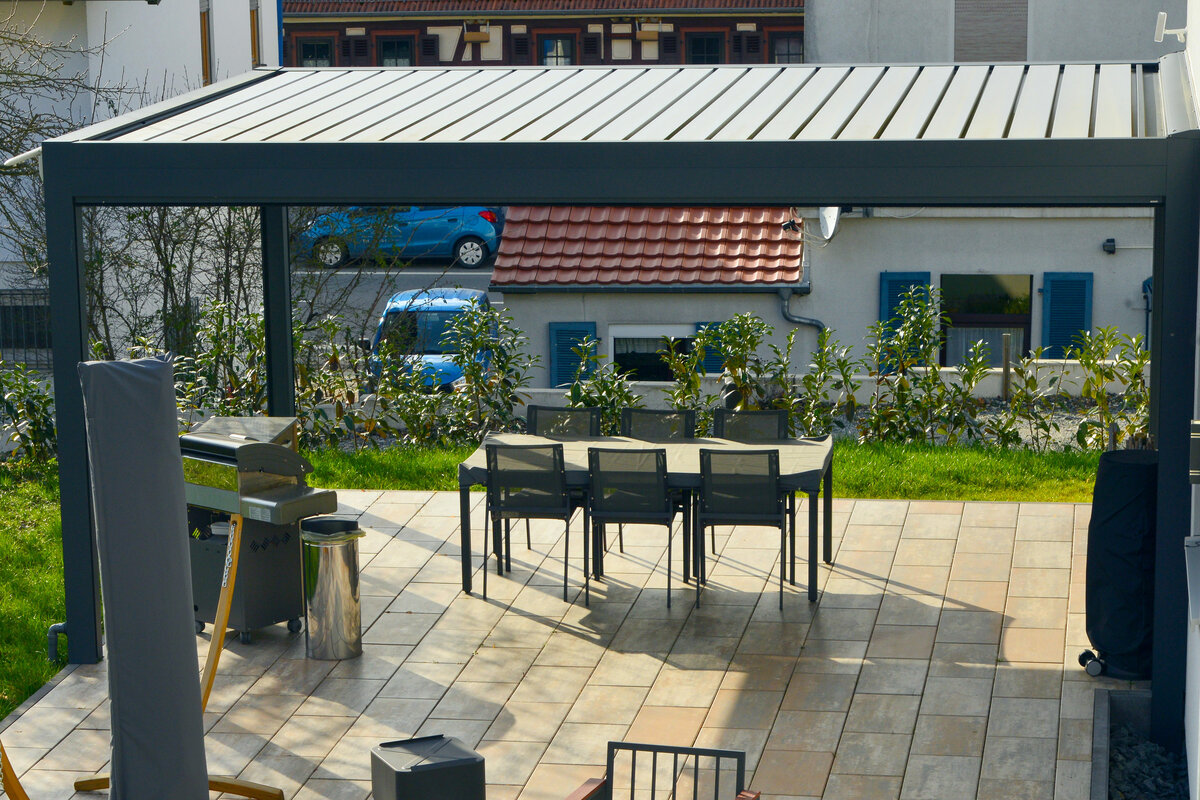
Material inspection report
Aluminium vs steel pergola: choosing for the years ahead
An aluminium vs steel pergola decision is rarely settled by appearance alone. The material influences corrosion risk, routine care, visual character, installation considerations and how confidently the structure can remain part of your garden as the seasons pass.
The short answer
For many contemporary gardens, an aluminium pergola can be an appealing long-term choice because it is naturally resistant to rust and often suits a lower-intervention care routine. That does not remove the need to clean surfaces, inspect drainage and follow the maker’s care guidance, particularly where grime and salt can build up.
A steel pergola may suit a design that calls for slender visual strength, darker industrial character or a more crafted presence. Its long-term outcome is closely tied to protective coating quality, careful treatment of cuts and joints, and prompt attention to any damaged finish. Compare complete systems, not material labels alone.
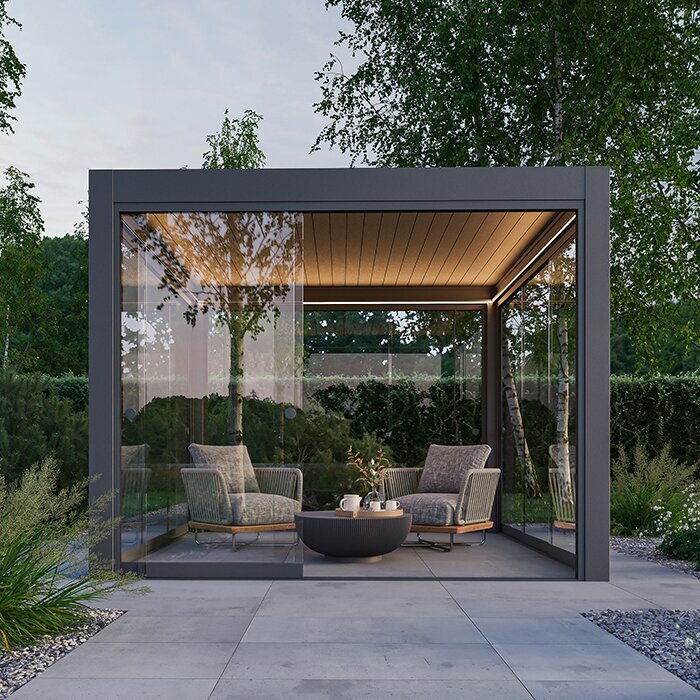
01
Start with exposure
Record whether the proposed site is sheltered, open, shaded, near trees or affected by coastal air, as each condition changes the maintenance conversation.
02
Inspect the whole assembly
Posts, beams, fasteners, base plates, gutters and roof components can age differently; ask how each visible and hidden element is specified.
03
Plan for care
Choose a finish and form you can realistically inspect and clean, rather than assuming a pergola will remain untouched in every season.
A practical ownership comparison for British gardens, terraces and outdoor rooms.
A pergola becomes a fixed element in the garden rather than an occasional purchase. It sits beside paving, planting, doors and windows, so its finish and upkeep matter long after the initial design decision. For British homeowners, persistent moisture, wind-driven debris and coastal air in some locations make material selection a practical question as well as an aesthetic one.
Aluminium and steel can both create a composed, architectural frame. Neither material should be treated as automatically right for every property. The better choice depends on the setting, the intended level of maintenance, the finish system, the detailing of joints and fixings, and whether you want a clean contemporary statement or a more traditional visual weight.
This guide examines aluminium vs steel pergola ownership through the things you can inspect before ordering: exposure, surface care, connections, colour, movement, foundations and future alterations. Use it to form better questions for a supplier and installer, then assess the final product specification against the conditions in your own garden.
Inspection 01 · Inspection one
Begin with the garden, not the material
The site often tells you more than a showroom sample can. A protected courtyard with little airborne dirt places different demands on a pergola from an exposed garden facing prevailing weather. Look at splashback from nearby paving, leaf fall, overhanging branches and areas that stay damp after rain. These details affect how frequently surfaces need cleaning and how easily small problems can be noticed.
Also consider how the pergola will meet the house and landscape. A freestanding structure needs its own coherent relationship with ground levels, drainage and circulation, while a scheme near a wall may need particular attention around access for maintenance. Material choice should support the wider layout, not dictate it. Photograph the site across different weather conditions before finalising colour or configuration.
- Note persistent shade, water runoff and leaf accumulation; these can create localised cleaning and inspection needs regardless of the frame material.
- Check access around every side, including behind posts, so washing, planting work and future adjustment do not become awkward.
For a design where shade control is central, explore bioclimatic aluminium pergola options alongside the exposure of your proposed site.
Inspection 02 · Inspection two
Understand corrosion as a system issue
Aluminium does not rust in the way ordinary steel does, which is one reason it is widely considered for outdoor structures. However, its surface can still collect deposits, stain or suffer finish damage. The surrounding environment matters: trapped dirt, standing water and unsuitable cleaning products can spoil the appearance of any coated metal. Regular gentle cleaning gives you an opportunity to spot concerns early.
Steel can be highly effective in a pergola when its protective treatment, fabrication and installation detailing are appropriate. The vulnerable points are often practical rather than dramatic: scratches made during assembly, exposed edges, water-retaining junctions or neglected contact points. Ask what protective finish is supplied, how touch-ups should be handled and which fittings are intended for the structure’s location.
- Do not judge corrosion resistance solely by a colour swatch; request clear information on coatings, edges, fixings and recommended cleaning.
- Where materials meet, ask how the design manages moisture and avoids hard-to-reach places where debris may remain.
If you prefer an open, straightforward garden structure, consider regular aluminium pergola designs with detailing you can inspect easily.
Inspection 03 · Inspection three
Compare maintenance realistically
Low maintenance is not the same as no maintenance. An aluminium frame usually benefits from periodic washing with clean water and a mild, suitable cleaner, following the product guidance. This removes pollen, dust, bird residue and urban film before they become more difficult to shift. Avoid abrasive pads or improvised chemicals that may dull or mark a finished surface. Keep a simple record of cleaning and observations.
A steel frame can ask for a more watchful routine, particularly if its coating is chipped or if the location is damp and sheltered. Inspect corners, welds, base areas and fixing points rather than only broad, easy-to-see faces. Early action on a coating defect can be more manageable than allowing weather to work at an exposed patch. Use the supplier’s specified repair approach rather than guessing at compatible products.
- Build cleaning into ordinary seasonal garden jobs, including clearing leaves from ledges, channels and areas around post bases.
- Keep ladders, furniture and pruning tools away from finished faces where possible; avoidable knocks complicate any material’s long-term appearance.
For homeowners who value adjustable outdoor cover, review bioclimatic pergola roof systems and their specific cleaning and operating guidance.
Inspection 04 · Inspection four
Look beyond the main frame
The headline material describes only part of the purchase. A pergola is an assembly of posts, beams, brackets, fixings, seals and sometimes screening or drainage components. Their compatibility has a direct bearing on appearance and serviceability. Ask which elements are visible, which are concealed and how access is provided should an inspection or repair be required. A neat detail that cannot be maintained easily deserves further questioning.
Ground connection is equally important. The base, paving build-up and drainage arrangement should be considered with the installer and, where appropriate, the person responsible for the landscape works. Water held around a base plate is undesirable for both the structure and the surrounding surface. Avoid treating a completed patio as automatically ready; its construction and condition may affect what fixing approach is suitable.
- Ask for drawings that identify post positions, base connections and rainwater paths before committing to paving or planting layouts.
- Coordinate lighting, screens and nearby furniture early, because later additions may obstruct access or introduce unwanted contact points.
For a simple architectural frame in a wider garden plan, browse regular pergola collections after checking how the base and drainage will be resolved.
Inspection 05 · Inspection five
Choose a finish that ages well visually
Colour is a long-term design decision, not merely a styling extra. Dark frames can give a crisp outline against pale walls and planting, while lighter tones may feel quieter beside contemporary masonry. Consider the colour in low winter light, bright summer sun and from indoors. A sample viewed against the actual paving, brickwork or render is more useful than a choice made under showroom lighting alone.
Ageing is also perceived through contrast. Dust, water marks and pollen can be more noticeable on some colours, while a very textured garden may soften the visual impact of small surface changes. Think about the finish alongside doors, window frames, outdoor kitchens and boundary treatments, but avoid trying to match every element exactly. A deliberate complementary relationship often looks more settled over time.
- View colour samples outside at several times of day, placing them next to the materials that will remain around the pergola.
- Choose a finish you will be comfortable cleaning regularly, especially if nearby trees, traffic dust or birds affect the terrace.
To pair contemporary lines with adaptable shade, see bioclimatic aluminium pergola ranges in a colour considered against your own exterior materials.
Inspection 06 · Inspection six
Weigh visual character and proportion
Steel is often associated with a heavier, workshop-inspired or heritage-informed expression, while aluminium commonly reads as clean, precise and contemporary. These are broad design tendencies rather than fixed rules. Profile shape, connection detail, finish and overall scale can change the impression considerably. Focus on the pergola’s proportion to the house: a structure that overwhelms a modest terrace can feel less successful whatever it is made from.
Look at sightlines from key rooms and from the garden boundary. Posts may frame a view, interrupt it or create a useful threshold between dining, lounging and planting areas. The roof form and beam depth influence how much visual weight sits above eye level. A simple sketch on a site photograph can help you assess this before a final layout becomes expensive to change.
- Measure door openings, paths and seating zones so the frame supports movement instead of narrowing useful outdoor space.
- Compare elevation drawings as well as plan views; roof depth and beam lines are usually more apparent from inside the house.
When a quieter, classic open-frame look is wanted, investigate traditional regular pergola styles that complement the scale of the terrace.
Inspection 07 · Inspection seven
Prepare for installation and future access
Long-term ownership begins with a well-considered installation. Confirm who will assess the site, what information they need about surfaces and services, and how access will work for people and equipment. Existing drains, cables, irrigation lines and under-patio construction can all matter. Do not assume that a flat-looking terrace provides the necessary conditions; accurate levels and substrate information help prevent unwelcome compromises during the work.
Future access deserves equal attention. You may want to repaint a wall, replace paving, prune mature planting or alter outdoor lighting. Leave sensible working space around the structure and avoid building permanent features tightly against posts without considering removal or servicing. Retain drawings, product documents and notes on finishes after installation. They provide a useful reference for cleaning, additions and conversations with future contractors.
- Before works start, identify underground services and agree responsibility for checking site conditions with the relevant professionals.
- Store product instructions and finish information together with garden plans, photographs and details of any approved accessories or alterations.
For a more integrated outdoor-living layout, assess bioclimatic pergola configurations with future cleaning, access and services in mind.
Inspection 08 · Inspection eight
Make the purchase decision transparently
A useful quotation should help you compare like with like rather than leave material assumptions unanswered. Check the stated frame material, finish, roof or canopy arrangement, dimensions, bases, accessories, installation scope and exclusions. If you are weighing aluminium against steel from different suppliers, identify differences in configuration before attributing every distinction to metal alone. A more complex system may need different care from a simple open structure.
Planning, building control and insurance questions should be handled for the particular property, location and proposal. Requirements can depend on size, siting, proximity to boundaries, conservation considerations and other circumstances. Contact the relevant local authority for guidance and discuss any concerns with your insurer before work begins. Similarly, use a current written quotation to understand the full scope rather than relying on general online comparisons.
- Request written clarification of responsibilities for groundwork, electrical additions, waste removal, finishing and protection of surrounding surfaces.
- Compare care instructions and component specifications alongside the quotation, then ask which routine tasks remain with the owner after handover.
For a clear baseline comparison, start with regular aluminium pergola options and build a specification that suits your garden rather than a generic checklist.
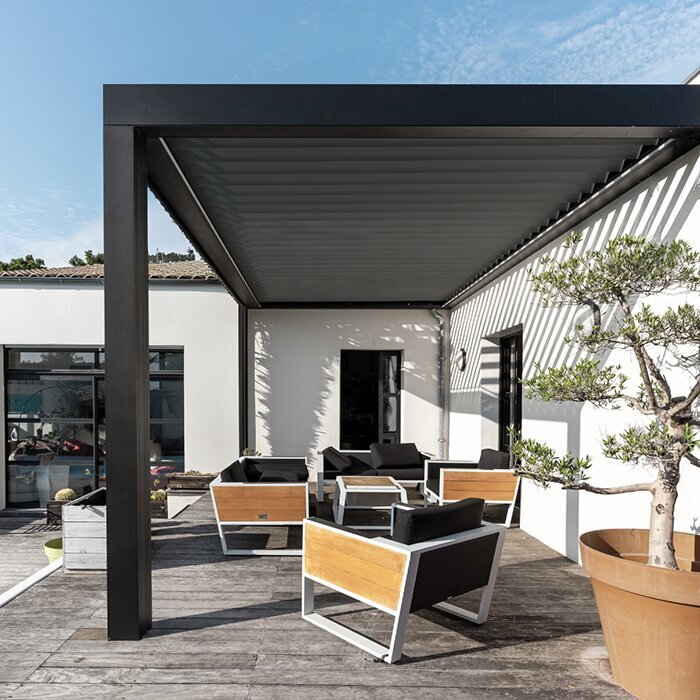
Comparison
Aluminium and steel: ownership comparison
The table highlights common decision points, not universal outcomes. The finished design, coating, fabrication, site exposure and care routine can be as influential as the base material. Use it to structure conversations with a supplier, installer and, where needed, local advisers.
| Decision point | Aluminium pergola | Steel pergola |
|---|---|---|
| Corrosion consideration | Does not rust like ordinary steel; surface care still matters. | Protection system and prompt attention to damage are particularly important. |
| Routine upkeep | Usually centred on washing, clearing debris and inspecting finish. | Requires washing plus closer checks for coating chips and vulnerable edges. |
| Visual impression | Often clean-lined, precise and contemporary in character. | Can feel weightier, crafted, industrial or heritage-led depending on detailing. |
| Finish questions | Ask about coating care, cleaning products and repair guidance. | Ask about coating system, edge treatment, touch-ups and moisture-prone details. |
| Site suitability | Assess deposits, shade, coastal exposure and drainage around connections. | Assess the same factors, with particular focus on coating protection. |
A practical material-selection process
Avoid choosing from a single image or broad material claim. Work through the site, desired use and complete specification in sequence, recording questions as you go. This approach makes quotations easier to compare and prevents aesthetics from obscuring maintenance or installation needs.
01
Survey the setting
Photograph the proposed area, note drainage, shade, wind exposure, trees, nearby walls and access routes. Mark services and measure the terrace before discussing configurations.
02
Define daily use
Decide whether the space is mainly for dining, lounging, circulation or occasional gatherings. This shapes proportion, roof preference, furniture clearance and the access required around posts.
03
Set a care routine
Be honest about the cleaning and inspection you will undertake. Match the finish, location and design complexity to a routine you can maintain season after season.
04
Compare complete specifications
Put frame, coating, roof arrangement, fixings, bases, accessories and installation assumptions side by side. Ask suppliers to clarify any wording that makes comparison difficult.
05
Verify property considerations
Seek guidance from the relevant local authority on your proposal where appropriate, and check insurance implications with your insurer before committing to works.
Questions to take to a supplier
A short, specific question list gives you a better basis for comparing aluminium and steel pergolas. Keep written answers with each quotation so that details do not become blurred between early discussions and the final order.
01. What is the stated material for posts, beams, brackets, fasteners and any visible connection pieces?
02. Which finish is included, and what cleaning products or methods should be avoided?
03. How should scratches, chips or other finish damage be assessed and addressed?
04. Where will water drain, and which surfaces or channels must the owner keep clear?
05. What foundation, paving condition or ground preparation does the proposed installation require?
06. How will the design allow access for cleaning, wall maintenance and future garden works?
07. What is included in installation, and which groundwork, electrics or finishing tasks remain separate?
08. Which written product documents describe care, exclusions, component scope and any applicable terms?
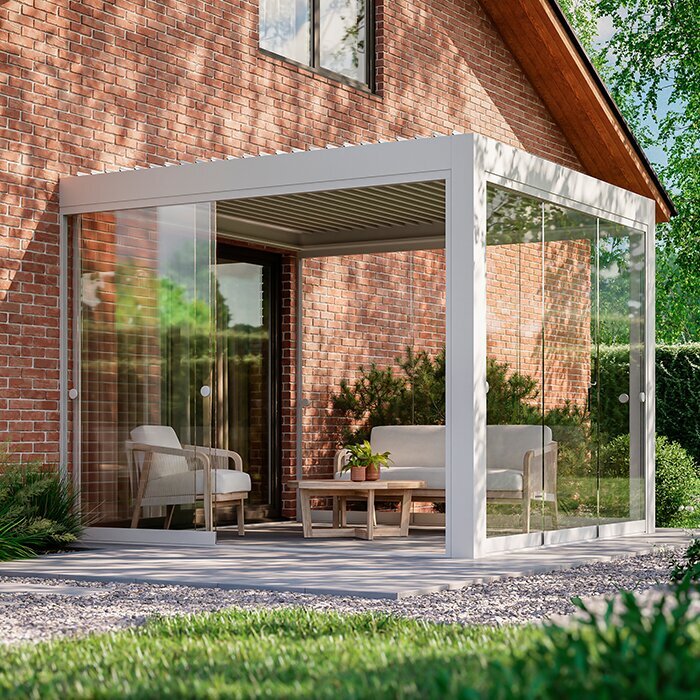
Frequently asked questions
Is aluminium better than steel for a pergola?
Neither material is automatically better in every garden. Aluminium is often chosen for its rust-resistant nature and crisp contemporary appearance, while steel may fit a different visual brief. Compare the particular product’s finish, detailing, maintenance guidance and installation requirements against your exposure, design preference and willingness to inspect it.
Will an aluminium pergola need maintenance?
Yes. Although aluminium does not rust like ordinary steel, outdoor surfaces still collect dirt, pollen, bird residue and moisture-related deposits. Clean the frame as directed by the product guidance, clear accumulated debris and inspect finishes, joints and drainage areas. A manageable routine helps keep the structure looking considered and makes changes easier to spot.
What should I inspect on a steel pergola?
Pay close attention to the coating, exposed edges, welds, joints, fasteners and areas close to the ground. Look for chips, scratches, staining or trapped debris, particularly after installation and through wetter months. Follow the supplier’s instructions for cleaning and repair, rather than applying a generic paint or treatment that may not suit the finish.
Does coastal air affect pergola material choice?
It can make regular cleaning and careful specification more important because airborne salt and moisture may settle on external surfaces. Tell the supplier about the location and ask what care regime, coating information and component details are appropriate. Do not rely on a general material label; local exposure and the complete construction need consideration.
Do I need permission for a pergola in the United Kingdom?
The answer depends on the individual property and proposal, including its size, location, boundaries and any local designations or restrictions. Before ordering, check the current position with the relevant local authority and seek appropriate professional advice if your circumstances are complex. Do not assume another household’s project establishes what applies to yours.
How can I compare quotations fairly?
Ask each supplier to state the frame material, finish, dimensions, roof arrangement, fixings, groundwork assumptions, accessories, installation scope and exclusions. Then compare maintenance information and product documents alongside the price. If one proposal appears different, ask for a written explanation before treating it as a direct aluminium versus steel comparison.
Explore pergola possibilities
Choose the material that fits the whole brief
The most useful aluminium vs steel pergola decision considers more than the metal itself. Start with the garden’s exposure, the character of the house, the way you plan to use the space and the level of care you can give it. Then examine coatings, fixings, drainage, ground connections and access with the same care as colour and silhouette.
Aluminium may align naturally with a low-fuss contemporary scheme, while steel can support a more weighty or crafted expression when its protective details are properly understood. Take a measured approach: compare complete specifications, retain written guidance and confirm property-specific questions with the relevant local authority, insurer and installation professionals.
Use your site notes to compare Bloomcabin pergola designs with a clearer view of material, maintenance and long-term garden fit.
