
Budget vs Premium Pergola: The Cost Over 10 Years
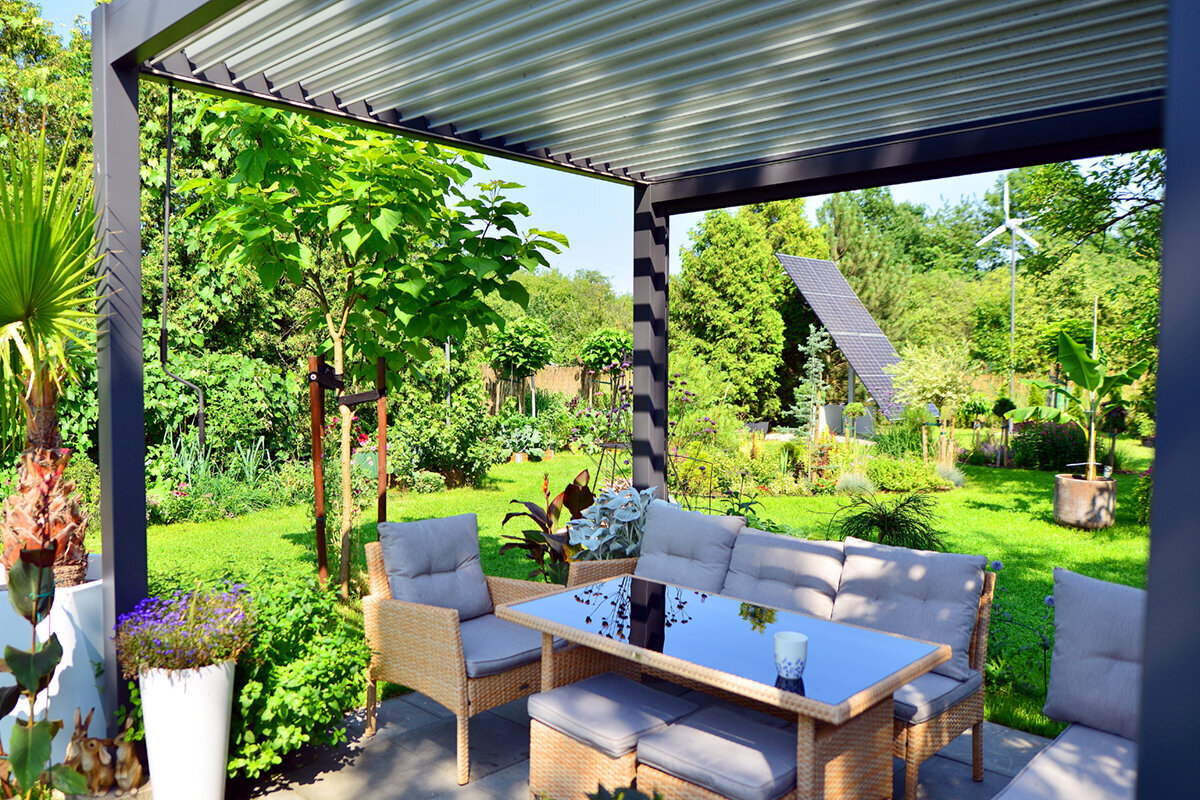
Long-term ownership report
Budget vs premium pergola: the real cost over ten years
A lower initial outlay can be attractive, but it tells only part of the ownership story. This guide helps British homeowners compare a budget vs premium pergola through the practical costs, responsibilities and choices that emerge over a ten-year period.
The short answer
A budget pergola may suit a sheltered garden and a straightforward brief when its construction, finish and support arrangements are understood clearly. A premium pergola can cost more at the outset, but may offer a more refined specification, greater operating convenience and a clearer route for maintaining components over time. Neither outcome is automatic; the detail of the product and installation matters.
For a meaningful budget vs premium pergola comparison, assess the total ownership picture rather than a headline figure. Include base preparation, professional fitting where appropriate, cleaning, periodic inspection, replacement-part availability, changing household needs and the likelihood that you will still enjoy the design years from now.
01
Buy for the site
Exposure, drainage, available space and the condition of the supporting surface should guide specification before appearance or introductory cost.
02
Examine the details
Ask what the frame, roof, finishes, fixings, accessories, instructions and post-purchase support actually cover, rather than relying on broad descriptions.
03
Value future care
A pergola that is straightforward to clean, inspect and service can be easier to live with than one selected solely for its initial outlay.
A considered comparison of purchase decisions, upkeep, repairability and lasting outdoor value.
A pergola is often chosen at the point a garden is being reshaped: a new patio, a kitchen extension, or a wish to use a favourite corner more often. In that moment, the visible purchase figure is naturally persuasive. Yet an aluminium pergola also becomes part of the home’s exterior fabric, where finish, fixings, drainage, moving parts and future support can matter long after installation day.
The useful comparison is not simply inexpensive versus expensive. It is a comparison of what is included, how well the structure suits its exposure, what attention it needs, and how easy it may be to maintain or repair. A carefully specified regular pergola can be the sensible choice for one garden, while a more sophisticated roof system may justify its place in another.
Over ten years, value is shaped by decisions made before ordering: measuring the site properly, choosing a suitable layout, understanding the roof type, and allowing for fitting and aftercare. Rather than assuming that either end of the market is automatically better, use this report to identify where durability, convenience and confidence are genuinely worth paying for.
Inspection 01 · Inspection sheet 01
Start with the ownership brief
The first cost question is not “what does a pergola cost?” but “what must this pergola do here?” A dining terrace exposed to driving rain, a sunny courtyard beside bi-fold doors and a quiet seating area at the end of a lawn place different demands on a structure. Define the intended use, the seasons you hope to use it, privacy expectations and whether shade control matters before comparing specifications.
Premium is meaningful only when it solves a real requirement. A more elaborate roof arrangement may be worthwhile for a terrace used frequently for meals or entertaining, while it may add little to an occasional reading spot. Conversely, a basic frame can disappoint if it cannot deliver the shade, cover character or visual finish your project relies upon. The objective is a well-matched pergola, not the most complicated one.
- Write down the activities the space must support, including everyday use, hosting, quiet time and storage of garden furniture.
- Map sun, prevailing weather, overlooking and access routes at different times before settling on size, orientation or roof style.
For adaptable overhead shade in a frequently used terrace setting, explore a bioclimatic aluminium pergola as part of the initial brief.
Inspection 02 · Inspection sheet 02
Compare structure, not just styling
Two aluminium pergolas can appear similar in a carefully cropped image while differing greatly in frame proportions, joints, base plates, guttering details and the way their roof is formed. These components influence the finished impression and can affect how confidently the structure integrates with paving, brickwork or planting. Product imagery is valuable for inspiration, but a considered comparison asks what sits behind the clean lines.
Ask for clear information on the supplied components and the division of responsibility between product, groundwork and installation. A lower-cost offer may be entirely suitable when its scope is transparent; difficulties begin when essential elements are assumed rather than confirmed. Consider the quality of instructions, the accessibility of fixings for future checks and whether the selected colour and profile work with the architecture of your home.
- Compare frame sections, roof construction, drainage route, fixing approach and the items included in each proposed configuration.
- Check whether the chosen footprint leaves practical clearance for doors, paths, planting maintenance and access during installation.
Where a clean, uncomplicated garden structure is the priority, consider a regular aluminium pergola with a specification that suits the planned setting.
Inspection 03 · Inspection sheet 03
Assess roof complexity honestly
The roof is often where the difference between a simpler and a more feature-led pergola becomes most apparent. A fixed or straightforward covering has fewer operating elements to understand, whereas an adjustable system introduces controls, channels and moving components that deserve appropriate care. Complexity is not a fault: it can be highly useful when it gives you the level of light, shade or atmosphere the terrace needs.
The better question is whether those additional functions will be used often enough to matter. Think about the household’s routine, not an idealised summer afternoon. If you regularly adjust the outdoor environment around meals, work or family time, a flexible roof may feel integral. If you want a defined outdoor room with minimal intervention, a simpler solution can be the more relaxed long-term choice.
- Ask how roof elements are operated, cleaned and checked, and who should be contacted if a component needs attention.
- Avoid paying for controls or accessories that do not correspond with a specific habit, comfort requirement or location challenge.
For homeowners who value controlled light and an adaptable terrace mood, a bioclimatic pergola with adjustable roof may merit closer evaluation.
Inspection 04 · Inspection sheet 04
Factor in fitting and foundations
A pergola’s lifespan is closely connected to the quality of the site beneath it. Level, sound and suitably prepared foundations help the frame sit as intended and make doors, screens or roof elements easier to operate where relevant. Existing paving should be assessed rather than assumed adequate, especially where its construction, drainage or stability is uncertain. Budgeting only for the visible structure can leave important preparatory work overlooked.
Installation is also a point at which a premium product can lose its advantage if the site is poorly surveyed or assembly is rushed. Establish who will measure, prepare the area, assemble the pergola and make good surrounding surfaces. Clarify access through the property, nearby services, drainage falls and any constraints around walls or boundaries. These practicalities protect both the garden and the investment in it.
- Arrange a careful site assessment covering levels, substrate condition, water run-off, access, obstructions and intended fixing positions.
- Keep installation records, product documents and photographs of the prepared base for future maintenance, alterations or property discussions.
For a straightforward freestanding garden project, a traditional regular pergola still benefits from thorough site preparation.
Inspection 05 · Inspection sheet 05
Price maintenance into the decision
Aluminium is often selected because it offers a crisp contemporary look without the routine finishing associated with some other garden materials. That does not mean no maintenance. Airborne grime, leaves, pollen and urban deposits can collect on frames, gutters and roof sections. A gentle cleaning routine, undertaken in line with product guidance, helps preserve the appearance you chose and makes it easier to spot minor issues before they become inconvenient.
Maintenance should be considered as time, access and attention, not simply a future bill. Can you safely reach the areas that need cleaning? Will nearby trees shed leaves onto the roof? Are there parts that need periodic checking after severe weather or a busy season of use? A more intricate pergola may reward regular care with greater day-to-day enjoyment, provided the household is ready to give it that care.
- Plan seasonal cleaning around leaf fall and pollen, using methods and products appropriate to the supplied care guidance.
- Inspect visible drainage paths, accessible fixings and roof surfaces regularly, then address debris or unusual movement promptly.
If adjustable features form part of your ideal outdoor routine, choose a premium bioclimatic pergola with aftercare expectations you can realistically meet.
Inspection 06 · Inspection sheet 06
Test the spare-parts pathway
Spare parts are rarely the first subject raised in a showroom conversation, yet they can be central to long-term confidence. Over years of use, a handle, seal, fastener, screen component or roof-related part may need attention. Before buying, ask how the maker identifies components, whether records should be retained and what information will be needed to request assistance. A clear answer is often more valuable than a vague promise of durability.
The availability of a part in the future cannot sensibly be assumed, especially as ranges and finishes evolve. What you can assess is the supplier’s approach: whether it has recognisable product references, understandable documentation and a practical support process. Keep your order details, configuration notes, colour reference and fitting information together. This modest discipline makes later conversations faster and less dependent on memory.
- Ask which documents identify replacement components and whether the installed configuration should be recorded after completion.
- Retain invoices, care guidance, photographs and any installer details in one accessible household file for future reference.
A simpler assembly may appeal when you prefer familiar components, so review the regular pergola range and its product documentation carefully.
Inspection 07 · Inspection sheet 07
Separate enjoyment from resale assumptions
It is tempting to justify a higher specification by assuming it will return its full cost when a home is sold. Property outcomes depend on many factors, including location, presentation, buyer preferences and the condition of the whole garden. Treat a pergola first as an improvement to your own daily life. Its strongest value may be the way it encourages you to use the terrace more comfortably and consistently.
Visual coherence can nevertheless matter. A pergola that is correctly proportioned, neatly installed and sympathetic to the home can make an outdoor area feel more intentional. Choose a colour, scale and layout that will age calmly alongside paving, planting and exterior joinery. Avoid highly personal accessories if your priority is broad flexibility, but do not design a joyless space solely around an uncertain future sale.
- Choose a proportionate footprint that supports circulation and retains enough open garden for planting, play or changing family needs.
- Prioritise a coherent relationship between pergola, house, terrace materials and views rather than chasing speculative resale claims.
For a tailored outdoor room that may become central to home life, view a bioclimatic garden pergola as a lifestyle choice first.
Inspection 08 · Inspection sheet 08
Make a ten-year decision, not a snapshot
A sound decision balances present affordability with the likelihood that the pergola will remain suitable as routines change. Will children, pets, outdoor dining habits or work-from-home patterns alter how the space is used? Could you add planting, furniture or side elements later? The most economical choice is not always the least expensive one; it is often the option that avoids a frustrating compromise or an unnecessary early replacement.
Finish the comparison by placing every quotation beside the same written brief. Note the structure, roof type, finish, included elements, preparation assumptions, fitting scope, maintenance expectations and support route. If one option is less expensive, establish precisely why. If another commands a higher outlay, identify the concrete benefit it brings to your garden. This turns a broad budget vs premium pergola debate into a decision you can explain confidently.
- Compare like with like by using one site plan and one written schedule when requesting product and installation information.
- Leave room in the project plan for preparation, appropriate furniture, planting and the ongoing care that makes the setting feel complete.
When long-term simplicity is your central criterion, begin by comparing a classic regular pergola against your essential requirements.
Comparison
Budget and premium: ownership comparison
The labels budget and premium are shortcuts, not technical categories. Use this table to examine the areas most likely to influence satisfaction over a decade. Confirm every detail against the current product information and the specific configuration proposed for your site.
| Decision area | Budget-focused approach | Premium-focused approach |
|---|---|---|
| Initial brief | Usually centres on essential shelter or shade requirements. | May include greater refinement, adjustability or integrated design ambitions. |
| Specification review | Needs close attention to inclusions, exclusions and site assumptions. | Still requires scrutiny; a higher outlay does not remove due diligence. |
| Roof arrangement | Often favours a simpler, lower-intervention construction. | May introduce adjustable or more detailed roof elements. |
| Cleaning routine | Typically concentrates on frame, covering and accessible drainage areas. | May require attention to additional channels, mechanisms or accessories. |
| Repair planning | Check product identification and route for obtaining compatible components. | Documentation and supplier support process remain important considerations. |
A practical comparison process
A short, disciplined process reduces the risk of comparing attractive but unequal proposals. Use the same site information and the same priorities for every option, then give yourself time to review the operational details.
01
Survey the garden
Measure the intended area, photograph access routes and note levels, doors, trees, drainage patterns and nearby boundaries. Record how sun and weather affect the terrace.
02
Set non-negotiables
List the uses that matter most, such as dining, shade, privacy or visual enclosure. Separate essential requirements from desirable extras before browsing configurations.
03
Request comparable scopes
Provide the same dimensions and site context each time. Ask what is included, what groundwork is assumed, and which responsibilities remain with you or an installer.
04
Review ownership tasks
Read care guidance and discuss cleaning access, drainage clearing, component checks and documentation. Consider whether these tasks fit your available time and confidence.
05
Check local implications
For a structure near boundaries, an existing building or a sensitive site, check requirements with the relevant local authority and seek appropriate professional advice.
Ten-year value checklist
Use this checklist before committing to any pergola. It is designed to expose the overlooked factors that can shape long-term satisfaction more than an appealing first impression.
01. The chosen size supports furniture, circulation and access without making the terrace feel crowded or blocking useful garden routes.
02. The proposed location has been assessed for sunlight, prevailing weather, drainage, trees, overlooking and practical installation access.
03. The base or fixing surface has been evaluated for condition, level, drainage and suitability for the selected structure.
04. The quotation separates product scope, delivery arrangements, groundwork, installation, electrical work and optional accessories clearly.
05. The roof type answers a real comfort or use requirement, rather than adding complexity purely for appearance.
06. Cleaning access is realistic for the frame, roof surfaces, gutters and any moving or screened elements included.
07. Order documents, configuration notes, colour details and care instructions will be retained for future support queries.
08. You have checked relevant local authority guidance, property restrictions and insurer expectations where they may apply.
Frequently asked questions
Is a premium pergola always better value over ten years?
Not necessarily. Better value depends on whether the added specification improves your own use of the garden, suits the site and can be cared for properly. A simpler pergola that fits the brief, is installed well and remains enjoyable can be a more sensible purchase than an elaborate option with unused features.
What should I compare besides the initial quotation?
Compare the frame and roof construction, finish, drainage approach, included components, preparation assumptions, fitting responsibilities, care guidance and support process. Ask each supplier to explain exclusions in plain language. This makes it easier to distinguish a genuinely lean specification from a proposal that simply leaves important work outside the stated scope.
Do aluminium pergolas need maintenance?
Yes. Aluminium can reduce the need for frequent surface finishing, but frames and roof areas still benefit from cleaning and inspection. Leaves, dust and debris should not be ignored, particularly around drainage routes. Follow the product’s care guidance, use suitable cleaning methods and address anything unusual before it becomes a larger inconvenience.
Why do spare parts matter when choosing a pergola?
A pergola is used outdoors for many years, and individual components can eventually need attention. Knowing how the model and configuration are identified, what paperwork to retain and whom to contact gives you a clearer route forward. It is sensible to ask about support processes before purchase rather than only after a problem appears.
Will a pergola increase my property value?
It may improve how a garden is presented and enjoyed, but no outcome should be assumed. Buyers respond to the overall home, location, garden condition and their own preferences. Choose a pergola because it improves your present outdoor living, then ensure it is proportionate, well integrated and maintained for the best lasting impression.
Do I need to check planning or insurance before installation?
Requirements can depend on the property, location, dimensions, proximity to boundaries and other local factors. Check current guidance with the relevant local authority and review any title restrictions or lease conditions. It is also prudent to ask your insurer whether the planned work affects your policy or requires information from you.
Explore pergola options
Choose the specification you will live with
The real cost over ten years is built from more than the first order figure. It includes preparation, fitting, cleaning, attention to details, the ease of obtaining help and, above all, whether the pergola genuinely improves the way you use your garden. A budget option can be well judged; a premium option can be worthwhile. Both need a clear brief.
Give the comparison enough time to move beyond images and labels. Match the product to your site, ask direct questions about scope and future care, and keep the right records after installation. Bloomcabin can then be part of a well-considered outdoor project: one selected for its fit with your home, rather than for a short-term impression alone.
Compare roof styles and configurations against your garden brief, then request clear information for your particular site.
