
How to Grow Courgettes in a Greenhouse
Bloomcabin growing notes / protected cropping
How to Grow Courgettes in a Greenhouse
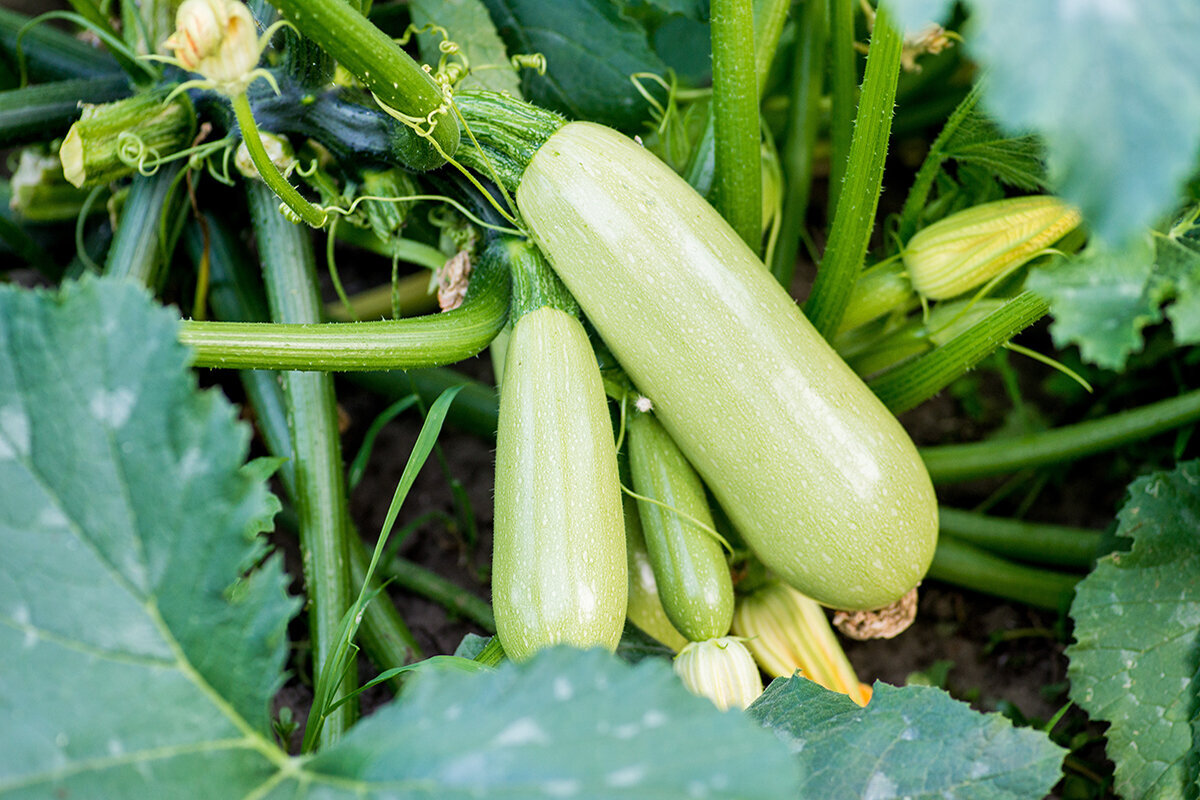
At eight in the morning, the flowers are open, the foliage is cool and one thoughtfully positioned plant can carry the summer.
Courgette—also called zucchini or summer squash—rewards greenhouse growers with remarkable speed and abundance. It asks for more than shelter: a broad, clear footprint, moving air, evenly moist roots and a practical way to pollinate flowers that may remain receptive for only part of the morning.
One plant can be plentyOpen the vents earlyPick before seeds enlarge
The greenhouse principle
A courgette is not a small greenhouse crop. It is a generous, fast-growing canopy with a time-sensitive flower at its centre.
A greenhouse gives this tender summer squash an earlier, more protected start, keeps prolonged rain away from flowers and foliage, and puts watering within easy reach. Yet an enclosure may also reduce the casual pollinator traffic received by an outdoor vegetable bed. Success under glass is therefore less about forcing a tropical climate than preserving access: access for air through the foliage, for you to inspect the crown, and for a bee or a soft brush to reach each newly opened flower.
For most domestic greenhouses, one compact or open-bush cultivar is the composed answer. Give it a dedicated border position or a large, stable container rather than squeezing it between tomatoes and cucumbers. The work then becomes calmer: leaves dry more readily, fruit is easier to find, and you can harvest every day or two without wrestling through a crowded canopy.
Think of a greenhouse courgette as a morning appointment, not a set-and-forget crop. Its flowers, vents and root zone deserve a brief daily look.
Space and cultivar choice
Budget for the leaves before you budget for the fruit.
A courgette plant needs a room, not a corner.
Choose a compact, bushy or open-habit cultivar for growing under glass. ‘Astia’ AGM is noted by the RHS as suitable for large containers, while ‘El Greco’ AGM has an open habit and ‘Defender’ AGM is a prolific, dependable choice. Climbing forms such as ‘Black Forest’ can be trained upwards, but they require genuinely sturdy support and accessible space around the base. Read the seed supplier’s description carefully: vertical growth does not automatically mean a smaller footprint or less maintenance.
Allow approximately 1m² for a vigorous courgette plant, with more room where the cultivar demands it. The purpose is not to impose a perfect geometric boundary but to preserve a serviceable canopy. You should be able to reach the crown, collect fruit from beneath the leaves, clear debris, and operate doors and vents without brushing wet foliage. Where possible, retain a path at least 60cm wide. In a narrow greenhouse, one plant near the door is often more workable than one occupying the centre.
One-plant apertureOverhead plan
Leaf reachCrownPicking pathVent corridor
Dashed ring The mature leaf spread needs open air around it.
Visible crown Keep it accessible for harvesting, watering and health checks.
Clear corridor Retain an open route for picking, watering and hand-pollination.
Door and vents Protect the route that carries warm, humid air outside.
Establishment without setbacks
Start late enough that growth never has to pause.
Courgettes dislike cold, wet compost and do not benefit from a long stay in a small pot. Across much of the UK, sow from mid-April to mid-May for planting into a warmed greenhouse border or container after sharp nights ease. If starting early, use a propagator or warm indoor position: an unheated greenhouse is not reliably warm enough in April. Keep the young root ball intact when transplanting.
01
Sow with restraint
Sow one seed on its edge in each 9cm pot of peat-free seed compost, approximately 1.5cm deep. Keep it evenly moist rather than saturated and aim for a germination temperature of roughly 15–20°C. Individual pots prevent intertwined roots from needing separation later.
02
Pot on only when necessary
If weather delays planting, move the seedling once into a slightly larger pot when roots reach the edge. Hold the root ball rather than the stem. Give it bright light, gentle airflow and enough separation to prevent stretching or persistent moisture on the leaves.
03
Set the root ball level
Prepare rich, moisture-retentive but freely draining soil with well-rotted garden compost. Plant at the same depth as in the original pot, water thoroughly, then mulch with compost while leaving a small clear collar around the stem. Avoid burying the crown or compressing the root zone.
An unheated British greenhouse can extend the growing season, but it cannot turn a cold spring into summer. Watch the root-zone warmth and overnight conditions, not merely the calendar.
Flower biology
Two flowers. One brief, golden exchange.
Courgette plants carry separate male and female flowers on the same plant. It is normal for male flowers to appear first while a young plant develops enough leaf area to support fruit. The distinction is structural: a female flower has a miniature courgette directly behind its petals, while a male flower stands on a straight, slender stem and contains the pollen-bearing anther.
Male flower
Slender stem · anther
Anther
Stigma
Female flower
Ovary · stigma
Male: slim stem, central anther
The male flower supplies pollen. Early abundance is normal rather than a sign of failure. If picking blossoms for the kitchen, retain a reliable supply whenever hand-pollination may be needed.
Look for: no miniature courgette behind the bloom; visible yellow pollen at the centre.
Female: swollen ovary, branching stigma
The tiny courgette at the flower base is not yet a guaranteed harvest. Without adequate pollination, it may yellow, shrivel, distort or collapse instead of developing into an evenly shaped fruit.
Look for: an immature fruit behind the petals and a branching stigma at the flower’s centre.
The eight o’clock routine
Open.
Transfer.
Observe.
Courgette flowers have a brief and useful morning opening period. Keep greenhouse doors and vents open whenever weather permits so bees and other pollinators can enter. AHDB research indicates that pollination improves courgette size and weight, with honeybees and buff-tailed bumblebees among the effective visitors. In a closed or insect-proof house, assume that hand-pollination is needed until regular insect activity proves otherwise.
A small, clean and dry artist’s brush works well. Touch it to the anther of a freshly opened male flower, then lightly brush pollen across the stigma of an open female flower. Alternatively, remove the male bloom, peel back its petals and gently touch the anther to the stigma. Work early, while both flowers are open, dry and visibly turgid.
01Open
02Find pollen
03Transfer
04Read fruit
Flower opening Walk through the greenhouse in the morning. Identify a fresh female bloom by the miniature fruit immediately behind its petals.
Pollen check Find a fully open male bloom with dry, visible yellow pollen on the central anther.
Transfer Use a soft brush or the male flower itself to place pollen on the female stigma with a light, deliberate movement.
Fruit reading Over the following days, a successfully pollinated fruit swells evenly. Yellowing, collapse or distorted development suggests incomplete pollination or plant stress.
Summer heat note
A sunny greenhouse can change climate quickly. Prolonged excessive heat may stress flowers, cause buds to abort and reduce successful fruit set. Open doors and roof vents early rather than waiting for the leaves to flag. During exceptional heat, apply light shading where necessary, water the root zone in the morning and maintain airflow above and through the canopy without creating a sealed, humid refuge.
Water, feeding and ventilation
Keep the root zone steady; let the greenhouse breathe.
Courgettes carry a large leaf area and expand fruit rapidly, so their demand for water can be considerable. Irrigate deeply at compost level rather than overhead, adjusting frequency to sunshine, plant size, container volume and fruit load. In hot weather, a mature container plant may need daily watering and a second check later. A border plant usually benefits from less frequent but deeper irrigation.
Mulch helps moderate moisture loss once the root zone is warm. Begin feeding when fruit starts to form, using a balanced liquid feed or tomato-type high-potash feed at the label rate on already-moist compost. Excess nitrogen may create magnificent foliage without a balanced harvest. A larger container—at least 45cm wide for a compact cultivar—also makes moisture and feeding easier to manage.
Ventilation is the companion practice. Open roof vents and doors before heat accumulates, encourage cross-ventilation and avoid routine overhead watering. Remove yellowing, damaged or badly mildewed foliage with clean secateurs, but do not strip healthy leaves. Most importantly, prevent neighbouring crops from occupying the air and access space reserved for the courgette.
Water-to-fruit pathway
Moist soil
Roots
Leaves
Fruit
Calcium
Evenly moist yet freely drained.
Uptake without drought-and-flood swings.
An airy canopy supports steady movement.
Consistent expansion favours tender fruit.
Water stress can interrupt its movement.
If fruit develops a dark, sunken area at the flower end, inspect watering consistency, drainage and root room first. Blossom end rot reflects interrupted calcium movement within the plant, even when calcium is present in the growing medium. Discard damaged fruit and stabilise conditions for those that follow rather than adding fertiliser blindly.
For a structure that supports generous routes, accessible ventilation and an orderly growing plan, consider the Classic Aluminium Greenhouse.
Fruit development and diagnosis
Read the fruit before you blame the plant.
Most courgette problems reveal themselves early. A brief daily walk lets you inspect open flowers, leaf undersides, the crown and young fruit while the response remains straightforward: improve airflow, correct watering, hand-pollinate, harvest promptly or remove badly affected material. Diagnose the entire scene—including weather and plant maturity—rather than reacting to a single mark.
Fruit set
Poor set
Fruit quality
Blossom end
Foliage
Powdery mildew
Pest watch
Damaged leaves
Climate
Heat stress
Tiny fruit yellows and collapses
Poor or incomplete pollination is the usual first suspect, particularly during cool, dull weather or when the greenhouse remains closed. Confirm that male and female blooms overlap, improve insect access and hand-pollinate fresh flowers in the morning.
Dark patch at the flower end
Blossom end rot is a physiological disorder associated with disrupted water movement. Remove affected fruit, check the available root volume and stabilise moisture. Always apply liquid feed to moist compost rather than a dry root ball.
White, dusty patches
Powdery mildew often becomes more evident later in summer and is encouraged by water stress, stale air and crowding. Improve ventilation, water consistently at the roots, and remove severely affected foliage with clean secateurs. Do not put clearly diseased leaves on a home compost heap.
Chewed leaves or sudden wilting
Inspect leaf undersides, stems, the crown and the growing medium for pests, damage or decay. A plant that remains wilted despite moist compost needs closer examination for root or stem trouble rather than another automatic watering.
- Avoid spraying open flowers while pollinators are visiting.
- Clean tools after removing diseased material.
Blossoms drop during a hot spell
Open roof vents and doors early, add light shading during exceptional heat and maintain even root-zone moisture. The aim is a cooler, moving atmosphere—not a sealed, damp retreat or a canopy left to trap heat around the flowers.
Picking rhythm
Harvest is how you keep the plant in production.
Pick courgettes while their skin is glossy and tender and the seeds remain small. For many familiar green cultivars, around 15–20cm is a useful prime size, although shape and variety matter more than the ruler alone. Inspect beneath the leaves every day or two in peak summer: greenhouse warmth can turn an overlooked courgette into a marrow-sized fruit within days.
Use clean secateurs or a sharp knife to cut the stem rather than twisting fruit away from the crown. Frequent harvesting keeps the plant directing energy towards fresh flowers and tender fruit. If one escapes notice and becomes oversized, remove it anyway. It remains useful for grating, soup or stuffing, but leaving it to mature slows the next productive run.
Use harvested courgettes promptly for the finest texture. Never eat one that tastes distinctly bitter: unusual bitterness can indicate elevated cucurbitacin levels. Spit it out and discard the fruit rather than trying to remove the bitterness by cooking.
Baby5–10cm
Young10–15cm
Prime15–20cm
OversizedOver 20cm
Exceptionally tender; well suited to quick cooking or fine raw ribbons.
Delicate skin and small seeds make this an excellent everyday size.
A composed balance of texture and yield; harvest regularly at this stage.
Skin and seeds become coarser; grate, bake, stuff or use in soup, then remove promptly.
The two-minute harvest pass
Open the greenhouse, check the vents and root zone, then lift leaves gently from the outside towards the crown. Cut every ready fruit and look once at each fresh female flower. This compact ritual catches a hidden courgette, a bloom needing pollen, a drying container and the first dusty trace of mildew before any one issue becomes a larger greenhouse problem.
End-of-season plant management
Finish cleanly, then reset the room.
When nights cool, production slows or mildew overtakes the remaining foliage, remove the entire annual plant and all fallen debris. Do not leave decaying fruit or diseased leaves beneath staging. Lift roots from the border, clean paths, pots, tools and nearby surfaces, and allow a period of open, dry ventilation before the recovered space is replanted with autumn salads, herbs or another suitable crop.
Where practical, rotate crop families and avoid putting next year’s courgette into the same tired root zone if disease has recurred. Renew spent container compost and refresh a greenhouse border with mature compost. Protection under glass does not remove the value of rotation, sanitation and balanced soil care; it gives you a more controlled place in which to practise them.
Close the season with intention
- Remove fruit, roots and fallen leaves promptly.✓
- Clean harvest tools and inspect irrigation lines or fittings.✓
- Clean the glazing sufficiently to restore winter light.✓
- Review where the canopy obstructed a path or vent.✓
- Plan next year’s footprint before ordering the spring seed.✓
For a structure that can be arranged around clear paths, roof ventilation and a serious year-round growing layout, explore the Classic Aluminium Greenhouse from Bloomcabin.
Frequently asked questions
Greenhouse courgettes, clarified.
Can courgettes grow in an unheated greenhouse?
Yes, provided the root zone and air have warmed sufficiently and cold nights are managed. Courgettes are tender summer plants, so do not rush a seedling into cold, wet soil simply because it is under glass. An unheated greenhouse is most useful for season extension, shelter from wind and prolonged rain, and more controllable irrigation—not for turning an unsettled British April into midsummer.
How many courgette plants should I grow under glass?
For many domestic greenhouses, one plant is enough. Add another only where each has approximately 1m² of canopy room, separate airflow and a clear picking route. A second sowing in late May or early June can provide useful insurance, but two established plants crowded together are generally less productive and pleasant to manage than one healthy, accessible specimen.
Must I hand-pollinate courgettes in a greenhouse?
Not always. When doors and vents remain open and bees visit regularly, flowers may be pollinated naturally. Hand-pollination is nevertheless a sensible safeguard during cool or wet spells, or wherever insect access is uncertain. Check fresh male and female blooms in the morning, transferring visible pollen with a clean, dry brush when required.
Why are there many leaves but very few courgettes?
Consider plant maturity, pollination, light, heat and feeding before removing leaves. Male flowers commonly appear first. Excess nitrogen can produce soft leafy growth, while poor insect access or trapped heat may limit fruit set. Open the greenhouse early, hand-pollinate in the morning and reduce unnecessary high-nitrogen feeding while maintaining steady moisture and good access around the crown.
Should I prune courgette leaves in a greenhouse?
Do not strip a healthy plant: its leaves power the harvest. Remove only foliage that is yellowing, damaged, badly affected by mildew, lying on wet soil or seriously obstructing the path and crown. Use clean secateurs and make restrained changes. The better answer to a chronically crowded canopy is usually one fewer plant, not aggressive pruning.
Sources and further reading
Good growing begins with reliable references.
These UK horticultural resources informed the cultivation, pollination, irrigation and diagnostic guidance above. Always follow product labels for feeds or controls and assess the conditions in your own greenhouse before acting.
More from Bloomcabin: aluminium greenhouse product information · greenhouse setup, layout, planting and care · aluminium greenhouse FAQ
- Royal Horticultural Society — How to grow courgettesUK guidance on sowing, spacing, watering, feeding, pollination and harvesting.
- RHS — Courgette facts, flowers and hand-pollination guidanceFlower identification, morning pollination and practical crop observations.
- RHS — Courgette, marrow, pumpkin and squash problemsRecognising common fruit, foliage, pest and growing disorders.
- RHS — Blossom end rot: causes and preventionThe relationship between water movement, calcium delivery and damaged fruit.
- AHDB — Research into pollination of courgettes and other cucurbitsEvidence on pollination and its effect on courgette development.
- AHDB — Effective insect pollinators for courgette cropsResearch concerning honeybees, buff-tailed bumblebees and successful pollination.
Plan the morning room
Give one productive plant the room, ventilation and access it deserves.
A good courgette greenhouse is not crowded with possibility. It is deliberately organised around a clear path, opening vents, a visible crown and the daily pleasure of gathering tender fruit. Settle those practical relationships before filling the remaining space, and the crop becomes easier to water, pollinate, inspect and harvest.
Classic Aluminium GreenhousePlanning cue: reserve the principal route first. Position the border, container and staging only after every vent, flower and harvest point remains comfortable to reach.
Shape a calm, accessible summer growing room around the Classic Aluminium Greenhouse and consider the flexible layout of this Classic Aluminium Greenhouse.
