
How to Grow Parsley in a Greenhouse
The Verdant Engraving House · Greenhouse Herb Edition
How to Grow Parsley in a Greenhouse
Parsley is not a decorative afterthought. Given a bright, cool, well-ventilated position and a patient start, it becomes one of the greenhouse’s most useful continuously harvested herbs.
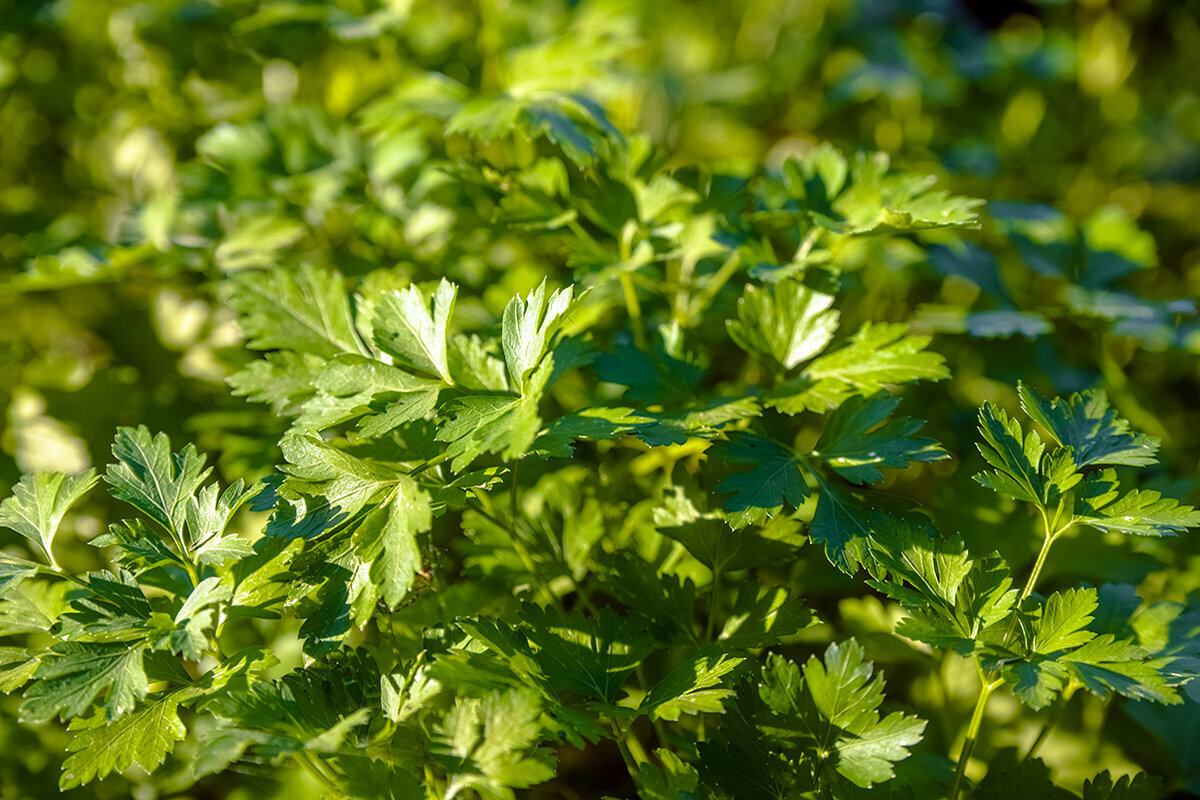
Flat-leaf parsley offers open foliage, straightforward washing and a strong kitchen presence. It is a practical choice for sauces, salads, soups and herb mixtures.
Curly parsley forms a denser ornamental mound of finely frilled leaves. It sits handsomely beside a greenhouse path while providing a long-running culinary harvest.
Proof 01 · A herb worth establishing
Parsley beyond the garnish
A well-grown parsley plant has presence: a low, generous crown of divided leaves, a clean green scent released by the hand and sufficient root reserves to offer cutting after cutting. Under glass, it can be treated as a lasting leafy crop rather than a small pot of leaves to use once and forget.
That distinction changes how parsley is grown. It does not reward haste at sowing, nor does it enjoy the overheated, stagnant conditions that suit neither cool-season herbs nor the gardener tending them. It prefers a dependable routine: fresh seed, clean peat-free compost, even moisture, bright light and ventilation before the greenhouse becomes close and humid. Once established, it occupies modest space but makes a serious contribution to the kitchen.
For gardeners in the United Kingdom, the greenhouse advantage is control rather than constant warmth. A protected bench supports early spring sowing, stable moisture during slow germination and clean crops through the shoulder seasons. It also shelters leaves from heavy rain and splashing soil. In summer, however, the structure must be managed as a bright, ventilated growing room rather than a sealed suntrap. Consider the proportions of the Classic Aluminium Greenhouse when planning an orderly herb bench with accessible paths, useful staging and space for day-to-day crop care.
Proof 02 · Leaf architecture
Plate A · Open impression
Plate B · Dense impression
Flat-leaf, curly and one useful outlier
Choose parsley according to the way you cook, harvest and clean it rather than relying only on its appearance on a seed packet. Both principal leaf forms make productive greenhouse crops when moisture is even and roots are not crowded. Named culinary varieties from a reliable supplier make it easier to plan a useful succession.
Flat-leaf
Open leaflets. Straightforward to rinse and easy to harvest by the stalk.
- Broad, spreading habit
- Excellent for sauces and salads
Curly
Fine frill. Decorative texture with carefully selected mature outer stems.
- Dense, cushioned habit
- Handsome at a visible bench edge
Flat-leaf parsley, often called Italian parsley, has smoother, more open leaflets. Its structure makes it easier to rinse away greenhouse dust, occasional compost splash or a stray aphid before the harvest reaches the kitchen. Its distinct petioles are also simple to follow down towards the crown when cutting. It is a natural choice for generous handfuls in sauces, soups, salads and herb mixtures.
Curly parsley is more compact in effect, with finely frilled leaves that give an herb bench an almost engraved texture. Its folds retain moisture and debris more readily, so washing and airflow require extra attention. Position it near the front of a bed or bench, where its form can be appreciated and mature stalks remain reachable without disturbing the tight young centre.
Root parsley note: Some UK seed catalogues offer Hamburg or root parsley. It is cultivated primarily for its enlarged root and needs a deeper, stone-free growing medium than ordinary leaf parsley. It can be an interesting specialist crop, but it is not the simplest choice for a compact herb bench intended for frequent leaf harvests.
Proof 03 · The slow germination workshop
Make room for a patient beginning
Parsley’s reputation for slow, uneven emergence is well deserved, but it need not be discouraging. The RHS notes that seedlings can take up to six weeks to appear. Instead of disturbing the compost to search for progress, use fresh seed, label every sowing clearly and build the process around continuous moisture, moderate warmth and a reliably bright position.
ISeed and compost
Fresh seed; fine, clean, peat-free seed compost.
IIDepth and cover
Sow about 1 cm deep; cover lightly and label.
IIIMoisture continuity
Keep evenly moist, never waterlogged.
IVWarmth and light
Moderate warmth; bright light after emergence.
Seed and compost. Use fresh seed and a fine, clean, peat-free seed compost. Fill modules or a shallow seed pan without pressing the medium into a hard, airless layer; germinating seed requires oxygen as well as consistent moisture.
Depth and cover. Sow thinly at approximately 1 cm deep. Cover lightly, firm only enough to create good contact and record the variety and sowing date. Water gently so that the fine seed is not excavated or gathered into one corner.
Moisture continuity. Keep the compost evenly moist but never saturated. Repeated drying can interrupt the long germination process, while waterlogging excludes air and increases the risk of failure before any seedling becomes visible.
Warmth and light. A bright, moderately warm greenhouse position is more useful than excessive heat. Once seedlings emerge, provide good light and gentle airflow promptly rather than leaving them enclosed beneath a humid propagator cover.
A calm seed-starting method matters more than a trick. Check moisture each day rather than watering by a fixed calendar, using a fine rose or watering from below without leaving trays standing in water. When seedlings develop true leaves, thin crowded groups and keep them in clean, bright conditions. If only a few plants are needed, healthy young parsley can be established directly in final containers, although seed remains valuable for succession and variety.
Proof 04 · Establishment and atmosphere
Give roots depth, leaves light and the greenhouse air
Transplant when seedlings have several true leaves and enough roots to hold the plug together. Handle them by a leaf or the rootball rather than pulling the delicate stem, and minimise disturbance. A container at least 25 cm wide and deep suits a modest clump; a deeper trough can carry a short row. Use peat-free multi-purpose compost for established plants, or improve a free-draining greenhouse bed with a little well-rotted organic matter where its structure is poor. Plant at the same depth as the rootball and water thoroughly.
A generous trough can look composed, but do not overfill it. Space between crowns improves airflow, lets you cut complete stalks without crushing neighbouring plants and makes early signs of pests or spotting easier to detect. On narrow staging, place taller crops behind the parsley so that its low canopy receives useful daylight and remains accessible from the path.
Reserve a bright, practical part of the herb bench for parsley while protecting it from trapped heat. A Classic Aluminium Greenhouse provides a considered setting in which delicate herb production can be separated from taller fruiting crops that cast shade or prefer a warmer atmosphere. During a bright British summer, move containers away from the fiercest south-facing midday glass if necessary and operate doors and vents early. In winter and early spring, clean glazing and thoughtful staging placement help make the most of limited daylight.
Proof 05 · Water, fertility and clean leaf growth
Grow substance rather than surplus
- +Water thoroughly, then observe. Test below the surface rather than watering automatically. When the upper compost begins to dry, water the root zone thoroughly, then let the surface become just touch-dry before watering again. The rhythm changes with pot size, sunlight and ventilation. Never leave a container standing in stagnant water, but do not allow the rootball to dry hard.
- +Feed modestly. Begin with fertile peat-free compost or well-structured greenhouse soil. Feed modestly only after plants have settled and begun producing regular new growth, following the product instructions. Excess nitrogen encourages soft, overly lush foliage that is less resilient in humid conditions. Correct poor drainage or irregular watering before assuming that yellow leaves need more feed.
- +Water compost, not foliage. A narrow-spout can or low-flow wand keeps leaves and crowns drier. Morning watering gives occasional splashes time to dry as doors and vents open.
- +Separate crop zones. Do not place parsley beside congested, disease-prone seedlings or beneath plants that drip after watering. Sensible spacing, clean staging and an unobstructed path prevent more trouble than a reactive treatment routine.
For a greenhouse that works as a long-term herb room, provide staging at a comfortable cutting height, a manageable surface beneath containers and ready access to water. The adaptable growing space offered by the Classic Aluminium Greenhouse supports an orderly arrangement in which ventilation, crop access and daily moisture checks can become part of the routine.
Proof 06 · The cutting theatre
Harvest whole stems for continued production
The most important parsley technique is also the simplest: cut mature outer stalks close to their base. Do not clip leaf tips across the top as though trimming a hedge. The crown needs its young central growth intact, while the short bare stalks left by superficial shearing reduce useful leaf area, clutter the plant and can make subsequent harvesting more difficult.
- Start outside. Select the oldest, largest petioles around the plant’s outer edge.
- Follow each stalk down. Use clean scissors or a sharp herb knife and cut low without slicing into neighbouring shoots or the central crown.
- Leave the centre. The tight, upright emerging leaves will become the plant’s next useful cutting.
- Harvest little and often. Measured, frequent picking is preferable to stripping a modest plant almost bare.
Take no more than about a third of a well-established plant in one pass, particularly during cool or low-light weather. For the freshest flavour, harvest in the cool of morning or evening, before foliage is stressed by greenhouse heat. Rinse when needed and dry thoroughly before storage or cooking.
Proof 07 · The biennial second act
Know when parsley changes its assignment
Parsley’s leaf-producing first year is the stage most kitchen gardeners want. After experiencing winter, a surviving plant may renew growth, send up a taller flower stalk, form yellow-green umbels, set seed and complete its biennial life cycle. Culinary quality and leaf production decline after flowering begins, so treat the second season as a planned transition rather than a growing failure.
Year one · Leaf work
Establish and cut
Winter transition
Hold, slow or replace
Year two · Flower work
Keep for seed or replace
Year one: establish and cut. Sow, transplant and maintain even moisture, then harvest the largest outer stalks while the crown develops. This is parsley’s principal period for kitchen-quality foliage. Make another sowing during summer or autumn so that younger plants are ready when older specimens lose quality, rather than expecting one crown to remain productive indefinitely.
Winter transition: hold, slow or replace. In an unheated UK greenhouse, established parsley can remain useful through much of winter, although growth slows markedly as light and temperatures fall. Prevent compost from becoming waterlogged, ventilate on mild days and pick sparingly. Do not force soft foliage with heavy feeding or excessive watering. Protection improves the opportunity for winter harvests, but it does not recreate summer growing conditions.
Year two: keep for seed or replace. As spring advances, an overwintered plant may elongate and develop flower stalks. Keep one if you want early-season umbels, insect interest or potential seed; it will no longer be the most reliable source of tender kitchen leaves. Remove the remaining older plants and replace them with young stock. For a steady household supply, succession is more useful than attempting to prevent the biennial cycle.
Proof 08 · Problems and hygiene
Read the crop before treating it
Most parsley problems in a home greenhouse begin with an inspection question: is the compost too wet, is foliage remaining damp, is the crop crowded, or are pests concentrated on tender shoots? Remove severely affected material, clear fallen debris, keep tools and modules clean and correct the growing environment before considering treatment. Avoid indiscriminate sprays where leaves are harvested regularly for the kitchen.
Symptom
Inspect first
Measured response
Priority
Sticky leaves, distorted young growth or small insects clustered beneath leaflets and along tender stalks.
Look for aphids, shed skins and sticky residue. Inspect neighbouring seedlings and new shoots, not only the leaf showing the greatest damage.
Isolate the pot where practical. Rinse small colonies away with a gentle, directed water jet early in the day, remove badly infested tips, improve airflow and inspect again. Avoid excessive nitrogen feeding.
Act soon
Yellowing lower leaves; compost remains heavy, sour or wet long after watering.
Check drainage holes, saucers, compaction and watering frequency. If necessary, lift one plant and inspect whether roots are healthy or darkened and damaged.
Pause watering as appropriate, improve drainage and remove decaying leaves. Do not compensate immediately with fertiliser: stressed, airless roots cannot use additional nutrients effectively.
Correct routine
Tan, brown or pale leaf spots, especially after foliage has remained wet.
Inspect both surfaces for angular marks, dark margins or tiny specks. Look for crowding, condensation, splashing compost, dirty tools and fallen infected debris.
Remove affected leaves and debris, improve spacing, vent early, clean cutting tools and water at compost level. Avoid handling wet foliage. If spotting continues to spread, discard badly affected plants rather than carrying the problem into the next sowing.
Sanitise
Thin, pale, stretched growth carried on unusually long leaf stalks.
Review available daylight, shade from taller crops, dirty glazing and seasonal day length. Check whether the greenhouse has become warm while remaining comparatively dim.
Move parsley into brighter usable light, increase spacing and clean accessible glazing safely. Avoid trying to correct poor light with extra fertiliser or excessive watering, particularly in winter.
Reposition
Kitchen proof
The best way to preserve parsley is to keep a living crop close enough to cut when cooking begins.
Handle the harvest as a fresh ingredient
Parsley is at its most expressive when freshly cut. Harvest only what is required, remove damaged leaflets and rinse as necessary; curly types need especially careful washing. Dry the foliage with a clean tea towel or salad spinner. For a short hold, refrigerate it loosely in a reusable container lined with barely damp kitchen paper rather than sealing dripping-wet leaves in a bag.
For a larger surplus, chop the leaves and freeze them in small portions for soups, sauces and other cooked dishes. The texture changes, but the flavour remains useful. Tender lower stalks also contribute flavour to stocks, herb pastes and sauces, so there is no need to discard them automatically. Drying is possible, although it diminishes the fresh fragrance and green character of greenhouse parsley.
When planning a lasting crop, consider the Classic Aluminium Greenhouse as a setting for accessible staging and distinct seasonal crop zones. Parsley fits particularly well between vigorous summer crops and through cooler months when its naturally restrained pace can be managed without forcing growth.
Reference register
Parsley greenhouse FAQ
Can parsley grow in an unheated greenhouse?+
Yes. It can remain useful for much of the year, particularly through spring, autumn and mild winter periods. In a British winter, however, growth naturally slows as light and temperatures decline. Protect plants from severe cold, prevent waterlogging, ventilate on mild days and harvest lightly. Establish fresh plants for the strongest spring and summer supply.
How long does parsley take to germinate under glass?+
Expect patience rather than one fixed number of days. Seed freshness, sowing depth, moisture and warmth all influence emergence, and the RHS notes that seedlings may take up to six weeks to appear. Keep the labelled compost evenly moist, bright and moderately warm, and resist discarding a healthy-looking tray after only a fortnight.
Should parsley grow in beds or containers?+
Either system works. A free-draining greenhouse bed offers generous root room and more stable moisture. Deep troughs and pots are easier to position near a door or kitchen route and simpler to replace after the first season. For a modest clump, use a container at least 25 cm wide and deep with reliable drainage.
Why is my greenhouse parsley flowering?+
Parsley is biennial, so an overwintered plant commonly produces a flower stalk in its second spring as conditions change. Leaf quantity and culinary quality decline once flowering begins. Keep one plant for umbels, visiting insects or potential seed if desired, but replace the others with younger plants for a dependable supply of tender leaves.
How often can parsley be harvested?+
Begin when a settled plant has enough substantial outer stalks to spare. Take a few complete petioles at a time, cutting low while leaving the central crown untouched. Avoid removing more than about a third in one session, especially in cool, dull weather. Regular moderate harvesting is better than occasional drastic shearing.
Sources and further reading
Reference impressions
More from Bloomcabin: Bloomcabin UK greenhouse setup guide · greenhouse design choices and accessories · how to grow fresh food through the year in a UK greenhouse
- Royal Horticultural Society. How to grow parsley.RHS guide to growing parsley
- Royal Horticultural Society. Petroselinum crispum plant profile and horticultural details.RHS parsley plant profile
- University of California IPM. Septoria leaf spot guidance.Septoria leaf spot in parsley
- University of Connecticut IPM. Pest management for greenhouse herb bedding plants.Greenhouse herb pest management guidance
- University of California, Davis. Parsley production and harvest fact sheet.UC Davis parsley seed-to-harvest fact sheet
- Cornell University Plant Pathology. Recognition and management of Septoria leaf spot in parsley crops.Cornell guide to parsley Septoria leaf spot
