
How to Grow Rosemary in a Greenhouse
Bloomcabin cultivation notes / 21
How to Grow
Rosemary in a
Greenhouse
Give this aromatic evergreen the character of a bright Mediterranean courtyard: generous sun, a mineral root zone, moving air and pruning that always leaves living green growth behind.
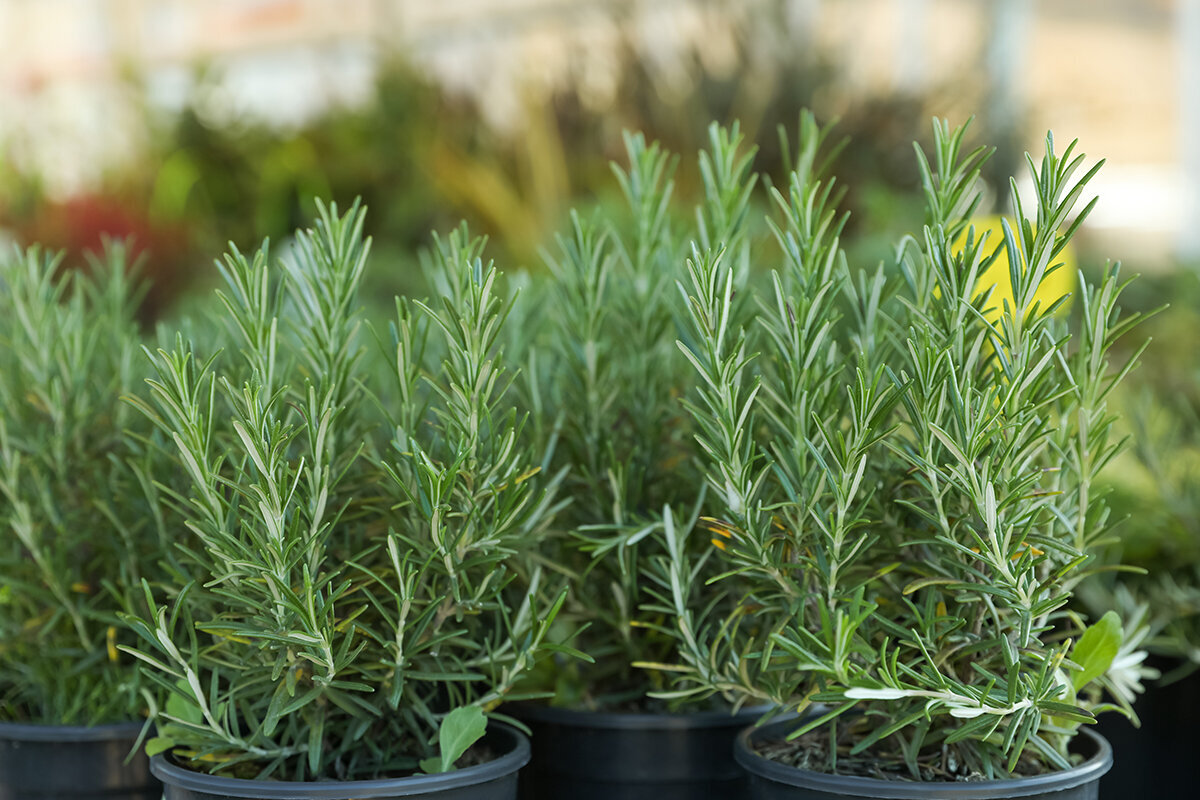
Rosemary is not simply basil with tougher leaves. It is a small shrub whose fragrance, structure and longevity are shaped by the relationship between light, roots, air and wood.
That distinction changes how the greenhouse gardener should read the plant. A soft annual herb may ask for evenly moist compost, regular feeding and frequent replacement. Rosemary needs a definite wet-to-dry rhythm around its roots, a bright position and a pot that never becomes a cold reservoir. Its narrow leaves cope well with sun, but its root system has little tolerance for low oxygen in dense, saturated compost.
In Britain, a greenhouse is particularly useful because it protects rosemary from persistent winter rain and extends the practical season for harvesting and propagation. It does not need to turn the plant’s surroundings tropical. Used well, the structure acts more like a bright, ventilated courtyard: it excludes excessive rain while preserving fresh air, decisive drainage and seasonal change. Used poorly, it can trap overheating, condensation and stagnant humidity around the foliage.
Begin with a healthy, bushy nursery plant or a cutting from a rosemary you enjoy. Then design the growing system around its needs. A thoughtfully configured Classic Aluminium Greenhouse provides the daylight, opening points and working space needed to make ventilation, staging and seasonal care part of the garden’s architecture rather than an afterthought.
01 / greenhouse position
Put light first; make air the second discipline.
Rosemary needs a genuinely bright site. Give a potted plant the sunniest practical bench, staging edge or floor position, ideally with several hours of direct sun during active growth. Under British glass, the south-facing side can be excellent in spring and autumn but fierce during a summer heat spike. Watch the plant rather than assuming all greenhouse light is harmless. Pale, stretched shoots suggest inadequate light; foliage that bleaches or flags after a sudden move may need gradual acclimatisation, earlier ventilation or the lightest temporary shading.
Position the pot where it is easy to inspect and where air can move around every side. Do not wedge rosemary into a crowded herb shelf behind dense, thirsty foliage. A staging edge, low plinth near a roof vent or open floor position can work well. Leave space between containers so branches dry promptly and do not touch damp glazing. Turn the pot a quarter turn every week or two if one side consistently leans towards the light.
Ventilation matters because rosemary can face two opposite problems on the same day: excessive heat beneath the glazing and humid, stagnant air within its canopy. Open roof vents early on bright days and use the door or other openings to establish a gentle through-draught. When considering practical control of rising temperatures, the ventilation features of the Classic Aluminium Greenhouse help gardeners create the regular air exchange that rosemary needs during warm, bright weather.
Practical orientation A south-facing position is useful through much of the British growing year. During a summer hot spell, prioritise early vent opening, through-ventilation and the ability to move the pot slightly away from scorching glass rather than placing it permanently in shade.
Bench etiquette Keep rosemary apart from trays that need constant moisture or high humidity. One greenhouse can hold several microclimates, but a wet bench routine should not dictate this shrub’s care.
02 / form and vessel
Choose a plant that suits the room available.
For cooking and a strong architectural presence, choose an upright rosemary with firm stems and foliage extending well down the plant. Upright forms make excellent greenhouse specimens and are easy to harvest without lower branches trailing across damp surfaces. Compact plants are easier to accommodate on staging. Trailing forms can be attractive on raised edges or in hanging displays, but position them carefully: cascading shoots must not block circulation beneath a shelf or brush against wet paths and glazing.
Named cultivars are usually best maintained from cuttings, preserving the parent plant’s growth habit and flavour. Choose a healthy, bushy nursery specimen with aromatic foliage, clean stems and a root ball that is neither bone dry nor standing in water. Avoid plants with blackened bases, yellowing interiors, visible pests or a heavy plug of compost that remains saturated for days.
03 / root-zone architecture
Drainage is not an accessory. It is the planting plan.
Use a container with clear drainage holes and fill it with a loose, free-draining medium. For an established plant, a useful blend is roughly two parts good peat-free multipurpose compost to one part horticultural grit or coarse perlite. The objective is not an infertile pile of stones. It is a root zone that wets evenly, releases surplus water quickly and admits air as it begins to dry, while retaining enough organic material to support measured growth.
Raised pot
Open drain / air beneath
Full saucer
Standing water / avoid
Oversized container
Excess wet compost / risk
Raised pot: Set the container on pot feet, timber battens or a slatted bench. Keep the crown at its original level, and ensure surplus water can leave through open holes instead of collecting beneath the base.
Saucer discipline: A saucer may catch runoff briefly and protect staging, but empty it after watering. If left full, moisture can wick upwards and keep the lower root zone wet long after the surface appears dry.
Right-size the vessel: Match the container closely to the root mass. Too much cool, damp compost around a small root system can cause sparse growth and root trouble before the pot looks visibly waterlogged.
Plant at the same depth as in the nursery container, leaving the woody crown above the compost surface. Firm gently rather than compressing the mix. Water after potting, allow the container to drain completely, and wait until the upper few centimetres have dried and the pot feels noticeably lighter before watering again. A thin grit mulch is optional and helps keep lower foliage clean.
Do not rely on a decorative gravel layer at the bottom to repair poorly draining compost. It reduces the volume available to roots and cannot replace an open medium or working drainage holes. Amend the compost consistently throughout the pot, then elevate the container so that water has an uninterrupted route away.
04 / moisture cadence
Water thoroughly, then let the root zone breathe.
Spring
As days lengthen, fresh shoots use more water. Check the container regularly, but do not begin daily watering by habit. Water when the upper compost is dry and the pot lighter, then empty runoff promptly.
Summer
On bright, hot days a container can dry quickly. Water in the morning, soak the root zone rather than the foliage, and ventilate before heat accumulates beneath the glazing.
The rosemary test
Push a finger into the upper few centimetres of compost, then lift the pot if its size allows. A dry surface combined with a noticeably light container is more informative than a calendar. When watering is due, apply it slowly and evenly until a little runs from the holes. This moistens the whole root zone and confirms that the drainage route remains open.
NeverKeep rosemary continually damp merely because it grows under glass. Protected cover can slow drying dramatically during cloudy British weather.
UsuallyAllow the upper compost to dry between waterings. Established rosemary tolerates drought, but a container should not remain severely dry for prolonged periods during active growth.
AlwaysAdjust for pot material, plant size, sunlight, ventilation and season. Terracotta on bright staging behaves very differently from glazed ceramic standing on a cool, shaded floor.
Feed with restraint. A diluted balanced liquid feed every four to six weeks after active spring growth begins is ample for most container-grown rosemary. Avoid frequent rich feeding, particularly with excess nitrogen: it encourages soft, congested shoots rather than the compact, aromatic growth wanted from a permanent culinary shrub.
Autumn
As light and growth decline, reduce watering and stop feeding. Avoid leaving the root ball saturated before a spell of cold, dull weather.
Winter
Water only after the compost has dried appreciably. The plant uses little moisture in low light, although a bright day can still dry a small pot. Observe conditions instead of following a weekly interval.
Mistake ledger / 01 Giving a small daily drink keeps the centre of the root ball damp without refreshing it properly.
Mistake ledger / 02 Using a cachepot or saucer as permanent water storage deprives rosemary roots of air.
Mistake ledger / 03 Feeding a stressed, waterlogged plant adds nutrients when its damaged roots cannot use them effectively.
05 / wood and renewal
Prune for living green, not a dramatic haircut.
Rosemary responds well to regular, modest harvesting and tip pruning, but it does not reliably reshoot from completely bare old wood. The aim is therefore to maintain younger, leafy stems throughout the plant. Do not allow a handsome shrub to become a bare-legged thicket and then attempt to rescue it with one severe cut. Foresight is safer and produces a better kitchen plant.
After the main flowering flush, or during active growth, remove a little from several vigorous green shoots. Cut just above a leafy side shoot and leave visible foliage below every cut. Deal with dead, damaged or crossing twigs first, then refine the outline lightly. If growth is leaning towards the glazing, rotate the container and make small corrections while the stems remain flexible. In late spring, wait for visible new growth before removing winter-damaged tips.
Harvest the tender ends. Take short lengths from vigorous green shoots for cooking, spreading the cuts across the entire plant.
Read the wood. Productive mature stems are firm but leafy; dark, bare old wood provides structure and may not reliably produce fresh shoots.
Renew gradually. Over several months, shorten selected long shoots into leafy growth rather than removing a large proportion of the canopy at once.
Fresh green — harvest Mature leafy — shorten Old bare wood — avoid cutting Semi-ripe tips — propagate
06 / propagation bench
Make insurance plants from semi-ripe cuttings.
Taking cuttings is a sensible way to preserve a favourite rosemary and prepare for the eventual ageing of a woody parent. In Britain, semi-ripe material is commonly taken from late summer into early autumn. Select clean, non-flowering shoots made this year: they should be firm near the base but remain flexible towards the tip. Take several more than you ultimately require, creating useful reserves for another greenhouse pot, the garden or gifts.
Use clean, sharp secateurs to take tip cuttings around 10–15cm long. Trim immediately below a node, remove the lower needles and retain a compact tuft of foliage at the top. Do not bury leaves in the rooting medium. Fill a pot with a free-draining peat-free cutting mix and place several cuttings around its rim. A loose, airy propagation medium is preferable to garden soil, which can be dense, variable and slow to drain under cover.
01 / SelectHealthy non-flowering tip
02 / PrepareRemove lower needles
03 / InsertSet firmly in open mix
04 / RootDamp, never saturated
05 / TestResistance and growth
06 / Pot onIncrease light gradually
Make a hole in the compost before inserting each cutting so the lower stem is not scraped or damaged. Keep a small tuft of healthy foliage above the surface, then firm the medium gently and water once. A loose cover can reduce early wilting, but open it frequently. The aim is controlled moisture around the cutting, not wet compost and permanently saturated air.
After several weeks, resistance to a very gentle tug and the appearance of new growth suggest roots are developing. Pot successful cuttings individually into small containers, then introduce brighter light and a drier watering rhythm gradually. Young plants and recently rooted cuttings need more protection from sharp frost than a substantial established specimen.
07 / flower and flavour
Harvest with enough restraint to keep the plant handsome.
Rosemary flowers are attractive and useful to pollinators when the plant is outdoors or accessible through open greenhouse doors. Flowering is not a failure, nor does every bud need removing. For a compact culinary specimen, trim lightly after the principal flowering period. Harvest aromatic young sprigs in the morning once surface moisture has dried, taking modest amounts from around the crown rather than stripping one branch bare. Regular, balanced picking helps maintain a dense outline.
Use fresh sprigs promptly, while their needles remain fragrant and crisp. For drying, cut short, clean lengths and place them in a dark, airy indoor location. Do not hang herb bundles in a humid greenhouse, where conditions may be too hot, damp or inconsistent for good drying. Preserve the best leafy stems as the plant’s future framework: a successful harvest should refine the shrub rather than hollowing out its centre.
“The culinary quality of greenhouse rosemary comes from concentrated, well-lit growth—not from confusing measured dryness with neglect.”
08 / the annual climate
Use the greenhouse to soften winter, not suspend the seasons.
Rosemary is hardy enough for many UK gardens, but its success varies with local temperature, exposure, cultivar, plant age and—critically—winter wet. An unheated greenhouse protects a container from persistent rain and cutting wind, yet it may still become very cold during severe frost. Mature plants often need no artificial warmth, while young rosemary, rooted cuttings and small pots are more vulnerable. Keep them away from glazing and use temporary horticultural fleece during a severe cold spell, removing it when conditions improve so that light and air return.
WinterVent when suitable. Raise pots above wet floors.
SpringResume checks; prune damage after growth appears.
SummerRelease heat early; maintain through-ventilation.
AutumnReduce water and take semi-ripe cuttings.
Winter risk usually comes from the interaction of low light, cool compost and enclosed humidity. Water sparingly, preferably in the morning on a day when moving air can help the plant dry. On mild, dry days, open a vent or door briefly to exchange damp air. Increase watering in spring only as growth resumes. Summer demands early opening of roof vents and doors, with minimal temporary shading during exceptional heat. In autumn, stop feeding, reduce moisture gradually and clear fallen foliage from beneath every pot.
For planning a greenhouse beyond a single herb container, examine the structure and ventilation offered by Bloomcabin’s Classic Aluminium Greenhouse alongside the practical specifications for its Classic Aluminium Greenhouse. The right rosemary setting provides a clear route for daylight, ventilation and easy access throughout the British growing year.
09 / symptom corridor
Diagnose the growing system before treating the leaves.
Soft base, dull foliage and brown tips
Likely issue: Root stress or rot caused by overwatering, obstructed drainage or a cold, saturated container.
Response: Stop watering, empty saucers and inspect every drainage hole. Where roots are dark and soft, remove failed material and repot viable roots into fresh, open compost. Give the plant brighter, moving air while it re-establishes, and do not feed a damaged root system.
White film within the rosemary canopy
Likely issue: Mildew pressure encouraged by crowded foliage, condensation and still, humid greenhouse conditions.
Response: Remove the worst-affected tips, increase spacing and ventilation, and keep branches away from damp glazing. Water the compost rather than wetting foliage late in the day.
Fine stippling, webbing and pale foliage
Likely issue: Red spider mite, encouraged by hot, dry and still conditions beneath glass.
Response: Isolate the plant where practical, inspect leaf undersides, rinse foliage carefully and check neighbouring plants. Improve ventilation, but do not respond by keeping rosemary’s root ball continually wet.
Rosemary may also be affected by rosemary beetle, scale insects and leafhoppers. Inspect stems, shoot tips and leaf undersides as part of the weekly watering round. Buying from reputable UK nurseries and retaining plant labels supports good provenance; rosemary is among plants associated with controls for Xylella fastidiosa. Early observation is easier than rescuing a dense canopy later: check the base, compost and foliage before deciding whether the plant needs water, air, pruning or no intervention at all.
10 / four quiet routines
A seasonal rosemary checklist
Late winter Clean the glazing, check roof vents, inspect for pests and remove fallen debris. Water only after the container has dried appreciably.
Mid-spring Repot only if roots have filled the container. Prune winter damage into leafy wood and begin light feeding when growth resumes.
High summer Vent early, water thoroughly when the pot becomes light, harvest green tips and avoid trapping humid air after watering.
Early autumn Take semi-ripe cuttings, stop feeding, reduce watering gradually and check that every pot remains raised with clear drainage.
When creating an herb-focused greenhouse, consider the ventilation, practical access and generous growing volume provided by a Classic Aluminium Greenhouse. For rosemary, favour a plan that gives one or two substantial specimens light and air on every side rather than filling each surface with thirsty annual herbs. Clear working space makes turning, watering, pruning and pest inspection considerably easier.
Rosemary greenhouse FAQ
Questions from the potting bench
Can rosemary grow year-round in a greenhouse?
Usually, yes, provided it receives strong light, moving air, freely draining compost and protection appropriate to local winter conditions. Growth slows markedly through the British winter, so watering must slow as well. A mature plant may be comfortable in a protected unheated greenhouse, while small plants and newly rooted cuttings can need temporary fleece during severe frost.
How often should I water greenhouse rosemary?
There is no reliable universal interval. Feel the upper few centimetres of compost and assess the weight of the pot. When it has dried and become noticeably lighter, water thoroughly and allow all surplus to drain. Bright summer periods demand frequent checks; cold, cloudy winter weather may mean watering only occasionally.
Should rosemary stand in a saucer of water?
No. A saucer can protect staging while runoff collects, but it should be emptied promptly. Rosemary roots are poorly suited to continuously wet, oxygen-starved conditions, especially during cool weather.
Can I cut rosemary back hard when it becomes woody?
Proceed cautiously. Rosemary does not reliably produce new shoots from leafless old wood. Prune gradually, always leaving leafy growth below each cut. If the plant is already bare and leggy, take healthy tip cuttings before attempting modest corrective work.
Why are lower needles browning while the compost is wet?
This frequently indicates root stress rather than thirst. Check for blocked drainage, standing runoff, an oversized pot, compacted compost, low light and stagnant air. Correct the underlying conditions before adding water or feed.
Sources & further reading
Grounded in UK horticultural practice
More from Bloomcabin: greenhouse setup and planting guide · aluminium greenhouse information page · UK greenhouse FAQ
- Royal Horticultural Society — rosemary cultivation:How to grow rosemary
- Royal Horticultural Society — greenhouse climate:Greenhouse ventilation and shading
- Royal Horticultural Society — plant propagation:How to take semi-ripe cuttings
- Royal Horticultural Society — seasonal glasshouse care:Using your greenhouse in winter
- Agriculture and Horticulture Development Board — research:Optimising flavour in rosemary
- UK Plant Health Information Portal — guidance:Xylella fastidiosa plant-health information
A greenhouse with room to breathe
Give rosemary a bright, ventilated room of its own.
A lasting rosemary plant is a small lesson in thoughtful greenhouse design: clear light, easy access, measured water and air that never remains still for long. Choose a Bloomcabin greenhouse that makes those habits straightforward, then let a fragrant evergreen shrub become a permanent, productive part of your garden’s architecture.
Classic Aluminium Greenhouse