
Poolside Pergolas: Shade, Privacy and Modern Garden Design
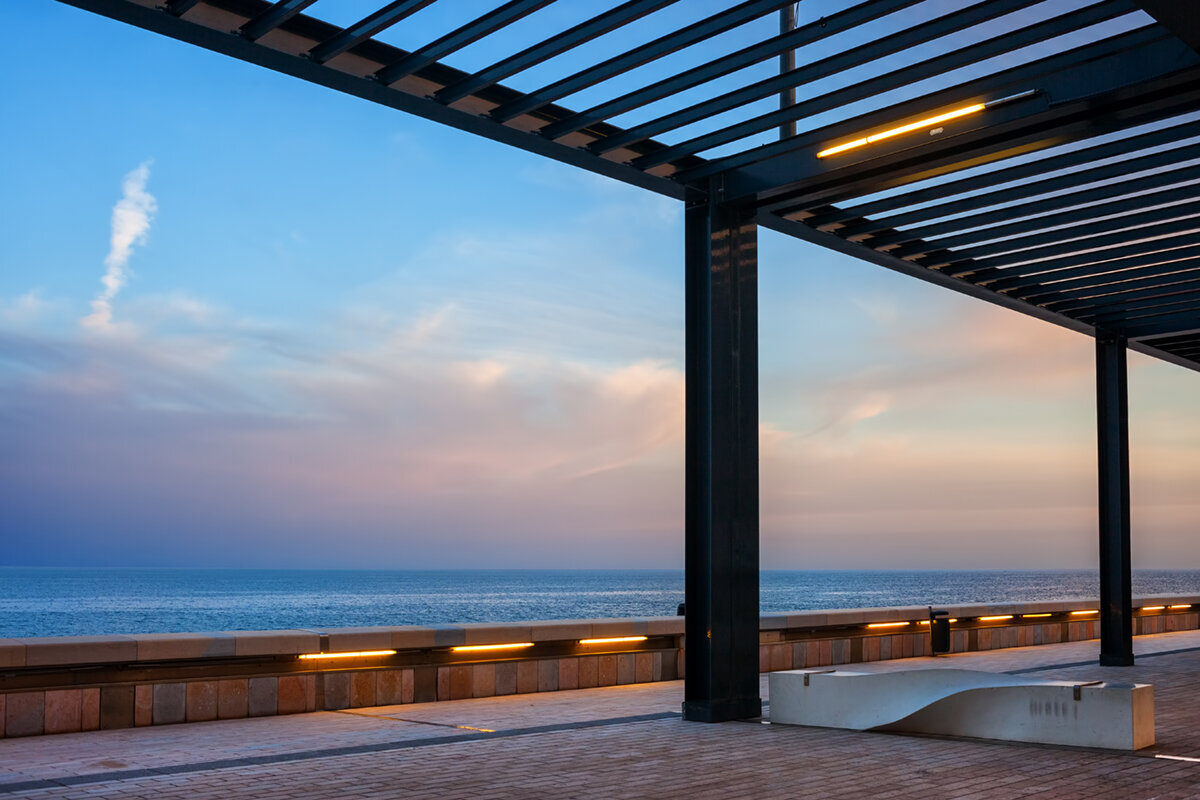
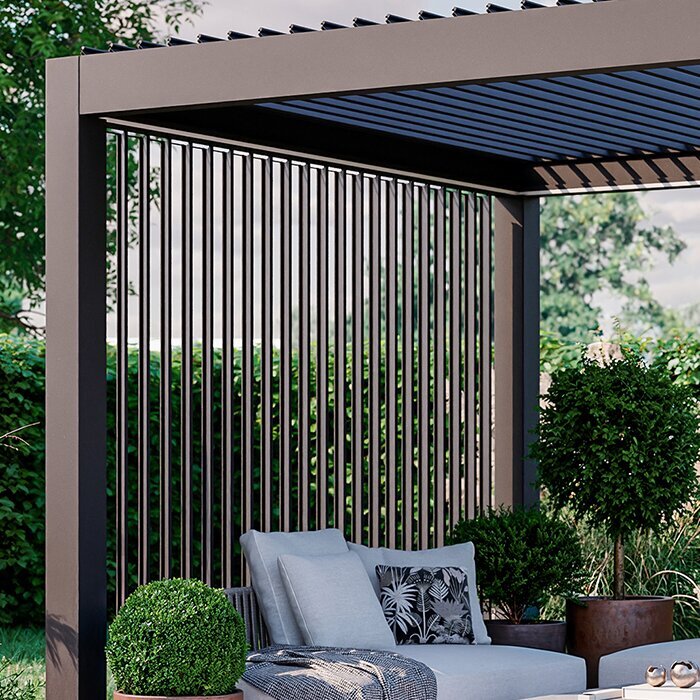
Swimming pools can make a garden feel wonderfully expansive, yet the surrounding hard landscaping can seem exposed once the novelty of the water recedes. A poolside pergola introduces scale and enclosure without turning the area into another room indoors. It can frame a lounge zone, temper bright sun and give towels, books and drinks a considered home between swims.
The key is to plan it as part of the pool setting rather than as an object placed beside it. Think about where people emerge from the water, where wet feet travel, which views deserve to remain open and how afternoon sun crosses the terrace. These small decisions determine whether the structure feels effortless or interrupts the rhythm of the garden.
For British homeowners, a good poolside scheme also needs to be useful beyond the warmest weeks. A well-positioned aluminium pergola can make the terrace feel more inviting on bright spring mornings and cooler evenings, while privacy measures and furniture choices help the area remain comfortable when the pool is not in use.
Stage one
Read the poolside before choosing a structure
Begin at the water’s edge and watch how the pool is genuinely used. Children may need an uncluttered route between house, changing area and water, while adults often gravitate towards a quieter corner for reclining or lunch. A pergola should support these patterns, not force everyone through a narrow gap. Mark likely furniture positions and leave generous circulation around both the pool and the structure.
Also consider the visual hierarchy from inside the house. Looking out across water is often a principal garden view, so a bulky or poorly aligned roofline can feel intrusive. Set the pergola where its posts frame rather than chop up that view. In a long garden, placing it across one end can make the pool feel intentionally anchored; beside it, it can create a softer destination.
Stand in the proposed spot at breakfast, midday and early evening to understand sun, reflected glare and overlooked angles.
Keep a clear route for pool cleaning, covers and everyday access before committing to posts, furniture or screens.
For adjustable cover near a changing poolside lounge, explore a bioclimatic pergola for poolside shade that can be planned as part of the terrace composition.
Stage two
Plan shade around real daily use
Pool shade is not simply about casting the largest possible shadow. A successful arrangement gives people a choice between sun, dappled light and a protected seat, especially when one person is swimming and another is reading nearby. Consider when the pool is busiest and where reflected sunlight is strongest. The answer may be a shaded seating bay rather than covering the pool itself.
The sun’s angle changes through the season, and nearby trees, fences and house walls can alter the effect considerably. Rather than relying on a rough impression from one warm afternoon, observe the site over time or use a simple sun study. Orienting the structure thoughtfully can reduce glare over a dining table and preserve the bright, open water surface that gives the pool its appeal.
Place dining where shade is most valuable at mealtimes, rather than automatically centring it alongside the longest pool edge.
Avoid arranging every lounger under cover; a mix of sheltered and sunny positions makes the terrace more flexible.
If you prefer a fixed, open framework for filtered light and a relaxed setting, consider a regular pergola beside the pool as the organising feature for seating and planting.
Stage three
Build privacy without closing the garden
Privacy beside a pool is about confidence as much as screening. You may want to soften a direct view from an upstairs window, a neighbouring patio or a garden path, while still keeping sightlines to favourite trees and sky. Identify precisely where the unwanted view begins and ends. This avoids the common mistake of installing a solid barrier that creates shade and enclosure where neither was needed.
A pergola gives privacy elements a disciplined place to sit. Vertical screening can make a changing or lounging zone feel sheltered, while planting can soften the edges from the garden side. Use rhythm rather than a continuous wall: a screened end, an open front and a planted flank often feel more elegant. Consider how the solution looks in winter, when deciduous planting is sparse and the pool area is still visible.
Test overlooking from relevant windows, neighbouring gardens and upper terraces before choosing which sides need visual filtering.
Combine a partial screen with layered evergreen planting where possible, allowing privacy to feel integrated rather than defensive.
For a terrace where control over light and enclosure matters, look at a bioclimatic pergola with privacy options and shape the screening around the views you wish to retain.
Stage four
Create a destination for poolside seating
The most useful poolside pergola creates a reason to linger after a swim. Think beyond a pair of loungers: a compact sofa arrangement encourages conversation, while a table supports informal meals without carrying everything back indoors. Measure furniture with space to move around it, including someone wrapped in a towel. Low tables, side surfaces and a discrete place for dry towels make the setting feel properly lived in.
Choose materials and colours that belong with the water, paving and architecture. Dark aluminium can provide a crisp graphic outline against pale stone, while softer tones can recede among planting. Avoid filling the zone with too many separate pieces. A restrained arrangement, repeated cushions and a few robust pots often looks more convincing than an over-decorated resort imitation in a domestic garden.
Allow enough room to pull out dining chairs or recline loungers without blocking the path around the pool.
Use outdoor textiles, side tables and planters to signal a seating zone, while choosing finishes comfortable with splashes and wet swimmers.
To establish a simple, sociable outdoor room, a regular aluminium pergola for seating can give furniture and planting a clear architectural boundary.
Stage five
Connect the pergola to the garden design
A pool can introduce strong straight lines, reflective surfaces and hard materials, so the pergola should help bridge these elements with the rest of the garden. Repeat a paving tone, boundary colour or planting form nearby to create a visual conversation. If the garden is informal, soften the transition with generous borders and grasses; if it is contemporary, use repeated shapes and disciplined planting blocks.
Scale matters as much as style. A large structure beside a compact pool can overwhelm both the water and the garden, while a very small one may look incidental and fail to shelter a usable group. View proposed dimensions from the house, pool and far end of the garden. Temporary markers or a simple timber outline can reveal whether the footprint strengthens the composition before installation begins.
Repeat one or two materials from the house or pool surround so the pergola feels designed in, not added later.
Use planting at the outer edges to merge structure with garden, leaving internal access routes practical and uncluttered.
Where a clean-lined garden needs adaptable architectural emphasis, a bioclimatic pergola in a modern scheme can become the focal point linking water, terrace and planting.
Practical planning
Prepare the site and everyday operation
Poolside ground conditions deserve careful attention. The surface must be suitable for the proposed installation, and drainage should be considered so splashed water and rainfall do not create persistent puddles around seating or post locations. Discuss the specific site with an appropriate installer and follow the product requirements. Do not assume an existing patio is automatically ready merely because it looks sound from above.
Think about the daily realities before finalising the position. Pool covers, cleaning equipment, changing routines and garden maintenance all need workable routes. If the pergola is near the house, consider how it relates to doors and indoor sightlines; if it is further away, consider carrying food and drinks. Lighting, power and any future accessories should be considered early, with relevant work planned by suitable professionals.
Assess drainage and the condition of the supporting surface early, particularly where water regularly splashes beyond the pool coping.
Keep equipment storage and maintenance access separate from the relaxation zone so the poolside remains calm when not in use.
For homeowners prioritising a straightforward frame within a wider landscape plan, view a regular pergola for garden zoning alongside the site preparation and layout decisions.
Permissions and reassurance
Check boundaries, rules and practical responsibilities
Before ordering, check whether your proposed poolside pergola may be affected by planning controls, listed-building considerations, covenants or other restrictions relevant to your property. Requirements can depend on location, dimensions, siting and surrounding context, so it is sensible to consult your local planning authority where uncertainty remains. A clear site plan and accurate product information make those conversations more productive.
It is equally worth reviewing household insurance and any pool-specific safety arrangements in light of the finished layout. An insurer can explain what information it needs, while a qualified professional can advise on appropriate electrical work near outdoor water. Consider gates, supervision routines and clear routes as part of the overall garden design. A beautiful seating area should never compromise safe, intelligible circulation around the pool.
Check local planning guidance and property-specific restrictions before finalising size, position or a boundary-facing privacy treatment.
Ask your insurer about relevant notifications, and use suitably qualified professionals for any electrical elements near the pool area.
When comparing adaptable roof designs for a sensitive boundary setting, consider a bioclimatic pergola for pool privacy after confirming the proposal suits your property’s circumstances.
Final choices
Choose for long-term enjoyment, not a photograph
A compelling image can inspire the mood, but your own poolside pergola needs to suit weekday habits as well as summer gatherings. Consider who will use it most, whether you prefer dining or lounging, and how much visual presence you want from the house. Ask for current product details and a quotation based on your chosen configuration, site and installation needs rather than comparing only photographs or broad descriptions.
Finally, imagine the area on an ordinary day: towels drying, a quiet coffee after an early swim, friends arriving for supper and the pool cover being handled. If every routine has a sensible place, the scheme is likely on the right track. Prioritise durable visual simplicity over fleeting trends, and leave enough room for the planting and personal objects that will make the space feel yours.
Compare proposed layouts against your normal routines, including cleaning, towel storage, food service and quieter solo use.
Request current configuration information and a tailored quotation, then judge options by fit, finish and practical site requirements.
For an open, enduring framework around a relaxed pool terrace, browse a regular pergola for poolside living and use the final layout to guide your choice.
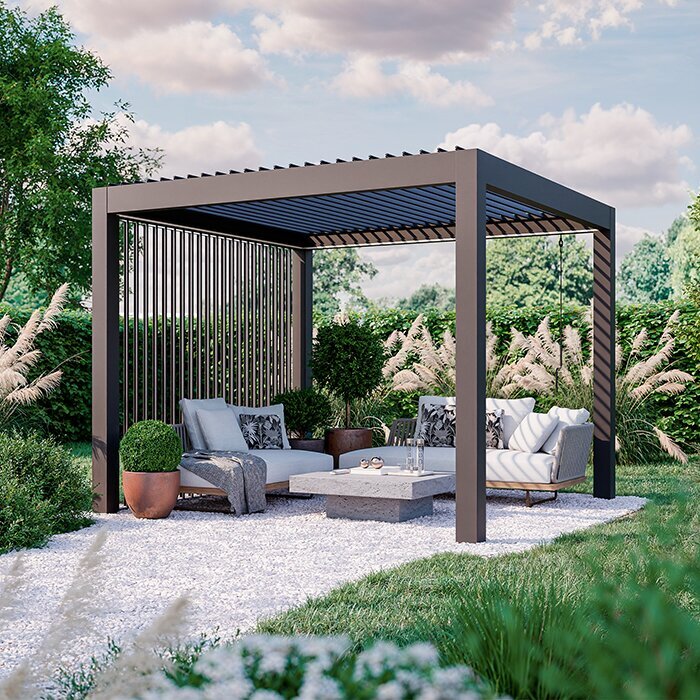
Comparison
Which poolside pergola approach suits your garden?
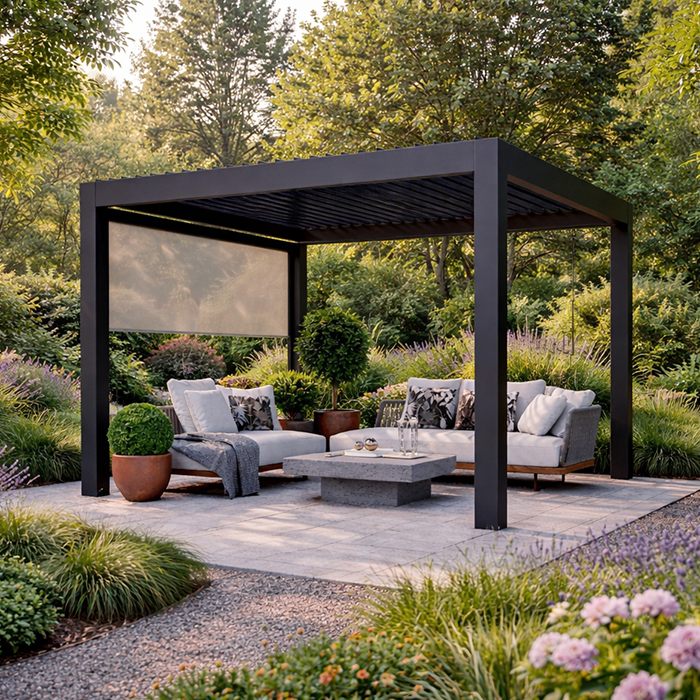
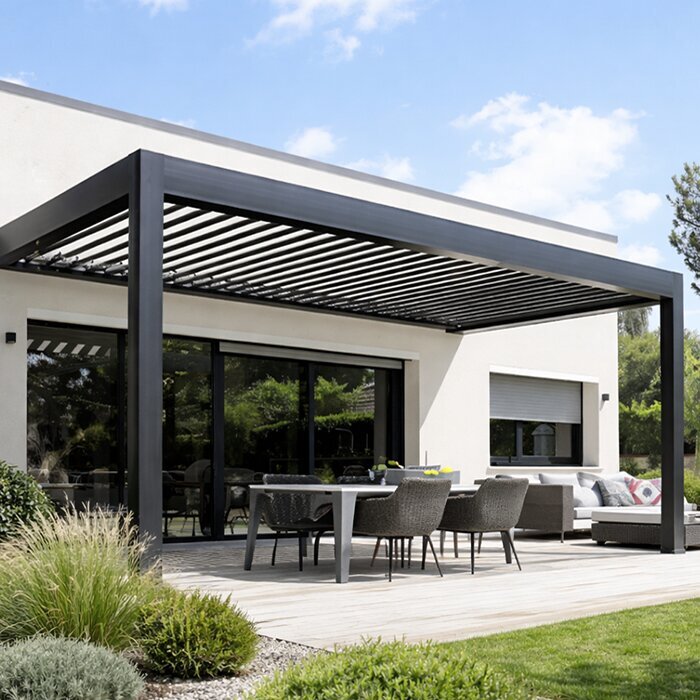
The right choice depends less on a single feature than on how you want the poolside to feel and function. Use this matrix to distinguish adaptable cover from a more open architectural frame, then assess the proposed position on your own site.
| Consideration | Bioclimatic pergola | Regular pergola |
|---|---|---|
| Shade preference | Suitable where you want to adjust overhead light through the day. | Creates a more open framework for fixed or filtered shade approaches. |
| Poolside mood | A structured, contemporary outdoor-room feel with adaptable overhead presence. | A lighter garden feature that can frame planting and seating. |
| Privacy strategy | Can support a carefully composed enclosed-side arrangement where appropriate. | Works well with screens and planting used as softer layers. |
| Best starting point | Useful when variable sun exposure is central to the brief. | Useful when garden zoning and visual simplicity lead the brief. |
| Layout caution | Allow for clear views, circulation and a balanced relationship with water. | Ensure the frame does not become too slight for the intended seating area. |
A five-step poolside planning route
Move from observation to specification in a measured order. This reduces last-minute compromises and helps you compare product options against the actual conditions of your pool, terrace and garden.
01
Map movement
Sketch routes between house, pool, changing space, seating and equipment storage. Protect the paths used by wet feet and maintenance tasks before allocating a relaxation zone.
02
Track sun and views
Note bright periods, reflected glare, breezes and overlooking from neighbouring windows. Decide which outlooks should remain open and which need subtle filtering.
03
Set the social purpose
Choose the main use: reading, family lounging, dining, entertaining or a combination. Size furniture and circulation around that purpose rather than around an empty footprint.
04
Test the footprint
Mark post positions and outer edges temporarily. Review the arrangement from indoors, from the water and from the far garden before making a final decision.
05
Confirm the practical brief
Check site suitability, drainage, permissions and relevant professional work. Then request current configuration details and a quotation tailored to the proposed position.
Poolside pergola checklist
Use this list before settling on a product or final location. It focuses on the decisions that most affect comfort, appearance and straightforward everyday use beside a domestic pool.
01. The pergola creates a usable destination, rather than occupying circulation space around the pool.
02. Sun, reflected glare and desired shade have been observed at the times the garden is most used.
03. Loungers, tables and chairs fit with room to move safely around wet poolside surfaces.
04. Views from the house remain composed, with posts and rooflines placed deliberately.
05. Privacy is targeted towards actual overlooking points rather than created with unnecessary solid barriers.
06. Planting, paving, colours and furniture support one coherent garden design around the water.
07. Drainage, supporting ground conditions, equipment access and cleaning routes have been considered early.
08. Local restrictions, insurance questions and specialist work are checked with the appropriate source.
Poolside pergola questions
Where should a poolside pergola be positioned?
Place it where people naturally want to pause, eat or recline, while preserving clear movement around the water. Assess sun, wind, views from the house and overlooked boundaries before deciding. A position near the pool can feel connected; a slightly offset one may offer a calmer retreat without obstructing maintenance routes.
Can a pergola provide privacy around a swimming pool?
Yes, when privacy is approached selectively. A screen, planted edge or carefully placed side can help filter a particular neighbouring view, while open sides retain light and outlook. Start by identifying the exact angles that feel exposed, then avoid enclosing the entire pool area unless the site genuinely requires it.
Should the pergola cover the pool itself?
Not necessarily. Many domestic schemes work better when the pool remains open and the pergola shelters seating, dining or a changing-adjacent pause point. This preserves the water’s visual brightness and gives users a choice of sun and shade. The right answer depends on your pool use, terrace size and garden composition.
What furniture works well under a poolside pergola?
Choose furniture for your principal activity: deep seating for lingering, a compact dining set for meals, or adjustable loungers for rest between swims. Include small surfaces for drinks and towels, then leave generous space around every item. Materials should suit outdoor use and occasional splashes without making the area feel overly formal.
Do I need planning permission for a poolside pergola?
Planning considerations vary with the property, location, dimensions, siting and any special constraints. Do not rely on general assumptions or a neighbour’s project. Review current guidance from your local planning authority and check relevant restrictions affecting your home before committing to a design, particularly near boundaries or heritage-sensitive settings.
How can I make a pergola look integrated with the pool?
Repeat selected materials, colours or planting forms already present in the house and pool surround. Match the scale to the terrace and use the structure to frame, not dominate, the water. A restrained furniture palette and planting around outer edges can help the pergola settle naturally into the wider garden design.
Explore poolside pergola options
Make the poolside a place to stay
The most successful poolside pergola is not an isolated feature; it is a carefully positioned part of the garden’s everyday life. By balancing shade, privacy, access and outlook, it can make the area beside the water feel more settled, sociable and useful across the seasons.
Start with the way your household actually uses the pool, then test locations before choosing a configuration. Bloomcabin can be part of that process when you are ready to explore an aluminium pergola that complements your terrace, planting and preferred pace of outdoor living.
Compare adaptable and regular pergola styles with your poolside layout, shade priorities and privacy requirements in mind.
