
Black Friday Guide to Buying Lean-To Greenhouses: Check Your Wall and Space
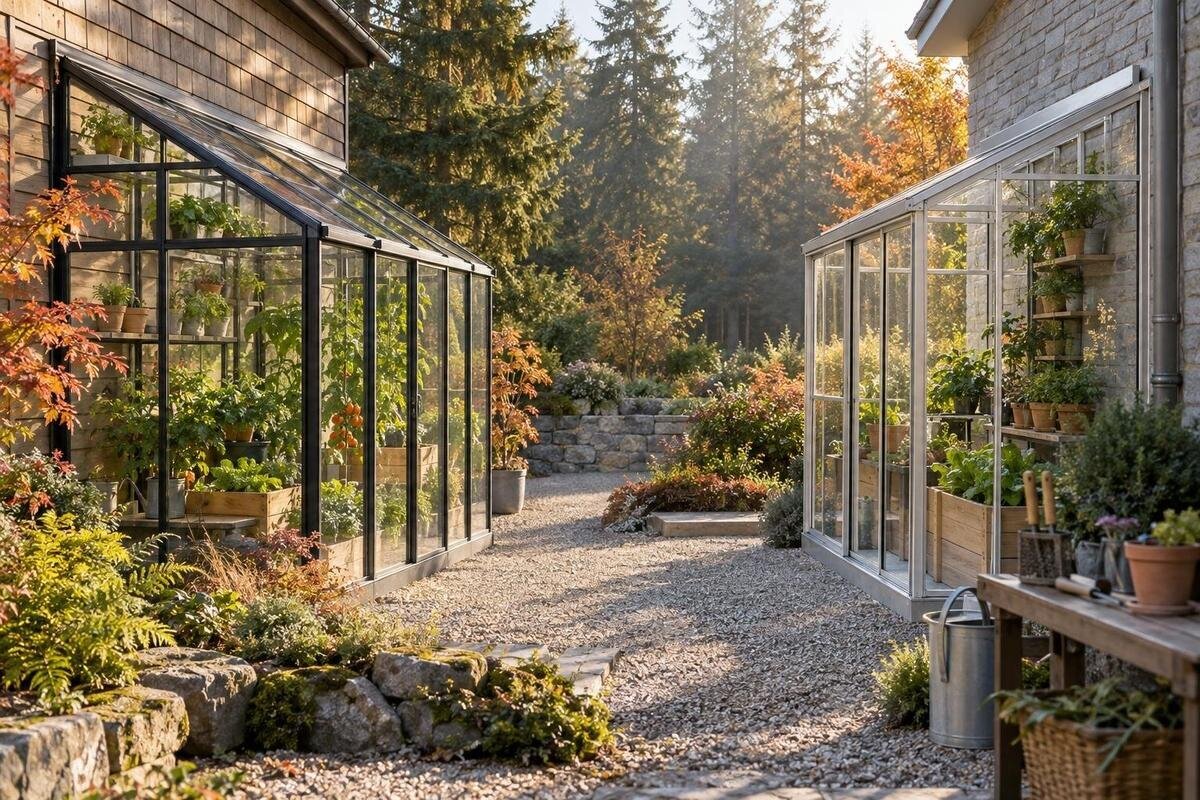
Black Friday greenhouse guide
Black Friday can make a greenhouse shortlist feel urgent, but a lean-to purchase depends first on the wall and the open space in front of it. Measure the proposed site, then compare those figures with each listing’s footprint, height, openings and installation requirements. A product photo or category name cannot confirm a fit, and an event label does not establish what is included or whether a displayed price is worthwhile. This guide focuses on checking the wall, leaving room to work around the structure and reviewing listing details before you place an order.
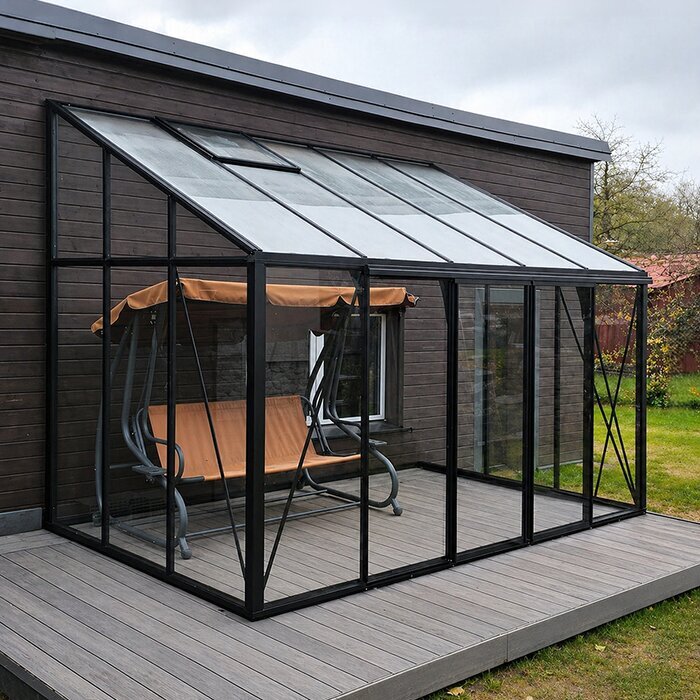
Check the wall before choosing a model
A lean-to greenhouse is intended to use the space beside a wall, but the category name alone does not tell you how the frame relates to that wall. One model may specify a wall connection, a gap or another arrangement, so read its installation information instead of assuming any building surface will do. Assess the wall’s condition, uninterrupted length and available height. Look for eaves, windows, doors, vents, downspouts, exterior lights and other fittings that could conflict with the frame or block access. Record obstacles above and at ground level, including the area needed to reach existing fixtures. A wall can look clear from a distance while an overhang or lower edge limits the installation area.
At the wall, check whether cladding, trim, a sill or a change in surface creates a lip or recess where the greenhouse is meant to sit. A tape measure can capture the overall length while missing a local obstruction. Do not assume an existing wall can carry, accept or accommodate whatever connection a model requires. If the instructions do not explain the interface, or the wall’s condition raises a question, ask a qualified installer or building professional to assess it before ordering. For the aluminum lean-to greenhouse, use any model-specific dimensions and installation notes provided on the listing. If those details are absent, seek them rather than treating the category name as confirmation of fit.
Measure the wall run and the outward projection
Measure the greenhouse’s exterior length along the wall and its outward projection as two separate limits. Mark those boundaries on the ground with string or removable markers, then compare the outline with the model’s plan rather than a lifestyle photograph. If a listing gives two nominal dimensions, confirm which edges they describe and whether the stated outline includes a base or any projecting parts. Record measurements in the units used by the listing; convert carefully if your notes use a different unit. For an irregular site, measure each boundary and sketch the corners instead of treating the available area as a perfect rectangle. You are checking the full outside footprint, not just the growing space you hope to use.
Compare your sketch with the greenhouse’s full outline and note any part of the available space that tapers, bends or narrows near a corner. Include fixed edges, planters or walkways you intend to keep; a footprint that fits only by blocking normal access is not a practical fit. If the limited-edition aluminum greenhouse is also on your shortlist, treat it as a separate listing and look for its own dimensions. Its name does not establish how much ground it occupies or whether it suits your wall-side location. Keep the measurements beside each model, not on a shared note that could be assigned to the wrong product page.
Allow room for openings and everyday access
Treat doors and vents as moving parts, not just marks on a closed plan. Allow for a door to open as shown, for vents or panels to operate, and for someone to reach handles and accessible surfaces. The exact space depends on each model’s arrangement, so use its drawing and instructions instead of applying one clearance figure to every greenhouse. Mark the open-door area on the ground and plan a route to the entrance. Check gates, fences, retaining edges, outdoor taps and stored items too: a footprint can fit while its entrance remains blocked or awkward. Where the instructions call for access to an exterior surface, include room to reach it.
Think about how you will carry trays, pots, watering cans or tools in and out without stepping through a planted area. If the route turns a corner, measure its narrowest point and any gate opening. A clear route matters on delivery day as well as during use. If you compare the T-model orangery greenhouse with a lean-to, assess each model’s entry and clearance from its own information. A differently named greenhouse is not a stand-in for the wall-side option’s dimensions, and a product image may not show how much room a door needs when open.
Assess daylight and shade at the wall-side site
Check daylight at the exact wall-side spot, not just in the garden generally. The house, roof overhang, fence, trees and neighbouring structures can cast shade over different parts of the footprint; the pattern changes with the time of day and season. Visit the proposed site at several times and note which areas receive sun or shade, especially where you expect to place plants. A sunny patch on one afternoon is not enough evidence for the whole growing period. This is a site observation, not a universal orientation rule: the best position depends on your available space and growing plan.
Compare those observations with the light needs of the plants you expect to grow and any placement guidance in the model information. A nearby wall may block some daylight, and an overhang can shade the upper area differently from the ground. Do not assume that a house wall automatically creates better growing conditions. If shade changes your shortlist, the Bloomcabin Oasis Pyramid greenhouse is a separate product listing to assess on its own terms. Check its stated dimensions and placement requirements rather than assuming that another greenhouse shape will fit or suit the same spot.
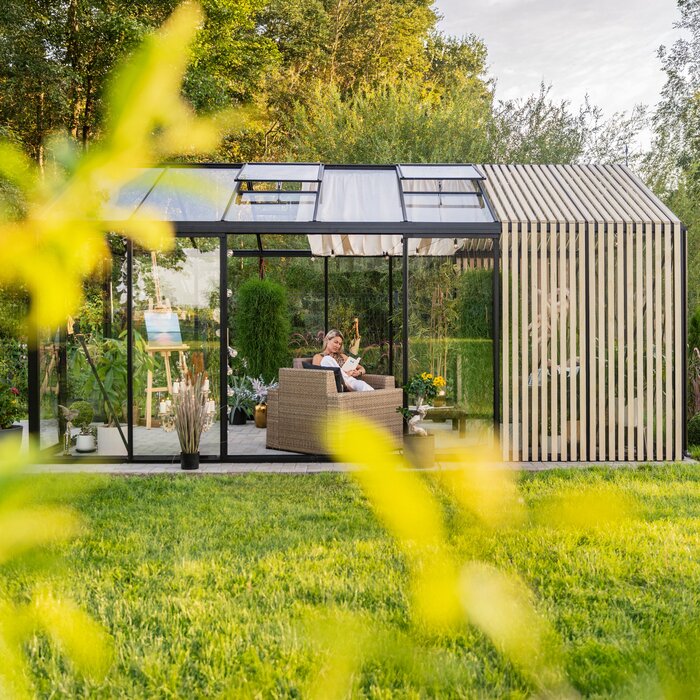
Plan the usable growing area inside
Sketch your planned arrangement inside the greenhouse footprint: benches, shelving, pots, trays, taller plants and the route you need to tend them. Mark which items would move and which would stay in place, then check that each row or container remains reachable without blocking a door or vent. The floor outline does not tell you the usable interior width, headroom or clear space along the wall-side edge. Look for inside dimensions in the model drawing if they are provided; otherwise, avoid estimating from a product photo, which can distort scale and hide the frame. Keep the plan practical enough to include the space needed to move and work.
Think through the jobs the greenhouse needs to support rather than filling every corner on paper. You may want room to turn with a tray, set down supplies or reach plants near the back; a layout that only works when everything is in place can be frustrating. A broader comparison may include the Bloomcabin Prestige greenhouse with a metal base, but its product name does not give you usable interior measurements or wall clearances. Compare each model’s own dimensions and layout before deciding how much growing area it provides, and check whether any fixed features shown on a plan affect your intended arrangement.
Read each model’s wall and installation requirements
Treat the product page, dimensional drawing and installation instructions as separate pieces of information. Record the exact model name, exterior length and projection, overall height, wall-side requirements, door location, vent position and any stated base or ground-preparation requirements. Note what the listing says is included and which components are optional. A photograph can help you understand the general appearance, but it cannot settle these questions or provide a reliable scale. If drawings use different units from your site measurements, convert and check each figure carefully. Do not fill in missing dimensions or installation details from a similar model.
Keep a comparison record so every fact stays attached to the correct listing. If Bloomcabin Orangerie appears in the same catalogue search, check its own product information rather than carrying over a lean-to’s dimensions or installation assumptions. Mark each key item as stated, not stated or needing confirmation. If a wall interface, overall dimension or base requirement is missing, request clarification for the exact model before treating it as a viable fit. This keeps catalogue names and photographs from being mistaken for specifications and makes it easier to compare the information you actually have.
Compare Black Friday prices without assuming a deal
During Black Friday, compare the exact model and the price terms actually shown, rather than assuming every greenhouse listing has a discount. If a listing displays a reduced or comparison price, note the conditions and dates stated there. Check the total shown at checkout for your location, including any delivery costs or taxes displayed. Then compare what is included: a lower price is not directly comparable if the listings describe different contents or optional components. Keep the model name beside the price so that figures for different greenhouse types do not end up in the same row.
A seasonal label does not tell you whether the offer suits your budget or your site. Weigh the total cost against the fit information, any required site preparation and the items you would still need to obtain, based on the listing and instructions. If the Classic Plus 385 greenhouse appears in a broader price comparison, record its own displayed terms and product details; do not infer its dimensions or price conditions from its model name. A model that is less expensive on the page is not a useful comparison if its layout or requirements remain unknown.
Confirm site preparation and delivery access
Before ordering, read the model’s instructions for any stated base or ground-preparation requirements and compare them with your planned location. Do not assume that an existing patio, lawn or other surface meets those requirements. If the information is unclear, or you have a concern about the wall connection or site support, consult a qualified professional before committing. Also consider how the package will reach the site: check the route from the delivery point, including gates, steps, tight turns and places where access narrows. Look for package dimensions or handling information if it is provided rather than guessing from the greenhouse’s assembled footprint.
A listing called the T-model greenhouse orangery is a prompt to inspect that model’s own base and installation information, not evidence that a particular wall or site is compatible. Confirm what the listing says about the base, the wall-side arrangement and any preparation before you compare it with another greenhouse. If details are not available, request them for the exact model. If the site is not ready when the order is placed, consider where the package can be kept safely and dry, using any storage guidance supplied with the product.
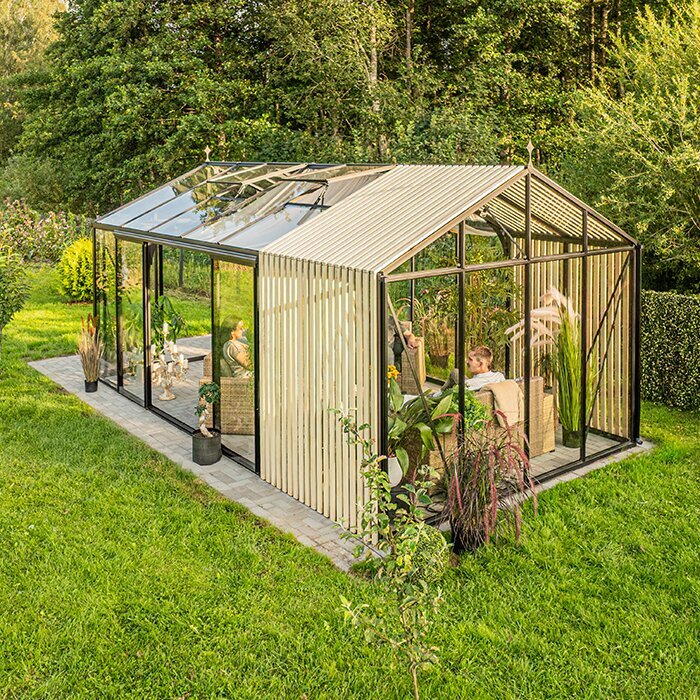
Read the order terms and included components
Check the written list of supplied parts and optional accessories before comparing packages. A product image does not establish that every visible item is included, so rely on the listing’s contents and any documents linked to it. Note whether the information identifies the frame, glazing, base or other components, and whether assembly or additional supplies are addressed. If the package contents are unclear, ask for clarification tied to the exact model. This is especially useful when two listings look similar in a photograph: their descriptions may not provide the same components, and the image alone cannot settle what you will receive.
Review the current order terms, including any stated delivery information, return or change conditions, and warranty terms if provided. Check how the store says to report a shortage or damage and whether there is a stated time or process to follow. Do not assume Black Friday changes those terms, or that two greenhouse listings have identical policies. Save the product details and order confirmation with your measurements and comparison notes. That gives you a clear record of the model, its stated contents and the conditions you considered, without relying on a banner or an earlier browsing session.
Set a clear fit test before placing the order
Separate hard requirements from preferences before deciding. A hard requirement might be enough uninterrupted wall length, a footprint that stays within the usable ground area, room for the door and access route, and installation information that suits the site. Preferences might include a particular internal layout or appearance. Use the model’s stated dimensions and requirements to test the hard limits first; a preferred feature cannot compensate for a footprint that blocks a path or a wall connection that has not been confirmed. Write down any missing information rather than treating an estimate as a pass.
If one essential fit detail is unresolved, pause the comparison until you have a model-specific answer. If the site does not meet the stated requirements, reconsider the location or compare a different greenhouse layout rather than assuming the structure can be adapted. Keep your wall sketch, measurements and product information together so the decision reflects the actual space, not a rushed impression of a listing. A considered choice brings the wall, footprint, clearances and order terms into one picture before you commit.
Frequently asked questions
Can a lean-to greenhouse go against any exterior wall?
Not automatically. Check the model’s installation information for its wall-side requirements, then assess the wall’s condition, height and uninterrupted space. If the instructions leave the connection unclear or you are unsure about the wall, ask a qualified professional to assess it before ordering.
What measurements matter most for a lean-to greenhouse?
Measure the available length along the wall and the usable depth projecting out from it. Compare both with the model’s full exterior dimensions, and note height limits, obstructions and any uneven or narrowing parts of the site. Use the product drawing where available, not a photo.
How much clearance should I leave in front of the greenhouse?
There is no single allowance that suits every model. Use the product drawing and instructions to account for door movement, vents and access. Mark the door’s open position and check that you can reach the entrance and move along the route you plan to use.
Does a Black Friday label mean the greenhouse is discounted?
No. Check the exact model’s current listing and any stated price conditions, then review the total shown at checkout and what is included. An event label by itself does not confirm a discount, a particular price or the terms of an offer.
What should I do if a listing does not show exact dimensions or wall requirements?
Do not estimate from the product name or photograph. Ask for the information for the exact model and wait to compare it until the key measurements and installation requirements are clear. If the wall connection or the wall’s condition is uncertain, have a qualified professional assess it.
A sound Black Friday choice is the greenhouse whose documented wall requirements, measured footprint and working clearances match the site you have. Keep the measurements beside each model’s own product information, and assess any displayed price only after confirming the contents and terms. If a key detail remains uncertain, pause rather than guessing. A lean-to selected for the wall and space actually available is a more considered purchase than one chosen from a photograph or an event label alone.
