
A Guide to Buying a Greenhouse on Black Friday for Next Spring
Greenhouse buying guide
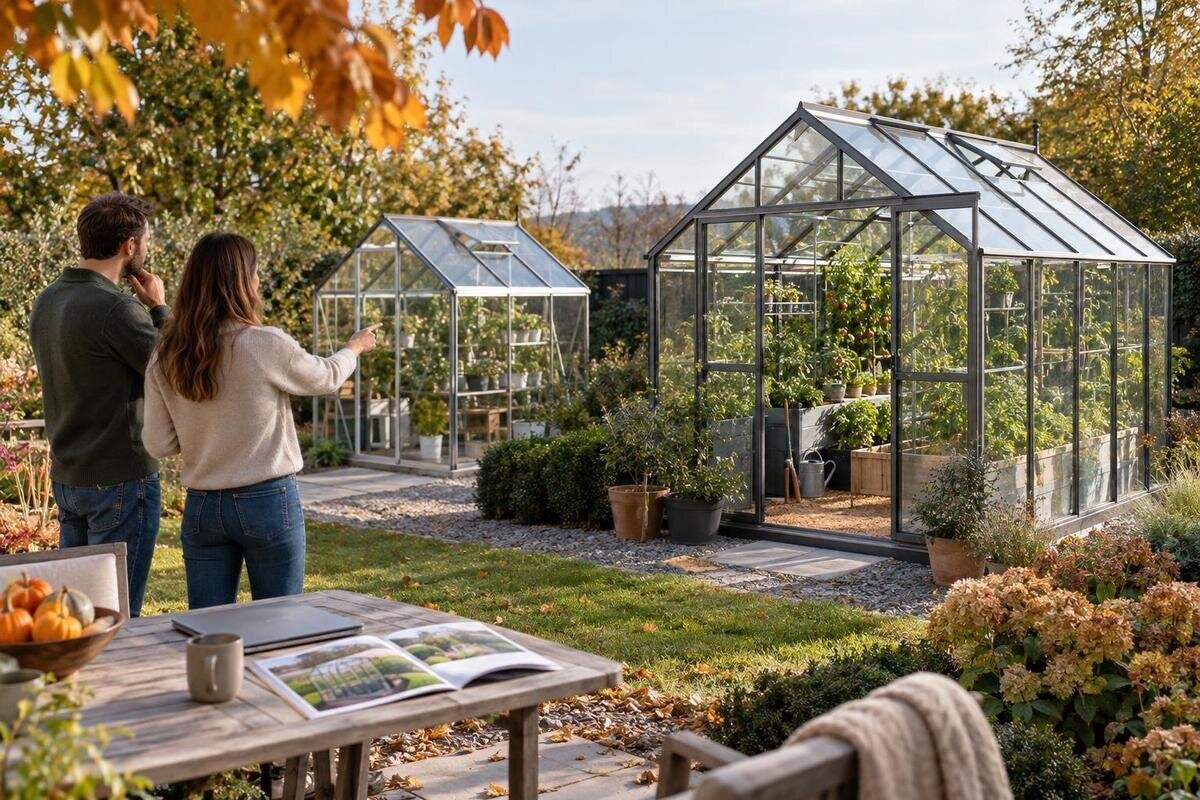
Buying a greenhouse on Black Friday can give you time to plan for next spring, but the calendar alone does not make a model a good fit. First decide what you want to grow and where the structure could go; then check the product details, installation needs, order terms and delivery plan. Allow for site preparation, assembly and storage if the greenhouse arrives before you can use it. The aim is to make a purchase that is ready for your growing plans—not to assume a seasonal promotion guarantees the right product or delivery date.
Define the greenhouse's role in your garden
Write down the jobs you expect the greenhouse to handle: starting seedlings, growing vegetables, sheltering potted plants, or extending the period in which you can use the garden. Those goals affect the bench, floor and access space you need. Seed trays are easier to manage on reachable surfaces; bulky containers need open floor area; potting and transplanting call for a work surface and room to carry supplies. Note whether you want early starts, longer shelter for crops, or mainly protection for containers. For crop-specific requirements, use reliable growing guidance alongside the product instructions: an enclosure alone does not guarantee the conditions a plant needs.
Estimate what must fit at the busiest point of the season, not only what you expect to bring in on day one. List trays, pots, tools and supplies together, then leave a clear route to reach each group without moving everything around. Separate essential jobs from occasional ones that could happen elsewhere. Consider how your interests may change over the next few seasons: a plan built around a few starter trays may not allow for mature plants or a broader crop mix later. If several people will use the space, note whether they need to pass or work at the same time. This brief gives each candidate a fair test and keeps appearance from becoming the only reason to buy.
Measure the site and its surroundings
Measure the proposed footprint and the space needed to reach, assemble and maintain the greenhouse. Mark its outline on the ground, then note nearby fences, trees, house eaves, downspouts, windows, doors, paths and utilities. Check light and shade at different times of day, including how leaf cover changes as the season progresses. After rain, observe where water runs or collects, and note whether the intended surface is even. Also check overhead clearance and how nearby doors or windows will be used. Record exposure and other site conditions so you can compare them with the manufacturer's guidance; if the requirements are unclear, seek qualified, site-specific advice.
Include the route from the delivery point to the installation spot, as well as room to work around the greenhouse afterward. A wall-adjacent format may suit some garden layouts, but the wall, openings, drainage, door clearance and maintenance access must work together. If that format is on your list, compare the stated dimensions and installation information for an aluminum lean-to greenhouse listing; its name cannot confirm that a particular wall or yard is suitable. Consider whether routine exterior maintenance will need extra access. Ask a qualified installer about site-specific attachment or clearance questions rather than guessing.
Compare formats against the garden layout
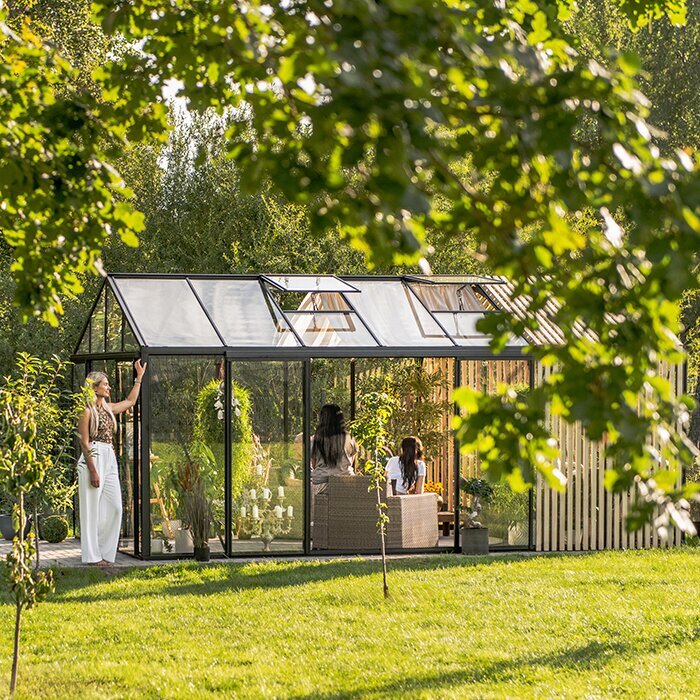
Greenhouse formats should be compared by their relationship to paths, buildings and the way you will move plants, not by silhouette alone. A wall-adjacent layout uses a different part of the garden from a structure that stands apart; a distinctive plan form may divide the interior differently from a simple rectangle. For each candidate, look for a dimensioned plan and note the entrance position, overall height and any published usable-area information. Outer dimensions do not tell you how much room remains once the structure and access route are accounted for. Compare door orientation too: an entrance facing a narrow path can change how comfortably supplies are brought in. Sketch the proposed location beside existing garden features before settling on a style.
Keep the comparison consistent when you browse. For instance, add the limited-edition aluminum greenhouse to your shortlist only after reviewing the details shown for that exact listing: dimensions, frame and glazing description, included components, installation information and order terms. The words “limited edition” do not establish current availability, features or a reason to rush. If a key measurement or document is missing, mark it as unknown instead of estimating from the photograph or name. The right format is the one whose verified layout fits the space and tasks you recorded, not the one that sounds most distinctive.
Match the growing environment to your plans
Once the layout is plausible, assess whether the greenhouse's stated features suit the plants and the amount of daily management you want. Read the listed glazing and frame materials, how ventilation is provided, whether vents or opening accessories are included, and what maintenance the manufacturer recommends. Consider whether openings can be reached and operated easily from where they sit. Compare the product guidance with the crops and seasons you have in mind; a greenhouse is not a promise of a fixed temperature or automatic growing conditions. For plants with specific light or temperature needs, use appropriate horticultural guidance as well.
The T-shaped orangery greenhouse can be assessed using the same questions: look for a plan that shows usable space and routes, then read its own ventilation, glazing and included-accessory information. The name describes the product, not how much room each section provides or how it will perform in your yard. Build a short list of must-haves—such as an opening arrangement you can reach—and nice-to-haves you can give up. If the listing does not answer a technical question that affects your growing plan, ask for clarification before ordering rather than assuming the feature is standard.

Plan the interior around everyday access
Inside, plan the route from the entrance to the plants you tend most often. Mark space for benches, shelves, larger pots and a work surface, but keep a path wide enough for the items you will carry. Check the published interior dimensions and door opening; a quoted outside footprint does not tell you whether a trolley, watering can or long-handled tool can move through comfortably. Note whether the tallest plants will have enough room where you plan to place them. Think about where supplies will be stored and whether staging blocks plants or ventilation openings. If you expect to change the layout during the season, leave some flexibility rather than filling every part of the floor on paper.
Use a scaled sketch based on product measurements, then compare it with the room you need at peak use. The Bloomcabin Oasis Pyramid greenhouse is one listing you can assess this way; its product name and image are not substitutes for stated interior dimensions, door details or a plan. Mark each bench and group of containers, then trace the path you would take to water, inspect and move them. If the sketch leaves no clear working route, adjust the layout or compare another format before buying. This helps distinguish useful growing capacity from a footprint that only appears sufficient.
Confirm the base and assembly requirements
Before placing an order, find the model's installation instructions and identify its requirements for the prepared surface, base, anchoring, drainage and clearances. Check which parts are included in the selected package and which, if any, must be sourced separately. A product name or image cannot show whether a base replaces another support, what surface is appropriate or how the structure must be secured. The Prestige greenhouse with metal base is identified by that name, but the listing and instructions still need to establish what the base includes and what preparation is required. For site-specific foundation or anchoring questions, consult a qualified installer or building professional; do not guess.
Read the assembly information before ordering, not only after a delivery arrives. Note the stated tools, sequence, access and any help or conditions the manufacturer says are needed; do not assume the job will take a particular amount of time based on another model. Decide who will assemble it, whether you can follow the instructions, and whether professional help should be arranged. If you will be arranging an installer, confirm responsibilities and timing in writing. Make sure the prepared area and safe storage for components will be available when the shipment comes. A clear plan reduces the chance of the greenhouse sitting boxed while the spring schedule advances.
Fit delivery and storage into the spring timeline
Work backwards from when you hope to start using the greenhouse. Allow time for order processing and delivery according to the details shown for your destination, then for receiving and checking the shipment, preparing the location, assembly and arranging any separate accessories. Black Friday is a purchase date, not a delivery guarantee; do not build a spring calendar around an assumed dispatch or arrival. Check current availability and estimated timing in the actual order flow, read delivery terms, and ask the seller to clarify anything that affects your schedule. Consider who will receive the shipment and where it can be unloaded. If a firm delivery window is not stated, leave more flexibility or wait until the timing is clearer.
If the greenhouse may arrive before the site is ready, decide where packages can be kept safely and follow any handling or storage directions supplied with them. Make sure the storage spot is accessible and will not block household or garden routes. Review the seller's process for reporting missing or damaged items, along with applicable return terms, before you commit; keep order confirmations and delivery records. If you consider the Bloomcabin Orangerie listing, use its page and the order flow to verify details for the exact configuration and destination. Do not treat a product name as evidence of delivery timing or package contents.
Compare Black Friday listings by confirmed details
During Black Friday browsing, compare exact models rather than the headlines on their product cards. For each candidate, note the dimensions, materials, glazing, ventilation, base details, what is included, assembly documentation, delivery timing and order terms that the listing actually states. Record unresolved points separately. A model number or photograph cannot confirm a dimension or package contents, and “limited edition” language does not prove stock scarcity or suitability. The Classic Plus 385 listing is a specific page to assess from its published details; the number in the name is not a measurement unless the product information explicitly says so.
Make sure you are comparing the same configuration and included items. If an accessory or base appears in a photo, verify whether it is part of the package or an optional extra; do the same for any assembly service. Read the current order, cancellation, return and warranty terms, and note any conditions that matter to a purchase made months before use. A seasonal label is not evidence of an active discount, a saving or an expiry date, so assess only the current written offer and checkout information. If key facts are unclear, pause rather than using urgency as a substitute for information.

Schedule site preparation before planting
Set a preparation sequence once you have a likely delivery window: clear the chosen area, complete any work required by the instructions, have the base or prepared surface ready, and schedule assembly with room for practical delays. Do not put a planting date on the calendar until you have checked the product's installation guidance and the delivery estimate. If the structure must be assembled by a professional, confirm that person's availability before deciding when you will use it. Planning backwards keeps the greenhouse from arriving just as the garden is at its busiest and leaves time to resolve questions before you rely on the space.
Before filling it with plants, allow time to check the delivered parts against the instructions, complete the build as directed and organize benches, trays, water access and supplies. Make sure the arrangement leaves the intended ventilation and access clear; follow the manufacturer's directions for operating and caring for the structure. For a product such as the T-model greenhouse with orangery wall base, consult its own setup information rather than inferring the assembly sequence or included pieces from the title. Use seed packets or reliable local growing guidance to schedule crop-specific sowing; spring readiness depends on both the structure and the plants you plan to raise.
Confirm the essentials before checkout
Before checkout, put the decision into two columns: confirmed and still unknown. The confirmed side should cover the greenhouse's purpose, measured location, exact product dimensions, key growing features, base and assembly requirements, delivery terms, storage plan and time available before spring. Direct each open question to the right source: ask the seller about product or order details, and a qualified installer about site-specific support or attachment. Save the details for the exact configuration you are considering. A clear answer is more useful than interpreting a product photo or copying advice for a different model.
Place the order when the essential items line up and you can receive, prepare, assemble and set up the greenhouse on a realistic schedule. Optional features can remain preferences; missing information about fit, included components or installation should not. If the available product details answer your main questions but leave a non-essential preference open, decide whether it truly matters to your growing goals. If an essential is unresolved, wait for a written answer—or choose a better-documented alternative—rather than letting Black Friday timing decide for you. That keeps the spring plan tied to the garden and order details, not a sale label or assumed delivery.
Frequently asked questions
Is Black Friday a good time to buy a greenhouse for spring?
It can be a useful time to compare options, provided you can confirm the exact model, order terms, delivery timing and storage plan. A seasonal event does not establish whether a greenhouse suits your yard or when it will arrive. Base your decision on the product details and the time you have to prepare and assemble it.
How can I tell whether a greenhouse will fit my yard?
Measure the proposed footprint and allow for access to the entrance, room to work around the structure and nearby features such as trees, walls and doors. Compare your measurements with a product plan and its installation requirements. If the site or attachment needs a professional assessment, get one before ordering.
What should I compare between greenhouse styles?
Consider how each format fits the garden layout and your growing routine. Compare the stated dimensions, entrance position, usable interior space, ventilation details, materials and installation requirements. Use product plans and written specifications; a model name or photograph alone cannot confirm fit or included features.
Can I order before the greenhouse site is ready?
Possibly, if the delivery timing is clear and you have a suitable place to store the shipment. Check the order terms, storage directions and any relevant reporting or return conditions. Also make sure the site can be prepared and assembly arranged in time for your intended spring use.
How much lead time should I allow before spring?
There is no single lead time that applies to every product or delivery location. Work from the timing stated for your order, then allow for receiving and checking the shipment, preparing the site, assembly and arranging any separate accessories. Leave flexibility if the delivery window or installation schedule is uncertain.
Planning a greenhouse for next spring is less about predicting a Black Friday bargain than making sure the chosen structure can be received, installed and used as intended. With a clear growing brief, measured site and written order details, you can compare options calmly. If an essential point remains uncertain, wait for an answer before placing the order; a well-timed purchase leaves room to prepare properly.
