
Buying a Thermowood Sauna on Black Friday: Is the Upgrade Worth It?
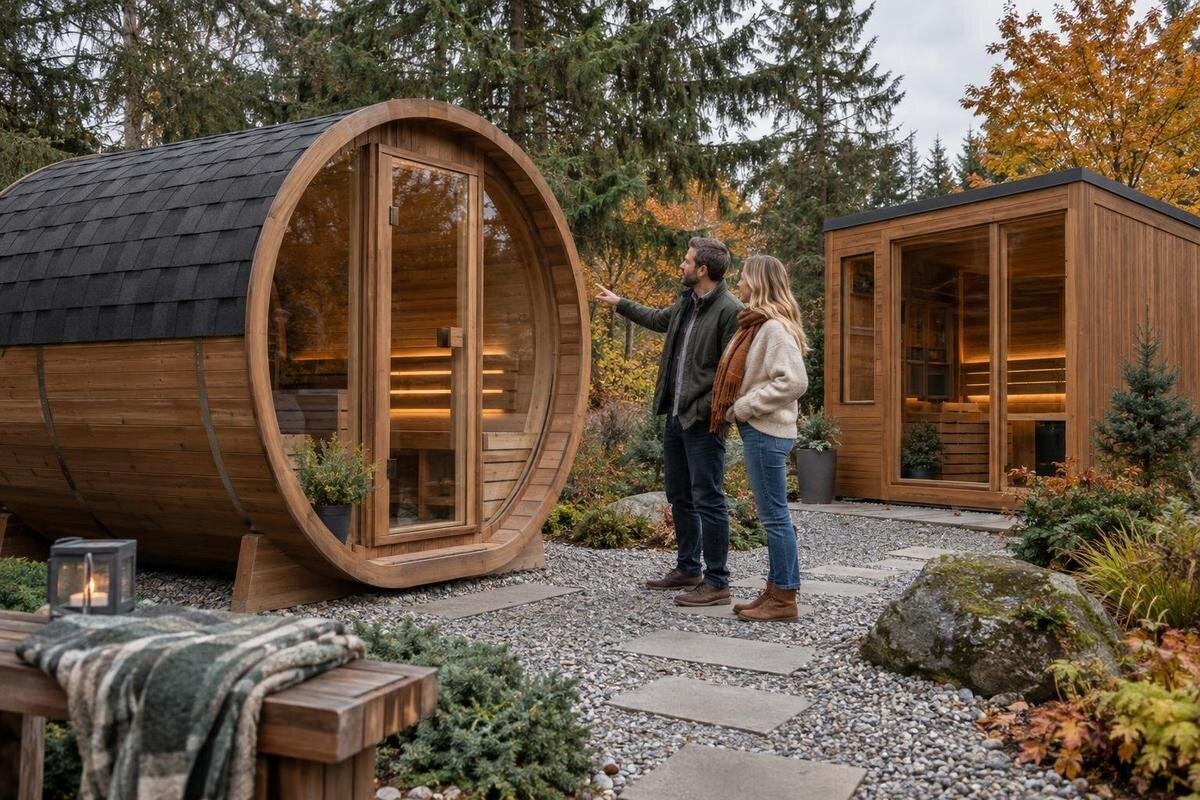
Black Friday sauna buying guide
Black Friday can make a sauna upgrade look like an easy yes, especially when a product page highlights a material name beside a seasonal price. But the label alone does not show what changed, what the quoted package includes or whether the difference matters to your household. To assess a Thermowood sauna purchase, compare the documented material details with a similar configuration, then weigh the actual price difference against your priorities and care expectations. This guide offers a way to judge possible offers without assuming that any particular model is discounted or that a premium-sounding term guarantees a specific result.
What the Thermowood specification should confirm
Treat Thermowood as the beginning of a specification check, not a complete explanation of what you are buying. The label on a sauna page does not, by itself, tell you the wood species, the treatment applied, which components use that material, what finish is supplied or what care the maker recommends. It also cannot establish how a particular sauna will perform or how long it will last. Ask the seller or manufacturer to identify those details for the model in writing and to point to the source behind any claimed advantage. If the listing is silent, mark the answer as unknown rather than borrowing claims from other products or assuming a premium-sounding name guarantees a result.
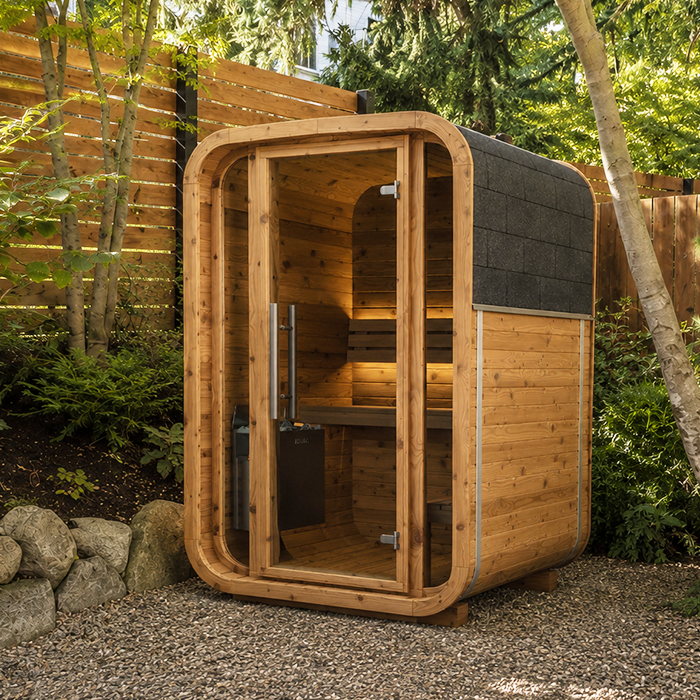
Separate confirmed facts from the result you hope to get. Note the stated material, the components it covers, and any supplied finish or care information, then compare those points with a sauna of similar configuration. If the S 140 sauna listing is on your shortlist, treat its product page as a place to check model-specific details, not as evidence for specifications it does not state. The useful question is whether a documented difference addresses a priority you have and whether the price gap is tied to that change rather than to a different model or package. Keep unanswered questions visible as you build your shortlist.
Choose the sauna configuration before the material
Before weighing a wood option, decide what the sauna needs to do. Note who is likely to use it at the same time, the seating layout and room to move you expect, how often you plan to use it, and whether the intended location is indoors or outdoors. Think about ordinary use rather than an occasional ideal gathering, and set a maximum footprint and overall budget, leaving room for items needed to complete the purchase. These basics are not reasons to choose one wood over another; they are filters that stop a material upgrade from distracting you from a poor fit. A sauna that does not suit your space or normal use is not made a better purchase by a more appealing material label.
Compare the layout and included configuration first, then consider the wood. Different models can vary in shape, capacity, fittings or package contents, so a price gap between two listings may not represent the cost of Thermowood alone. When considering the HC150 product page, check only details stated there against your shortlisted alternative; do not read the model name as a size or performance specification. If dimensions matter, rely on a product drawing or specification that supplies them rather than an abbreviated name. If non-material differences are substantial, find a closer match or treat the decision as a choice between complete products.
Confirm which parts use the material
Ask for a component-by-component description rather than assuming the material applies to the whole sauna. The specification should identify the wood species, how the maker defines the Thermowood treatment, and whether it covers the walls, exterior cladding, benches, floor, trim or other parts. Those examples are questions to ask, not features to assume. If only some components use the named material, decide whether that scope matches the reason you are paying extra. Ask whether replacements or additional parts follow the same material specification, if that matters to you. A clear answer helps you compare listings fairly, since similar product names need not describe identical material schedules.
Check whether the description comes from the seller or manufacturer and whether there is a model-specific document you can keep. A photograph can show a surface or colour, but it cannot confirm wood species, treatment or where the material is used. If appearance is part of the appeal, request a sample or a current close-up of the actual finish; a sample may not represent every component, so ask what it covers. If performance claims motivate you, request documentation that applies to the exact model. the HC 225 listing can be one entry on your shortlist, but do not fill gaps in its written specification with assumptions drawn from another product.
Decide what value means to you
An upgrade is valuable only in relation to a benefit you want and can verify. Write down the reason you are considering Thermowood: perhaps the stated material appeals to you, perhaps product-specific documentation describes a property you consider important, or perhaps you expect a particular care routine. Keep each expectation separate from what the listing actually confirms, and rank your must-haves above nice-to-haves. If the only reason is that the term sounds more premium, you have not yet identified a practical difference worth paying for. Decide what evidence would change your mind before reading offers. This distinction keeps the purchase focused on your preferences rather than broad marketing language.
If appearance matters most, decide what colour, grain or finish you want and ask how closely the online photos represent the delivered product; screen images and lighting can vary, and a page may not show every component. If a claimed technical or maintenance advantage matters, ask what evidence and instructions support it for this model. the N 210 model page can be checked against those questions in the same way as any other listing. A strong case for the upgrade links a clearly described feature to a priority you named before comparing prices. If the seller cannot explain that link, treat the benefit as unconfirmed rather than as guaranteed value.
Compare the same sauna and the same offer scope
Black Friday is a shopping period, not proof that a particular sauna is discounted. For any offer you see, record the exact model, material option, package contents and displayed price, then check whether those details match the alternative. A percentage or crossed-out reference price does not tell you the current cost of the same configuration elsewhere or how much of the difference comes from the material. Compare figures for the same date where possible, and note any stated end date or conditions without assuming that they apply to every option. If the details are not comparable, treat the price check as incomplete rather than calling one choice better value.
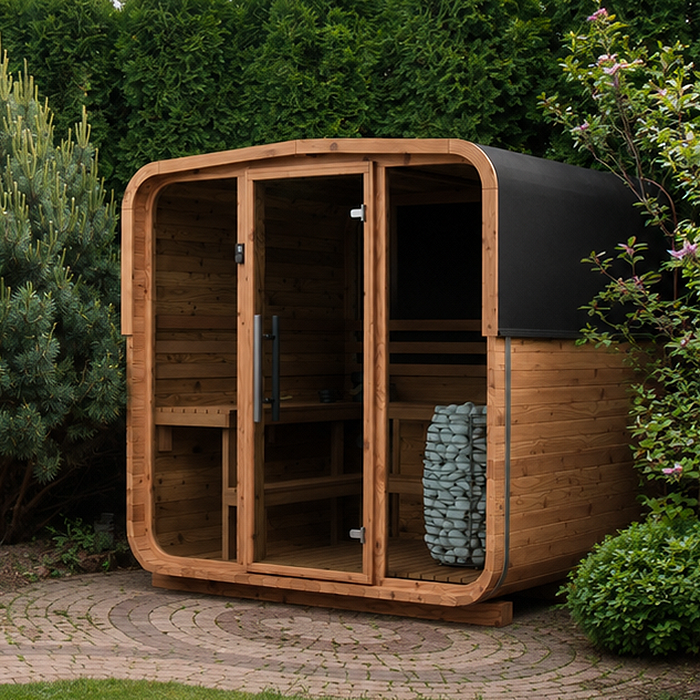
Compare the final amount you would actually pay, including any taxes or unavoidable charges shown at checkout or in a written quote, and account for required add-ons you would otherwise need to buy. Keep optional extras separate so they do not disguise the material premium. If the sauna configurations are otherwise identical, the difference between comparable totals is a clearer measure of the extra cost; if the bundles differ, ask for itemized pricing or compare closer matches. the N 250 listing is a product-page reference, not a price claim: confirm its current terms directly before using it in a Black Friday comparison.
Check exactly what the package includes
Price comparisons are only useful when the purchase scope is clear. Ask for an itemized list of what the quoted sauna includes and what is optional, such as the cabin components, seating, heating equipment, controls, accessories, assembly or finishing products. The precise list depends on the product and offer, so do not assume that two listings with similar names include the same items. A difference in included equipment or finish may explain a price gap that looks like a material premium. This is not a reason to turn the decision into a heater comparison; it is a way to make sure a package difference is not mistaken for the Thermowood cost.
Ask whether the material description applies only to selected parts while the rest of the package follows a different specification. Keep the answer beside the price and note any option you would need to add for your intended configuration. the LC 260 product page can be compared on the same basis: record what the page actually lists, then ask about any item or material detail it leaves unclear. If the upgrade is selected as an add-on, verify that the order summary names the option you chose and states its scope. A written itemization helps you compare complete offers without treating a lower headline price as an equal deal.
Include care and warranty terms in the value calculation
Do not assume that a treatment label means less maintenance, no maintenance or a particular cleaning routine. Ask for the manufacturer’s care instructions for the wood and finish in the model you are considering. Find out what products or methods are approved, what upkeep is expected and whether the finish needs attention over time; follow the instructions supplied for that product rather than general advice for unrelated wood. Ask whether the guidance differs for indoor and outdoor placement, if relevant. Consider the time and materials involved alongside the purchase price. If care guidance is unavailable, that uncertainty is part of the buying decision, not a benefit you can safely count in advance.
Read the warranty terms separately from material marketing. Confirm which parts are covered, what conditions or exclusions apply, how long coverage lasts, and how to make a claim; do not assume a statement about Thermowood is automatically covered. Ask whether a specified finish, care routine or installation condition affects coverage, and keep the answer with your order documents. For the HCF 300 listing, check the current written warranty and care details for that exact product rather than inferring them from its name. Coverage and care can change ownership value, but only terms that apply to the model belong in your comparison.
Confirm the intended site suits the model
Before paying for an upgrade, confirm that the sauna model itself suits the place where you plan to use it. Ask whether its instructions allow the intended indoor or outdoor setting and what site preparation, shelter, surface or clearance requirements apply. Do not use a product name or an illustrative photo as proof of weather suitability. A material label alone cannot establish that the full structure is intended for every exposure. If the answer depends on local ground, building or utility conditions, ask a qualified installer or relevant professional to review the site and the manufacturer’s instructions. Get those recommendations in writing so you can discuss them with the installer before choosing.
Keep site-related costs separate from the Thermowood price difference. Preparation, assembly, professional advice and access may affect the total project budget, even though they do not show that the wood upgrade itself is worth more. A written quote or site assessment can identify what belongs to the sauna package and what needs separate planning. Resolve serious suitability questions before choosing between material options: there is little value in paying for a specification on a model that cannot be set up appropriately at your property. If local approvals or other requirements may apply, confirm them with a qualified local professional rather than relying on a general product page. This check is about overall fit, not a substitute for professional installation advice.
Compare your shortlist with a simple scorecard
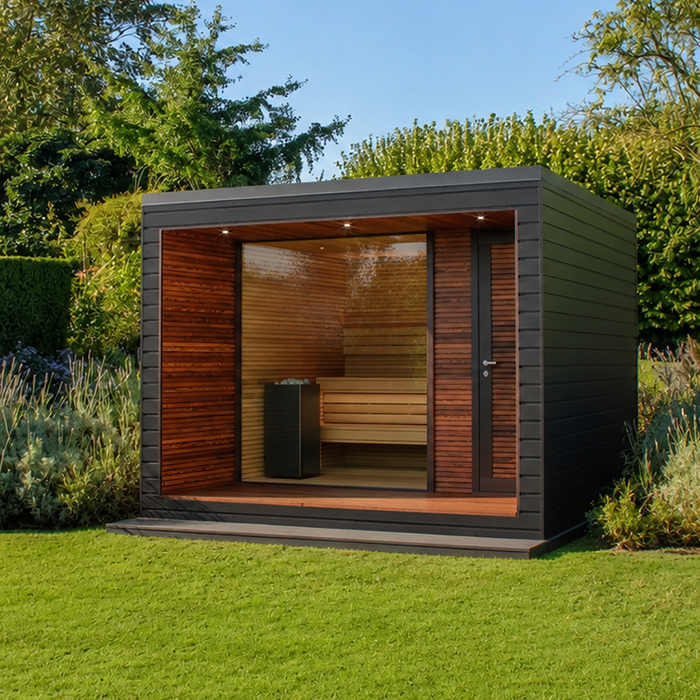
Put candidates side by side and record four things for each: confirmed material details, the non-material configuration, the final comparable price and unanswered questions. Add a note on how each confirmed difference relates to your own priorities. Identify whether each answer comes from a written product document, a seller response or only a photograph, and note the date of any price quote. Do not award a point for an assumed benefit, an appealing product name or a discount percentage. This turns a broad question—whether Thermowood is worth it—into a smaller one: what does this exact option add, what will it cost, and which change matters to you? the LCF 300 product page can be checked using the same notes as your other shortlisted options.
Set your budget limit before promotional language starts to influence the comparison. If the extra cost fits and the documentation supports a benefit you value, the upgrade may be a reasonable choice for you. If it would force a compromise on layout, required package items or site preparation, the base option or another model may be a better purchase. Where important details remain unanswered, leave them marked as unknown and request clarification; do not treat uncertainty as evidence in favour of the more expensive choice. A short written comparison is more dependable than memory when several offers look similar, and it makes the decision easier to revisit if the advertised terms change.
When the Thermowood upgrade is worth paying for
The upgrade has a stronger case when three things line up: the seller identifies the wood and the components it covers; the documented difference matches a priority you actually have; and the full, comparable cost fits the amount you are willing to spend. That is a personal value test, not a universal rule about one material. Another buyer may care more about layout, package contents or a lower total, and either preference can be sensible. Decide which criteria matter most before treating the seasonal price as a reason to change them. If you expect a particular benefit, check that the answer is specific enough to confirm it rather than relying on an adjective.
Pass on the premium—or pause the order—if you cannot get the material details you need, if the claimed advantage is not supported for the model, or if the chosen sauna does not suit your plans. You can still choose a listing for its other merits, but do not pay extra on the basis of benefits you have only assumed. If the written details, offer conditions and total price are clear, compare them calmly with your shortlist and decide whether the difference earns room in your budget. A missing answer is a reason to ask or wait, not to guess how the product will behave. The point is an informed choice, not a purchase made simply because it is Black Friday.
Frequently asked questions
Does Thermowood automatically make a sauna more durable?
The label alone does not establish the durability of a specific model. Ask for the wood species, treatment details, components covered, manufacturer documentation, care instructions and warranty terms. Compare claims that apply to the exact product; do not assume results from another sauna carry over.
How should I compare a Black Friday offer with another sauna?
Match the configuration, included items and material scope first. Then compare the current final price for the same purchase scope, including unavoidable charges and any required options. Check the offer’s stated conditions for the exact choice and note when the quote was given. If the bundles differ, the price gap is not a clean measure of the material upgrade.
What should I ask about the Thermowood specification?
Ask which wood species is used, what the seller means by Thermowood for that model, which components use it, and what finish and care instructions apply. Request written details or manufacturer documentation, especially if a claimed performance difference is part of why you would spend more.
Can product photos confirm the wood or finish?
No. Images may help you judge visible appearance, but they do not establish the species, treatment or which components use the material. Ask for a model-specific specification and, if colour or surface matters, a sample or current close-up of the actual finish.
Should I order during Black Friday if details are missing?
Do not treat the calendar as a reason to pay for an unverified upgrade. Ask the seller for written material information, the exact package contents and the offer conditions. If an important answer remains unclear, compare another documented option or pause rather than assigning value to an assumption.
Thermowood is not automatically a better buy simply because it appears beside a seasonal offer. The upgrade earns a place in your budget when its model-specific material scope is clear, its documented difference matches a priority you have, and the total price compares fairly with a similar sauna. Let the exact specification and your intended use—not the calendar or the label—settle the decision. If those details are not available yet, choosing the core configuration first and leaving the material question open is more prudent than paying for an expectation the seller has not confirmed.
