
Buying a Glass Greenhouse: Understanding Glazing Options
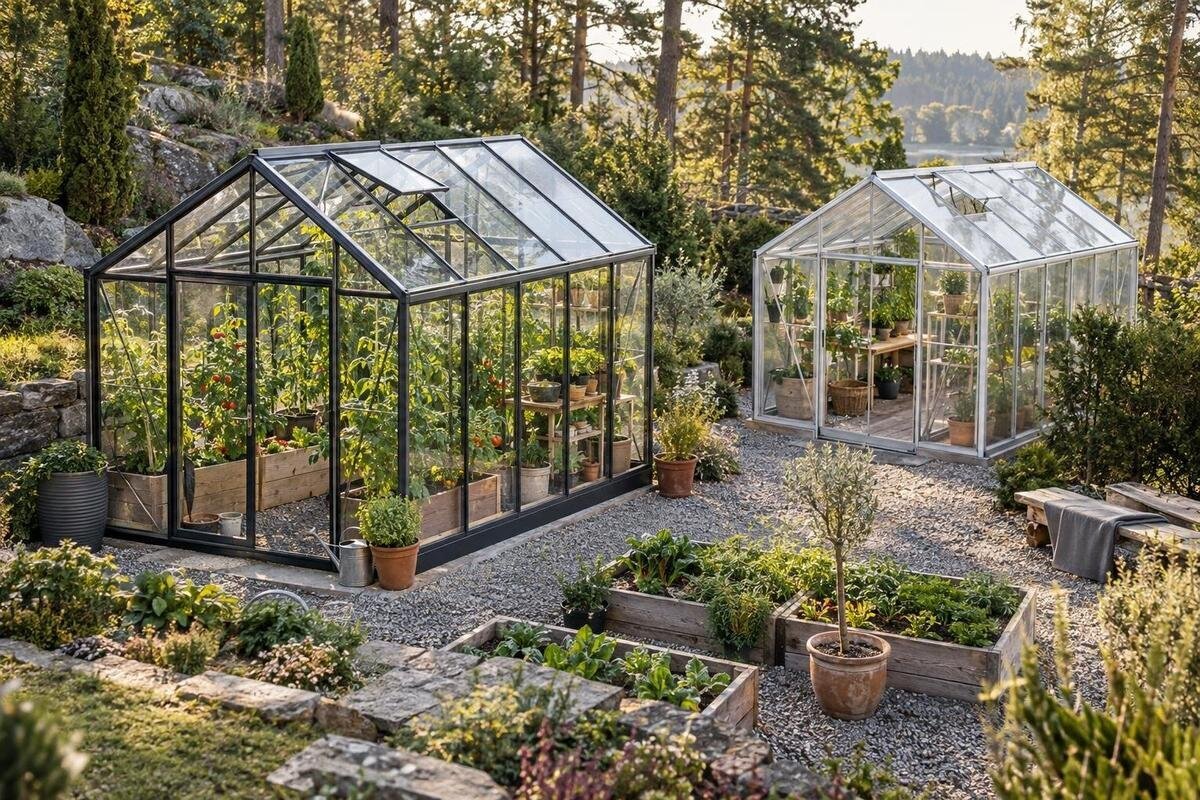
Greenhouse buying guide
Shopping for a glass greenhouse can make glazing seem like a simple yes-or-no choice. In practice, “glass” names the panel material, not its breakage behaviour, number of layers, light treatment, size or fit with the frame. Those details affect handling, replacement and how the structure may suit your growing season. Compare the glazing specification with the frame and ventilation information, then match it to the plants and upkeep you have in mind. If a product page leaves a point unstated, treat it as a question to resolve before ordering, rather than a feature to assume.
01
What a glass greenhouse specification should state
Greenhouse glazing is the material that closes the growing space; the frame supports and retains it. A listing that says “glass” may still leave important details open: the glass type, any safety treatment, number of layers, thickness, pane size, surface finish and fixing method. These are separate specifications, not interchangeable labels. A clear single pane raises different questions from a treated pane or an insulated unit. “Glass greenhouse” identifies a broad category, but does not tell you how the panels may break, how they transmit light or what replacement part you might need. It is also worth separating a product description from the information needed to make a purchase decision. A photograph can show the overall appearance, but it cannot reliably establish the glass construction, panel thickness or the system used to secure a pane in place.
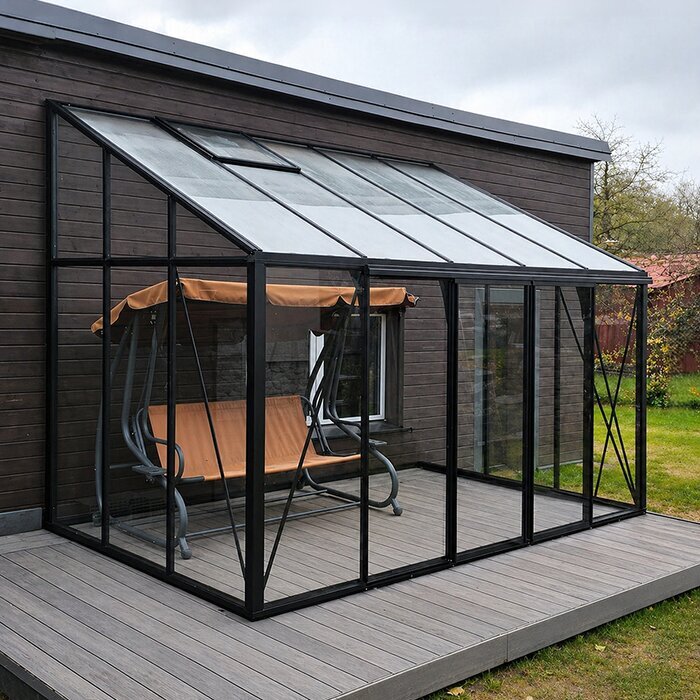
Make a comparison note for each candidate: what glazing is supplied, whether the description covers the roof and sides, and whether any alternative panel is an upgrade. To see what a product title cannot establish, use the aluminum lean-to greenhouse listing as a page to inspect. Confirm that its written specification names the glazing instead of inferring the panel from the model name. Note whether the description applies to every glazed surface or only selected areas, and distinguish included features from optional ones. If a detail is missing, record it as an open question rather than treating an unstated feature as included. This record also gives you a useful basis for comparing quotations or asking the supplier focused follow-up questions.
Horticultural, tempered and laminated glass
Horticultural glass is generally annealed glass supplied for greenhouse use. If it breaks, it can form sharp shards. Tempered glass has been heat-treated and behaves differently: it is stronger than comparable annealed glass in certain respects and typically breaks into smaller fragments. It can still break, including after a strong impact or damage to an edge. The label “safety glass” on its own may not tell you which construction is being offered, so look for the specific glass type in the product information.
Laminated glass bonds layers with an interlayer, which can help hold fragments together if the glass breaks. That does not mean a laminated pane cannot break, or that every laminated product is suitable for every greenhouse frame. If regular access, nearby paths or the people using the space make breakage behaviour a priority, ask what safety glazing is available and request its identifying documentation. Ask whether the stated glass type applies to the roof, walls and doors alike, since those locations may not necessarily use the same panel. When reviewing a candidate such as the limited-edition aluminum greenhouse listing, check the stated glass type rather than assuming a safety treatment from the model name.
02
Pane size, layout and replacement
Pane layout affects the look of the greenhouse and the practicalities of handling and replacement. Larger panels can mean fewer joins across an area, but an individual pane may be more cumbersome to handle and will have its own replacement dimensions. Smaller panes create more divisions and may mean more individual parts to keep track of. Neither layout is automatically easier to maintain: the answer depends on how the panels are held, how accessible they are and whether matching replacements can be obtained. Look beyond the front elevation when comparing layouts. Roof panes, vents, doors and angled sections may use different pieces from the main walls, so a simple-looking structure can still require several distinct replacement panels.
Ask for the pane schedule or a clear description of panel sizes, especially if the greenhouse has several different shapes or dimensions. Confirm whether replacement glass is identified by a part number, whether the original glass type must be matched, and what details you would need to supply when ordering a pane later. It is also useful to ask whether the same panel is used in several positions or whether left- and right-hand pieces differ. Keep the model and panel information with your purchase records. A page such as the T-model orangery greenhouse listing should be assessed using its own written specifications; do not assume that any replacement panel will fit simply because it looks similar.
Single glazing and insulated glass units
Single glazing uses one pane in an opening. “Double glazing” can be an imprecise phrase, so ask whether it means a factory-made insulated glass unit with two panes and a sealed space between them, or two separate sheets installed in another arrangement. These constructions are not automatically interchangeable. An insulated unit may reduce heat transfer compared with a single pane, but its performance depends on the actual unit and how it is fitted into the greenhouse.
Extra layers can affect the light passing through, and an insulated unit usually adds weight and changes what the frame must support. Compare any published thermal and light figures on the same basis, and check whether a rating covers the glass alone or the complete glazed assembly. Ask whether the stated construction is standard across the roof, sides and doors, because a general description may not explain every opening. A model title cannot answer those questions: if you are assessing the Bloomcabin Oasis pyramid greenhouse listing, look for its stated glazing construction or ask for the missing details before comparing it with another option. Avoid comparing a single-pane claim with a whole-structure rating as though they measured the same thing.
03
Clear, diffusing and tinted panels
Clear glass is a familiar greenhouse choice, but the word “clear” does not describe every aspect of its light transmission. Glass composition, coatings, texture and tint can affect how much light passes through and how it is distributed. Diffusing glazing scatters incoming light rather than concentrating it in the same way as a clear surface; it does not create additional light. Tinted glazing can change the amount or colour of light reaching the growing space, so the effect depends on the product and the plants you plan to grow.
If a listing mentions diffuse, low-iron, coated or tinted glass, look for measurable light-transmission information and ask what the stated figure represents. Compare like with like instead of relying on marketing terms alone. Your crops, the season you plan to grow and the natural light at the site all matter to the choice. Consider when direct sun reaches the intended location and whether surrounding trees, buildings or fencing already reduce available light. When reviewing the Bloomcabin Prestige greenhouse with metal base listing, treat the model name as an identity, not a statement about its glazing; use the product details to establish which panels are specified.
Heat retention, condensation and ventilation
Glass lets sunlight into a greenhouse, but a glass panel is not, by itself, a complete temperature-control system. Heat loss depends on the glazing construction as well as the frame, seals, air leakage and ventilation. A single pane generally offers limited thermal resistance compared with an insulated assembly. If you are comparing thermal figures, ask what part of the greenhouse they cover and what measurement is being used. Do not treat a description such as “glass” or “double glazed” as a promise about growing temperatures.
Condensation is also affected by moisture in the air and the temperature of the glass surface. It may appear when warm, moist air meets a cooler surface; changing the glazing alone does not resolve every moisture or ventilation issue. For a greenhouse you intend to use across more of the year, consider ventilation and heating plans alongside the panel choice. Think through how you will monitor conditions and manage moisture without relying on glazing as the only control. Also consider whether vents, doors and other openings can be used conveniently during the times of day when you expect to be present. A page such as the Bloomcabin Orangerie listing should be evaluated using its stated glazing and ventilation information; neither should be inferred from its model name. This keeps a glazing comparison connected to how the complete growing space will be used.
04
How the panels fit the frame
The glass and the frame are a system. The frame has to suit the panel’s thickness and dimensions, and the clips, gaskets or other retainers need to be specified for that combination. A pane that is too large, too small or not designed for the holding method may not sit correctly. Even if two products are both described as glass greenhouses, their panel dimensions and fittings may differ, so avoid assuming that parts can be transferred between models.
Before ordering, look for installation information that identifies the glazing and its retention method. Ask whether the required clips or seals are included, and how the supplier identifies compatible replacement panes. Check whether any supplied documentation distinguishes panels by location, since roof, wall, door and vent panels can have different shapes. Do not modify the frame or substitute a different panel based on appearance alone; get guidance from the manufacturer or a qualified installer if compatibility is unclear. A listing such as the Classic Plus 385 greenhouse listing is a model to assess, not evidence of a particular glass size or frame-to-pane fit.
Breakage, cleaning and routine upkeep
Consider where people will pass and work around the greenhouse when comparing glass types. A panel can be damaged by impact or by stress at an edge, and broken glass may leave sharp pieces. Think about access near doors, paths and work areas, then ask whether a safety-treated option is available if it matters for your use. The right choice depends on the specified product and its installation, not just the broad category of glazing.
Regular care also depends on being able to reach the glass to clean and inspect it. Before purchase, consider access to both the outside and inside surfaces, and ask what cleaning guidance the supplier provides for any coatings or finishes. Plan for safe access without leaning on panels or using a cleaning method that could damage seals, finishes or retainers. Check how to identify a damaged pane and whether compatible replacements can be ordered. For example, if you are assessing the T-model greenhouse with wall base listing, look for information about its specified panels and replacement parts rather than assuming those details from the product name.
05
Weather ratings and delivery checks
In Canada, conditions differ from one intended site to another, so do not infer weather suitability from the glazing type or thickness alone. The complete structure—including the frame, connections, glazing retention and base—matters when considering wind or snow loads. Look for the manufacturer’s stated ratings and confirm that they address the conditions at your site. If you cannot assess the documentation, ask a qualified local professional or the supplier for guidance rather than attempting to calculate structural capacity from the glass description.
Glass also needs careful handling during shipping and assembly. Before ordering, review how the supplier describes delivery, what to do if a pane arrives damaged or a part is missing, and how replacement pieces are handled. Check the relevant terms in writing; do not assume the process or reporting period. Inspect the delivered items against the order and retain the model, panel and order details in case a question arises later. If assembly support is needed, clarify what is included and whether the installer is familiar with the specified glazing system. These questions help you compare the complete purchase, not just the greenhouse’s headline description.
Match the glazing to your growing plans
Let your growing plans guide the comparison. A greenhouse for seasonal growing may call for different priorities from one intended for a longer season, while light-sensitive plants can make transmission and diffusion more important. Consider how much time you want to spend cleaning and maintaining the panels, how you feel about different breakage behaviours, and whether you plan to use heating. No single glass type answers all of these questions, so rank what matters most before comparing models.
For each greenhouse, record the exact glass type, pane layout, number of layers, light and thermal information, frame compatibility, replacement options and any relevant weather rating. Compare the answers side by side, and include delivery and assembly details in your purchase decision. Add notes about where information is confirmed, optional or still unavailable, so a persuasive product label does not outweigh missing specifications. It can help to list your non-negotiables separately from preferences: for example, a particular breakage behaviour, the ability to identify replacement panes or a certain light characteristic for planned crops. Where a specification is absent, get clarity before placing the order. This makes it easier to choose glazing that fits both your growing priorities and the practicalities of owning the structure.
Frequently asked questions
Is horticultural glass the same as tempered glass?
No. Horticultural glass is generally annealed glass used for greenhouse glazing, while tempered glass has undergone a heat treatment that changes how it behaves if it breaks. The terms describe different glass types, so check the product specification rather than assuming that “greenhouse glass” means tempered or safety glass.
Does thicker glass automatically make a greenhouse safer?
No. Thickness is only one part of the specification. Glass type, pane size, edge condition, how the panel is held and the frame it fits all matter. Ask for the complete glazing details and, if breakage risk is a particular concern, get advice on an appropriate panel type from a qualified professional.
Will double glazing keep a greenhouse warm in winter?
An insulated glass unit can reduce heat transfer compared with a single pane, but it does not guarantee a warm growing space. Results depend on the glazing unit, frame, seals, ventilation and conditions at the site. Check what the supplier means by “double glazing” and review any stated thermal-performance information for the complete assembly.
Is clear glass always best for plant growth?
Not necessarily. Clear, diffusing and tinted glazing can transmit and distribute light differently, and growing plans vary. Ask for published light-transmission information, including what the figure measures, and compare products using the same metric. A label such as “clear” alone does not describe every aspect of light performance.
What should I confirm before ordering replacement panes?
Confirm the exact greenhouse model, pane dimensions, glass type, edge details and the way the panel is retained. Ask whether a matching replacement can be ordered and what information the supplier needs to identify it. Check the delivery and damage-reporting terms as well, since replacement and shipping processes differ by supplier.
A sound glazing choice starts with a precise description of the panels, not the word “glass” alone. Compare their type, construction, light information, fit and replacement details against your growing plans, then consider those panels as part of the complete greenhouse. With those points clear, you can judge the available options on what they actually specify and choose with fewer assumptions.
