
Buying a Greenhouse for Orchids and Tropical Plants
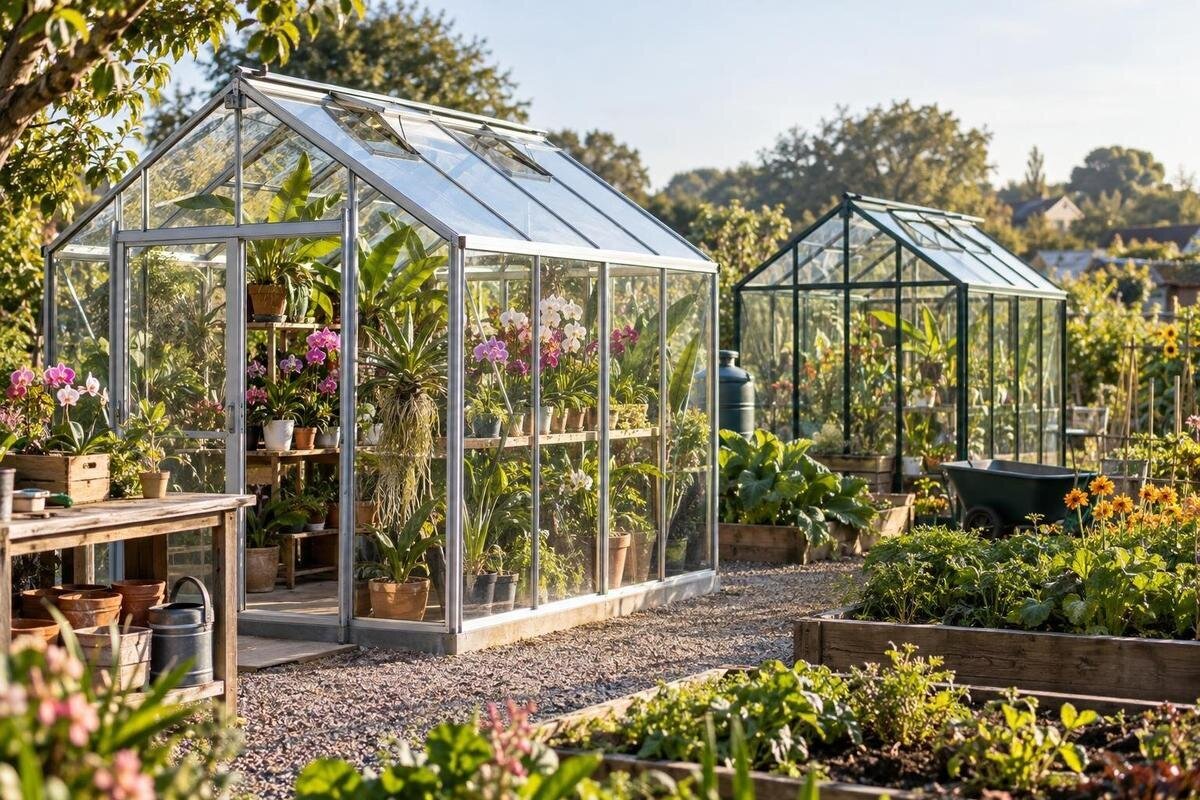
Greenhouse buying guide
Orchids and tropical plants can share a greenhouse, but they do not all need the same light, warmth, humidity or airflow. Before you buy a greenhouse for orchids and tropical plants, use your collection and site to define the environment you can maintain. This guide focuses on the buying decisions that matter most: usable space, glazing and shade, climate control, watering, installation and the details to confirm before ordering. A greenhouse name or product photo cannot answer those questions on its own.

01
Build a plant list around real growing needs
Before comparing structures, make a list of the plants you expect to grow in the greenhouse. Record each species or cultivar where known, its mature height and spread, and the dimensions of its pot or hanging container. Note whether it needs bench, shelf, hanging or floor space, and whether you expect to move it often for care. Include likely additions over the next few years, but separate realistic purchases from a wish list. This gives you a better capacity estimate than counting current pots: a young plant may occupy more room at maturity, and a collection that grows vertically needs clear height as well as floor area. Record which plants need to be kept together for routine care and which need individual attention. That detail helps you decide whether one open layout is workable or whether separate bench and hanging areas would make daily maintenance easier. Include plants that are temporarily outdoors in summer if they will need protected space during cooler months. Their return can change both the required capacity and the range of conditions the greenhouse must accommodate.
Group plants by the conditions they can tolerate rather than assuming that all orchids or all tropical plants are alike. Orchid types vary in temperature and light preferences, while tropical foliage plants also span a range of needs. Use species-specific growing information to identify the conditions that overlap, plus any plants that need a cooler, brighter or more humid position than the rest. Mark those groups on a simple plan. If their needs barely overlap, allow for separate zones with appropriate controls or narrow the collection you intend to keep in one greenhouse instead of expecting one setting to suit everything.
Measure usable space, not just the greenhouse footprint
Measure the area available at the proposed site, then distinguish the greenhouse’s outside dimensions from the space you can actually use inside. Allow for the frame, benches, a route through the structure and the clearance needed to open doors. Sketch the position of shelves and hanging plants: a low shelf can obstruct a tall specimen, while a basket can narrow a walkway. Compare stated interior measurements, if available, rather than treating the footprint as planting area. Also note where water containers, climate-control equipment or a potting surface would sit, since those items take up room too. Mark the door location and the direction it opens on the sketch, then test whether you could carry a mature plant through the entrance without disturbing nearby pots. This simple exercise often reveals whether a proposed arrangement is practical. Include room to turn while carrying a watering can or tray, not merely a narrow path between plants. Comfortable access makes regular inspection less likely to be postponed when the collection becomes dense.
Plan around mature plants and routine work, not a tightly packed display. Leave enough space to reach each group for watering, inspection and moving pots, and consider whether a tray or watering can can pass along the route. If you plan to hang plants, check that the structure has suitable support points and confirm any permitted loads in the product documentation; do not assume that a frame can carry extra weight. A modest allowance for growth can be useful, but an oversized greenhouse may require more equipment and upkeep than your collection needs.
02
Match the greenhouse form and site
Compare possible locations before settling on a greenhouse shape. Observe how sunlight and shade move across the site, including shadows from trees and nearby buildings, and consider access from the house, water source and any services needed for controls. Check the surface and drainage conditions with the installer or supplier rather than assuming that one type of base suits every site. A freestanding structure and a wall-adjacent format make different demands on available space, light and attachment, so choose based on the actual location rather than appearance alone. Consider how seasonal changes affect the site as well: deciduous trees, low winter sun and nearby activity can alter the light and access you observed on a single day.
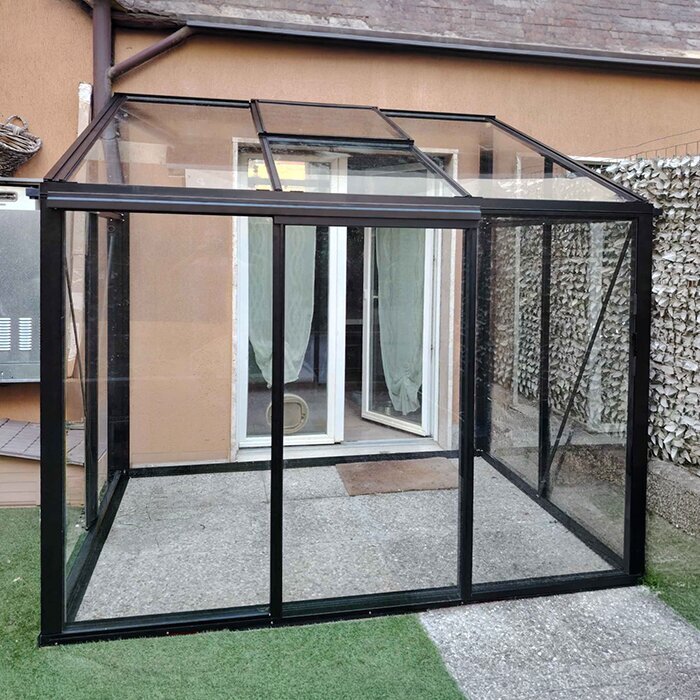
For a wall-adjacent format, use the lean-to greenhouse product page as a listing to assess, then confirm its stated wall, base, clearance and installation requirements. The category name does not establish how the structure must be attached, how much usable space it has or whether the proposed wall and location are suitable. Compare the documented requirements with your measurements and site conditions before treating any listing as an option. If a detail is not stated, ask the supplier or a qualified installer rather than filling the gap with an assumption.
Compare glazing and shading for the collection
Light needs to be considered across the collection, not just at one favourite bench. Some orchids need filtered light, while other plants can tolerate brighter conditions; exact preferences depend on the species. Think about how the site’s sun changes through the day and year, and whether you can create distinct brighter and shadier areas. A greenhouse may have uneven light from one end or height to another, so plan where the most demanding plants could go. Avoid assuming that a single glazing or shade choice will suit every plant in a mixed collection. Keep in mind that hanging plants can shade benches below them. A layout that works when plants are small may need adjustment as foliage broadens or a collection becomes more layered.
When assessing the limited-edition greenhouse listing, look for documented glazing details and ask whether compatible shading is available; its name and photographs do not establish either point. Compare the information with the light conditions your plants need, and ask for clarification if a useful detail is missing. If supplemental grow lights are part of the plan, include suitable equipment and professional advice on installation in your budget. Do not assume that electrical equipment or the requirements for using it are included with the greenhouse.
03
Plan for temperature control and ventilation
Write down the temperature conditions your plants need and compare them with what you can realistically maintain at the site. A greenhouse can still experience temperature swings; its presence alone does not guarantee that plants will stay within a preferred range. Consider both cooler periods and sunny days, and distinguish between passive shelter and active heating or cooling. Consider where monitors would sit, since readings near glazing, doors or high in the structure may differ from conditions around the plants. If plants have substantially different requirements, decide whether separate zones are practical before you order. Ask for relevant performance information from the manufacturer rather than inferring temperature control from a product’s size or appearance. Decide who will check conditions when weather changes quickly or you are away. A control plan is more useful when it includes monitoring, response and the practical time available for daily care.
Ventilation is part of temperature planning, not an optional detail to consider later. Check which openings and controls are specified, whether they are manual or automated, and what equipment can be used with the structure. On warm days, moving air may be important for managing heat as well as humidity, but an opening alone does not establish what conditions the greenhouse can maintain. For the T-shaped orangery greenhouse listing, verify the documented ventilation and control details directly. If heating, fans or other powered equipment are needed, account for professional installation.
Balance humidity with air movement
A greenhouse can make it easier to manage a humid growing environment, but humidity requirements vary among orchids and tropical plants. Identify the needs of your own collection before choosing equipment or planning routines. Humidity can differ between plant zones, so consider using a suitable monitor near the plants rather than relying on one reading from an unrelated part of the structure. Watering, ventilation and the number of plants all affect the environment. Condensation on glazing or a frame does not, by itself, show that every plant is receiving the conditions it needs. Avoid placing plants with different moisture preferences together simply because they are both tropical. Grouping by compatible care routines can make it easier to adjust the environment without creating problems elsewhere.
Plan how air will move through the greenhouse and how you will adjust it when conditions change. Ventilation and circulation equipment may need to work alongside humidity controls, so check what the structure can accommodate and what the manufacturer recommends. When reviewing the Oasis pyramid greenhouse listing, look for documented ventilation and equipment details rather than assuming that its name or shape determines humidity performance. Make sure any fans or controls can be positioned without obstructing plants, benches or the route through the greenhouse.
04
Make watering and plant care practical
Plan watering around the plants and the way you expect to care for them. An orchid collection and tropical foliage plants may include different pots, growing media and watering routines, so one fixed arrangement may not suit everything. Decide whether you will carry water in, use a nearby source or arrange a supply, and consider how containers and hoses would affect the working space. If a water line or powered irrigation system is part of the plan, ask a qualified professional about the site-specific requirements rather than assuming the greenhouse includes those connections. Place plants that need frequent attention where they can be reached without moving others. This reduces handling, helps reveal spills promptly and makes it easier to notice changes in leaves, roots or growing media.
Think about where you will pot plants, set down trays and clean up spills, and whether the floor and benches can be maintained without shifting the whole collection. Confirm what is included in the listing and what you would need to source separately; a photograph does not establish that benches, flooring or drainage are supplied. The Prestige greenhouse listing can be compared on those terms, but verify its current product details rather than reading features into the name. If water management is unclear, get advice before ordering equipment or preparing the site.
Confirm structural and installation requirements
Check the manufacturer’s documented requirements for the frame, glazing, base and anchoring before deciding whether a greenhouse is suitable for your location. If your site is exposed to wind or snow, confirm the relevant stated limits; do not infer them from a photograph, model name or apparent size. Conditions vary by property, so ask a qualified installer or other relevant professional to assess a structure when the documentation does not answer your questions. This is especially important when the site, ground or proposed attachment is unusual. Keep the product documentation with your site measurements and notes from any installer. Having the same information available when comparing options helps prevent a decision based on incomplete or conflicting assumptions.
Find out what surface preparation and assembly the structure requires, whether the base is included and what tools or services are needed. Check that the parts can be brought to the site and that the planned location is accessible for installation. Do not assume the same foundation or fixing method works for every greenhouse. The Orangerie greenhouse listing is one product page to assess against these questions; use its stated requirements, and seek clarification where details are not provided, before arranging site work or committing to an order.

05
Compare the complete purchase and operating cost
Compare the full budget rather than looking only at the greenhouse itself. Depending on your plan, additional costs could include a base, benches, shade, monitoring equipment, heating, fans, grow lights, water equipment, site preparation and professional installation. Ongoing energy use and maintenance also matter, particularly if you expect to control temperature through colder periods. Make a simple list of what is essential for your collection and what can wait. This helps you avoid choosing a low initial price that leaves important parts of the growing environment unaccounted for. Add replacement parts and routine cleaning supplies to your planning list where relevant. These are modest considerations individually, but they affect the effort and cost of maintaining a usable growing space.
Use a comparison sheet to separate items included in an order from optional accessories and work you must arrange yourself. For example, the Classic Plus 385 listing should be assessed from its current product details, not from a model number or photograph. Review the stated dimensions, components, assembly information, delivery terms and any available warranty or return terms. If information is absent or unclear, ask before paying. Record the answer so you can compare products on the same basis rather than relying on different assumptions for each listing.
Use a shortlist to decide what to order
Bring your plant list, site measurements and control plan together in a shortlist. Compare each option against the actual space available, the conditions your collection needs, your budget and the requirements for installation. If considering a wall-adjacent model, the wall-mounted T-model orangery listing is one product page to examine; confirm its documented wall, base and installation requirements instead of inferring them from the title. Remove any option that cannot be assessed against your site or growing plan until you have the information needed to make a fair comparison. Rank the remaining options by the requirements that cannot be compromised, such as access, plant capacity or site suitability. This makes trade-offs visible before an attractive feature or photograph distracts from a practical limitation.
Before moving the collection into a new greenhouse, plan how you will set up and monitor its environment. Arrange any professional work, controls and equipment in advance, then check that the planned growing zones are practical for watering, plant movement and care. Keep a temporary place available for plants while the space is being prepared, and introduce the collection according to the needs of the individual plants. A little time spent matching the greenhouse to the plants and site can prevent a costly structure from becoming difficult to use.
Frequently asked questions
Can orchids and tropical plants share one greenhouse?
Sometimes, if their light, temperature and humidity needs overlap. Both groups are diverse, so compare the needs of your particular plants rather than relying on a broad category label. If some plants require noticeably different conditions, plan separate zones with appropriate controls or choose a collection that can share one environment.
What size greenhouse should I buy for an orchid collection?
There is no single size that suits every collection. Measure mature plant height and spread, pots, hanging space, benches, equipment and the route you need for daily care. Compare those requirements with the stated usable interior dimensions, not just the greenhouse footprint, and allow for realistic future growth.
Will a greenhouse keep tropical plants warm through winter?
Not necessarily. A greenhouse can still experience temperature swings, and its performance depends on its construction, site and any heating or ventilation equipment. Check the conditions your plants need against documented product information and your local climate. If active heating is required, include suitable equipment and professional installation in your plan.
Is high humidity enough for orchids?
No single humidity level suits every orchid, and humidity does not replace air movement or appropriate watering. Group plants according to their care needs, monitor conditions near the plants and plan for ventilation. Condensation on a surface is not a reliable measure of the conditions in every part of the greenhouse.
What should I check before placing an order?
Confirm the actual interior dimensions, glazing details, included components, mounting and base requirements, and any documented wind or snow limits relevant to your site. Review assembly, delivery, return and warranty terms, where provided, and account for controls, accessories, site preparation and professional installation in your total budget.
The right greenhouse is the one whose usable space, site requirements and controllable environment fit the plants you actually grow. A clear plan for light, temperature, humidity and daily care matters more than choosing a structure by its appearance or selecting more space than you can manage. Compare documented product details against that plan, and you can make a more confident choice for an orchid and tropical plant collection.
