
What to Consider When Buying a Sauna for Occasional Weekend Use

Sauna buying guide
Buying a sauna for occasional weekend use asks a different question than buying for daily sessions: what will make it practical on the weekends when you do use it? The price on a listing is only one part of the decision. The number of people who will sauna together, warm-up time, site readiness, delivery and installation, and running costs all shape the value of ownership. A realistic estimate of use and a short list of details to verify can help you compare choices without assuming that the larger or feature-rich option is automatically better.
01
Estimate your real weekend use
Before comparing cabin shapes or optional features, estimate how many weekends in a normal year you are likely to use a sauna. Consider who would use it, whether visits would be planned around family or friends, and how often work, travel or other commitments might interrupt the routine. An optimistic plan can make a large purchase appear more worthwhile than it will be in practice. Write down a low, expected and high number of visits, then use the middle estimate when comparing costs. The range can also show whether paying for extra room or controls would serve a regular need or only an occasional exception.
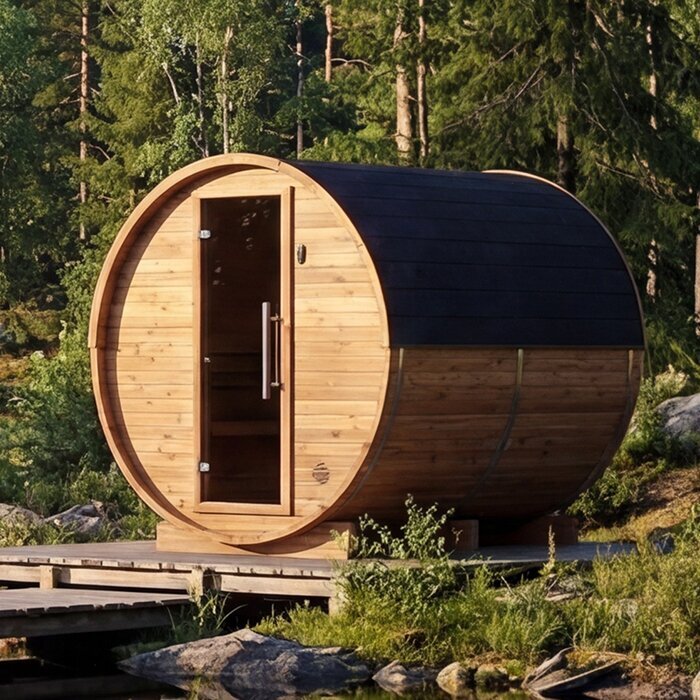
Picture a typical visit, from deciding to go to stepping inside. If the sauna is part of a short evening or a brief stop between activities, waiting for heat may matter more than a feature used once a year; an unhurried weekend leaves more room for preparation. Think about who will switch it on, how far away the controls are and whether people will use it at the same time. The Thermowood barrel sauna S 140 listing is one page you can examine, not evidence of a particular fit. Base your judgement on the published dimensions, seating details and included items, if provided, against the routine you have written down.
Match capacity to the people using it together
Choose capacity for the people who will usually be in the sauna at once, rather than everyone who might visit over a year. Think about whether they will sit upright, stretch out or need room to move comfortably. Ask what any stated capacity represents and what seating arrangement it assumes. A maximum occupancy figure may not describe the amount of personal space you prefer, so look for a seating plan and interior measurements as well as a number. Decide whether hosting guests is frequent enough to justify extra space, or whether a sauna sized for the usual household is the more practical fit.
More interior room can affect the footprint and the heater requirements, so do not treat capacity as a free upgrade. Compare usable bench space, the entrance and the external dimensions together; a cabin that looks compact in a photograph may not offer the layout you want. The HC150 Thermowood barrel sauna page can be used as a model-page reference, but its name does not establish its dimensions or capacity. Find those details in the listing or ask the supplier, then compare them with your expected group rather than trying to decode a number or letter in the model name.
02
Compare warm-up times under comparable conditions
A warm-up claim is useful only when you know how it was measured. Ask what starting conditions were used, which heater was fitted and what the maker counts as ready to use. The answer may depend on the sauna's size, construction, heater and surrounding conditions. A number without that context cannot reliably tell you how long a particular visit will take to prepare. Check whether the figure describes the time for the air to reach a stated point or uses another definition, and compare models only when the information is based on similar conditions.
Consider warm-up time as part of the whole weekend routine: when someone needs to turn the sauna on, whether the timing can be planned, and how much waiting is acceptable. If a listing mentions a timer or another control feature, confirm whether it is included and what the manufacturer's instructions say about its use. Do not assume a product heats faster because it is larger, smaller or has a particular model code. For example, the Thermowood barrel sauna HC 225 listing is a page to check for documented information, not a basis for inferring how quickly it heats.
Choose a location the sauna is intended for
Decide where the sauna would go before you settle on a model. Indoor rooms, gardens, outbuildings and elevated platforms have different practical constraints, and not every product is intended for every setting. Check the manufacturer's siting guidance for the specific model, including any stated clearances, surface or foundation requirements, ventilation needs and protection from weather. Treat these as questions to confirm, not assumptions based on a photograph. If you are considering a deck or rooftop, do not infer that it is suitable because a sauna is pictured outside; ask a qualified building professional to assess the structure and support.
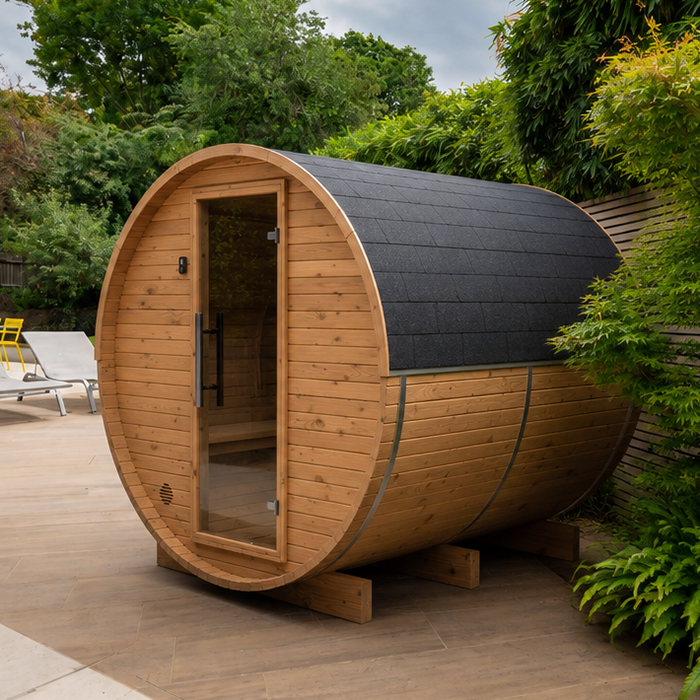
Measure the available space, including the height and the room needed for the entrance to open and for people to reach the sauna. Allow for any spacing the manufacturer specifies and check that access for servicing is practical. If the site is outdoors, ask whether water management or other site preparation is required for that particular unit. Keep a record of the measurements and compare them with the product's stated dimensions and installation guidance. The Thermowood barrel sauna N 210 page is a place to look for model-specific information, but the name and images cannot confirm that your chosen location is appropriate.
03
Check delivery access and assembly arrangements
A sauna can fit its final location and still be difficult to get there. Measure the route from the delivery point to the site, including gates, doorways, turns, stairs and any narrow passage. Ask for the package dimensions and delivery format, not just the assembled dimensions; the seller can confirm whether the unit arrives in sections or in another configuration. Find out where the delivery ends, what access is required and whether unloading or moving the package to the installation area is included. These details can affect both timing and the amount of help you need on delivery day.
Confirm who is responsible for assembly and what that service covers. Ask whether the quote includes unpacking, assembly and removal of packaging, or whether you need to arrange those separately. Also check which parts and tools are supplied and whether any work by a qualified installer is expected. Do not assume that a product page includes a completed installation. The Thermowood barrel sauna N 250 listing may help you identify the model you are reviewing; use the actual order terms and supplier response to establish delivery and assembly arrangements before committing.
Confirm the heater and power requirements
Check whether the heater is included in the price or needs to be chosen and purchased separately. If it is separate, confirm which options are compatible with the sauna and what the final package includes, including any controls. A heater that appears suitable from a photograph or model label is not enough to establish compatibility. Ask the supplier for the model's documented requirements and compare the complete equipment list with your budget. This is especially important for a less frequent routine: a missing component can turn a simple weekend plan into additional purchasing and coordination.
For an electrically heated sauna, give the documented requirements to a qualified electrician and ask whether the home's existing service can support the proposed setup or whether additional work may be needed. Make this part of the purchase decision rather than leaving it until after delivery. If you are considering a different heat source, ask what fuel, equipment and professional installation it requires. Features such as scheduled operation may be convenient, but verify whether they are supported, included and suitable for your intended routine. The LC 260 Thermowood barrel sauna page identifies a model to investigate; it does not, by itself, establish heater or electrical specifications.
04
Work out the cost of each session
Running costs depend on more than the heater's rated input. Warm-up time, how long it operates, the sauna's construction and the conditions around it can all affect energy use. Ask the supplier or manufacturer for typical energy consumption per session, ideally with the operating conditions explained. If the heater uses electricity and the information is provided in kilowatt-hours (kWh), multiply that figure by the applicable per-kWh rate from your utility bill for a basic energy-cost estimate. Check which rate applies to additional use rather than relying on a bill total that also includes fixed charges.
If only the heater's input in kilowatts (kW) is available, multiplying that figure by the hours at full input and your per-kWh rate gives a rough screening estimate, not a prediction of actual session use. The heater may not draw full power throughout, and the warm-up conditions matter. For another fuel type, ask for expected fuel use on a comparable basis and include related recurring expenses. Also ask whether any controls or connected features consume energy while idle. The HCF 300 Thermowood barrel sauna listing does not reveal those costs through its name; look for documented consumption or ask for the figures you need to make a fair comparison.
Budget for the complete purchase, not just the sauna
Build a total budget from the cabin price and the work required to make the site ready. Depending on the model and your circumstances, you may need to account for delivery, site preparation, assembly, electrical work, optional components and accessories. Ask for an itemized quote that separates what is included from what is not, and confirm any applicable taxes or other charges before placing the order. Where local approval or site requirements may apply, check with the relevant authority or a qualified professional rather than assuming they are the same everywhere.
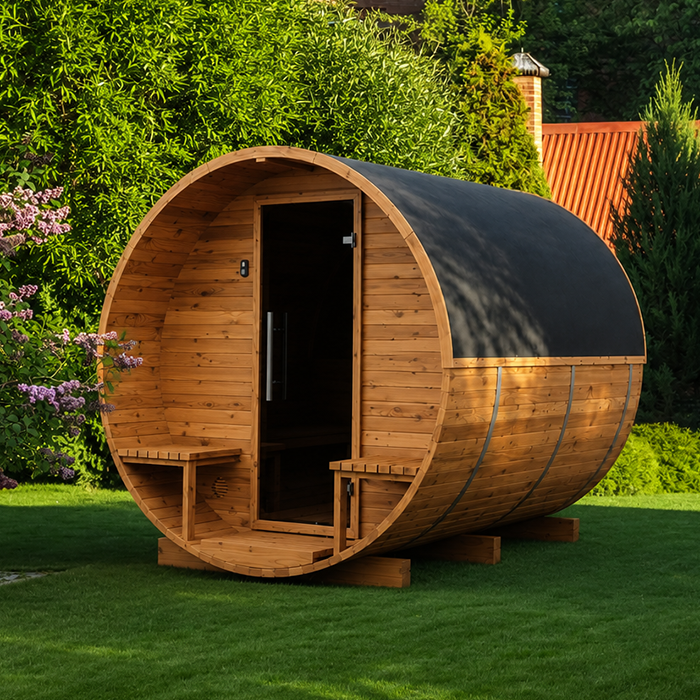
For a useful ownership comparison, add the estimated operating costs and routine upkeep over a period you choose, then divide that total by the number of visits you realistically expect in that period. This gives an approximate cost per use, not a promise about future costs or resale value. A model page is not an installed-price quote: the Thermowood barrel sauna LCF 300 listing can help identify what you are comparing, but the supplier's itemized quote should establish the actual scope and costs. Compare complete totals, not just the first figure shown.
05
Check what maintenance is needed between visits
A sauna used only some weekends may sit idle for long stretches, so ask what the manufacturer recommends during those periods. Find out how to clean and dry the interior, whether any ventilation or protective measures are specified, and what care is required for the heater and controls. If the sauna is intended for an outdoor setting, ask about the maintenance guidance for that use. Do not infer care requirements from a material name or product photograph; use the manual for the exact model and follow its instructions.
Consider the time and help needed for routine upkeep, not only the work involved in using the sauna. Ask whether parts are available, who handles service questions and what the written warranty covers, including any stated conditions or exclusions. These details do not establish how long a sauna will last, but they clarify what support is available if something needs attention. If a task requires professional service, include the expected arrangement in your planning. A lower-maintenance routine may be more valuable to an occasional user than an added feature that is rarely used.
Compare complete specifications before you place an order
Put the details for each option side by side so that you are not comparing a complete specification for one sauna with a model name or photograph for another. Record external and interior dimensions, seating arrangement, what the capacity figure means, the heater and controls included, and any warm-up or energy-use information with its test conditions. Add the intended siting, delivery format, assembly scope and itemized costs. Mark information that is missing rather than filling gaps with guesses. When two sellers describe the same detail differently, ask them to clarify the basis before you compare the figures.
Separate non-negotiable requirements from preferences. The sauna needs to fit the intended site, accommodate the usual group and work with the equipment and installation arrangements you can support. Once those requirements are met, weigh convenience features and extra capacity against their cost and likely use. If a critical detail remains unclear, ask the supplier for a written answer or relevant documentation before ordering. For occasional weekends, the best match is generally the option that works for the visits you expect, not one chosen solely for a rare gathering or an appealing feature.
Frequently asked questions
How much sauna capacity do I need for weekend use?
Base it on how many people will use the sauna at the same time, then check the seating layout and interior measurements. Ask what a stated capacity means; a number alone does not tell you how much room each person will have.
Is buying a sauna worthwhile if I will only use it occasionally?
Compare the complete purchase and running costs with a realistic estimate of how many visits you expect. Divide the costs over the same period by your expected visits to understand the approximate cost per use, and consider whether the preparation and upkeep suit your routine.
How can I compare sauna warm-up times?
Ask how the time was measured, what heater and starting conditions were used, and what the manufacturer considers ready to use. Compare figures only when the test conditions are similar.
What costs should I include beyond the sauna price?
Check delivery, site preparation, assembly, any required electrical work, components or accessories not included, energy or fuel, and ongoing maintenance. Ask for an itemized quote so you can distinguish the sauna price from the cost of getting it ready to use.
Can I install a sauna on a deck or rooftop?
Do not assume a site is suitable from a photo or from the fact that a sauna is shown outdoors. Confirm the manufacturer's intended siting and get a qualified building professional to assess an elevated structure or roof before ordering.
For a sauna that will see occasional weekend use, the strongest choice is one that suits your usual group, fits a confirmed location and does not make preparation more complicated than the visits are worth. Comparing warm-up information, full costs and care requirements on the same basis will show whether an apparent upgrade serves your routine. Let the likely weekends you will use it guide the purchase, rather than paying for capacity or convenience that rarely matters.
