
Buying a Thermowood Sauna: Material and Maintenance Considerations
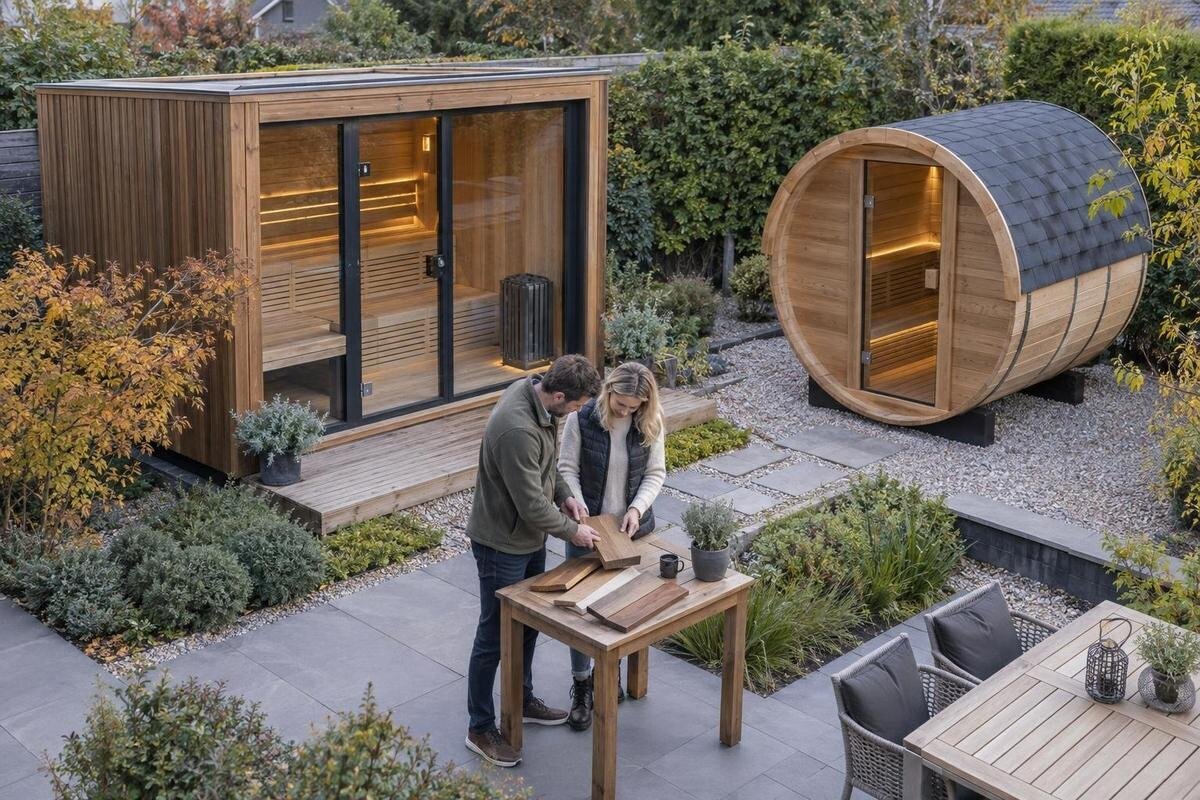
Sauna buying guide
Thermowood is often presented as a material feature, but its name alone does not tell you how a sauna will look, handle outdoor exposure or need care. Treatment varies by wood species and manufacturer, while the complete sauna also depends on its construction, finishes and instructions. Before buying, verify what timber is used, which parts are treated, what protection is applied and what maintenance the maker specifies. Those details give you a fair basis for comparing models without assuming that heat-modified wood is waterproof or maintenance-free.
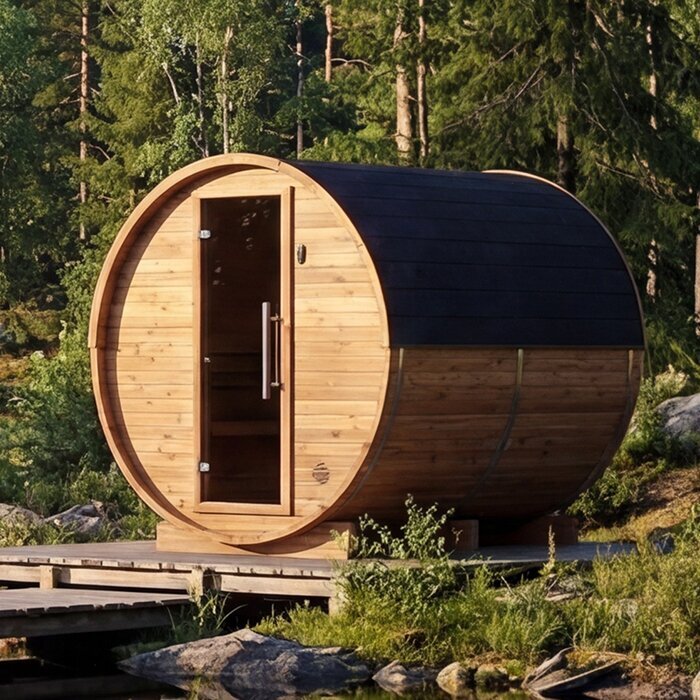
What the Thermowood label describes
Thermowood is a term used for timber modified through controlled heat treatment; some processes also use steam or a reduced-oxygen environment. The starting species, treatment schedule and resulting properties can differ, so the label alone is not a complete material specification. Heat treatment can darken wood and reduce its tendency to absorb moisture or change dimensions, but it does not make every board identical, waterproof or immune to weathering. Ask the seller which species is used and what treatment the listing refers to. This gives you useful facts to compare instead of assuming that one word guarantees a particular colour, lifespan or maintenance routine. It is also worth asking whether the supplier uses Thermowood as a general description or provides a named material specification. Written information is easier to compare later than an informal assurance made during a sales conversation.
Find out which parts of the sauna use this timber: exterior boards, interior walls, benches, trim, or only selected pieces. A product may combine species and treatments, so a headline may refer to the outer cladding rather than every wooden component. That distinction affects appearance, cleaning and finish requirements. Look for a component list or clear material description, then ask about any omitted parts. If an answer is not available, treat that detail as unknown; do not assume hidden framing, benches or trim share the visible cladding's treatment. This prevents a material label from standing in for a full specification.
Check the species, grade and workmanship
Species affects grain, colour, knot pattern, density and the way timber responds to processing, so two products described as Thermowood may not look or behave alike. Ask which species is used, whether different parts use different woods, and whether the maker publishes a grade or selection standard. Small knots, colour variation and surface checks may be normal in solid wood; understand what the seller considers expected and what would count as a defect. Heat modification can also affect mechanical behaviour, so rely on stated construction and suitability for parts such as benches rather than assuming appearance proves strength. If matching a particular look matters, request representative images or a written description. Ask whether photographs show a current finish or a sample that may have been exposed differently from a new sauna. This is especially useful when colour consistency matters to the surrounding outdoor space.
Review workmanship alongside the material description: how the product information covers board edges, joints, fit around openings and replacement parts. The treatment itself cannot tell you how the sauna is assembled or how individual pieces are finished. A page such as Thermowood Barrel Sauna S 140 is a catalogue option to examine, not proof of a particular species, grade or finish. Read the listing for those details and ask if they are missing. Use the same questions for each model you consider; a polished photograph should not outweigh a clearer description of the materials and construction.
How construction affects heat-up and energy use
Thermowood describes a wood treatment; it does not tell you how the complete sauna is insulated, how its joints are sealed, or which heater is suitable. Heat-up time and energy use depend on more than timber species. The overall construction, interior volume, glazing, door fit, ventilation design, heater and outdoor conditions can all play a part. Compare documented details for the complete sauna rather than trying to predict performance from the material name. If the listing does not provide the information you need, ask the seller what applies to the exact configuration you are considering. Keep any comparison focused on information supplied for the model, including optional equipment where relevant. A claim about one configuration should not be carried over to another simply because both use heat-modified timber.
When reviewing HC150 Thermowood Barrel Sauna, for example, treat the model name as an identifier and check the page for the relevant construction and heater information. Confirm whether a heater is included, sold separately or specified as a compatible option; do not assume from a photograph or product name. If you are considering an electric heater, have a qualified professional assess the electrical requirements and installation conditions for your site. This keeps the wood choice in perspective: a well-described timber treatment cannot answer questions about the rest of the sauna or its installation.
Interior and exterior finishes have different jobs
Interior and exterior timber experience different conditions, so their finishes and care instructions may differ too. Ask whether the walls, benches and trim are unfinished, factory-finished or treated with a specific product. Find out whether the exterior boards have a protective finish, and whether that finish is included in the delivered configuration. A darker colour may come from the wood treatment itself, a coating, or both; do not use an image alone to identify the finish. The product description or manual should explain what is on each surface and what, if anything, you need to maintain. If a finish is optional, clarify whether the instructions differ between the finished and unfinished versions. That detail can affect both the appearance you receive and the products you may need for later care.
Before applying an oil, stain, paint or cleaner, confirm that it is approved for the exact surface and sauna environment. A product intended for outdoor timber is not automatically suitable for a hot interior or a bench. Use the page for Thermowood Barrel Sauna HC 225 to look for finish information, but do not infer that it has a particular coating from the model name. If the listing is silent, ask what the maker recommends and how a finish should be renewed. Clear guidance helps you avoid changing the appearance or care needs in a way the manufacturer does not support.
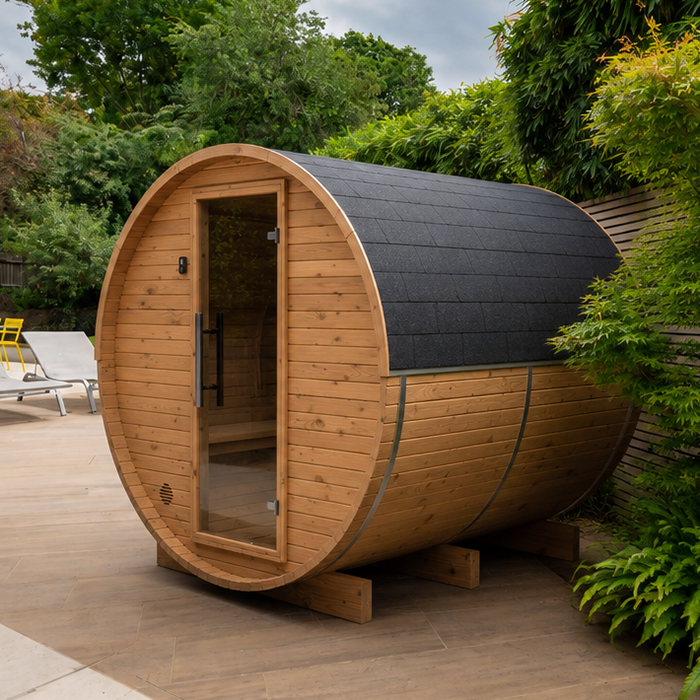
Assess the sauna's exposure to weather
If you plan to install a sauna outdoors, assess the conditions at your actual site. Rain, snow, direct sun, wind-driven moisture, nearby sprinklers and limited airflow can affect how quickly exterior surfaces dry and how their appearance changes. Thermowood is not a substitute for appropriate overall construction or protection from persistent moisture. Wood may weather or change colour over time; the rate and result depend on exposure and any finish used. Ask what the manufacturer expects for the exterior and whether the stated care instructions change for a more exposed location. Consider seasonal conditions as well as a dry-day visit to the site: a location can receive runoff, drifting snow or shade at other times of year. Note these conditions when discussing the intended installation with the seller or installer.
Check the product information for intended installation conditions, site preparation and any requirements for access or drainage. For Thermowood Barrel Sauna N 210, as with any option, confirm the details for that exact model instead of assuming that every sauna is suited to every outdoor setting. Ask what must be in place before delivery and whether the maker recommends professional installation. Do not choose a base or make structural adjustments from general online advice; follow the product documentation and seek qualified help where site conditions need assessment.
Cleaning and drying after use
A manageable care routine starts with the manufacturer's instructions. Depending on the sauna and its interior finishes, routine care may include removing loose debris, wiping away moisture and allowing the interior to dry with the recommended ventilation. Avoid soaking wood or leaving wet items on benches. Use the cleaning products and method specified for the surfaces; strong household chemicals, abrasive tools or high-pressure water may damage timber or a coating. The manual should distinguish between interior and exterior care, since they do not necessarily need the same approach. Check whether the instructions identify any areas that need particular attention, such as bench surfaces, floor areas or door seals. Knowing this before purchase helps you judge whether the routine suits the people who will actually look after the sauna.
Before ordering Thermowood Barrel Sauna N 250, look for a manual or written cleaning guidance and check that it is practical for the way you expect to use the sauna. If the information is not available on the listing, ask where to find it and whether cleaning recommendations vary by surface. Consider how much time you are willing to spend wiping, drying and checking the space after use. A clear, realistic routine is more useful for a buying decision than a broad promise that a material is easy to maintain.
Periodic inspection and repairs
Regularly look over the surfaces and components identified in the product manual. Depending on the design, that may include visible joints, door hardware, seals, exterior finishes and areas that could stay damp. A gradual colour change is not automatically damage, while persistent moisture, unexpected movement or a finish that is lifting may need attention. The manufacturer can explain which changes are normal for the timber and which should be reported. Follow its guidance on cleaning, refinishing or repair rather than treating every mark as a defect or attempting a repair without product-specific instructions. Keep a note of the product model, finish information and any care products used. This can make it easier to describe a concern accurately if you later need advice about maintenance or a replacement component.
For LC 260 Thermowood Barrel Sauna, check whether the product information explains recommended inspections, replacement parts and how to get compatible materials if a component needs attention. Ask which elements require periodic care and whether the maker provides maintenance intervals. The construction and hardware can vary between models, so avoid applying a generic rule to joints or fasteners. If you notice a problem that the manual does not address, contact the manufacturer or a qualified service provider before sanding, sealing or adjusting parts. Knowing where support comes from is part of assessing long-term upkeep.
Documents, parts and costs to confirm before ordering
Compare more than the initial purchase amount when considering maintenance. Find out whether assembly, a heater, finish products or other items are included or sold separately, and whether routine care calls for supplies you will need to buy. Ask about delivery, assembly requirements and access to replacement parts, without assuming that similarly named models come with the same package. If the seller provides warranty terms, read the coverage and exclusions alongside the care instructions. The word Thermowood does not, by itself, tell you what the warranty covers or what conditions it requires. Separate confirmed included items from items you may need to arrange yourself. This makes it easier to compare the practical commitment of each option without relying on assumptions about the package.
Use the page for HCF 300 Thermowood Barrel Sauna as one place to check what is stated about the product, package and after-sale information. Look for a manual, materials description, finish guidance and a contact for product questions. If an important detail is missing, request a written answer before ordering so you can compare it with other options. Keep the reply with your order documents. Having the right instructions and knowing how to obtain compatible parts can make the maintenance plan clearer, even though it does not eliminate the need for care.
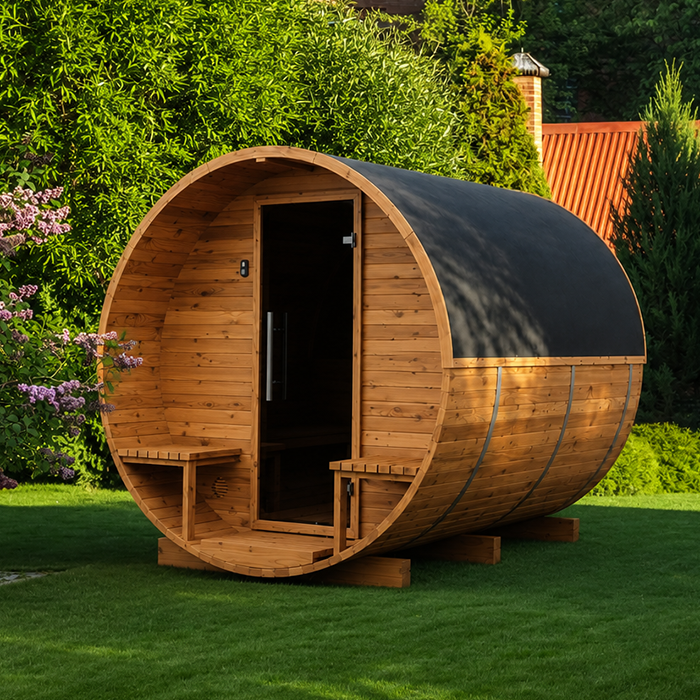
Compare Thermowood listings on equal terms
Create a simple comparison record for each model. Note the stated wood species and treatment, which components use the treated timber, whether the interior and exterior are finished, and what the maker says about cleaning and periodic care. Add relevant construction details, heater information and any stated installation conditions. Mark each item as confirmed, unclear or not provided; this makes gaps visible without filling them with assumptions. Compare descriptions on the same basis, rather than giving a model an advantage because its page is longer or its images show more detail. Include the date you checked each listing, since product pages and available documents can change. When you request clarification, record the question and response beside the relevant model rather than relying on memory.
The listing for Thermowood Barrel Sauna LCF 300 can be reviewed using the same questions as any other candidate. Do not interpret a model code or number as a measurement, capacity, wood grade or performance claim unless the product details explicitly say so. If two listings leave different questions unanswered, ask each seller for the same clarification. This gives you a more useful comparison of materials and upkeep than relying on a headline, product image or the assumption that all Thermowood saunas use the same construction.
Match the maintenance plan to your preferences
Decide what appearance you want and how much upkeep feels reasonable. You may prefer to preserve a more consistent exterior colour with a manufacturer-approved finish, or be comfortable with natural weathering where the product instructions allow it. Neither preference removes the need to understand how the sauna should be cared for. Ask what changes to expect in the timber and what action, if any, is needed to maintain the finish. For the interior, check which surfaces need routine cleaning and whether the maker recommends any specific treatment. Base the choice on the documented plan, not on the assumption that treated wood will look unchanged. Think about who will complete the routine work and whether they can readily reach the exterior surfaces that need attention. A maintenance plan is more credible when it fits the site, the finish and your available time.
Before placing an order, make sure you can identify the wood and treated components, the finish on each surface, the cleaning and inspection guidance, the installation requirements and what is included in the package. Confirm who to contact if instructions are unclear or a part needs attention. If one of those answers would change your choice, resolve it before comparing totals or committing. The most suitable option is the one whose material description, expected appearance and ongoing care are clear enough for you to decide whether it fits your preferences.
Frequently asked questions
What does Thermowood mean?
Thermowood is a term used for wood modified through heat treatment. The species, process and resulting appearance can vary, so check the product information for details rather than assuming the label describes every part of the sauna.
Does Thermowood make a sauna waterproof or maintenance-free?
No. Heat modification can change how wood responds to moisture, but it is not a waterproof coating and does not remove the need for care. Weather exposure, construction, finishes and the manufacturer's instructions all matter.
Should I oil or stain a Thermowood sauna?
There is no universal answer. First find out which surfaces are already finished and what the manufacturer recommends for the interior and exterior. Use only products approved for the specific surface and sauna environment.
What should I compare before choosing a model?
Compare the stated wood species and treatment, which components use that wood, interior and exterior finishes, cleaning instructions, expected upkeep and any relevant construction details. Ask about information that is missing rather than inferring it from the model name.
Can I clean Thermowood with household cleaners or a pressure washer?
Do not assume either is suitable. Strong cleaners or high-pressure water may affect the wood or its finish. Follow the product manual and ask the manufacturer which cleaning method and products are appropriate.
Thermowood can be a useful material to consider, but the label is only one part of a sauna purchase. Compare the stated timber and finishes with the construction details, site requirements and written care plan. When those answers are clear, you can judge the expected appearance and upkeep on their own merits and choose an option that suits the way you plan to use and maintain it.
