
Buying a Wooden Greenhouse: Material Choices and Maintenance
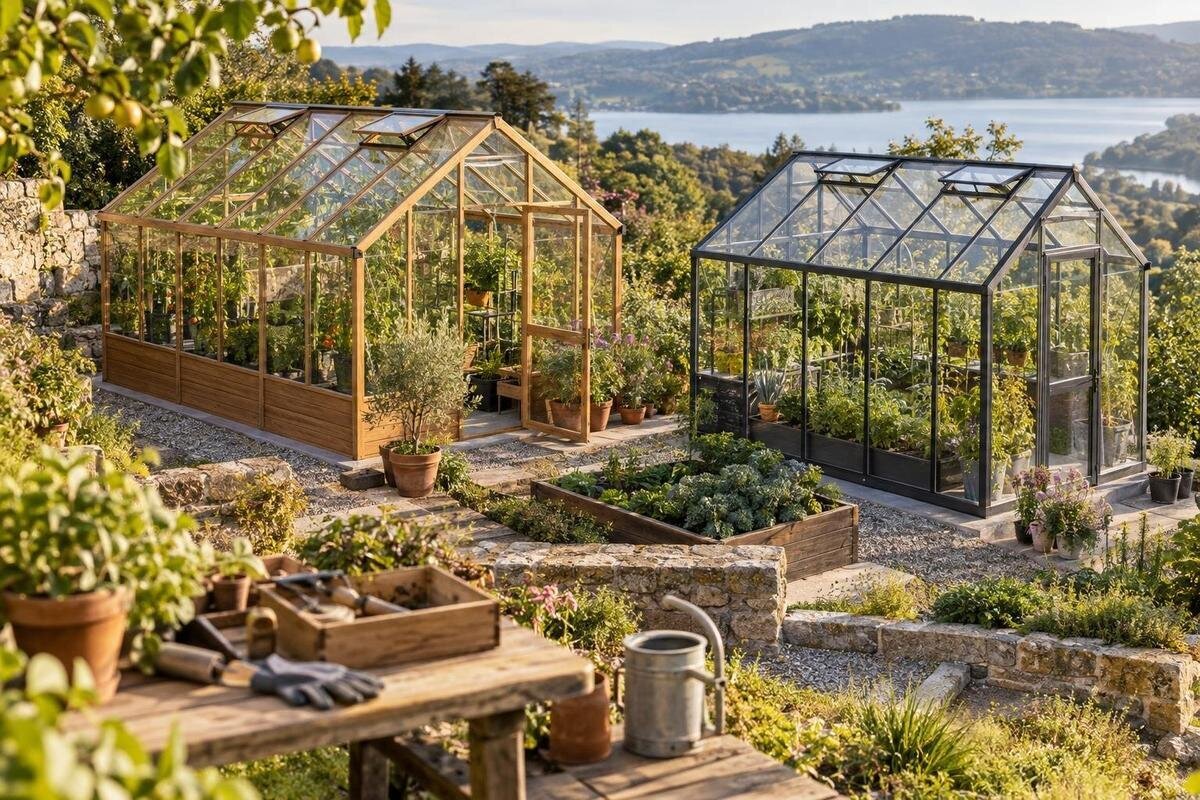
Greenhouse buying guide
Buying a wooden greenhouse is not just a choice of colour or style. Products described as timber-framed can differ in species, grade, treatment, joints, base details and finish, and those differences shape both the purchase questions and the work required later. Your growing plans, site exposure and willingness to inspect or refinish the frame matter as much as its appearance. Before ordering, identify what each component is made from, what is included and what care the supplier expects. Do not infer those details from a photograph or the word “wooden.” The aim is not to find one universally best timber, but to choose a structure with clear specifications that suit your garden and routine.

Match the greenhouse to your growing plans
Decide first what you expect to do inside: start seedlings, grow vegetables through a longer season, keep tender plants, or combine several uses. That choice affects useful floor area, bench placement and headroom for taller crops. Sketch the door, work surface, plant rows and route for carrying pots, trays or watering cans. Ask for internal usable dimensions as well as outside measurements, and note where doors, vents and fixed supports sit. A frame can look spacious in a photograph yet feel awkward once containers occupy the centre aisle. Allow space to turn while carrying a watering can or tray, and leave room to remove pots without moving an entire bench. If your plans may change, favour a layout that can be rearranged without blocking access.
Separate layout from the choice of timber: a lean-to and a freestanding greenhouse have different placement constraints, and the details depend on the actual model. For a material-and-format comparison, keep the aluminum lean-to greenhouse as a separate reference. Its title is not a complete statement of materials, usable growing area or care requirements, so check the product details rather than inferring them from the name. For the wooden option, ask whether the listed dimensions describe the outside footprint, the interior space, or both; those measurements answer different planning questions.
Ask which timber is used in each part
Ask the seller to name the timber species for the frame and for parts likely to be exposed to moisture, rather than accepting “wood” or “timber” alone. Cedar, pine, spruce and fir are broad names, not guarantees of a particular grade or performance. An offer may use more than one species; ask which material is used for posts, rails, door frames and base members. Grade, knots, grain and the role of each piece can affect how it holds fasteners and performs in service. Ask whether any components are laminated, composite or made from a different species. Also ask whether the named timber refers to visible cladding only or to the structural members throughout the greenhouse, since those are different comparisons.
Request the species and grade in writing, including any permitted substitutions and how replacement pieces are identified. Natural durability differs among timbers, and actual performance also depends on grade, the part of the wood used, detailing and exposure. If you are comparing frame materials, keep the limited-edition aluminum greenhouse in a separate column. Treat its title as a product label, not a complete specification; compare the stated details rather than assuming that one material answers questions about the other. Keep the specification with the assembly and care documents.
Separate treatment from surface finish
Separate the wood itself from any treatment or surface coating. Pressure treatment is not the same as paint, stain, oil or a factory-applied sealer, and none of those terms tells you which frame members were treated or how. Ask for a description of the treatment or coating, the components it covers, and whether exposed ends, cut surfaces or drilled areas need a specified treatment. Do not read colour or gloss in a product photograph as proof of weather protection. Ask what the finish is intended to do and what limits the supplier states. Find out whether the finish is applied before assembly or after it, because joints and concealed faces may require different inspection or later attention.
Ask how the finish is maintained: when it was applied, whether it needs renewal, how surfaces are prepared, and which products may be used near greenhouse plants and soil. Do not assume a factory finish makes the frame maintenance-free, or that any exterior wood stain can be applied later. If you are comparing upkeep with another frame option, the title of the T-model orangery greenhouse includes the phrase “aluminum garden structure.” Verify the materials and care in its product details; a title cannot establish how a wooden frame should be maintained.
Inspect the joints and base details
Look for construction information covering corners, cross-members, door and vent openings, panel-retaining details and fasteners. These are not just cosmetic points: they affect where moisture can collect, what needs inspection and how a damaged piece might be repaired. Timber responds to changes in moisture, so ask how the design accommodates movement at joints and where glazing or panels meet the frame. Request an assembly diagram or materials list if the description is brief. Find out whether individual connections can be serviced without dismantling a large section, and which parts are available as replacements. Clear drawings can also show whether hardware is accessible after benches and plants are in place, rather than only during initial assembly.
Pay particular attention to the lowest frame members. Splashing and persistent wet contact can make the base a maintenance concern, so ask how the timber is separated from soil or a damp surface, what base is included and whether a separate support is required. The title Bloomcabin Prestige greenhouse with a metal base flags a base detail to investigate, not the material of every frame component or a complete installation specification. Apply the same distinction to a wooden offer, record exactly what is included, and ask how accessible the base connection remains for inspection.

Check the site and support requirements
Measure the intended footprint and clear working space before ordering. Include the route to the door, room for it to open and access for carrying trays, soil or tools. Note where trees or buildings cast shade, where runoff collects and whether the ground is sloped or uneven; these conditions can affect daily use and the base information you need. Compare your site notes with the exact model’s footprint drawing and installation instructions, rather than estimating from a photograph. Do not assume a timber greenhouse can sit directly on soil, paving or a deck; suitability depends on the specific structure. Mark underground services, drainage routes and nearby structures on your site sketch so they can be considered before a base or support is planned.
Ask what base, anchors, brackets and surface preparation the quoted package includes, and which items are separate. The title of a T-model greenhouse with a wall base does not establish its installation requirements; check the details for that model and do not transfer them to a freestanding wooden greenhouse. If drainage, slope or the proposed support is uncertain, get advice from a qualified installer or other relevant professional before ordering instead of improvising. Clarify access for delivery and assembly too, so the selected model can reach its intended location.
Look at the frame around glazing and vents
A timber-frame decision still involves the parts fitted into it. Ask what glazing or infill is included, how it is retained, and whether seals, hinges and vents are specified for that frame. The materials and dimensions need to be stated together; a replacement panel or vent part cannot be chosen by assuming that all greenhouses use the same fitting. Because timber responds to moisture, ask how the design accommodates movement where panels meet the frame. Use the supplier’s instructions for questions about adjustment or replacement rather than guessing at clearances. Record the names or part numbers used for glazing retainers, hinges and seals if they are supplied, as this may make later enquiries clearer.
Plan how you will work inside: locate the doors and vents on the drawing, check that they are reachable, and consider whether benches or tall plants will block access. Compare opening positions, operating methods and replacement parts using the product details. A different outline, such as the Bloomcabin Oasis pyramid greenhouse, is a reminder to assess shape separately from construction. Its title does not establish frame materials or how panels meet the structure; compare those details using the specifications for each candidate.
Plan for routine maintenance
Build upkeep into your buying decision. Ask for a written routine covering cleaning, checking joints and fasteners, touching up damaged finishes, and responding to signs of persistent damp or decay. The tasks depend on species, treatment, finish, exposure and construction; one schedule should not be applied to every wooden greenhouse. A check after the main growing season or after severe weather can help you notice changes, but use the supplier’s intervals for the specific product. Confirm whether routine work needs special preparation or only approved products. Consider where you would store cleaning supplies and any specified touch-up products, and whether the work can be done safely from ground level or requires professional help.
Consider whether you can see and reach frame members around glazing, behind benches and near the base; an inspection plan is only practical if those areas are accessible. Ask how individual rails, trim or fasteners can be replaced and whether touch-up materials are specified. Apply the same questions to other candidates, including the Bloomcabin Orangerie listing: its name alone does not disclose frame material or care. Compare the written tasks and time involved rather than relying on a general description such as low-maintenance.
Check exposure information against your site
Consider the conditions at the actual site: direct sun, persistent shade, wind, prolonged rain, snow accumulation and coastal or other corrosive exposure can change which questions matter. Do not assume that a particular species, finish or frame is suitable because it is used elsewhere. Ask the supplier for information that applies to the exact greenhouse and configuration, including any relevant limits or required installation conditions. An answer about timber generally may not address the design you are considering, so ask which product information supports the supplier’s guidance. Take photographs of the proposed location at different times of day and keep notes on standing water or sheltered corners; these can make site discussions more specific.
Request written exposure information for the frame, panels, base and anchoring, and clarify any conditions attached to coverage or special inspection. A name such as Classic Plus 385 is not an exposure rating; neither a model label nor a photograph establishes wind or snow capacity. If you cannot confirm suitability for a particularly exposed site, ask a qualified local professional to review the proposal before ordering. Do not modify a greenhouse to address uncertainty without appropriate professional guidance.

Compare what each order includes
Compare every quote against the same scope. Record whether the frame, glazing or infill, vents, door hardware, base, fasteners and assembly information are included, optional or not stated. A headline price is difficult to compare when one offer covers a complete kit and another lists panels or a base separately. Note the dimensions and configuration beside each item, including any options that change the finish or treatment. If the package contents are unclear, ask for an itemized quote rather than relying on a photograph or model name to show what will arrive. List any tools, site preparation or professional services separately too, so they are not mistaken for included parts of the greenhouse package.
Review the ordering and after-sales terms before paying: delivery access, assembly responsibility, instructions, replacement parts and the stated warranty or exclusions. Ask who to contact about a damaged or missing part, and do not assume every supplier handles this in the same way. Confirm how substitutions are communicated and whether care materials are supplied or must be sourced separately. Keep the written description, quote and care instructions together so you can refer to the agreed model and specification later.
Build a shortlist from confirmed details
Use a comparison sheet with separate rows for species and grade; treatment and finish; joints and base; usable area and openings; exposure information; upkeep; replacement parts; and included items. Mark each point confirmed, unclear or not stated, and separate non-negotiable requirements from preferences such as appearance. This makes it less likely that an attractive finish will distract from an incomplete specification. Give maintenance its own row rather than burying it under a general quality label: record the task, the supplier’s stated interval, approved products and the access it requires. Add the date and source of each answer, especially where a seller has clarified something not shown in the product description, so comparisons remain traceable.
Compare what each option asks of you over time, not only what you notice on delivery day. A timber frame may suit your priorities if its documented care fits your routine; another frame material may suit a different buyer. Either way, check the construction, exposure information and site requirements rather than relying on appearance. If a key point remains unanswered—especially what the frame is made of, how it is treated or how it can be repaired—leave that candidate off the final shortlist until the supplier provides a clear written answer.
Frequently asked questions
Which timber is best for a wooden greenhouse?
There is no single best choice for every garden. Ask for the exact species and grade used in each frame part, then compare the supplier’s information about durability, treatment and finish with the conditions at your site. A broad name such as cedar or pine does not establish the grade, construction details or upkeep on its own.
How often will I need to refinish a wooden greenhouse?
There is no reliable interval that applies to every frame. The timing depends on the timber, treatment, finish, construction and exposure. Ask the supplier for the maintenance schedule for the specific model, including how to recognize when renewal is needed and which preparation and products are recommended.
Is treated wood suitable around greenhouse plants?
Do not assume that every treatment is appropriate for every greenhouse use. Ask what treatment was applied, which parts it covers, and what the supplier says about use near plants and soil. Also confirm whether cut surfaces need attention and whether any later coating must be compatible with the original treatment.
Does a wooden greenhouse need more maintenance than another frame type?
That depends on the materials, finish, construction and conditions, so a general comparison can be misleading. Compare the written care tasks for the exact models you are considering: what needs inspection, cleaning, refinishing or replacement, and how often the supplier recommends each task.
What should I confirm before ordering a wooden greenhouse?
Confirm the species and grade, treatment and finish, base requirements, included components, exposure guidance and maintenance schedule. Ask how to obtain replacement parts and which items are not included in the quoted package. Keep the answers and the product specification together so you can check what the order covers.
The right wooden greenhouse is the one whose documented materials, construction and upkeep match your growing plans and the conditions at your site. Compare species, treatment, joints, base, exposure information and replacement parts alongside the layout and order inclusions. A timber name or attractive finish is only a starting point. When you have confirmed what the frame is made from and how it is meant to be maintained, you can weigh its appearance against the work it will require and make a more informed purchase.
