
How to Compare Sauna Quotes and Their Inclusions
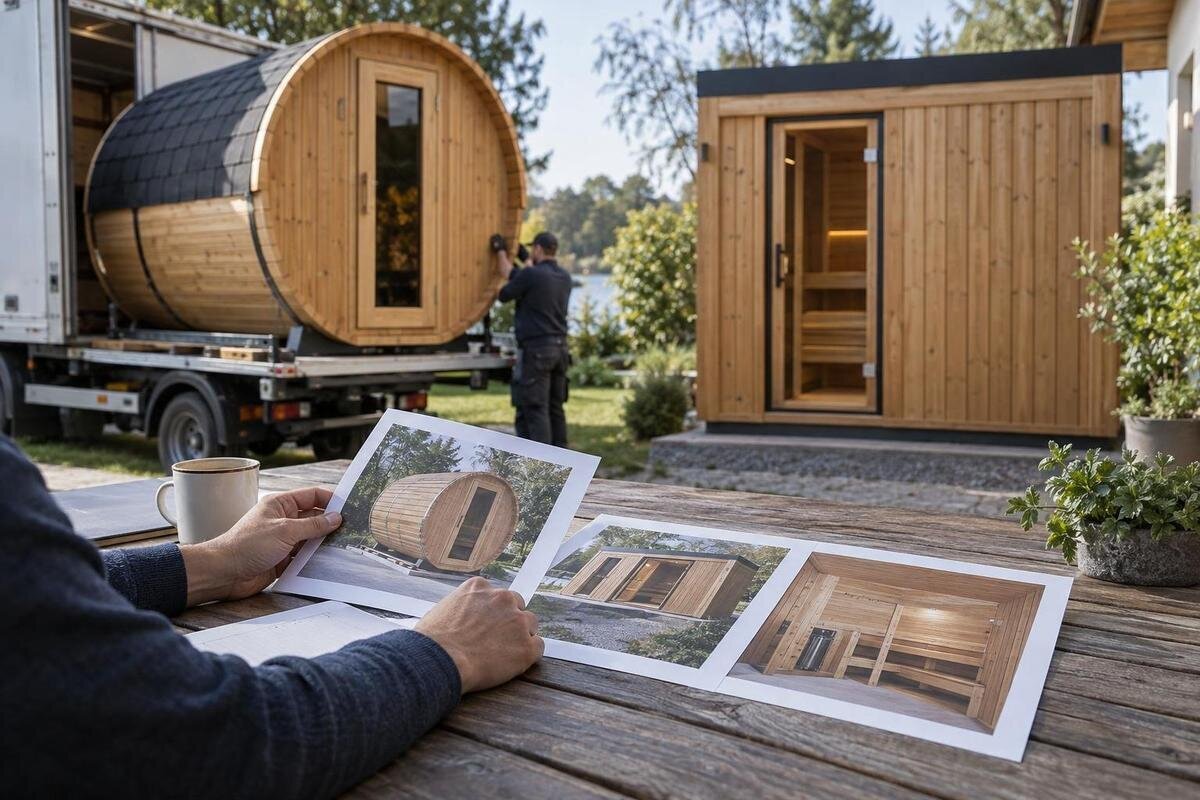
Sauna buying guide
Two sauna quotes can name a similar product and still cover different jobs. One may price only a sauna package; another may include freight, unloading, assembly or some site work. Comparing headline totals before aligning those details can make a lower figure look like better value when it simply leaves more cost and coordination with you. A fair comparison uses one scope: exact model and configuration, supplied components, optional choices, delivery, installation, excluded work, taxes and payment terms. Ask each seller to identify what is included, excluded or conditional in writing, then assess the price against that shared scope.
Match the exact model and configuration
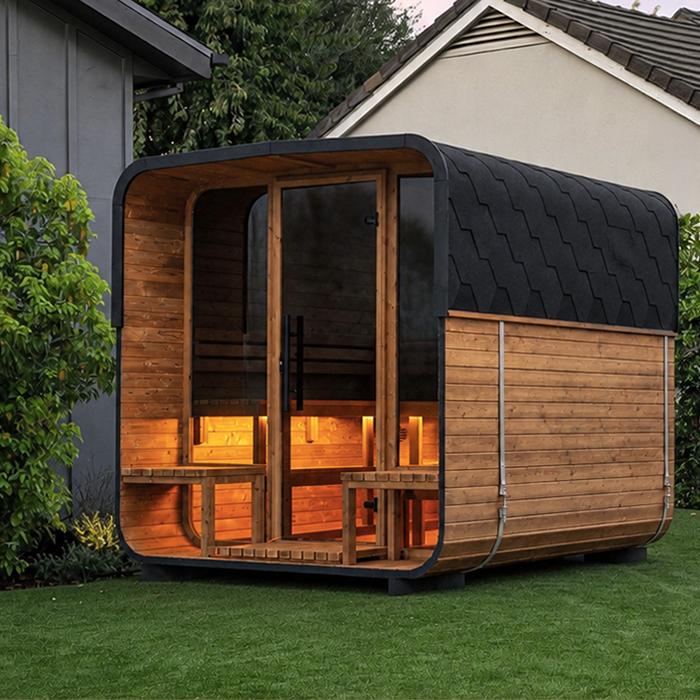
Begin with the product itself, not the total. Each quote should state the manufacturer or product family, exact model code and selected configuration, along with the date or revision of the specification used. A label such as barrel sauna may be too broad to establish that both sellers priced the same unit. For reference, the catalogue identifies Sauna S-140 as a Thermowood Barrel Sauna and lists 1.93 m². That entry helps locate a product record; it does not show what either quote includes, whether the units are configured alike or which services are attached. If a quote uses only a family name or package title, ask for the corresponding model code in writing.
Compare the drawing or specification behind the model, not just a product photo. Where the supplier presents choices, check the selected layout, door and window positions, bench arrangement and dimensions shown in the documents. Ask for the same type and revision of document for both quotes so you are comparing like with like. A photo or model suffix may not answer every configuration question. If one vendor proposes a different arrangement, request a matching alternative or keep the offers in separate columns. Do not treat a lower price for one configuration as a discount on another.
List every included component
Once the model matches, turn broad package language into a named inclusion list. A line that says sauna package does not tell you whether the price covers every part in the supplier’s stated configuration or only selected pieces. The catalogue identifies Sauna HC-150 as a Thermowood Barrel Sauna, but that model reference is not an inventory of the parts a seller has included. Ask each vendor to attach a schedule tied to the exact quote and model, marking each item included, optional, customer-supplied or excluded. Where quantities matter, record them beside the description. If one quote lists a set and another lists individual pieces, ask what the set contains before comparing their prices. Also distinguish equipment supplied loose from equipment fitted during assembly; those descriptions do not cover the same work. Treat anything not listed as unconfirmed until the vendor answers; otherwise, two different packages can appear identical on the first page.
If a heater appears in the quote, ask for its type, manufacturer and model, and for the controls and associated components the seller says are included. A short note such as heater included may leave important parts of the package unclear. For a wood-fired setup, ask the seller to identify the stove and any flue-related components included in the offer. For an electric setup, identify the heater and control package, then compare connection work separately. The point is not that every quote needs the same heating option; it is that different equipment packages should not be treated as equivalent without a clear list.
Separate optional features from the base quote
Put each selected extra or substitution on its own line rather than folding it into a vague package total. The catalogue identifies Sauna HC-225 as a model; your quote still needs to say which choices the seller has actually priced for that model. Ask for a description, quantity and price for each proposed change, and have the seller distinguish included standard items from options and customer-supplied items. For a substitution, ask whether the stated price is the additional amount payable or the full price of the replacement. Check whether the revised total accounts for the item being removed. This avoids comparing an upgrade charge in one offer with a complete component price in another. If the quote describes an allowance instead of a selected item, record that as provisional, not as a confirmed inclusion.
Where a vendor offers a change to glazing, lighting, finish, seating or another feature, check that the description names the choice being priced and whether it replaces or adds to something else. Do not assume a feature shown in a photo is included, and do not assume a listed option is available for every model. Ask how a selection affects the quoted total and whether any related component or labour is priced separately. Keeping the base package and the options visible lets you compare the same starting configuration before deciding whether an extra is worth considering.
Define site preparation and supporting work
A quote that says installation may assume that the site is already ready. Separate the sauna package from ground preparation, a supporting base or other site work, and ask each seller to state the assumption behind the price. The catalogue listing for Sauna N-210 gives 4.43 m²; that figure is not a site plan or a specification for a foundation. Request the supplier’s relevant drawings or instructions for the proposed configuration, and have a qualified professional assess site-specific support questions rather than inferring a design from a model name or area field.
Ask which tasks are included and who is responsible for any work outside the package. Depending on the site and the supplier’s instructions, the questions may concern clearing, levelling, preparing a base, drainage, access steps or other work; do not assume that all of these are necessary or included. Have the quote state whether the seller expects a prepared surface and what condition it must be in before delivery or assembly. If another contractor is needed, keep that work separate and obtain a matching written scope so it does not disappear from the comparison.
Set clear delivery and unloading boundaries
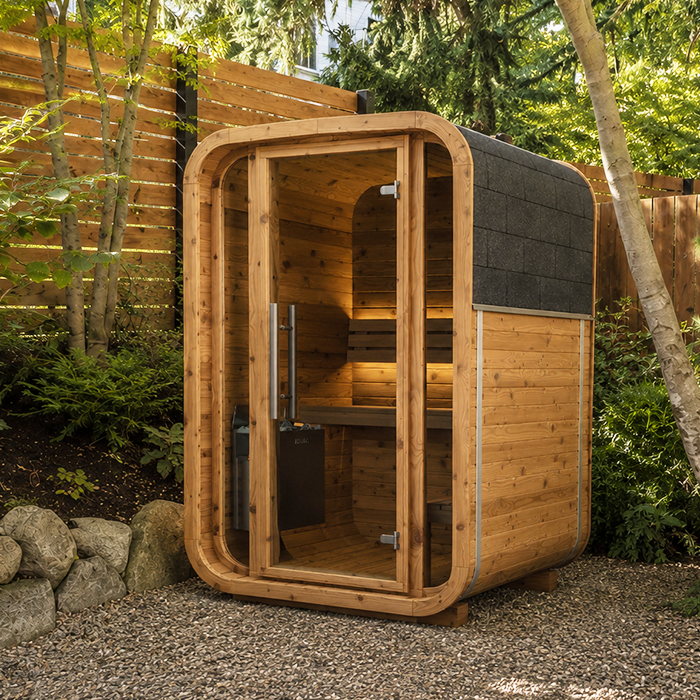
Delivery can mean different things in different quotes. One seller may describe transport to a destination, while another may include further handling; ask exactly where the service ends and whether unloading or placement is included. The catalogue lists Sauna N-250 with 5.27 m², but that area does not establish the shipping package dimensions, weight or unloading method. Ask the vendor for the delivery information needed to assess access and handling, and have any stated assumptions reflected in the written quote rather than relying on a general delivery label.
Discuss the route from the delivery point to the proposed location: gates, turns, overhead clearance, distance and surface conditions can affect what can be done on site. Ask who checks that route, who arranges any required lifting or unloading equipment, and whether those services are included or separately priced. Clarify responsibility for waiting time, restricted access or a delivery attempt that cannot be completed. You do not need to guess what equipment will be necessary; the useful comparison is a written description of each seller’s assumptions, responsibilities and charges.
Specify what assembly covers
Do not treat the word assembly as a complete scope. Ask whether the quoted service covers unpacking, moving the components to their final location, assembling the sauna, fitting the items listed in the package and removing packaging or debris. The catalogue identifies Sauna LC-260 with a listed area of 5.12 m², but that entry does not state what any seller’s assembly service covers. Have the vendor identify which tasks are included, which are excluded and whether the price assumes that the site and all required components are ready when the crew arrives.
If assembly is split between the vendor and you, write down the hand-off: which parts arrive ready for installation, which tasks remain with the customer and who returns if a required item is missing. Ask whether the quoted labour covers only assembly or also placing the unit, fitting separately selected items and cleaning up. Define the condition in which the crew will leave the sauna, particularly if another trade must finish the work. Ask who records outstanding tasks and whom you should contact about an assembly issue. A clear completion point helps you compare labour charges without assuming that every service ends at the same stage. Keep utility connections in their own scope rather than assuming they are part of assembly. When another contractor is involved, compare their written task list with the sauna seller’s exclusions so neither quote leaves a gap between delivery and a usable installation.
Keep electrical and heating work in scope
An electric heater, if selected, is not the same thing as an electrical connection. Ask the seller to identify the quoted heater and provide the relevant manufacturer documentation, then have a qualified electrician confirm what connection work is required for your site. The catalogue listing for Sauna HCF-300 states 6.89 m²; that area does not identify a heater or its electrical requirements. In the quote, separate supply of equipment from electrician labour, wiring, connection, controls and any inspection or other work the vendor says is required. Mark each part included, excluded or subject to assessment.
For a wood-fired setup, ask which stove and flue-related parts the seller is supplying and who is responsible for installation and confirming the requirements for the site. Do not rely on a short package description to establish that the necessary professional work is included. Have a qualified installer or other relevant professional check the manufacturer’s requirements and any local considerations that apply. If the sauna quote also mentions lighting, plumbing or another service, identify the supplier, installer and price for that work separately. This keeps trade work visible without assuming that a product price covers connections or approvals.
Match supporting documents to the quoted model
Check that every drawing, inclusion schedule and service quote refers to the model actually listed on the offer. The catalogue identifies Sauna LCF-300 as a Thermowood Barrel Sauna and lists 6.89 m², the same area shown for Sauna HCF-300. Matching area figures do not establish that two different model codes are interchangeable or that the quotes cover the same configuration. Keep the exact code visible on the quote and use the supporting documents to verify the proposed configuration, rather than relying on a broad product description or one matching number.
Tie attachments and corrections to a quote number, date or revision. A manufacturer drawing, options schedule, delivery estimate and assembly scope should all describe the offer you are comparing, not an earlier version. If a seller uses an allowance or says that a price depends on a site review, ask what condition triggers a change and which amount remains unconfirmed. If the model or configuration is substituted, request a written update to the components, services and price. Keeping the current documents together makes it easier to spot differences before they become part of the order.
Compare taxes, allowances and payment terms
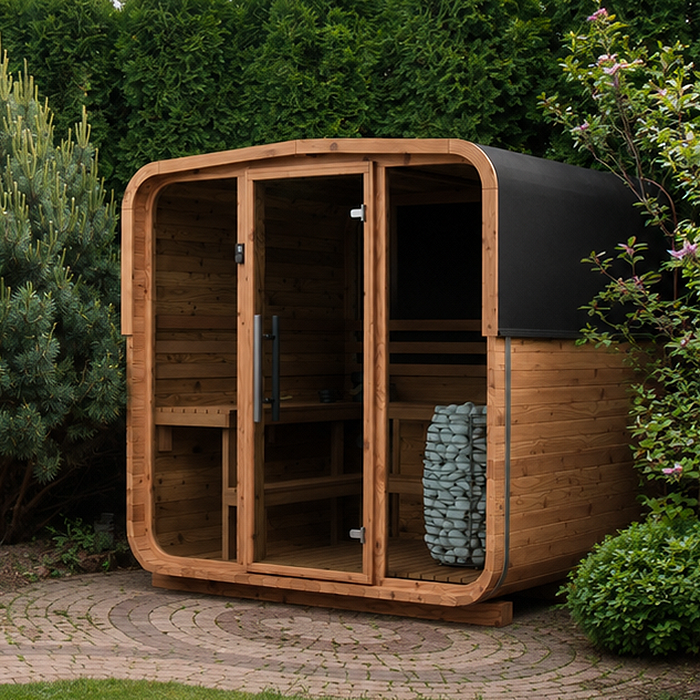
Compare prices on the same stated basis. Ask each seller to confirm the currency, whether taxes are included and how any tax amount is shown. Keep the sauna package, freight, unloading, assembly and other priced work visible as separate lines where possible. Do not compare one quote’s before-tax subtotal with another quote’s stated final total, and do not fill in a missing tax amount by guesswork. If a charge depends on your location or circumstances, ask the seller or a qualified local adviser what applies before treating the total as settled.
Read the terms alongside the figures. Note the quote’s validity date, deposit and balance schedule, any payment milestones, and whether an amount is firm or conditional. For a deposit expressed as a percentage, ask which amount it applies to and have the payable amount stated clearly. Record whether later payments are tied to ordering, dispatch, delivery or completion, using the seller’s actual terms. Compare these schedules separately from the purchase total so an earlier payment is not mistaken for a higher overall price. Ask how changes to configuration, access or site conditions are handled and whether any listed allowance can change after assessment. These details do not replace the scope comparison, but they affect how certain each total is and when amounts are due. Record unanswered questions separately from confirmed charges; an estimate, allowance or blank is not the same as a fixed price for completed work.
Compare totals for the same scope
Build a simple comparison sheet with one row for each meaningful item: model and configuration, components, options, delivery, unloading, site work, assembly, trade connections, taxes and payment terms. For each quote, record the description, price, responsibility and status as included, excluded, optional or unconfirmed. Add a note for any condition or attachment that supports the line. If a seller bundles several services into one price, identify the rows covered by that bundle and count the charge only once. Do not assign invented prices to its individual parts. You can compare the coverage even when the seller has not provided separate amounts. If one seller has not priced an item, show it as unknown rather than entering zero. This makes omissions visible and prevents the cheapest-looking column from benefiting from work that has simply been left out.
Keep the seller’s quoted total separate from any revised total for matching scope. Add only amounts actually provided in writing; do not invent estimates to make the offers look comparable. If a needed item is excluded, ask the vendor to price it or obtain a separate quote for the same task, then record that source clearly. Request revised offers if the model, options or services differ. If the sellers cannot offer matching configurations, keep the differences explicit rather than forcing a single like-for-like total. Identify which features or tasks you would gain or give up with each offer. That comparison supports a choice between different packages without presenting them as identical purchases. When the scope and price basis finally match, weigh the cost alongside the terms and the coordination each offer leaves to you. A clear, comparable quote is a better basis for choosing than a headline figure alone.
Frequently asked questions
What is the fairest way to compare two sauna quotes?
Match the model and configuration, then compare the itemized components, options, delivery, unloading, assembly, site work and taxes. Mark every line as included, excluded or unconfirmed, and ask both sellers to price any work needed for the same finished scope.
Should I assume an item is included if it is not mentioned?
No. Treat a blank or vague description as unconfirmed, not as included or free. Ask the seller to state whether the item is included, excluded, optional or supplied by you, and to price it if you need it.
Does the area on a product listing confirm that a sauna will fit?
No. A listed area does not provide all the overall dimensions or establish the space needed for your site. Use the supplier’s documented dimensions and configuration, then have site-specific support or placement questions checked by a qualified professional where needed.
What should a delivery line in a quote explain?
It should identify the delivery destination and the boundary of the service: for example, whether unloading or placement is included, who arranges any required equipment, and who pays for extra handling or a failed delivery attempt.
Is the lowest quote automatically the best value?
Not if it leaves out work or relies on unpriced assumptions. First compare the same model and scope, then consider the stated total, exclusions, payment terms and coordination you would have to arrange. Do not treat unknown costs as zero.
A meaningful comparison does not depend on guessing what a seller meant by a short package description. Put each offer against the same model, configuration and task list, mark unknowns openly, and have each seller price any excluded work you need. When the attachments, assumptions and payable total all refer to the same scope, you can see whether a price difference reflects a real choice or work left outside the quote. That is a sounder basis for choosing than the headline figure alone.
