
Electric vs Wood-Fired Sauna: Which Routine Suits You?
SAUNA BUYING GUIDE
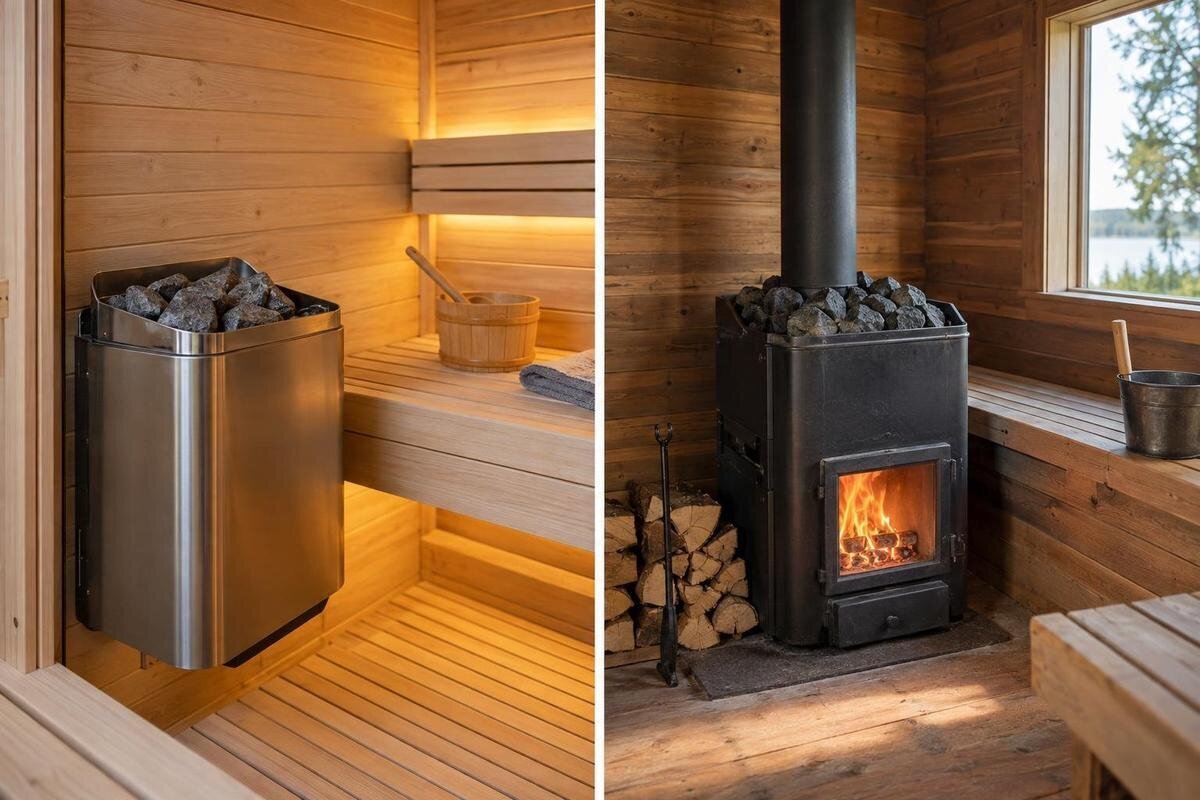
Choosing a sauna heater affects the tasks that repeat around each visit: preparing for warm-up, keeping track of the equipment and putting things in order afterwards. Electric heating usually means operating controls; wood-fired heating adds fire management and fuel storage. Compare those jobs with an ordinary week in mind, rather than an idealised visit. This guide focuses on daily use, not detailed session-cost calculations.
Electric controls and wood-fired preparation
An electric heater usually concentrates start-up work at the controls: check the sauna and heater instructions, use the controls as directed, and allow the cabin to warm. A wood-fired heater adds a fire to that routine. You prepare and light it as the stove maker specifies, keep track of its progress, and have suitable fuel on hand. Both choices call for preparation, a warm-up period and a close-down routine. The difference is not that one has no work; it is whether you would rather handle controls or manage a fire and its fuel. Include the time to gather what you need, not just the period when the heater is running.
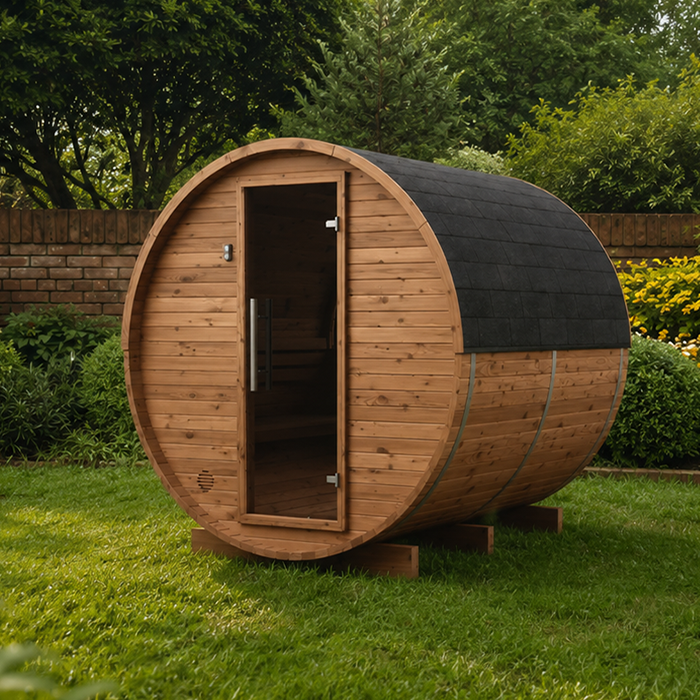
Picture an ordinary weekday, not an ideal, unhurried weekend. If your available window is short, fewer fire-related tasks may make electric heating easier to fit in, but you still need time for warm-up and must operate the heater as instructed. Wood-fired heating can be appealing when preparing the fire is part of the experience, yet less convenient when nobody is free to start and monitor it. In a shared household, decide who handles each step instead of assuming it happens automatically. Judge the fit on a busy day, not only when there is no rush. A listing such as the HCF-300 Thermowood Barrel Sauna identifies a cabin model; confirm its heater configuration separately rather than inferring it from the name.
Warm-up time depends on the whole setup
Warm-up is not a simple electric-versus-wood rule. It depends on the cabin, heater selection, starting conditions, exposure to weather where relevant, ventilation and how the equipment is operated. An electric unit still needs time to warm the room and, where applicable, its stones; switching it on does not make the sauna immediately ready. A wood-fired unit also needs time for the fire to establish and the cabin to reach the required conditions. Cold starts can affect either routine. Fuel and fire management matter for a wood heater, while electric controls vary too. Use guidance for the specific equipment instead of relying on a generic estimate or someone else’s timing.
The useful question is whether the normal warm-up fits the time you have. If your evening slot is predictable, either system may suit it once you understand its start-up sequence. If plans change often, find out whether the particular electric controller offers the timer functions you want; the word electric does not confirm that feature. A wood stove still needs someone to prepare and manage the fire. When reviewing the LCF-300 Thermowood Barrel Sauna, use the exact cabin and heater documentation to establish any warm-up expectations; the model name itself gives no timing. If an estimate is provided, ask what conditions it assumes.
What electric start-up involves
Electric heating’s main routine advantage is usually a simpler start, not an absence of preparation. Check the sauna, heater and controller instructions, use only the controls the unit provides, and allow the specified warm-up. Some systems may have a timer or other control functions, while others do not; confirm the exact controller rather than assuming a feature from the word electric. If your schedule depends on a pre-set start, find out how that function is intended to be used and what conditions apply. The controller’s instructions are part of daily use, not merely an installation detail. Make sure the people who may use the sauna understand the same start-up steps.
An electric heater also relies on the home’s electrical service. Before choosing it, confirm the requirements for the particular heater and sauna with the supplier and a qualified electrician; do not base the decision on assumptions about existing wiring. When reviewing the S-140 Thermowood Barrel Sauna, ask which heater and controller the package includes. For a shared sauna, consider whether everyone who will operate those controls understands the start-up and shutdown routine. A simpler start is useful only if the household knows who is responsible for checking the sauna before use and switching the heater off afterwards.
Preparing and tending a wood-fired heater
Wood-fired use puts more of the warm-up in your hands. You need the fuel and starting materials specified for the stove, plus a way to light and manage the fire that follows its manual. Loading, air controls and tending procedures differ, so use instructions for the exact model rather than another stove’s routine. The process can include checking the fire as the sauna warms instead of turning on a control and moving on. That is a time and attention commitment. Consider whether you can make room for it on the days you expect to use the sauna, not only when you have a free weekend.
Think through where the fuel comes from, how it reaches the heater and how you handle a busy or wet day. Wood must meet the stove maker’s fuel guidance; improvising with unsuitable fuel can affect how the unit operates. If you are considering the HC-150 Thermowood Barrel Sauna, ask which wood-fired heater and flue arrangement, if any, can be paired with it. Confirm compatibility and installation details with a qualified professional where needed. Then consider the preparation involved: retrieving suitable fuel, gathering starting materials and being available to tend the fire. Include those tasks when deciding whether the warm-up fits your day.
How much attention is needed during a session?
Active attention is another difference. With an electric heater, users generally work through the controller and check operation as the manual directs; there is no wood fire to feed. That can mean less active tending, but it is not permission to disregard instructions or leave equipment running without the oversight its maker requires. Wood-fired use keeps the fire part of the session: the user monitors and tends it according to the stove’s design. Do not assume every wood stove needs the same frequency of checks. Read the operating guidance for the exact heater and decide whether its requirements suit the people who will use it.
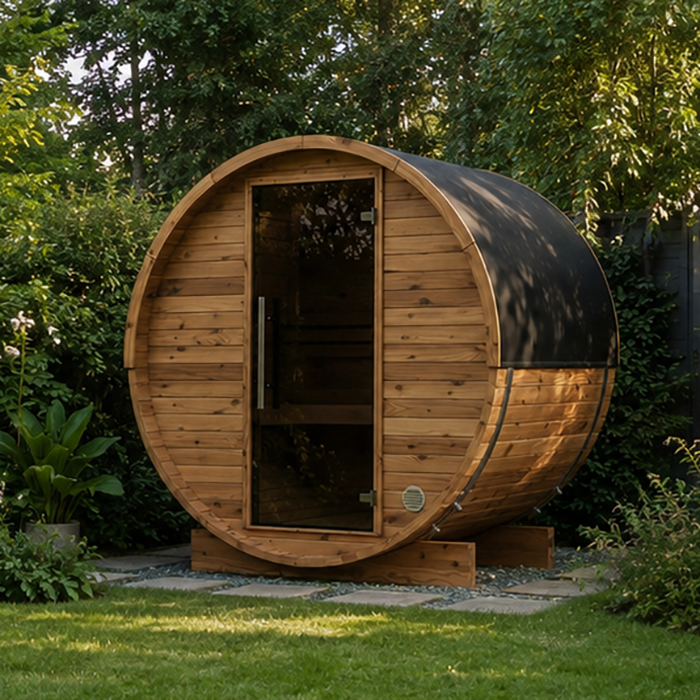
Think about who shares the sauna. If one person enjoys tending a fire but others want to start the sauna independently, agree who lights it, monitors it and handles shutdown. With electric heating, agree who operates the controls and checks the unit at the end; controls do not remove shared responsibility. When comparing a package for the HC-225 Thermowood Barrel Sauna, look at those responsibilities alongside the supplied heater’s operating guidance. Make the hand-off clear if another person arrives after heating has begun. Everyone involved should know what has already been done and who will handle the remaining checks.
Heat control and session flow
Heat control can shape a routine, but the heater label does not promise a particular result. An electric heater with a suitable working thermostat may regulate around its setting; a wood stove responds to its fire and to air adjustments allowed by its design. Actual behaviour depends on the heater, cabin and operating conditions. Electric does not guarantee perfectly even heat, and wood-fired does not guarantee a particular heat profile. If you like to pause, adjust the fire or use water on the stones, confirm what the exact manufacturer permits and how the unit is meant to respond. Do not transfer stone or control practices from one heater to another.
Think about how much consistency you want from one session to the next. Electric controls may make the routine feel repeatable when you use the same settings and start-up sequence; a wood fire asks you to observe conditions and make adjustments within the manual’s directions. Neither approach is a measure of quality or comfort for everyone. For the N-210 Thermowood Barrel Sauna, compare the available heater’s controls and stone-use instructions with the way you expect to use it. The practical distinction is how you manage the heat during a session, rather than a promise that either heat source will always feel the same.
Cleaning after each use
Every sauna has a post-use routine, whichever heater it uses. Shut down the equipment or leave it to cool exactly as the relevant manual directs, then deal with towels, drips and any permitted surface cleaning. Maintain the room as the sauna maker specifies; ventilation, moisture management and cleaning products should follow its guidance. A regular reset keeps small tasks from accumulating, but avoid using unapproved cleaners on timber. The work also depends on the cabin’s finish, benches and accessories, not only on the heat source. Check which tasks are routine and which the manufacturer says need professional attention.
Wood-fired heating adds an ash-related task that electric heating does not. Whether ash removal is needed and when it is appropriate depend on the stove; follow its instructions, and do not assume that a fire that looks finished means the heater is ready to clean. Allow time for the handling method described in the manual. When comparing heater options for the N-250 Thermowood Barrel Sauna, separate ash handling from the cleaning both options require. An electric heater removes the firebox task, not the towels, drips or cabin care. This distinction helps you judge the work left after a session.
Fuel storage and access
Firewood storage becomes part of the wood-fired routine. Keep a supply of the fuel specified for the heater in a place that maintains the condition its maker requires and is convenient to reach. Think about lifting, carrying and restocking; a stack that is awkward to access can make every session more work. Choose storage and heater locations in line with the stove’s siting instructions, with qualified help where needed. Convenience does not justify placing fuel where the heater manual says it should not go. This is a question of space and access as much as fuel, so consider the route between storage and sauna.
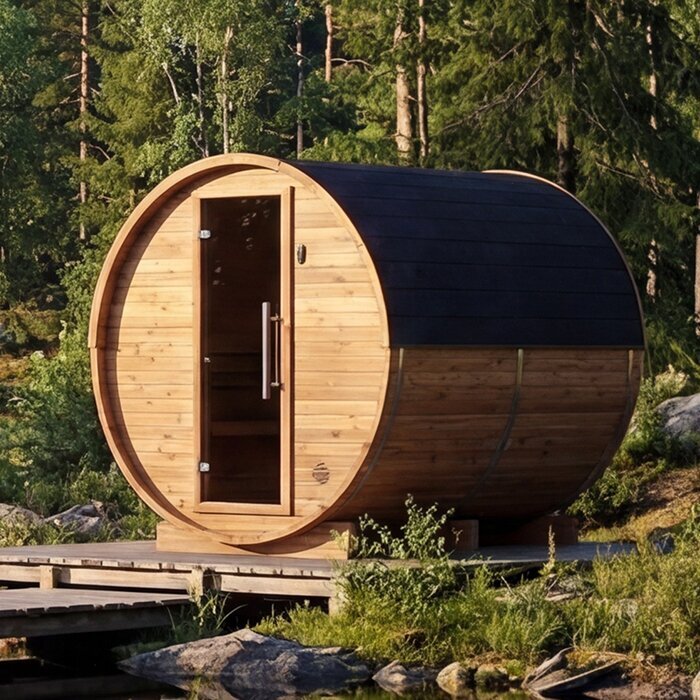
Electric heating removes the need to bring in and store firewood, but it does not remove the need to check the electrical setup and follow the heater’s care instructions. If the LC-260 Thermowood Barrel Sauna is on your shortlist, include fuel storage in your plan only if you select a wood-fired configuration. Think beyond the storage space itself: consider the carrying route, how you will replenish the supply and whether access remains practical in the conditions when you expect to use the sauna. These recurring jobs belong in the comparison, even though they happen outside the cabin.
Fit the heater to your schedule
Frequency changes how burdensome each routine feels. If you expect to use the sauna often and have limited time at each visit, the controls of a suitable electric setup may be easier to work into the day, though warm-up still needs to be planned. If use is occasional and you have time to prepare, making a wood fire may fit comfortably into the outing. These are tendencies, not guarantees: the heater’s controls, the cabin and your schedule all matter. Compare a normal weekday with a relaxed day off, and notice which preparation you would willingly repeat. Judge the routine at the time you are most likely to use it.
Changes of plan are worth considering as well. Who will handle the heater if a session is delayed or cancelled after warm-up has begun? How will responsibilities be handed over if one person starts the sauna and another uses it later? Use the equipment’s operating guidance to agree on a household routine for those situations. Then list the tasks from deciding to use the sauna through clean-up and, if applicable, fuel restocking. A task that nobody can reliably take on may matter more to your choice than whether it sounds easy in isolation. Compare the routine your household can maintain, not just its best-case version.
What to confirm before choosing a heater
Confirm the cabin-and-heater pairing before judging convenience. Check the exact heater model, included control, operating manual and cabin drawings, and establish whether the selected combination meets the manufacturers’ requirements. Electric equipment needs an appropriate electrical service; a wood-fired installation involves the stove, chimney or flue, clearances and other details specified for that equipment. These are not calculations to guess from a product name. Have a qualified electrician or relevant installer review the requirements, and ask an appropriate local professional about requirements for your site. You cannot assess the daily routine accurately until you know what configuration is actually being considered.
Then ask questions tied to the tasks in this guide: How is the unit started? How much advance planning does this setup need? What attention does it require during use? What must be cleaned afterwards, and what fuel storage is needed if it burns wood? Check what the current local package includes and which manuals apply; do not assume a heater or control is part of a cabin listing. Compare the answers with your schedule and available storage rather than relying on a general summary of electric or wood-fired heating. A practical checklist is more useful than assuming every sauna of one type follows the same routine.
Frequently asked questions
Does an electric sauna heat up faster than a wood-fired sauna?
Not automatically. Warm-up depends on the cabin, heater, starting conditions and operating method, as well as weather where relevant. An electric heater still needs time to warm the sauna; a wood-fired heater needs time for the fire to establish and the cabin to warm. Compare instructions for the specific equipment rather than relying on a general estimate.
Does a wood-fired sauna need tending during use?
Wood-fired use involves managing the fire, but the required checks depend on the stove and its instructions. Plan for someone to handle start-up and any monitoring the manufacturer specifies. It is more hands-on than a control-led routine, but not every stove follows the same tending schedule.
Is an electric sauna easier to clean?
It avoids firebox ash, which removes one clean-up task. The cabin still needs the care specified by its maker, and an electric heater still has its own maintenance instructions. For a wood-fired heater, follow the stove manual to find out whether ash removal is needed and when.
Can I set an electric sauna to turn on before I get home?
That depends on the exact heater and controller. Some controls may offer timer functions; others may not. Check the specific equipment’s manual and use a pre-set start only if its instructions allow it. Do not assume a feature is included just because the heater is electric.
Where should I store firewood for a sauna heater?
Choose a practical place that keeps the fuel in the condition the stove maker requires and follows its storage and siting instructions. Consider the route for carrying and restocking wood, and ask a qualified professional if you are unsure about the heater’s requirements. An electric setup does not need firewood storage.
Electric heating generally suits people who prefer using controls to managing a fire, provided the equipment and electrical requirements suit the site. Wood-fired heating may fit better if preparing and tending the fire is a part of the experience you enjoy and you have space for fuel. Consider warm-up, attention during use, clean-up and storage together. The better choice is the heater-and-cabin combination whose recurring tasks fit your ordinary week.
