
Outdoor Sauna Costs: Plan the Full Installation Budget
Outdoor sauna budgeting
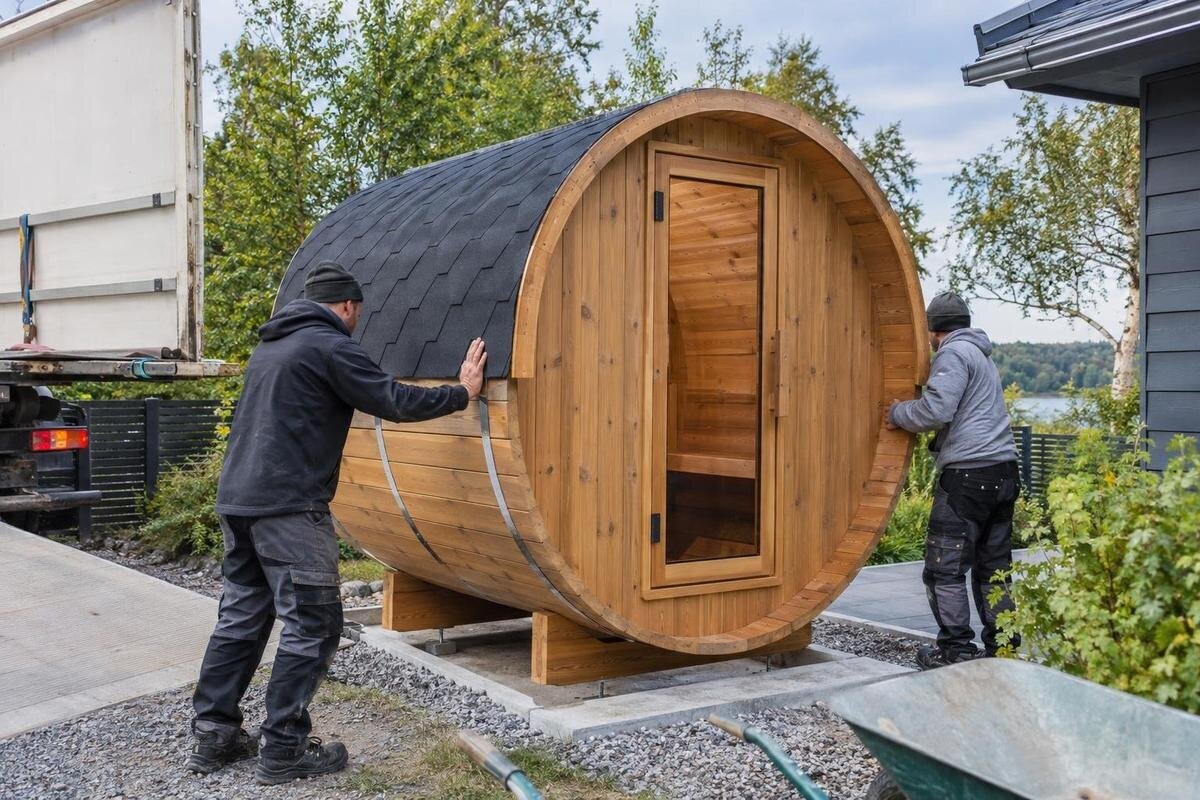
An outdoor sauna’s advertised cabin price is only one line in the project. The installed total can also include a chosen heater, a suitable base and any site work, service connections, transport, unloading, assembly and local fees or taxes. The final amount depends on the exact configuration, property access and local trades, so a cabin-only figure cannot describe every project. Build your budget from current written quotes: separate confirmed amounts from allowances and items not yet assessed. That makes it easier to compare offers and identify what is still missing before you commit.
What to include in the installation budget
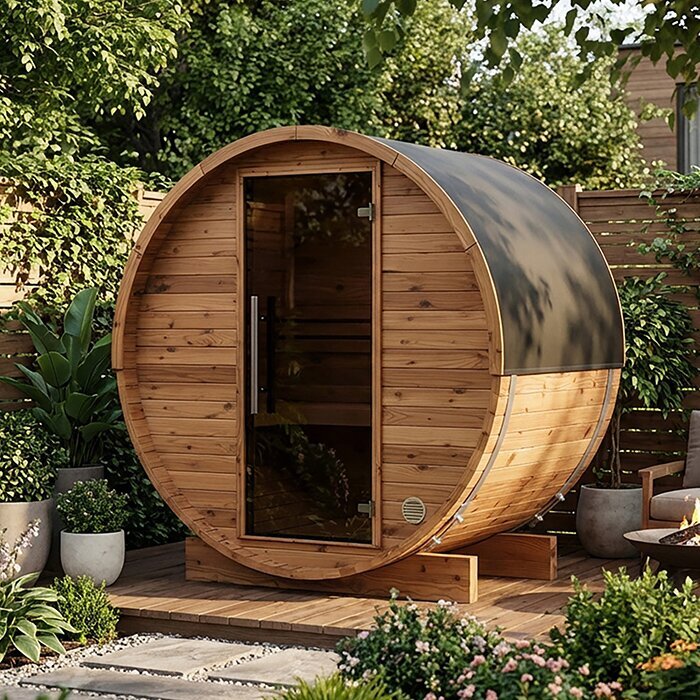
Treat the project as a list of deliverables, not a cabin sticker price. A useful upfront total has separate lines for the sauna cabin; selected heater and items not included; base and site preparation; service connections; delivery and unloading; assembly and installation; finishing or cleanup; and any confirmed local fees and taxes. Add the lines only after checking whether a package already bundles a heater, delivery or assembly. Otherwise, the same work may be counted twice. This list also shows whether a product quote stops at the cabin or covers a wider installation scope. Record who is responsible for each task; an unassigned job can be missing from every quote.
Start each quote with the same model, configuration and installation address. The Thermowood Barrel Sauna N-250 listing can identify a catalogue model, but the page name alone does not establish which heater, base, delivery or assembly items are included. Ask the seller to state the selected configuration and each inclusion or exclusion in writing. Mark every amount as a quoted price, an allowance or not yet priced; an allowance is not a confirmed final amount. If work remains unassessed, note who will price it, what information they need and when they can provide an updated amount. Ask whether any line depends on a later site visit.
Price the cabin and heater configuration together
The cabin choice sets the reference point for several other prices. Confirm the exact model and supplied configuration first, then ask which heater is selected, whether it is included, and what controls or other components are in the package. Do not compare one supplier’s cabin-only figure with another’s cabin-and-heater figure. A product name or photograph does not settle package contents, and optional changes can move the total. Ask for the quoted configuration to be listed item by item, including any options you have selected, rather than relying on a broad phrase such as complete sauna. Have the seller explain whether a requested option changes the delivery or assembly scope.
Keep the heater decision in the upfront budget even if a seller quotes it separately. Establish whether the cabin supplier or another contractor supplies it and who checks compatibility against current manufacturer documentation. When requesting a quote for the LC-260 sauna, identify the selected heater and cabin options rather than relying on the model name to define the package. Give the same configuration details to everyone pricing the project. If the supplier and installer quote different configurations, have them resolve the difference before you add their figures. Otherwise, your apparent total may combine prices for equipment and work that do not match.
Check what the heater quote covers
Ask for a separate written amount for the selected heater and a clear list of what that amount includes. Depending on the chosen heating approach, a quote may need to account for controls, manufacturer-specified protective components, or chimney and flue parts; include only items identified for the actual configuration. Do not assume that a pictured component, accessory or control is included. If there are multiple heater options, request a complete estimate for each one, with the heater model, included parts and installation scope named. If quotes use different heating approaches, compare the full equipment and installation scopes rather than the heater prices alone.
For an electric option, clarify whether the supplier’s amount covers equipment only or includes electrical labour; for a wood-fired option, ask whether it covers the appliance, relevant flue parts and installation. Have a qualified installer check the scope against current manufacturer instructions and site conditions. If you are pricing the HCF-300 sauna, identify it on the estimate alongside the selected heater, while keeping heater and connection work as separate lines unless the quote explicitly bundles them. A package label does not establish which trades or connections are included. If another company supplies an item, ask who coordinates its delivery and installation.
Get a site-specific quote for the base
Base and site preparation are property-specific costs, not a universal add-on. Ask the sauna supplier for the support and site requirements in its current drawing or manual, then have the person quoting the base price the actual site against those requirements. The work may involve preparing the chosen area, dealing with existing surface or ground conditions, access for equipment, or removing material; which tasks apply depends on the property and agreed design. Request separate prices for the base and preliminary work so a cabin quote does not conceal a major site allowance. Ask whether a site visit is needed before the price can be confirmed, and whether that visit has a separate charge.
Before accepting the base quote, compare exactly what it covers: site visit, materials, labour, specified ground work, any required drainage measures, disposal and clean-up. Ask whether unknown ground conditions are included or left as a provisional amount, and what would cause a revision. Use the LCF-300 model listing to identify the unit you are discussing, then request its current manufacturer drawing and installation requirements; do not derive a base size or construction method from a product photograph or model name. Have the sauna supplier and base contractor work from the same documents, and check whether the site quote assumes any preparation by you before delivery.
Include delivery, unloading and access
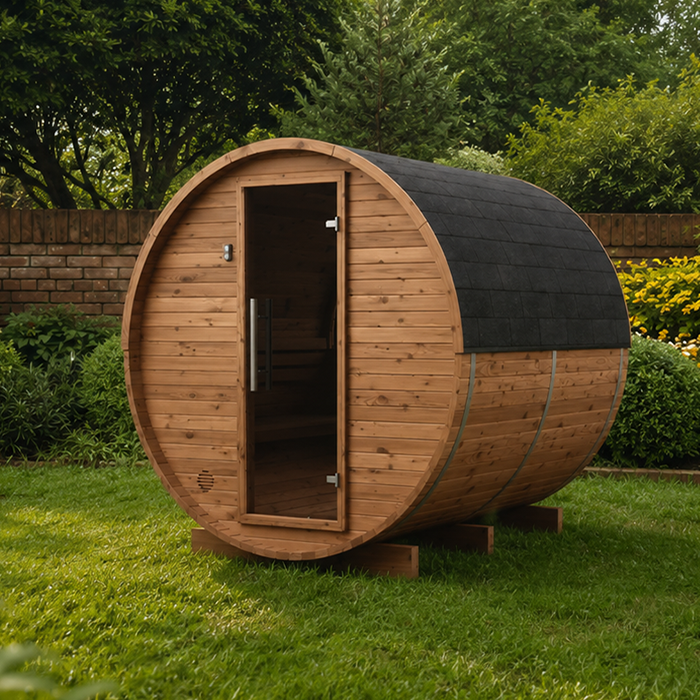
Delivery pricing depends on how far the carrier’s responsibility extends. Ask whether the amount covers transport to your address, unloading, moving the sauna to its intended location, packaging removal or special handling. Confirm who supplies equipment and labour for unloading, whether a crane or another access arrangement is excluded, and whether separate travel charges apply. These are scope questions, not assumptions about what a delivery service normally includes. A written answer prevents a low delivery figure from being mistaken for full placement and shows whether another contractor must be booked. Ask where the carrier’s responsibility ends and who takes over from that point.
Give the seller or carrier the installation address and a candid account of the route: driveway surface, gates, steps, slopes, overhead obstructions and distance from the drop-off point to the site. Ask for packed dimensions, weight and delivery format from current shipping information before anyone assesses access; the model name or online image cannot answer that. Include the S-140 product page as the exact item reference in your delivery enquiry and request a cost for the actual drop-off plan. If route details have not been reviewed, record delivery as an allowance, not a confirmed total. Photos or a site visit can help the carrier assess the route; ask what information it needs and request written confirmation that the plan has been considered.
Quote electrical or wood-heater work separately
Connection costs should be quoted separately from the heater purchase. An electric heater may require electrical work between the existing supply and the sauna, and the scope cannot be priced reliably from the cabin model alone. Ask a qualified local electrician to assess the actual equipment, property supply, proposed route and any work they consider necessary; request a written quote that names exclusions and outstanding assessments. Do not assume the present panel, wiring or outdoor route is adequate, or treat a product listing as an electrical design. If the assessment identifies more work, ask for an updated quote before authorizing it. Include any separately quoted professional visit or assessment fee.
If choosing a wood-fired heater, ask the supplier and qualified installer to list the heater, flue or chimney components, installation labour and any site-specific work called for by the manufacturer instructions. Confirm with the appropriate local authority or qualified professional whether a review, inspection or other local requirement affects the quote; do not assume those amounts are included. For a project involving the HC-150 sauna, give the installer both the cabin reference and the selected heater details so the estimate covers the intended combination. Keep connection and installation costs distinct from the cabin price. If different trades are involved, ask how their site visits and responsibilities will be coordinated.
Separate assembly from other installation work
Sauna assembly is a different line from product delivery and from connecting a heater. Ask whether the seller supplies a kit for owner assembly or offers separately priced assembly, and spell out who carries out each part. A labour quote should say what the crew assembles, whether travel and materials are included, who prepares the site, and what is left for an electrician or heater installer. Avoid describing a job simply as installed unless the provider defines that word. Your project budget should not allocate the same task to two contractors or assume a cabin assembly price includes utility connections. Ask whether the quote is based on a site visit or on information you supplied, and who checks the delivery condition before assembly.
Ask what happens if the crew finds a missing component, shipment damage or a site condition outside the agreed scope, and how extra work is approved before it proceeds. Confirm who removes packaging and job debris, whether any exterior treatment or other finish is included if the model instructions call for it, and what handover records you will receive. These details affect both the price and the work left for you to organize. An assembly quote for the HC-225 sauna should refer to its current instructions and selected configuration, not just the catalogue name. Confirm whether clean-up, return visits or corrections are included or billed separately, and which contractor is responsible for each.
Confirm local fees and tax treatment
Keep local approvals, inspections and professional fees as separate, unconfirmed budget lines until you verify what applies to the site and chosen installation. Contact the municipality or other relevant local authority, and ask the sauna supplier or tradesperson which plans, inspections or reviews they have included. Requirements and charges can depend on location and project, so a general estimate is not a substitute for a local answer. Do not assume a contractor’s installation price includes fees paid to a third party. Write down who will arrange any required review and whether its cost already appears in another quote. Ask whether a professional consultation or assessment has its own fee.
Ask each supplier whether its written amount includes applicable sales taxes and whether disposal or inspection costs are billed separately. Compare totals on the same basis instead of adding a tax amount twice or overlooking one that is excluded. When requesting a current quote for the N-210 sauna, ask for product, delivery and installation amounts to be separated; a product page is not an installed-price commitment. Keep the date and validity period beside each quote because supplier prices can change, and request an updated amount before approving the project. Record any third-party fee separately until it is confirmed.
Compare written quotes on the same basis
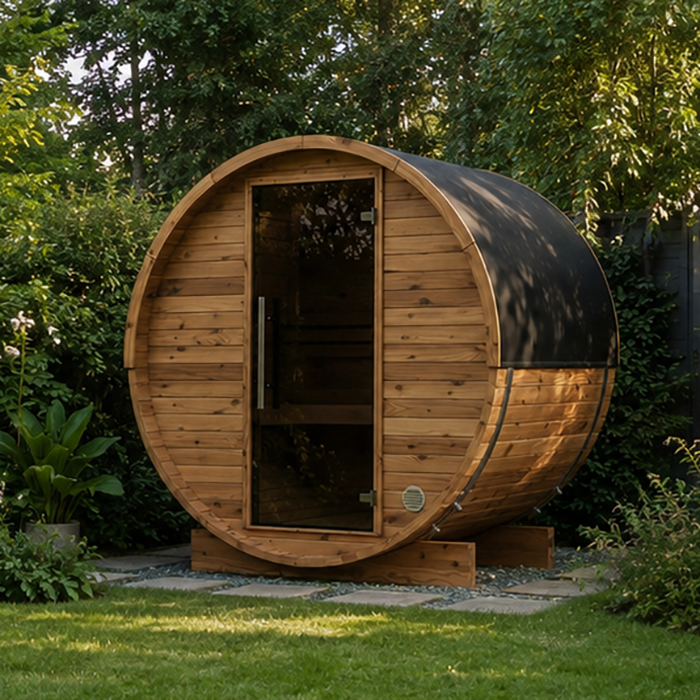
Use one comparison sheet with a row for each project component and a column for each supplier or trade. Enter bundled prices with their included work clearly identified, rather than dividing them into amounts the supplier has not provided. Beside each row, mark whether the amount is confirmed, an allowance, excluded or waiting for a site assessment. Also note who is responsible for ordering, scheduling and completing the work. This is especially useful when one company supplies the sauna but separate local contractors handle site and utility work. Keep the quoted scope beside the amount so you can see whether competing figures cover the same tasks.
Before choosing a quote, reconcile its assumptions with the others: model and options, delivery destination, access, base scope, connection work, taxes and exclusions. Ask whether a line could change after a site visit, what information would settle it, and how additional work is approved. Add confirmed amounts and visible allowances without treating an unpriced item as zero. If important site details remain unknown, set a separate contingency allowance that reflects those uncertainties; decide its size with your project team rather than applying an unsupported standard percentage. Keep the reserve outside the supplier’s quoted total. Note the quote’s validity and payment terms separately, since the timing of payments is distinct from the total project cost.
Keep running expenses out of the installation total
Keep operating costs out of the one-time installation total. Electricity or firewood, routine care, replacement items and any ongoing service belong in a separate recurring budget. Their amounts depend on the heater, how often it is used, local energy or fuel rates and care needs; those questions require their own current evidence. A cabin purchase quote cannot answer them. Separating the ledgers avoids skewing an upfront comparison with assumptions about years of use and shows what you will pay to acquire and install the sauna versus what it may cost to run later. Do not include an assumed annual amount in the project subtotal.
Keep the installation budget and recurring-cost budget as separate records when you update them. If a quote changes after a site assessment, revise the relevant installation line rather than folding the difference into another category. Retain the earlier quote and its replacement so you can trace both the price change and any change in scope. Leave unresolved installation costs visible until the responsible supplier or qualified trade prices them; an estimate for future energy or fuel use does not resolve those gaps. Your final project total should show the one-time cost of the agreed installation, with any remaining allowances clearly identified.
Frequently asked questions
Does a sauna product price include installation?
Not necessarily. A product price may cover the sauna itself rather than the work needed to install it. Ask for a written scope that names the cabin and heater, then lists the base, connections, delivery, unloading, assembly, local fees and taxes. Keep anything excluded or not yet assessed as a separate budget line.
Which project costs should I check for?
Check the heater and its stated inclusions, site preparation, the base, utility work, delivery and unloading, assembly, finishing, and any locally applicable fees or taxes. These are items to confirm, not charges that apply to every project. Ask each supplier to mark what is included, excluded or still awaiting a quote.
Should the base be priced separately?
Yes. Request the sauna supplier’s current site requirements, then ask for a base and preparation quote based on your property. Confirm whether it covers assessment, materials, labour, any specified ground work, disposal and clean-up. If site conditions have not been assessed, record that cost as pending rather than assuming it is zero.
Is delivery included with assembly?
Do not assume so. Delivery, unloading, moving the sauna to its intended location and assembly may be separate parts of the scope. Ask who handles each stage, what equipment and labour are included, and whether the carrier has reviewed the access route and current shipping details.
What if a contractor cannot price a line yet?
Mark it as pending or an allowance, not as a confirmed amount or zero. Record who will assess it, what site or configuration information they need, and when they expect to provide an updated written quote. Keep any contingency separate from both confirmed costs and recurring energy or fuel expenses.
Budgeting for an outdoor sauna means pricing the cabin and every part required to put it in place: heater, base, site preparation, service connections, transport, unloading, assembly and local charges. Request itemized, current quotes tied to the exact model and property, and distinguish quoted amounts from allowances and exclusions. Keep energy, fuel and upkeep in a separate ledger. With each line visible, you can compare the real scope of competing offers without mistaking a cabin-only figure for the cost of an installed project.
