
Insulated or Uninsulated Outdoor Sauna: Practical Differences
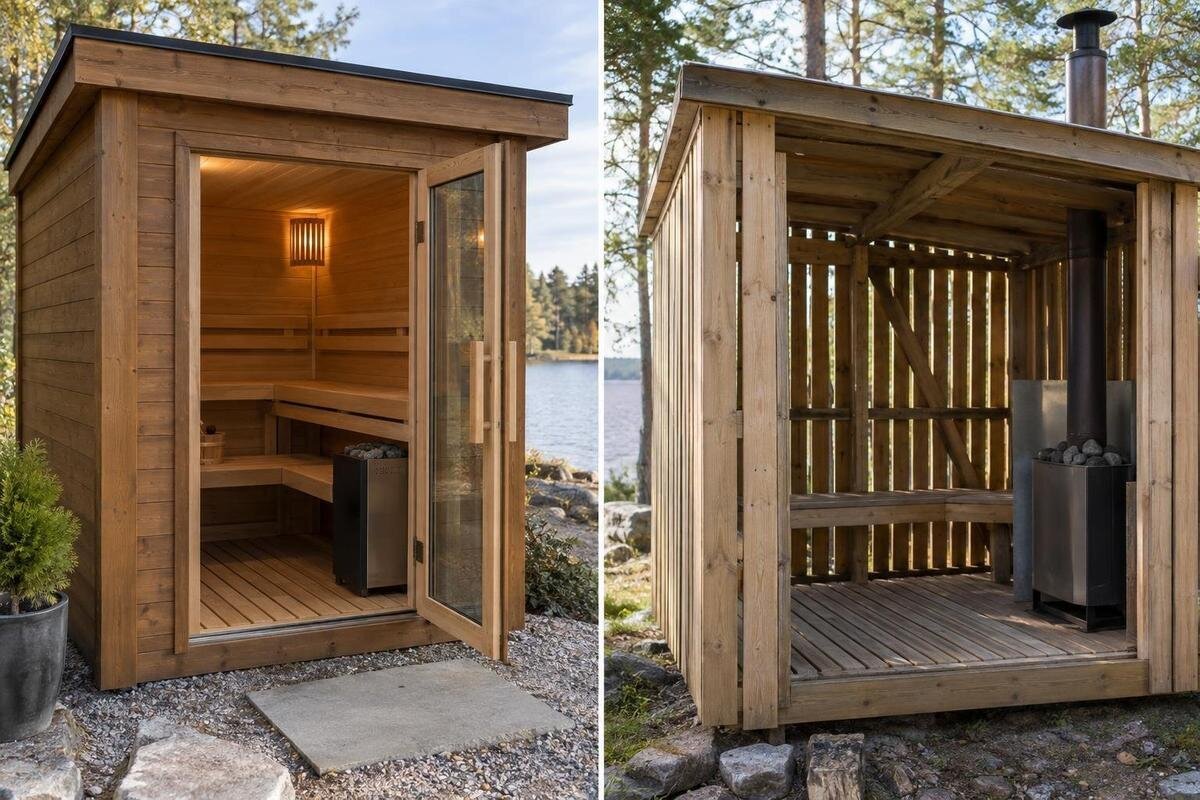
Outdoor sauna buying guide
Insulation is only one part of an outdoor sauna’s construction. A cabin may be described as insulated, but the word alone does not tell you which parts have a thermal layer, how doors and joints are detailed, or whether ventilation and moisture control are designed for the same assembly. Timber treatment answers a different question. Compare the documented whole building against your site, how often you plan to use the sauna, and how you expect it to operate.
01
What insulation means in a sauna
Insulation is material within a building assembly that slows heat transfer. In an outdoor sauna, it may be specified for exterior walls and the roof, and sometimes for the floor; the inner lining and outer cladding are separate layers. Because the hot room is heated above outdoor conditions, insulation can affect heat leaving through covered surfaces, but its benefit depends on how the entire enclosure is made. “Insulated” is therefore not a complete construction description: it does not say which surfaces are covered, what the layers are, or how they meet. The same label could refer to selected parts or a broader envelope, so scope matters. Ask for a model-specific section drawing or written assembly description rather than judging by visible timber.
Check whether the stated construction applies to the exact version you are considering, rather than a related cabin or an optional upgrade. A model name such as the HC-225 sauna listing identifies a product, but cannot establish what is inside its walls, roof or floor. Record which surfaces are insulated and whether doors or windows are included in the description. Ask how corners, wall-to-roof junctions and the floor perimeter are constructed, since these are where separate components meet. Keep standard features and optional layers clearly separated in your notes. This gives you a usable description of the assembly instead of a single insulated-or-uninsulated label.
Heat loss depends on the whole envelope
Heat leaves by more than one route. It moves through solid surfaces, while uncontrolled air movement at door seals, panel joints and service openings can let warm air escape and colder air enter. Insulation slows heat transfer through the material it covers; it does not automatically seal gaps. Heat flow through a layer and air leakage are different issues, so ask whether any published performance claim describes the insulation material or the finished cabin. A well-insulated panel beside a poorly detailed junction may not perform as expected. This is why whole-building construction matters more than a single wall specification.
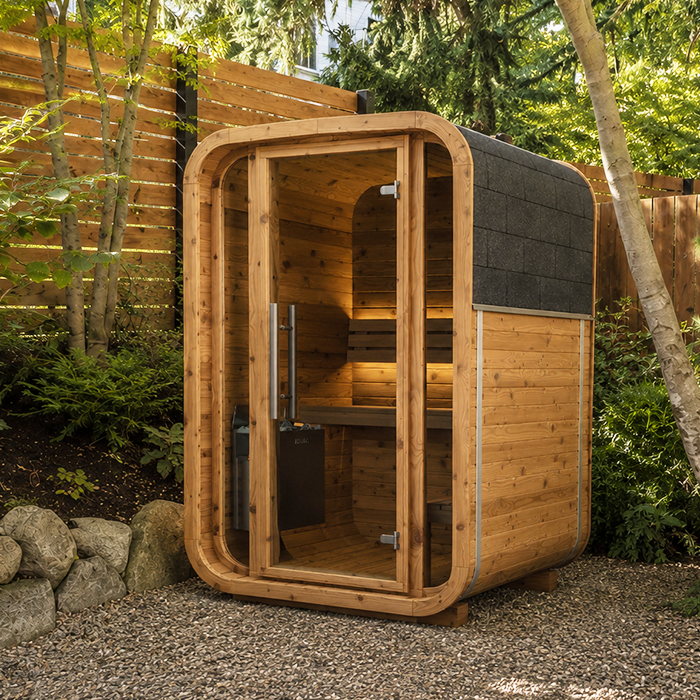
Use the drawing to follow the enclosure around the roof, floor, door and any windows, including their frames and junctions. A stated wall layer does not tell you what happens at the threshold or glazing edges, and opening a door changes conditions inside. When comparing the N-210 product page with another option, consider these details alongside the wall specification once they are confirmed for each configuration. Ask how doors are sealed and what the assembly assumes about installation. Distinguish deliberate ventilation openings from unintended air leaks: they have different functions and should not both be treated as gaps to seal. Photographs cannot show every junction.
02
Where an uninsulated design may fit
An uninsulated cabin can be a reasonable choice when its documented design and heater are intended for the way you plan to use it. Someone using a sauna occasionally, mainly in milder periods, may put less weight on slowing heat loss than a household heating the cabin often through colder weather. A simpler envelope may also have fewer layers to understand, but that does not prove a lower purchase price, easier repairs or less upkeep; those depend on the construction and the seller’s documentation. Ask the manufacturer what conditions the design is intended for and whether your usual schedule—one visit, several visits or repeated starts—fits that guidance. Include the time and effort involved in heating between visits when judging comfort.
Consider the trade-off when sessions are brief, starts are frequent or the cabin is exposed to cold wind. More heat may escape through a less insulated enclosure, which can affect warm-up and energy demand, although no universal outcome follows from the label. If the N-250 catalogue listing is on your shortlist, compare its confirmed construction and heater pairing against your expected routine rather than assuming an operating cost. Think about how often you will heat the cabin from cold and whether it will remain in use between visits. The same construction could be practical for occasional use yet inconvenient for someone who expects frequent sessions with little preparation.
When insulation deserves closer attention
Insulation may deserve closer attention when you expect frequent use through colder conditions, several heating cycles or longer periods with the room at temperature. By slowing heat transfer through the surfaces it covers, it can help limit heat loss compared with an otherwise similar uninsulated assembly. That does not promise a particular warm-up time or lower bill. Cabin volume, air leakage, windows, heater selection and controls, outdoor conditions, and starting temperature all affect the result. The practical question is whether a specified layer addresses a real use pattern, not whether every outdoor sauna benefits equally from added insulation. Ask what the complete design is intended to do.
Separate warm-up from heat retention during use. A single long visit differs from several short sessions with doors opening between them, and a cabin beginning cold differs from one used again later. Ask for comparable information for the complete configurations you are weighing, including the specified heater and ventilation arrangement and the assumptions behind any estimate. Do not compare one model’s wall detail with another model’s broad claim or a heater estimate for a different cabin. Record your expected routine first so the comparison addresses the same question. An insulated sauna can still lose heat at openings and joints; an uninsulated design may suit a narrower but real pattern of use.
03
Timber treatment is separate from insulation
Exterior timber and insulation describe different parts of an outdoor sauna. Timber species or processing relates to the wood itself and the care guidance that comes with it; insulation is a layer within the wall, roof or floor assembly. A timber label does not automatically mean the cabin has insulation, and a thermal layer does not establish that the exterior wood suits every exposure or maintenance preference. Wood cladding also faces weather independently of heat retention. Do not use appearance, a product name or terms such as Thermowood or untreated as substitutes for construction and timber documentation. Ask for timber-care guidance separately, even when the thermal construction is fully documented.
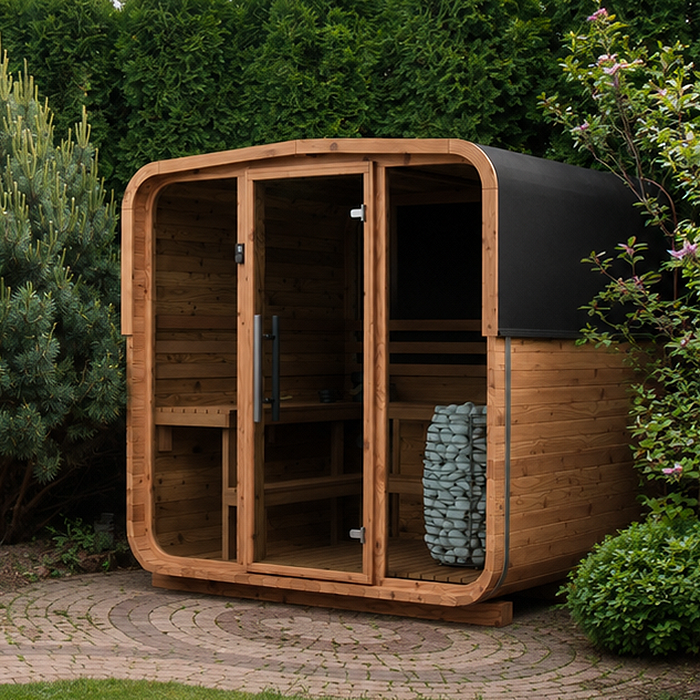
Ask what exterior material is specified, how it has been processed, whether a finish is included, and what care the maker requires. While reviewing the LC-260 Thermowood Barrel Sauna listing, keep those timber details separate from the description of any insulation layers. Follow the exact model manual for cleaning, drying, treatment and permitted coatings rather than choosing a finish solely by appearance. Coatings and repairs need to suit the specified wood and assembly; added layers can also affect access to components or how they dry. A useful comparison records both the exterior-care requirements and the thermal construction without treating either as evidence about the other.
Moisture and ventilation are part of the assembly
Insulation cannot be considered separately from moisture management. Sauna use introduces warm, humid air, and moisture can move through gaps and materials; if an assembly is not designed to manage it, dampness may harm finishes or wood over time. The right layers and junction details depend on the sauna design, so adding a generic membrane or filling a cavity is not a safe shortcut. Ask the manufacturer for the intended wall and ceiling build-up, where any moisture-control layers belong, and how the assembly is supposed to dry between uses. Pay attention to transitions between the ceiling, walls and floor, and request the manual’s guidance for airing and cleaning. A product label cannot answer these questions.
Ventilation provides the intended air exchange, while insulation and air sealing address heat flow and leakage through the enclosure; these are related but different functions. Blocking a vent to keep heat in, or adding insulation without following the specified construction, can change how the cabin manages moisture. For the HCF-300 model page, request ventilation guidance that matches the configuration under consideration. Confirm whether an aftermarket change is permitted before work begins, including how it would affect the existing layers and junctions. If a proposed alteration is custom or the construction details are unclear, have the manufacturer or a qualified sauna builder assess the assembly.
04
How site exposure changes the comparison
Your site changes the demands placed on an outdoor sauna. Wind can find weak joints, rain or melting snow can repeatedly wet exposed surfaces, and shade or cold starts may change how the cabin is used. Walk the proposed location at different times and after ordinary weather. Note wind exposure, splashback, roof runoff, snow storage and drainage, including where water flows away from the building. Consider whether the entrance will remain accessible after snow or rain and whether you can reach the exterior for routine care. These observations do not prove a product will fail; they identify relevant questions about exterior protection, roof construction, door sealing and the base.
Look closely at the floor and the area beneath it. A base that leaves the underside exposed can make the floor assembly relevant to your comparison, while water collecting nearby can complicate upkeep. Do not assume a slope or one foundation style determines the answer; follow the model manual and site conditions, and get qualified help where the base or drainage needs design. Use the LCF-300 sauna listing to request the applicable outdoor-installation guidance, including the relationship between the floor and its support. Compare that guidance with your proposed location rather than inferring base requirements or insulation from the model name. Keep unresolved site requirements separate from the cabin specification.
What documents make a fair comparison
Compare documents on the same basis. Ask for a drawing showing the complete wall, roof and floor construction, plus a written description of what is included in the standard configuration. If the maker publishes a performance figure, ask which assembly it describes, whether doors, windows and junctions are included, and whether it comes from a test or calculation. A number without its basis cannot rank two different cabins fairly. Keep documents for each model, size and set of options together. A brochure for an upgraded version should not stand in for the configuration you would purchase, and a figure for one component should not be presented as the performance of the entire cabin.
Confirm the specified heater, controls and ventilation arrangement before comparing energy or comfort statements; their suitability depends on the complete configuration. For the S-140 sauna product page, check the current manual and included features against the version you would order. Establish whether any insulation is factory installed, an optional package or work completed on site, and who is responsible for joints and finishing when layers are added. Separate supplied components from items that must be sourced or installed independently. Verify local availability and configuration before treating an option as ready to order. Keep the written answers with the matching drawings so you can compare what each purchase actually includes.
05
Energy use, running costs and ongoing care
Insulation can affect energy demand, but its label cannot tell you how much electricity a sauna will use. Consumption depends on heat escaping through the whole assembly, the heater and controls, outdoor conditions, and how often and how long you heat the cabin. Local energy rates determine the cost of that consumption. For a useful estimate, compare manufacturer information for complete configurations and ask the heater supplier or installer to review the proposed pairing. Keep running costs separate from purchase and site costs. A claimed energy reduction is only useful for comparison when the cabin size, use pattern, weather assumptions and heater basis are comparable; otherwise, leave the saving unknown.
Consider care and repair as well as energy. A layered wall has components whose locations and maintenance instructions should be documented; an uninsulated timber shell may still need exterior attention. Neither description guarantees lower upkeep. Ask which surfaces need inspection, what signs of water entry or damage the manual identifies, and whether replacement parts or repair instructions are available. Review the cleaning and drying routine after normal use, and make sure there is access around the building to carry it out. Consider both everyday care and the ability to reach components for repair. A design you can inspect and maintain in your setting may matter more over time than the insulation label alone.
Match the construction to your routine
Set out your use pattern before choosing: expected season, frequency of visits, typical time in the room, how long you are prepared to wait after a cold start, and how exposed the site is. Then compare insulated and uninsulated options in a similar size range, with the heater, openings, floor and ventilation specified. Configuration changes—such as different glazing or a different door—can affect the comparison, so avoid transferring performance claims across versions. If the HC-150 sauna product page is among your options, assess the confirmed configuration against those same priorities. Note which trade-offs you are prepared to accept, such as more preparation before use, a more complex assembly or a maintenance routine that requires more attention.
An uninsulated design may be the practical match if its documented construction suits your conditions and you accept its operating trade-offs. Insulation is more compelling when a complete assembly is documented and the expected use makes limiting heat loss valuable; it is not a substitute for sound joints, moisture management or suitable ventilation. If either option leaves details unanswered, ask what the maker can confirm before choosing. A comparison that leaves a genuine unknown marked as unknown is better than assuming one category always wins. Choose the building and maintenance plan that make sense together.
Frequently asked questions
Does an insulated outdoor sauna always heat up faster?
No. Insulation can slow heat loss through the surfaces it covers, but warm-up also depends on the cabin, its openings and joints, the heater, controls and starting conditions. Compare complete, documented configurations with their specified heaters rather than relying on the insulation label alone.
Can an uninsulated outdoor sauna be used in cold weather?
Possibly, if the manufacturer documents that the specific design and heater suit the conditions you expect. Cold and wind can affect heat loss and operating demand, so there is no universal yes-or-no answer. Ask for the model’s intended use and decide whether its operating trade-offs suit your routine.
Does Thermowood mean the sauna is insulated?
No. A timber name or processing description does not tell you which parts of the sauna have insulation. Ask separately for the wall, roof and floor construction, and for the care instructions that apply to the exterior timber.
Should an outdoor sauna’s floor be insulated?
Floor construction varies by design and site. Ask whether floor insulation is included and how the specified floor and base work together. A wall specification does not establish what is under the floor; use the exact model’s documents rather than assuming all surfaces are built alike.
Can I add insulation to an existing sauna?
Do not treat it as a simple add-on. Altering layers can affect moisture management, ventilation and how parts of the building meet. Ask the manufacturer whether a change is permitted and request design guidance; for a custom modification, have a qualified sauna builder assess the assembly.
Choose by the construction you can verify and the routine you actually expect to follow. Insulation may be important for one site and schedule, while an uninsulated design may suit another; neither label replaces details about the complete envelope, ventilation, heater pairing and care. The strongest comparison leaves you clear about what is built, how it should be used and what maintenance it needs.
