
How Much Outdoor Sauna Maintenance Should You Expect?
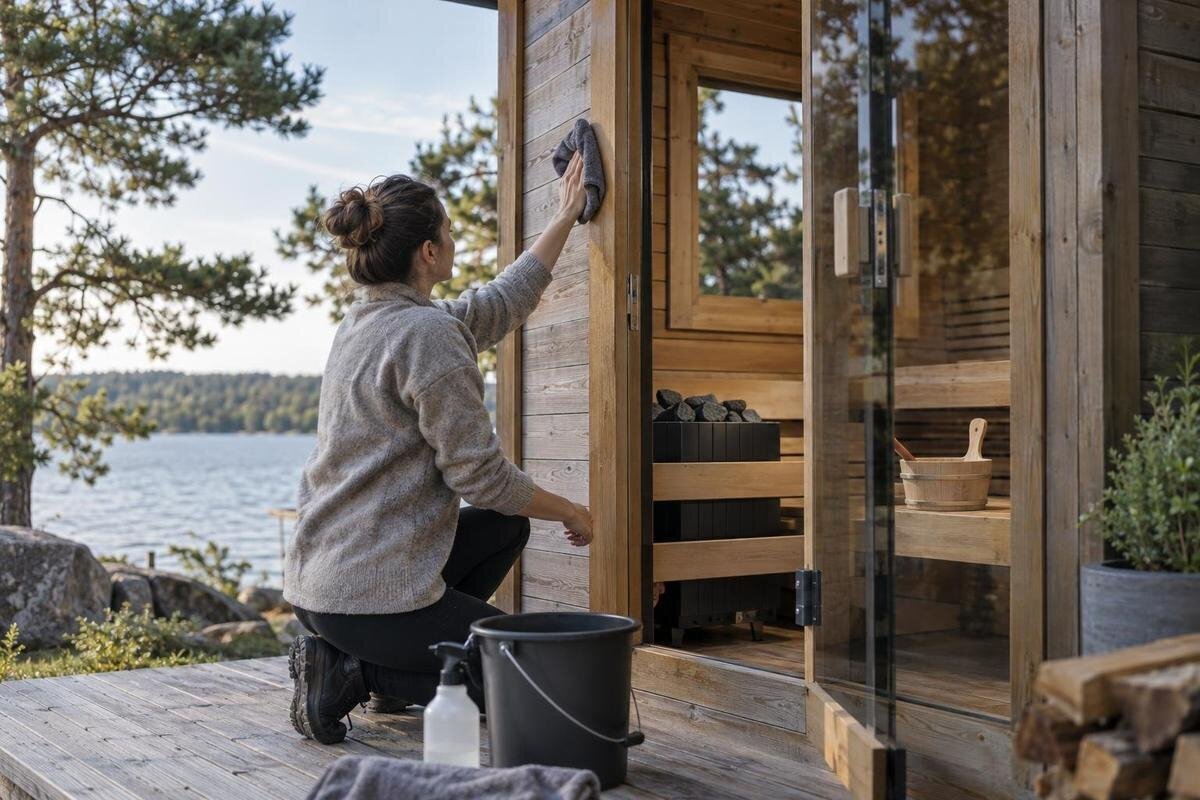
Outdoor sauna care
An outdoor sauna isn’t maintenance-free, but care is usually a mix of routine cleaning, moisture management, visual checks and model-specific equipment service. The time required depends on the sauna’s construction and finish, heater, site exposure and how often it is used. Rain, snow, wind-blown debris and nearby vegetation can add work, while the drying procedure depends on the design. The soundest estimate comes from current instructions for the model and installed components—not a universal checklist or the product category name.

What outdoor sauna maintenance includes
Think of upkeep in four buckets: interior cleaning, drying and ventilation after use, checks of the exterior and nearby site, and model-specific care of the heater or controls. They do not all occur at the same pace. Wiping up a spill is a use-related task; examining the outside takes less frequent attention; equipment work follows the maker’s instructions and may call for a qualified technician. A single annual hour estimate would hide those differences. A frequently used sauna in a wet, exposed spot has a different cleaning and inspection pattern from one used occasionally in a sheltered, well-drained setting. Use these categories when asking what “low maintenance” means, since that phrase alone does not identify tasks or intervals.
Also separate what came with the sauna from anything added later. A cover, steps, flooring, landscaping or a separately selected heater can introduce care instructions of its own; do not assume an accessory, finish or treatment is included because it is common on another model. When considering the Thermowood Barrel Sauna S-140, ask which components are included and request the care instructions for each one. Note approved cleaning products, prescribed maintenance, warning signs and the service contact. This gives you a task list for the configuration you would actually own, rather than an estimate based on accessories or equipment shown with a different sauna.
Cleaning the interior after use
After a session, first follow the maker’s directions for ventilation and for when it is safe to handle surfaces. Remove loose dirt and visible water or spills using only the method approved for that interior. Pay attention to benches, floor areas and corners where damp towels, droplets or grit may collect; if a floor mat or another item is designed to be moved, clean it as its own instructions allow. Use a clean, soft cloth or tool if the manual permits it, so grit does not scratch a surface. The aim is to leave the interior clean without soaking the wood or introducing unapproved chemicals. A short routine is usually easier than letting residue build up.
How often a full wipe-down is needed depends on traffic: several users, back-to-back sessions or a spill may call for more attention than a short, clean visit. Look for residue, marks, loose debris and changes to the surface rather than applying a guessed weekly schedule. Avoid assuming a general-purpose disinfectant, detergent, oil or abrasive pad is safe in a heated room; residue and finish compatibility matter. When reviewing the Sauna HC-150 product page, ask which cleaning products and tools are approved for its interior. If a mark remains or the surface changes after cleaning, stop experimenting and seek advice about the appropriate treatment. Keeping gritty footwear out when practical can also limit what reaches the floor.
Moisture, ventilation and drying
Managing moisture after a session is part of sauna care. Use the ventilation and drying procedure specified for the exact cabin, including directions for doors or vents where provided. Do not assume every model needs the same openings left in the same position or the same drying time: vent design, internal layout, ambient humidity and weather can vary. If water is left on a surface, handle it only as directed, and follow the manual’s instructions before closing the cabin or using it again. Allow for these tasks when planning each visit, rather than treating them as a separate chore to remember later. The goal is to follow the design’s instructions, not to impose a drying routine that may not suit the model.
Watch for signs that ordinary drying may not be enough, such as recurring condensation, water collecting where it should not, a persistent damp odour or patches that return after following the manufacturer’s steps. A lingering odour is a reason to investigate, not simply cover it with fragrance. Check for an obvious obstruction only from an accessible, safe position, but do not seal a vent or add a fan as a guess; changes can conflict with the designed airflow. If you are considering the Thermowood Barrel Sauna HC-225, ask how its ventilation and drying routine works. If moisture problems arise during ownership and the source is unclear, have the supplier or a qualified installer assess them.
Exterior finish and weather exposure
Exterior upkeep is shaped by what the sauna faces. Sunlight, precipitation, wind-blown grit, leaves and splash from nearby ground can soil or weather exposed surfaces; surrounding vegetation can also change how much debris collects and how quickly surfaces dry. Look over the outside for dirt that needs removal, changes in the finish, cracks or parts that appear loose or damaged. Clear loose leaves and debris using a method the manufacturer permits; do not assume scraping or pressure-washing is suitable. After precipitation, note whether moisture lingers against exposed areas. A visual check after unusual weather is useful, but it does not create a universal repair schedule.
Before applying stain, oil, paint, sealant or a cleaning chemical, confirm that the actual exterior finish is meant to receive it. Some products may be intended to remain untreated; others may have a specified treatment, preparation or renewal process. When comparing the Sauna N-210 listing with other options, ask about the supplied finish and its care requirements. Find out which surfaces can be treated, which products are compatible, whether the inside and outside have different rules, and what signs call for attention. These details help distinguish ordinary exterior cleaning from occasional finish maintenance. Do not coat a surface simply because another sauna uses that treatment.

Doors, seals, benches and visible wear
Keep checks simple and observational. Look over the door, its hinges and handle; notice whether it opens and closes normally without forcing it. Where a seal, window or other fitting is present, check for visible gaps, cracks, movement or damage. Inspect benches and walking surfaces for splinters, loose pieces or a change in stability. These observations can help you notice wear, but they are not a reason to tighten every fastener or adjust a door by trial and error. Use the manual for owner adjustments, and refer unusual movement or damaged components to the supplier or an experienced installer.
Keep a short record when something changes: the date, where the issue appeared, whether it followed heavy use or severe weather, and a photo if useful. A gradual shift in a gap or finish is easier to discuss with a technician when you can describe its history. If a door no longer works as expected, a board is cracked or a bench feels unstable, do not disguise it with a quick patch. Ask the maker what to do before using an affected part. For a model such as the Sauna N-250, ask about replacement components and who can fit them. Include the full model name when requesting assistance, since parts and adjustments are not necessarily interchangeable.
Heater and control maintenance
Treat the heater and controls as a separate maintenance system. Confirm whether the sauna has an electric, wood-fired or another type of heater, and whether that equipment is supplied with the cabin or selected separately; the instructions may come from different manufacturers. Follow the heater manual for owner-care tasks. Do not open electrical covers, alter wiring, bypass controls or attempt repairs beyond the stated owner tasks. Electrical fault diagnosis and service should be handled by a qualified professional. If the equipment shows damage, a warning or unusual operation, stop using it and consult the manufacturer or an appropriate service technician before using it again.
If the setup uses a wood-fired heater or chimney, its cleaning and inspection needs are specific to the appliance and installation. Ask the manufacturer and a qualified professional which tasks owners may do, which require service and what intervals the appliance’s instructions specify; do not borrow a schedule from a different stove. The same caution applies to heater stones or other components: follow a task only if the actual manual describes it. When considering the Sauna LC-260 model listing, confirm the heater configuration for your order and request its care instructions. This lets you account for equipment maintenance separately from cleaning and caring for the cabin.
Site conditions add their own upkeep
The area around the cabin contributes to maintenance. Leaves, needles and branches can collect against exterior surfaces; soil or paving that sends splash towards the base can leave extra dirt and moisture; and standing water near the installation deserves attention. Keep the area as clear as the installation instructions require and observe whether runoff drains away as intended. Do not dig, change the grade, add a barrier or redirect water beside the structure without checking with the installer. A change that seems cosmetic can affect the support or drainage arrangement, so site questions are not chores to solve by applying a coating to the sauna.
Ask for the manufacturer’s site drawings and the installer’s directions for the exact configuration. For the Sauna HCF-300, for example, request details about placement, required clearances, support requirements and how the surrounding area should be finished. A product photograph cannot answer those questions. A thaw, heavy rain or buildup of leaves may reveal drainage or access issues that were not obvious in dry weather. Note where water or debris collects and whether you can reach the areas that need attention. Have a qualified installer advise on corrections rather than guessing at a base or load requirement. These observations help you account for site upkeep as well as care of the sauna itself.
How use frequency changes the workload
Frequency of use mostly changes how often routine cleaning is needed. More sessions mean more chances for perspiration, water, dirt or spills to reach interior surfaces, so a tidy-up may be needed more often than after an occasional visit. The number of users, footwear and what people bring into the sauna can also make a difference. Base your routine on actual use, the manual and the condition of the surfaces—not an arbitrary number of sessions. If guests use the sauna, explain the basic care routine so a spill or wet item is dealt with promptly instead of being left for the next user to discover.
When a sauna sits unused, inspection matters more than session-by-session cleaning. Before returning it to regular use, check the interior and visible exterior for dust, leaves, moisture, insects or signs of damage, then follow the manufacturer’s drying and restart instructions. Extended shutdown procedures vary; do not assume a heater can be left on, a door should stay open or a control needs a particular setting while the sauna is unattended. If the Sauna LCF-300 listing is on your shortlist, ask for instructions covering periods of non-use as well as regular sessions. Include those tasks in your estimate if you expect gaps between visits.

Estimating your time and professional service needs
To estimate the time honestly, make a short task inventory instead of relying on one maintenance number. Separate the wipe-down done around sessions from exterior checks, site tidying and any heater work identified in the manual. For each task, note its trigger—visible soil, exposure after weather or a manufacturer instruction—rather than inventing a calendar interval. A simple log over your first months of ownership can show which chores actually recur in your setting and whether more frequent use changes them. The log is a planning aid, not a substitute for prescribed service intervals. This distinction keeps routine cleaning from being mistaken for a full technical inspection.
Also decide who will do each job. Many owners can handle ordinary cleaning and visual observations, but the manual may reserve certain adjustments or servicing for a qualified technician. Before buying, find out whether there is a service contact for the heater and controls, which components need specialist attention and whether service is available in your area; do not assume the sauna and heater share a provider. Include potential professional call-outs and approved cleaning supplies in your ownership budget. If a task is unclear, ask before purchase rather than discovering that it exceeds your tools, experience or comfort.
What to confirm before you buy
Request care documents for the exact model and configuration you intend to order. Useful questions include: what cleaner is approved for the interior, whether the exterior finish needs treatment, which methods could damage it, how the cabin should be dried, and which visible changes call for service. Ask for the heater’s instructions too, and confirm whether it is included or selected separately. Look for a clear distinction between tasks an owner can do and those requiring a professional. If only general category advice is available, treat your maintenance estimate as provisional until you can review the correct manuals.
Ask how removable items, accessories and replacement components are cared for, and whether the installation drawing has conditions for drainage, access or clearance that matter at your site. Confirm that the current local product page and order configuration match the model whose manual you receive; similar model names do not prove the same heater, finish or included parts. You do not need every future repair mapped out, but you should know how to get authoritative guidance and who can perform specialist work. Clear answers make it easier to judge whether the routine fits your time and location.
Frequently asked questions
How often should I clean an outdoor sauna?
Follow the manufacturer’s directions for each surface. Wipe spills and visible debris as needed, and expect to clean more often if the sauna gets frequent use or has several users. The manual, actual use and surface condition are better guides than a generic weekly or monthly interval.
Is a Thermowood sauna’s exterior maintenance-free?
No. A product name does not tell you whether its exterior has a finish, needs a treatment or should be left alone. Confirm the finish and any approved cleaner or coating in the current instructions for the exact model before applying anything.
Can I use household cleaner or wood oil inside?
Only if the manufacturer approves it for the sauna’s interior. Residue, heat and finish compatibility matter, so do not assume a general-purpose cleaner, oil or abrasive pad is suitable. Ask the manufacturer what to use if the manual is unclear.
Can I maintain the heater and controls myself?
Do only the owner-care tasks listed in the instructions for the actual equipment. Electrical diagnosis and repairs should be handled by a qualified professional. A wood-fired heater or chimney also has equipment-specific care requirements; ask the manufacturer which tasks need professional service.
What should I check after the sauna has been unused?
Look for visible moisture, debris, insects or damage, then follow the manufacturer’s instructions for drying and returning the sauna to use. Extended non-use procedures vary, so do not guess at door, vent or heater settings.
Expect regular cleaning and visual checks, not a maintenance-free outdoor structure. The workload is easier to judge when you separate after-use care from exterior and site checks, and account for any professional service the heater or controls require. Use the exact model’s instructions to identify approved products, tasks and prescribed intervals; adjust day-to-day cleaning to your actual use and exposure. Together, these give you a realistic picture of ownership without turning a generic checklist into a promise for every sauna.
