
What to Verify Before Using Remote Sauna Heating
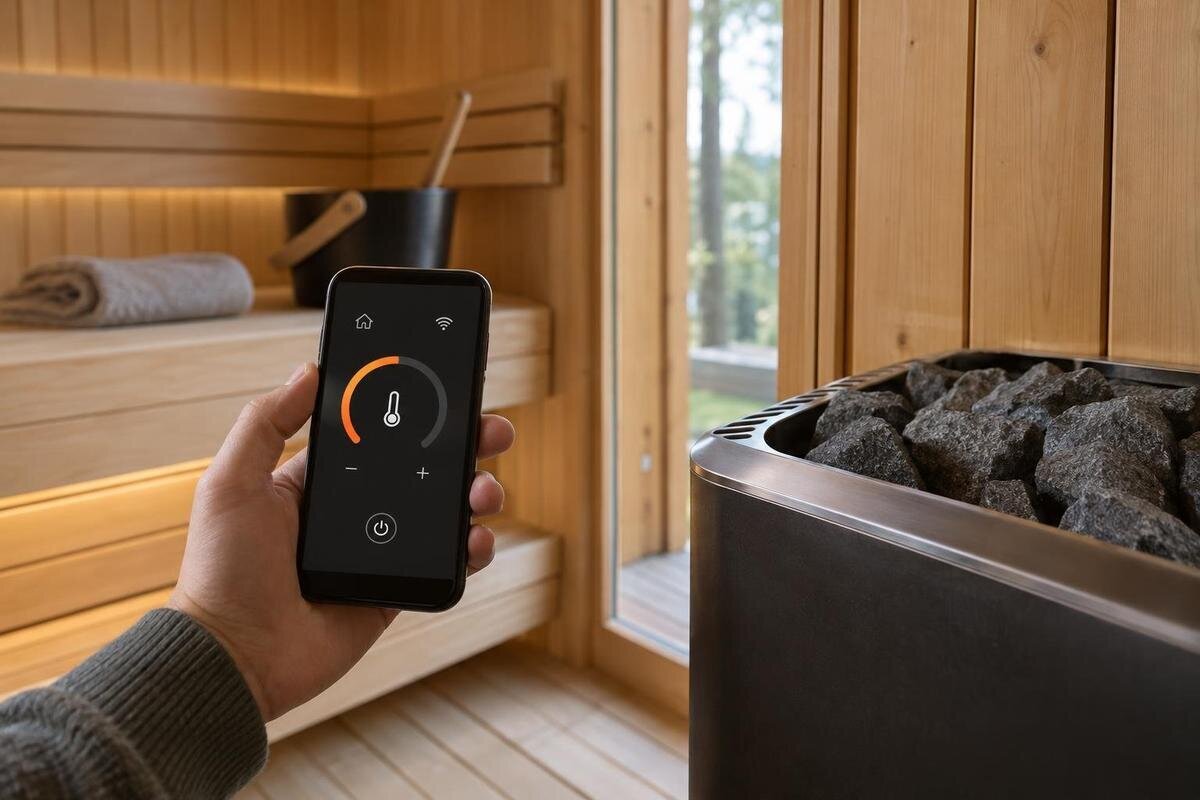
Sauna heating
Remote sauna heating can be convenient, but an app or remote-start icon does not establish that a particular heater, control system and installation are compatible—or that the manufacturer permits starting when no one is present. The answer depends on the exact component combination, certification scope, required safety features and the operating rules in the current manual. Before buying or enabling remote operation, identify each part, obtain documentation for that configuration and have a qualified professional confirm the installation. The checks below help separate an approved setup from a feature label that leaves important questions unanswered.
01
Remote heating depends on the complete control system
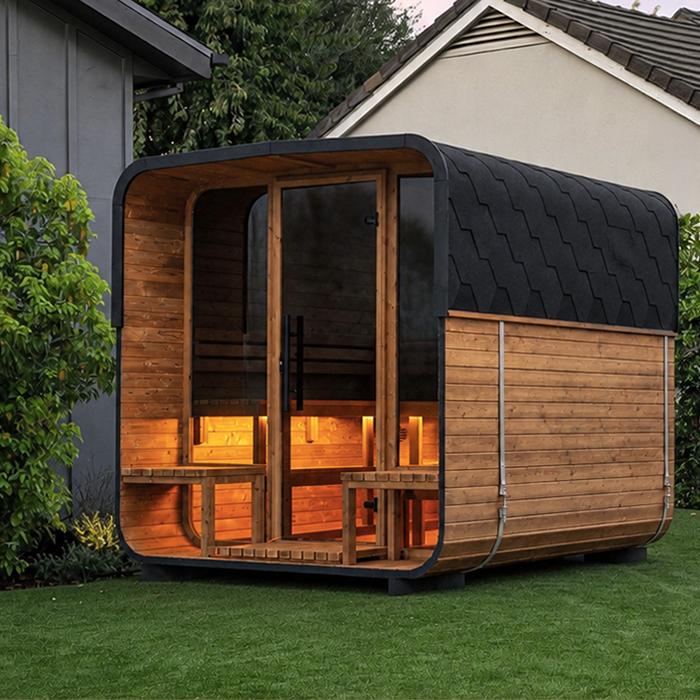
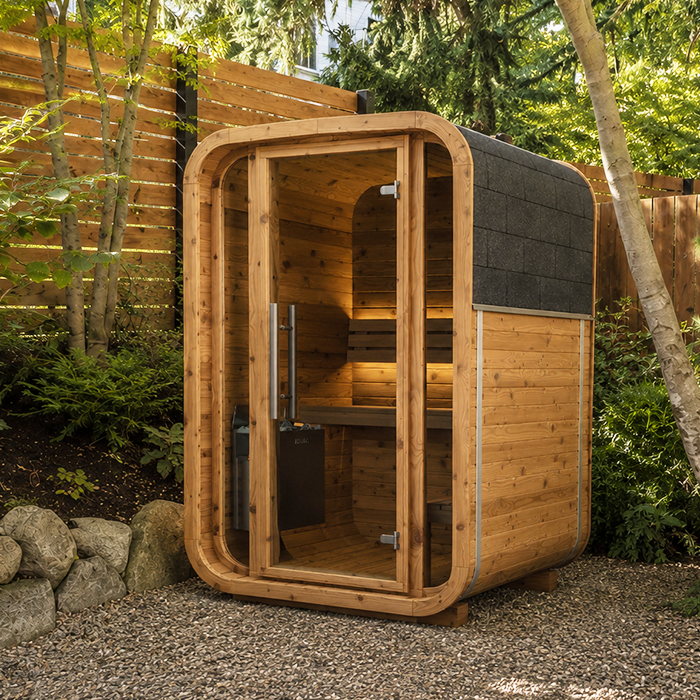
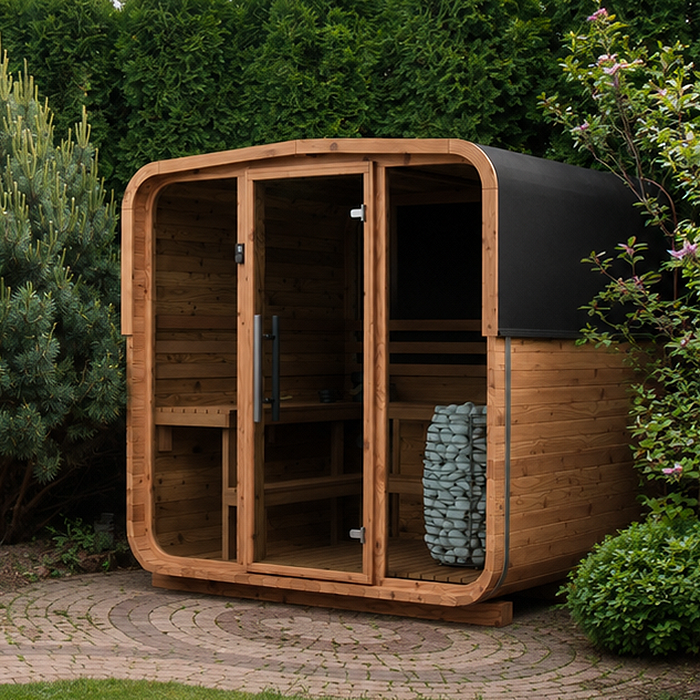
Remote operation is a function of the complete heating system, not simply the sauna cabin or a phone app. Depending on the design, the chain may include a heater, wall control, separate power unit, temperature sensor, communications gateway and app. Each part must be approved for the others; a remote feature advertised for one controller does not prove it can operate every heater. A cabin model identifies the enclosure, not its electrical equipment or permitted controls. A listing such as Sauna N-210 can help identify the cabin under consideration, but the heater and control manuals establish whether remote operation is supported.
Be specific about the action you want. Starting the heater from outside the property, setting a delayed start, changing a setting, checking status and stopping an active session are different functions; a system may support some but not all. Ask whether remote start is allowed for your intended situation, whether an on-site enabling step is required and whether the function depends on a particular gateway or account. Separate monitoring from control: seeing a temperature or online status does not prove that the system can safely start the heater. Record the supported commands alongside the full list of component model numbers.
Match the heater, controller and sensor by exact model
Use the identification labels and manuals for the heater and each controller, not just the sauna listing. Record the complete model designation, any revision identifier the manufacturer uses, and the serial or configuration details it requests; versions with similar names may have different compatible controls. Check whether the heater has integrated controls or needs a separate power unit, and whether the proposed controller is listed for that exact heater. If you are considering the N-250 sauna model, include that cabin name and the separate heater and controller identifiers in your compatibility request. If labels are inaccessible, have the installer identify them rather than opening electrical covers.
Ask the heater maker or authorized supplier to confirm the complete pairing in writing, including any required sensor, gateway or firmware version. Confirm which functions the control supports and whether the intended remote-start mode is expressly allowed. Similar logos, matching connectors or a shared app brand are not compatibility evidence. A third-party adapter must also be approved for the system and preserve its required safeguards; the ability to send a signal is not enough. Have a qualified electrician compare the electrical requirements in the manuals with the proposed equipment. Do not select or connect components by matching a number on a sales page.
02
Separate the sauna listing from the equipment included
Treat the sauna package, heater and remote-control equipment as separate line items until the seller’s written specification says otherwise. A cabin page or photograph may identify a sauna without specifying which heater, controller, sensor, power unit or communications hardware will arrive. When requesting a quote for Sauna LC-260, ask the seller to itemize the proposed heating and control equipment. Request the exact model number of each item, whether it is included in the quoted configuration, and whether any required component must be purchased separately. This prevents a remote-control plan from depending on an assumed bundle and makes it easier to compare what each quotation actually includes.
Compare the order paperwork, manuals and delivered labels before commissioning. The equipment list should show the heater and complete approved control chain, plus required safety items and any software or account conditions the manufacturer documents. Confirm that the parts are intended to work together in the configuration being supplied, rather than piecing them together from separate product descriptions. Ask who provides and configures each separate item. If the final heater or controller differs from what was discussed, pause and obtain updated confirmation; a substitution can change compatibility and operating restrictions. Product photos and a generic remote-ready description are not a parts list.
Verify certification for the equipment and installation
Check certification for the exact equipment rather than inferring it from a brand name or a claim that something is suitable for saunas. Find the certification label or official record for the precise heater and control models, then check which products, configurations and conditions it covers. Certification for a controller does not automatically establish the status of a separate heater, an added gateway or the complete installed arrangement. For a proposed order involving the HCF-300 sauna, keep the relevant certification records with the itemized equipment specification so the identifiers can be compared. Ask the manufacturer or supplier for records that match the identifiers on the delivered equipment.
The relevant mark and documentation can depend on the equipment and where it will be installed. Ask a qualified electrician or the local authority having jurisdiction which certification documentation applies to that location; do not rely on a mark you cannot identify or a general web-page statement. If a certification record lists conditions, such as particular pairings or installation limits, confirm that the proposed setup follows them. Keep the record with the manuals and installation paperwork. If a supplier cannot explain the scope for the exact combination, resolve that question before purchase or use rather than assuming one component’s label covers everything.
03
Check which safety features the manufacturer requires
Use the maker’s manual to identify the safety features required for the exact heater and remote-control configuration. Depending on the design, documentation may specify a temperature sensor, high-limit protection, a door contact, a heater-guard interlock or a physical remote-enable control. These are examples, not a universal list; do not assume every system uses the same devices or that every optional feature is required. Ask what each required component does, where its status appears, and which model or accessory fulfils the requirement. When reviewing a quotation for Sauna LCF-300, check that these required items are identified alongside the proposed heater and controller.
Confirm that each required item is included, installed as specified by the maker, connected to the intended controller and tested during commissioning. Ask whether remote operation stays disabled if a required interlock or sensor is absent, faulted or disconnected, and what the instructions say to do when a warning appears. Also ask how normal temperature control is distinguished from any over-temperature protection in that model. Never bridge, bypass, relocate or substitute a safety device to make an app command work. A feature name in sales language is not enough; get the model-specific explanation and have the installer demonstrate the relevant checks.
Read the rules for remote start, timers and schedules
Read the current operating instructions for wording on remote start, unattended use, local enabling procedures, delay timers, schedules, maximum run time and automatic shutoff. Those rules belong to the particular heater-control combination, so do not borrow settings or permissions from another sauna or app. The maker may require a user to enable remote operation at the control before a start can be sent, or may set other conditions; the manual determines what applies. If you are comparing heating options for Sauna S-140, record the permitted start modes, time limits and conditions for each proposed control system. Use the operating instructions rather than inferring those details from a retailer’s summary.
Decide whether your routine fits the written conditions before activating the feature. A scheduled start is not the same as a one-time command, and an automatic shutoff setting does not establish that unattended operation is allowed. If the manual is silent or ambiguous about your planned use, ask the maker for clarification and leave remote start off until you have it. Follow any stated requirement to check the sauna before use; do not extend a permitted mode with a third-party timer, app automation or smart switch. Note who can change schedules and review them after an account change or system reset.
04
A remote command does not replace a physical safety check
A remote command can start a heater while nobody is standing beside it, so the physical condition of the sauna matters. Before sending a start, follow the manufacturer’s required checks: make sure the heater area and cabin are clear, with no towel, clothing, cleaning item or other object left on or close to the heater. Confirm that no person or pet is in a place where starting could create a hazard, and check the door or other conditions named in the manual. If you cannot verify that the space is safe, do not send a remote start. Include the required inspection routine in your purchase questions for the HC-150 sauna and its proposed heating equipment.
A door contact or similar interlock may monitor only the condition it was designed to detect; it should not be treated as proof that the room is empty or the heater is unobstructed unless the maker says it covers that risk. Keep any required physical inspection in the routine even when an app reports that the system is ready. Make sure household members know when remote heating is permitted and how to stop the heater using the manufacturer’s controls. If a sensor faults, the app shows an unexpected status or the room has changed, pause and investigate rather than repeatedly trying to start it.
Know what happens during a network or power interruption
When comparing control equipment for Sauna HC-225, ask how each proposed system behaves if the internet, local network, gateway or power supply is interrupted. The manual should explain whether a command is rejected, whether local controls remain available, what status is shown and what happens after power returns. Do not assume an interrupted connection automatically stops heating, that a stop command has reached the controller or that an app screen is current. Before relying on notifications, learn what they confirm and whether a separate offline or fault alert is available. Include these responses in your comparison notes so you understand the limits of remote status information before choosing a controller.
Review account access as part of the safety setup. Use a unique password, turn on an extra sign-in step if the service offers one, limit access to people who should control the heater and remove old users when they no longer need access. Avoid sharing one login widely if individual permissions are available. Check how schedules and permissions are handled after an app update or account change. If the manufacturer provides updates or instructions for a remote module, follow its process rather than installing an unapproved device. Understand the local controls and stopping procedure described in the manual so connectivity is not the only control you know how to use.
05
Ask for a documented commissioning test
Have a qualified electrician or installer familiar with the specified sauna equipment confirm the proposed arrangement before remote operation is enabled. Provide the exact heater, controller, power-unit, sensor and gateway identifiers, current manuals and certification records. Ask the professional to confirm that the pairing and applicable installation requirements agree with the manufacturers’ documents, and to identify any missing or incompatible part. This is a verification brief, not a DIY wiring task: do not open equipment, change connections or adapt a control to prove that it works. The installer should also explain which functions are local and which depend on the network.
Commissioning should include a demonstration of the approved local and remote functions and the manufacturer-required interlocks, timers and alerts. Ask the installer to show how the system indicates a fault, how remote operation is disabled, and what fallback the manual provides if the app or network is unavailable. Have the professional test the system only in the manner prescribed by the maker, then record the outcome, control settings, component models and manuals used. Confirm that every user can distinguish a successful command from one that is merely queued or unconfirmed. Pairing an app alone does not show that the heater’s safeguards were checked.
Recheck the setup after changes or handover
Keep one record of the final configuration: cabin model, heater and controller models, sensor and gateway identifiers, certification documents, manuals, installer notes and manufacturer confirmations. Recheck compatibility before replacing a controller or heater, adding a network module, changing software or moving the sauna. A replacement that looks similar may have different controls or instructions. Ask the maker or installer whether the revised setup still meets the original conditions, and update the test record instead of relying on old screenshots. Keep the current instructions accessible to the people who use the system.
Review access and operating rules whenever household responsibilities change or the sauna changes hands. Remove accounts that should no longer start the heater, explain required physical checks to anyone given control, and do not leave a schedule active if its purpose or permitted use is unclear. If a safety feature faults, equipment is substituted or the system behaves differently from its manual, stop using remote start and ask the manufacturer or a qualified installer to assess it. Resume only after the configuration and required safeguards are confirmed. A reliable setup is one you can identify, use within its written limits and stop as directed.
Frequently asked questions
Can any sauna heater be fitted with remote control?
No. Remote operation must be approved for the exact heater and control combination, including any required sensors and safeguards. Ask the manufacturer whether the proposed controller is compatible and whether adding it preserves the approved setup. A smart plug or generic relay is not proof of compatibility.
Does Wi-Fi compatibility mean I can start the heater remotely?
Not necessarily. A connection may support status updates without supporting remote start, or may permit starting only under specific conditions. Confirm which commands are supported, whether remote start is allowed for your planned use and what local steps the manufacturer requires.
What certification should I look for?
There is no safe assumption based on a general product listing or brand name. Record the exact model numbers and ask a qualified electrician or the local authority having jurisdiction what documentation applies at your location. Check the certification scope for the actual equipment and configuration.
Does a door sensor make unattended remote starting safe?
Not by itself. A door contact may monitor only the condition it was designed to detect; it does not necessarily confirm that the heater area is clear or that the cabin is safe to heat. Follow the manufacturer’s rules and required physical checks.
What should an installer demonstrate before I use remote heating?
Ask for a demonstration of the approved local and remote functions, required safety features, fault indications and stopping procedure. The installer should also explain what the system does during a network or power interruption and record the equipment models and tests completed.
Remote heating is ready to use only when the exact equipment pairing, certification scope, required safeguards and operating rules are clear. A cabin listing or connected app cannot confirm those details. Keep the manufacturer’s documentation with the installed model information, have a qualified professional verify and demonstrate the setup, and follow the written limits every time you use it. If a component changes, a warning appears or a required safety check cannot be completed, pause remote operation until the maker or installer confirms what applies.
