
Sauna Delivery and Crane Costs: What Can Raise the Quote?
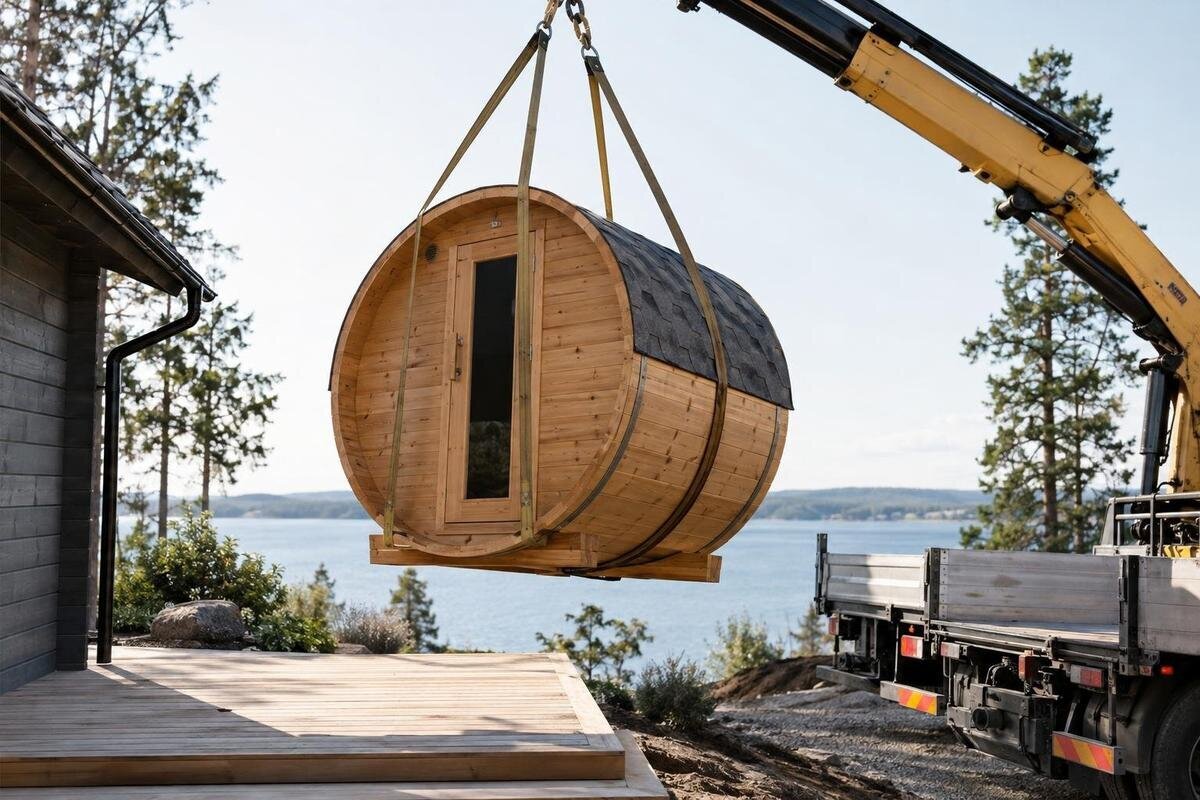
SAUNA DELIVERY PLANNING
Getting a sauna to the property is not the same as getting it to its intended spot. A carrier may price the road haul separately from an appointment, liftgate, forklift or crane, and some services end where the truck can stop. The final quote depends on the shipment as packed, the route and the hand-off plan. Giving the seller and carrier the same site details makes exclusions easier to spot before booking.
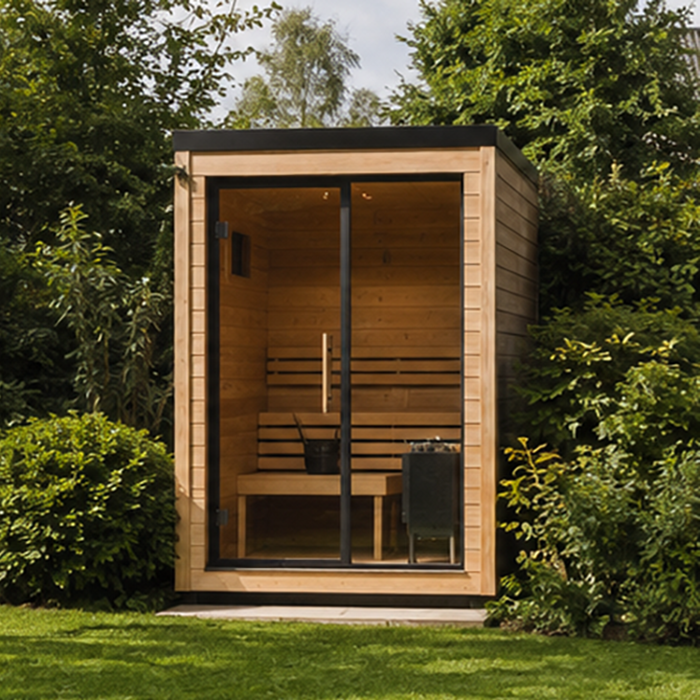
What a freight quote actually covers
A freight quote does not automatically cover door-to-door delivery. It may cover long-haul transport to a freight terminal, delivery to a postal address, or transport only as far as the truck can safely stop. Appointment booking, residential or limited-access service, liftgate use, unloading labour and movement beyond the truck may be itemized separately—or may not be offered on that service. Ask what route and destination are priced, whether fuel or terminal handling is included, and where the truck is expected to leave the shipment. Provider terms vary, so ask for plain-language definitions rather than relying on labels such as “delivery” or “curbside.” A written breakdown can also show whether a crane or special vehicle needs a separate booking.
Use the sauna’s model name to identify the shipment, not to estimate its handling needs. For the Sauna HC-225 listing, request current packed dimensions, gross weight, package count and delivery format from the seller. Have the quote repeat the item or order reference and delivery address so the carrier’s amount can be matched to the right consignment. The model name, a product image or an area figure is not a shipping specification. If packed details are not yet available, ask whether the amount is provisional and what assumptions it uses. That can help you spot a freight figure that may need to change once the goods are ready to move.
How distance and destination affect freight
Distance influences the freight route, but service area and the final leg matter too. Give the seller the full delivery postal code and confirm the dispatch origin used for the estimate; do not assume the nearest warehouse is the shipping point. Ask whether the carrier serves the address directly or transfers the shipment through a terminal, and whether a rural route, remote location, restricted-access property or ferry connection changes the service being quoted. These are questions, not automatic surcharges: the provider can say which apply to this route. If the destination changes after the estimate is issued, request a revised figure before dispatch. The quote should name the point the carrier will reach, not just the postal code.
For Sauna N-210, provide the product identity alongside the route details so the seller and carrier are pricing the same consignment. Then name the exact hand-off point: roadside, driveway entrance, garage-side access or another agreed location. A postal code may cover more than one practical stopping place, and the last stretch from a road to a private site may sit outside the quoted service. If terminal pickup is offered, ask about pickup hours, vehicle requirements, handling at the terminal and how you would load the shipment. Confirm whether the carrier can reach the site or needs to meet you at a nearby point. This helps you price the complete journey rather than only the long-haul portion.
Road and driveway access for the delivery truck
Describe the route from the public road to the truck’s planned stopping place, not just the sauna’s intended location. Note gate width, tight turns, low branches or wires, overhead structures, steep sections, soft ground, narrow bridges, parked vehicles and places where a delivery truck could turn around or wait. Send clear photos or a simple sketch, then ask the carrier which vehicle it expects to use and what clearance or turning room it needs. Do not assume a large freight truck can reverse along a private lane or pass every obstacle. Mention any known restrictions on the road or driveway, and be clear if a measurement or condition is uncertain rather than guessing.
When arranging transport for Sauna N-250, describe the delivery route as well as identifying the model. Show where the vehicle should stop and identify any shared drive, security gate, loading restriction or limited access hours. Surface conditions can change too: snow, thawing ground or heavy rain may affect access on delivery day. Tell the carrier if the route is seasonal and ask what happens if the truck cannot enter safely. If access is uncertain, discuss a suitable alternate unloading point in advance instead of expecting the driver to choose one on arrival. An alternate point is useful only if the carrier agrees it can serve that location and you can arrange any remaining movement from there.
What unloading service is included?
“Curbside,” “tailgate” and “liftgate” do not promise that a sauna will be placed on its finished base. A liftgate generally lowers freight from truck height to the ground beside the vehicle; it does not necessarily carry a package across a lawn, through a gate or to the intended location. Confirm the carrier’s service definition, whether the shipment can be handled with that equipment, who must be present to receive it and who supplies any extra labour. Ask about pallet or crate collection too, since packaging removal and disposal may be outside the delivery scope. Name the agreed drop point in writing; a ground-level hand-off beside the truck can still leave a long move to arrange.
For Sauna LC-260, ask the seller for the package dimensions, weight and handling instructions before choosing an unloading method. If the truck cannot bring the load close enough, a forklift, telehandler, pallet jack or other equipment may be considered, but suitability depends on the actual packages, ground and route. Ask an equipment provider to assess the approach and handling plan; do not assume equipment can travel over a lawn, slope or narrow path. Confirm whether the carrier will wait while unloading takes place, whether the equipment operator is booked for the same window and who pays if either party is delayed. Ask the provider to state where its equipment can safely travel and stop.
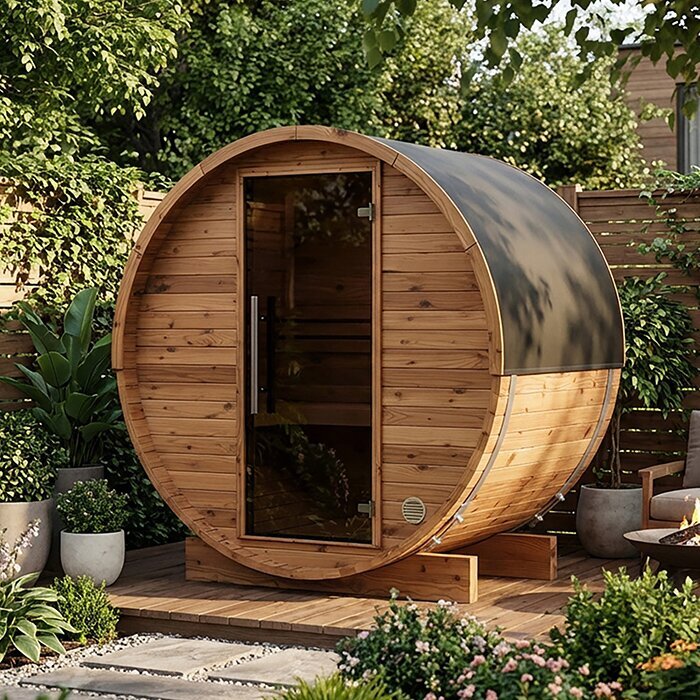
When crane work needs a separate quote
A crane may be needed when the load has to pass an obstacle or reach a point beyond the carrier’s unloading service, but it should not be assumed to come with freight. The crane provider needs the actual weight and dimensions of each package, the intended landing area, a workable setup location, the distance between pick and set-down points, and information about trees, wires, roofs, fences or other obstructions. These details help the provider assess whether its proposed equipment can do the work. Supply photos and any available seller or manufacturer handling documents, then have a qualified crane provider assess the lift. Do not choose crane capacity or reach from a product name or rough guess. A site visit can help where setup space or clearance is uncertain.
Ask the crane quote to state what it includes: mobilization, arrival and setup, operator time, rigging or handling, the booked work period, waiting and any site-control measures the provider identifies. A quote involving Sauna HCF-300 still needs current package details and a site assessment; the model name alone does not confirm what equipment can lift or reach the shipment. If the crane may need to work from a shared access or road, ask the provider who checks the location and whether traffic coordination or permission needs to be arranged. Confirm weather postponement, cancellation and standby terms in writing, since a change can affect both the crane booking and freight appointment. Do not treat a freight quote as confirmation that crane work has been booked.
Packed dimensions and shipment format
Ask how the sauna will arrive before choosing the truck or lifting equipment. A complete product, a flat-packed kit and multiple crates can need different unloading arrangements, but the seller must confirm the delivery format for the selected configuration. Request the outer dimensions and gross weight for every package, the package count, any handling instructions and whether the shipment travels together. Product footprint, room area and model name do not substitute for packed freight measurements. For a quote on Sauna LCF-300, have the seller match the details to the current order rather than relying on a general catalogue description. Check whether each dimension and weight is listed per package or for the consignment as a whole.
Confirm whether all packages arrive on one vehicle, whether a second delivery could be scheduled and what kind of unloading surface is needed at the hand-off. If any package is too large for the planned liftgate or delivery vehicle, the seller or carrier should identify an alternative before dispatch; do not infer a safe handling method from a photograph. Ask whether a packing list will travel with the load and how the receiving person can match each piece to the shipment. A pallet or crate may also be incompatible with the available unloading equipment or surface, even when its measurements seem manageable. When delivery is split, ask how freight and unloading are quoted for each leg and who coordinates the dates.
Appointments, delays and re-delivery
Timing can affect the quote when a carrier requires a booked appointment, a restricted receiving window, a call-ahead or a designated person on site. Ask whether the freight amount includes appointment booking and how long the driver can wait during unloading. Find out whether failed delivery, re-delivery, terminal storage or waiting time can be charged, and who is responsible if the address is not ready. Those terms vary by carrier; do not assume a fee applies or that it will be waived. For an order of Sauna S-140, confirm the delivery appointment against the seller’s shipping plan and include the order reference in the booking. Ask how much notice the carrier gives if the delivery window changes.
Choose a delivery date only after the access route and unloading arrangement are ready. If snow, thawing ground, construction activity or a temporary obstruction could make the site unusable, explain that before booking and ask how weather or access delays are handled. Agree on who receives calls from the carrier, who will be present and whether the truck must use a particular entrance. Where freight and equipment have separate bookings, clarify who contacts the equipment provider if the truck’s arrival time changes. Ask whether a delayed arrival would mean waiting within the existing booking or arranging a new appointment. This makes it easier to compare the timing conditions in both quotes, rather than treating an estimated arrival window as a confirmed lifting appointment.
How to compare delivery and crane quotes
Compare quotes by matching their service boundaries, not by placing the freight totals side by side. For example, an illustrative Quote A might cover transport to a terminal; Quote B might add residential delivery and a liftgate to a named driveway; Quote C might price freight separately from a crane booked by the buyer. These are scope examples, not actual offers or current prices. If the order is for Sauna HC-150, have each quote identify that consignment, its destination and the proposed hand-off point. Then check whether unloading labour, equipment and the crane operator are in a line item or outside the amount. A lower headline figure may simply leave more work or cost beyond the quoted service.
Request separate but coordinated figures when different companies handle freight and lifting. A written comparison can show transport, terminal or residential service, liftgate, forklift or telehandler, crane mobilization and operating time, waiting, and potential re-delivery as distinct items. Mark each as included, separately quoted, excluded or not applicable, and note who books it and who must be on site. Confirm that both providers are pricing the same package details, destination and hand-off point. If one company cannot firm up a cost until access is assessed, ask what information is missing and whether its number is an estimate or a final quote. Get an explanation for any shorthand or unclear line before accepting the scope.
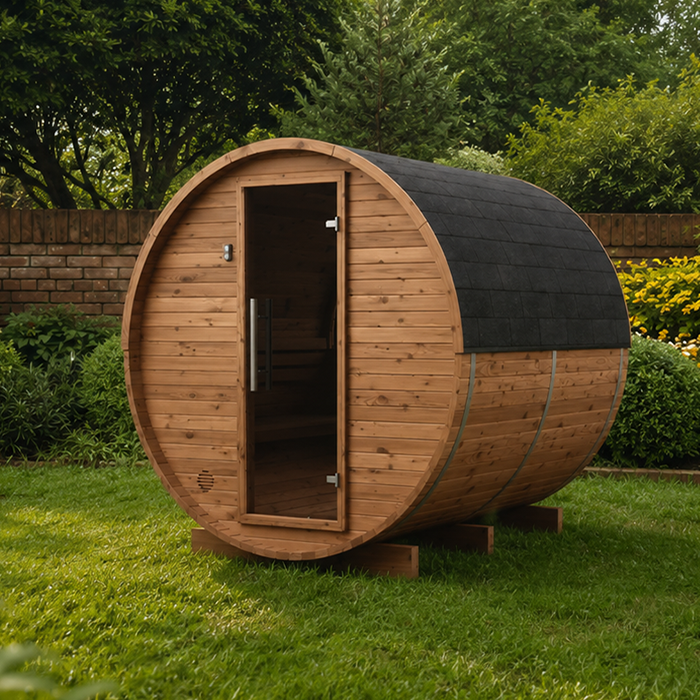
Information to send for a site-specific estimate
Send the same concise site brief to the seller and carrier so neither prices a different delivery point. Include the full postal code, preferred unloading location, any alternate point, access photos from the road and driveway, gate and overhead constraints, turning space, surface conditions and the hours when a truck can arrive. Identify the sauna by model, then ask the seller for package dimensions, gross weight, number of packages, shipping format and handling notes. Do not estimate measurements from a product image. If you have a site plan, mark the intended truck stop and final set-down area separately so the freight and lifting quotes cover the same route. Include a receiver’s contact number if requested and confirm how the carrier will reach that person.
State whether the date can be flexible, who can receive the shipment and how far the proposed truck stop is from the intended placement area. If crane or powered handling equipment may be required, send the photos and site information to the provider before booking; let its qualified staff identify any further measurements or visit needed. Ask the seller, carrier and equipment provider to confirm which company arranges each appointment and what happens if the load, access or timing differs from the information supplied. If some details are unknown, have the estimate state the assumption instead of leaving it unstated. A written clarification is more useful than a low figure based on conditions no one has verified.
Confirm the hand-off before dispatch
Keep the final quote, booking confirmation, package sheet and lifting arrangement together before the shipment leaves. They should agree on the consignment, address, vehicle stop, unloading point, services included, appointment window and each party’s role. If freight and crane work are booked separately, confirm that their time windows overlap and that the receiving area is ready for the agreed hand-off; the freight driver should not be expected to wait without an arrangement. Ask how to notify both providers if the route, shipment or landing point changes, and get revised terms before dispatch. Keep the names and contact details of the people coordinating each part of the delivery.
On delivery day, keep the agreed access route clear and have the named receiver and booked equipment ready. Do not accept an improvised lift plan that differs from what the carrier or qualified operator assessed; pause and ask the responsible provider to resolve a mismatch. Check the package count and visible condition at hand-off, record any damage or shortage, and report it promptly under the seller’s and carrier’s stated processes. Keep the paperwork and photographs as a record of the delivery. If the vehicle cannot reach the agreed point, contact the provider before accepting a new arrangement. A clear hand-off plan keeps the carrier, equipment crew and owner from assuming another party is responsible.
Frequently asked questions
Does sauna freight automatically include a crane?
No. Freight, unloading equipment and crane work may be quoted separately. Treat crane service as included only when the written quote names it and describes the equipment, operator, handling scope and agreed placement point.
Is a liftgate the same as a crane?
No. A liftgate generally lowers a shipment from the truck to ground level beside it. It does not necessarily move the load across the property or place it at the sauna’s intended location. Confirm the carrier’s exact service.
What information do I need for a delivery estimate?
Provide the full postal code, exact stopping or unloading point, access details and delivery constraints. Ask the seller for the shipment’s packaged dimensions, gross weight, package count and format so the carrier can quote against the actual consignment.
Will the delivery crew take the sauna to its final position?
Not unless that service is specifically arranged. Many quotes name a roadside, driveway or other truck-accessible hand-off point. Confirm who supplies unloading equipment and labour, and whether any movement beyond the truck is included.
What if site access changes after I accept the quote?
Tell the seller, carrier and any equipment provider before dispatch. Ask whether the changed route or unloading point needs a revised quote, and confirm in writing how waiting, re-delivery, storage or a rescheduled crane booking would be handled.
A reliable delivery estimate starts with the actual package details and a clear description of the route, stopping point and unloading plan. Compare written quotes by their full scope: freight, access-related services, equipment, crane work and any conditions that could lead to a delay or another booking. When every party agrees on where the shipment will be left and who handles the next step, the final cost is far less likely to hinge on an assumption.
