
Planning a Sauna for a Vacation Rental: Guest Use, Cleaning and Costs
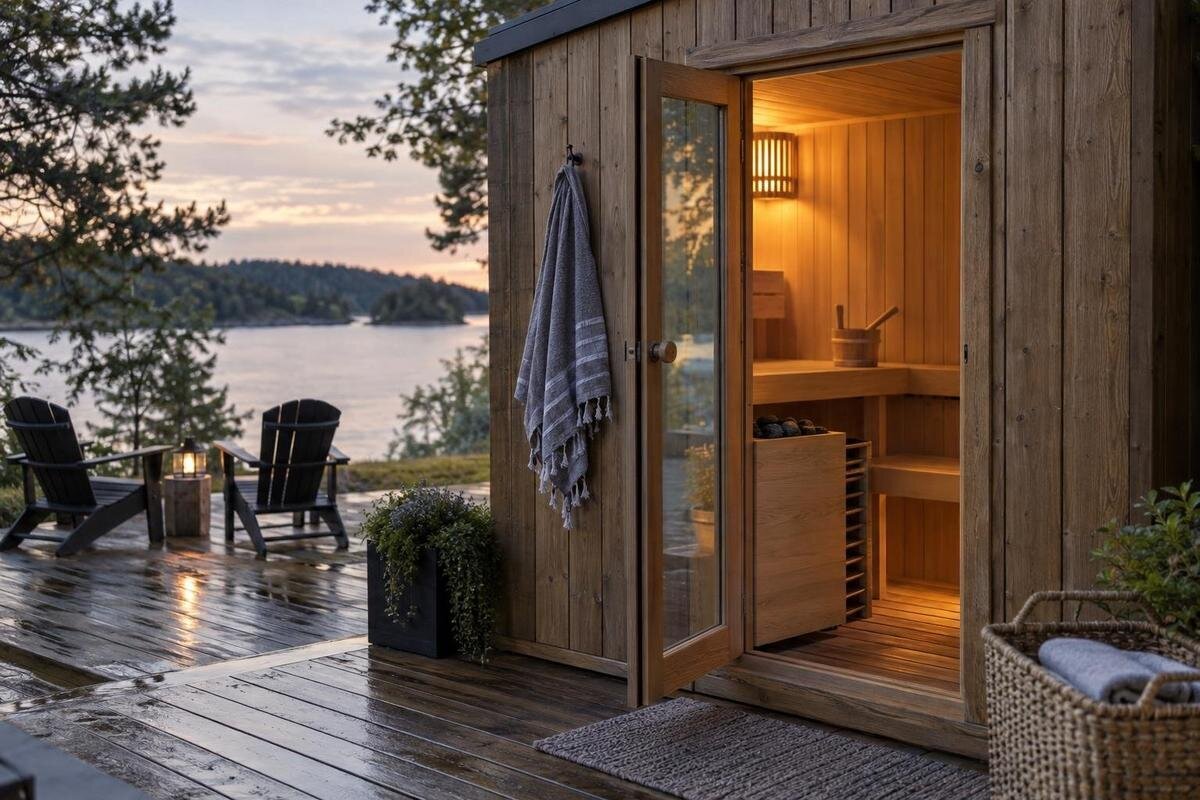
Vacation rental sauna planning
A sauna can make a vacation rental more appealing, but it is also an amenity that guests operate and the owner must reset between stays. Planning means more than finding a model that fits: confirm in writing that the exact sauna and configuration may be used in a short-term rental, then organize access, guest instructions, cleaning and operating costs. A domestic-use listing or warranty does not by itself confirm rental use.
Before you buy 1
Confirm rental use in writing
Treat rental permission as a purchase condition, not a housekeeping detail to settle after installation. A sauna sold for private or domestic use is not automatically approved for repeated guest turnover, and the product name alone says nothing about permitted frequency of operation, supervision or warranty coverage. Ask the manufacturer or supplier in writing whether the exact sauna, heater, controls and selected configuration may be installed and operated in a short-term rental. Describe how guests will access it, who will start and stop it, and the expected booking pattern. Ask directly about any limits on use, guest operation, required oversight and routine service. If the answer depends on frequency or who operates the sauna, request conditions you can apply consistently.
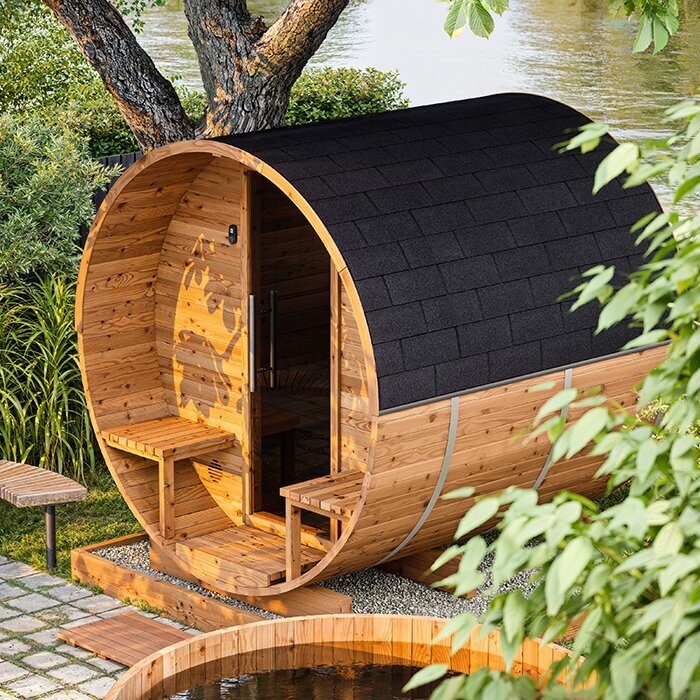
Keep the answer with the quote, manual and warranty terms. Ask two separate questions: whether the product may be used in a paid rental, and whether warranty, technical support and service remain available under that use. Request any exclusions or limits in writing, and note the model, heater, controls, operator and booking pattern covered. A catalogue reference such as Thermowood Barrel Sauna N-210 helps identify the product in your enquiry, but a listing is not rental approval. If approval is conditional, compare each condition with your planned check-in, supervision and cleaning process before ordering. A general description of domestic use does not answer the short-term rental question.
Decide who controls access and operation
Map access before deciding how sauna use will appear in the booking. For a whole-property stay, state whether the sauna is included, separately reserved or closed unless the host authorizes access. If it is in a shared area, describe the route, hours, privacy arrangements and boundary with other guests. Make access workable from arrival, including any key, gate or booking step, rather than leaving someone to infer entry from a photo. Consider how guests reach it at night or in wet weather and whether the route crosses another space. Your plan should match what you can provide consistently for every booking.
Assign a person to handle access questions, operation questions and reports of a problem, including outside normal check-in hours. Decide whether guests may operate the sauna themselves only after the intended use is approved and you have instructions that match the installed controls. Do not promise unattended heating or remote monitoring unless the exact system documentation and your operating plan support it. If you are considering the Sauna N-250, include that model name in your questions about guest operation, along with the proposed heater and controls. Record the final arrangement separately in the property file so a manager can find the correct instructions rather than rely on a guide for a different setup.
Before you buy 2
Match the space to the guest group
Size the bathing area for likely guest groups and simultaneous use, not from a model name or a single area figure. Ask for a dimensioned drawing of the exact configuration and examine the usable bench arrangement, internal clearances, entry space and room for people to sit without blocking access. Compare the layout with the party size your rental attracts, while distinguishing physical fit from comfortable use. Consider where guests will leave towels or belongings and whether people can wait elsewhere. A maximum number on a page may not describe how guests experience a session, and it should not become a booking-capacity promise unless supported by the relevant manufacturer information and your site review.
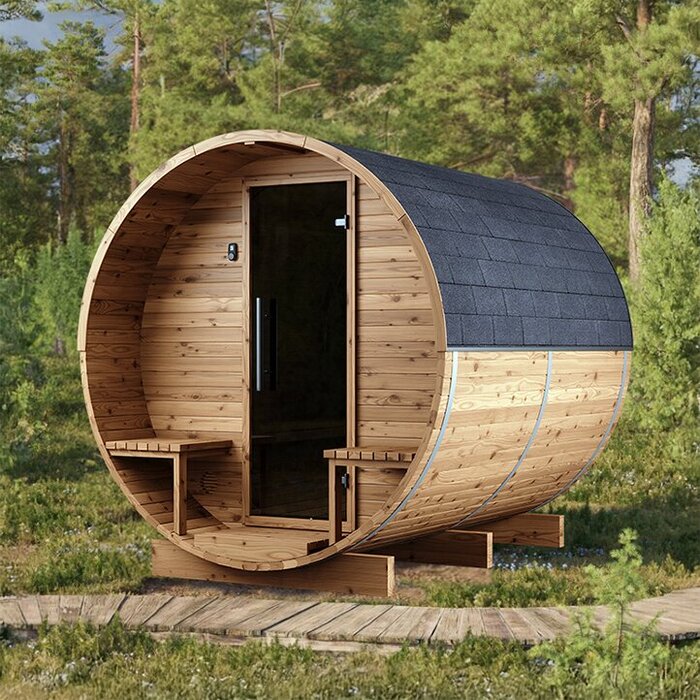
Catalogue area and usable seating are not interchangeable. The product information for Sauna LC-260 shows 5.12 m²; that figure alone does not establish guest capacity, bench space or how someone reaches the seating. Check the full drawing and access area against the site plan, including any adjacent changing or waiting space. If guests must walk outside from the rental, consider the route and privacy as part of the experience. The sauna’s footprint is only one part of the space you need to assess.
Write instructions for the installed controls
Build a short guest guide around the exact heater and controls that will be installed. Take operating steps from the manufacturer’s instructions, not from a generic sauna article or another model’s handout. Explain who may switch it on, which controls guests may use and how to end use. State whether water may be used, following the instructions for that exact setup, and explain any relevant restrictions in plain language. Tell guests where to find the guide after check-in and whom to contact with a question. Avoid adding temperature or session advice that is not part of the approved operating instructions.
Write for a first-time user: use the same names for controls as the manual, keep the steps easy to find and repeat essentials in the pre-arrival message. Include the host contact and what to do if the installed equipment does not match the guide or a control behaves unexpectedly. Do not ask guests to improvise or troubleshoot unfamiliar equipment. When comparing options such as the Sauna HCF-300, request the operating information for the proposed heater and controls so you can assess what the guest guide will need to explain. Have someone unfamiliar with the property follow the completed instructions before the first booking and flag anything unclear.
Before you buy 3
Build sauna use into check-in and booking
Tie sauna access to the booking calendar instead of promising it will be ready at an arbitrary arrival time. Decide whether each party reserves a time, uses it during stated hours or receives a host-prepared start. Base the schedule on the documented start-up and shutdown instructions and on the real time needed for access, cleaning and reset. If a host operates the sauna, define who does it and what triggers that task. Do not promise a particular readiness time or tell guests the sauna will heat itself before arrival unless the selected system’s written documentation supports that arrangement.
Make the guest handoff clear at every stage. The booking confirmation can explain availability and any reservation step; check-in can point to the operating guide; check-out can explain what guests need to do; and the host record can capture reported problems. Leave time between uses for inspection, cleaning and reset rather than scheduling guests back-to-back. If you choose the Sauna LCF-300, use its model name and the installed configuration to identify the relevant guide and log in the property records. Keep the readiness check separate from the reservation: a calendar entry does not confirm that the sauna has been inspected or is ready to use.
Make turnover cleaning repeatable
Treat every changeover as a documented reset, not an assumption that sauna use leaves no trace. Follow the manufacturer’s directions for ventilation and drying. The turnover checklist can cover used towels or linens if supplied, approved cleaning of seating and touch surfaces, a check for debris or moisture, and a way to report damage or unfamiliar residue. Confirm that cleaning products and methods suit the actual materials and installed equipment. Do not choose a chemical, coating or high-moisture cleaning method based only on a general online recommendation.
Separate visible changeover tasks from periodic cleaning or service specified by the manufacturer. Allow the cleaner enough time for the work, identify who supplies and launders towels, and keep necessary products and instructions available. When considering the Sauna S-140, ask for cleaning directions for the proposed configuration so you can plan the turnover tasks before purchase. Have the cleaner record completed tasks and concerns, rather than sign off on work they could not verify. If a condition needs technical review, make clear how the cleaner should report it and how the manager should pause access and contact the person responsible.
Before you buy 4
Review the site, safety and insurance questions
Before ordering, ask the relevant local authority and your insurer what permissions, site conditions or coverage terms apply to a sauna used by paying guests. Have a qualified installer review the exact heater and configuration, electrical supply, location and required clearances against manufacturer documentation and applicable local requirements. Do not treat a product photo or catalogue entry as a site assessment, and do not rely on an online guide for installation decisions. Resolve questions about the property and installation with the appropriate professionals before making a purchase commitment.
Plan the guest route as carefully as the sauna location. Consider the entrance, steps, lighting, privacy and wet or slippery areas, as well as how guests can ask for help. If snow or ice affects access at the property, include it in the review. Describe limitations plainly and do not advertise the facility as accessible without an appropriate assessment. If the Sauna HC-150 product listing is on your shortlist, give the installer or insurer that product reference together with the proposed heater, controls and site details. Their review needs to address the complete installation rather than the model name alone.
Estimate operating costs from actual use
Avoid relying on a generic online estimate for electricity use. Consumption depends on the exact heater and controls, the approved operating routine, session length and conditions at the property. Use documentation for the installed configuration, and, where suitable metering is available, track energy use over representative sessions once the normal routine is in place. If a dedicated meter is needed, have a qualified professional advise on a suitable option. Compare recorded use with the electricity charges that apply to your account, including the relevant operating periods; a rating or a guessed warm-up time is not a per-booking cost.
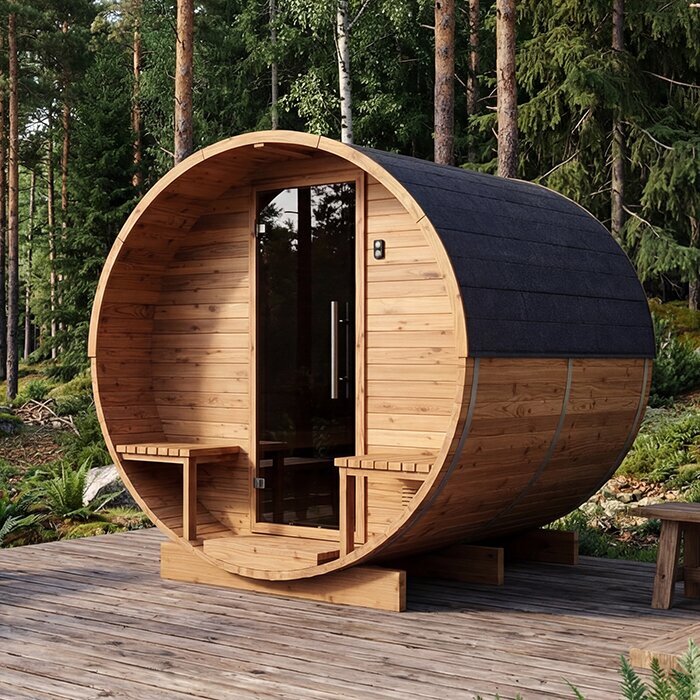
Add the costs that do not appear on the electricity bill: cleaning labour, laundry, towels and other supplied items, inspections, service calls, repairs and time when the amenity must be unavailable. Separate purchase and site costs from costs that recur with bookings, and keep records of the latter as use builds. Do not forecast guest demand or revenue from generic estimates. When budgeting for an option such as the Thermowood Barrel Sauna HC-225, request information for the exact heater and configuration rather than assign it a generic running cost. Keep those estimates alongside your cleaning and service allowances so you can compare the budget with recorded costs once bookings begin.
Before you buy 5
Assign maintenance and fault response
Give each recurring task a named owner. A cleaner may record the changeover check and report damage; a property manager may respond to guest messages; and the owner may arrange service and keep approval and warranty records. Make the handoff explicit if an outsourced cleaner notices a fault but is not responsible for technical work. A simple record can note the booking date, inspection result, completed cleaning, reported issue and action taken. Keep it focused on operating the amenity rather than collecting unnecessary guest information. Clear ownership makes it easier to follow up when staff or contractors change.
Set a response process based on the manufacturer’s instructions and qualified service advice, not improvised fixes. Tell guests how to report a problem and not to investigate, reset unfamiliar controls or repair equipment. If a problem is reported, pause access while the responsible person reviews it and contacts the appropriate service professional where needed. Record the decision and any follow-up before reopening the amenity. Keep written rental-use conditions, relevant manuals and service information together so an owner or manager can check what applies without relying on memory.
Describe the sauna accurately in the rental listing
Describe the amenity in terms guests will actually receive: whether it is private to the booking party or shared, included in the rental or separately booked, and available at set times or by arrangement. Explain who operates the controls and any access or scheduling limits. State if the facility may be unavailable for maintenance. If guests need to follow particular operating or supervision conditions, make sure those are supported by the applicable instructions and explain them before arrival. Do not suggest that guests can use the sauna at any time if access depends on a host or reservation.
Keep the listing consistent with the booking message and in-property guide, and update all three when the operating plan changes. A photo or model name does not explain access, fees or operating limits. Avoid unsupported claims about health benefits, capacity, operating conditions, warm-up time or year-round availability. If the sauna, heater or guest process changes, revisit the written rental-use confirmation, site and insurance questions, instructions, cleaning plan and cost estimate before updating the listing. Clear expectations help guests understand the amenity and make the owner’s responsibilities easier to manage.
Frequently asked questions
Is a home-use sauna automatically approved for paid guest use?
Do not assume it does. Ask the manufacturer or supplier in writing about short-term rental use for the exact sauna, heater and control configuration. Confirm warranty and service terms separately, and keep any limits on use, frequency or supervision with the property records.
Can guests turn the sauna on themselves?
Only if the intended rental use and guest operation are approved and the instructions match the installed controls. If you cannot provide clear instructions or respond to problems, arrange for a host or manager to control access and operation instead.
How can I estimate electricity costs per stay?
Use information for the actual heater and configuration, then track energy use over representative sessions where suitable metering is available. Include the operating routine, any approved warm-up or idle time and the electricity charges that apply to your account. Add cleaning, labour and service costs separately.
What belongs on a sauna turnover checklist?
Include the cleaning and drying steps specified for the installed sauna, handling of supplied towels or linens, a visual check for debris or damage, and a way to report problems. Confirm cleaning products and methods suit the actual materials; do not rely on a generic cleaning recipe.
What should the rental listing tell guests about the sauna?
Explain whether use is included, shared or separately booked, when it is available, who operates it and any access or scheduling limits. Note if it may be unavailable for maintenance. Avoid promises about capacity, operating conditions or benefits unless they are supported and appropriate.
Treat the sauna as a managed part of the stay, not just an item on the property list. Before committing, confirm rental use for the exact model and configuration, resolve site and insurance questions with the appropriate professionals, and test the guest guide and changeover checklist with the people who will use them. Once bookings begin, compare recorded energy and labour with your estimate and revise the schedule or listing when reality differs. That keeps expectations clear for guests and makes the work of running the amenity visible to its owners.
