
Aluminium or Cedar Greenhouse: Upkeep Over Time
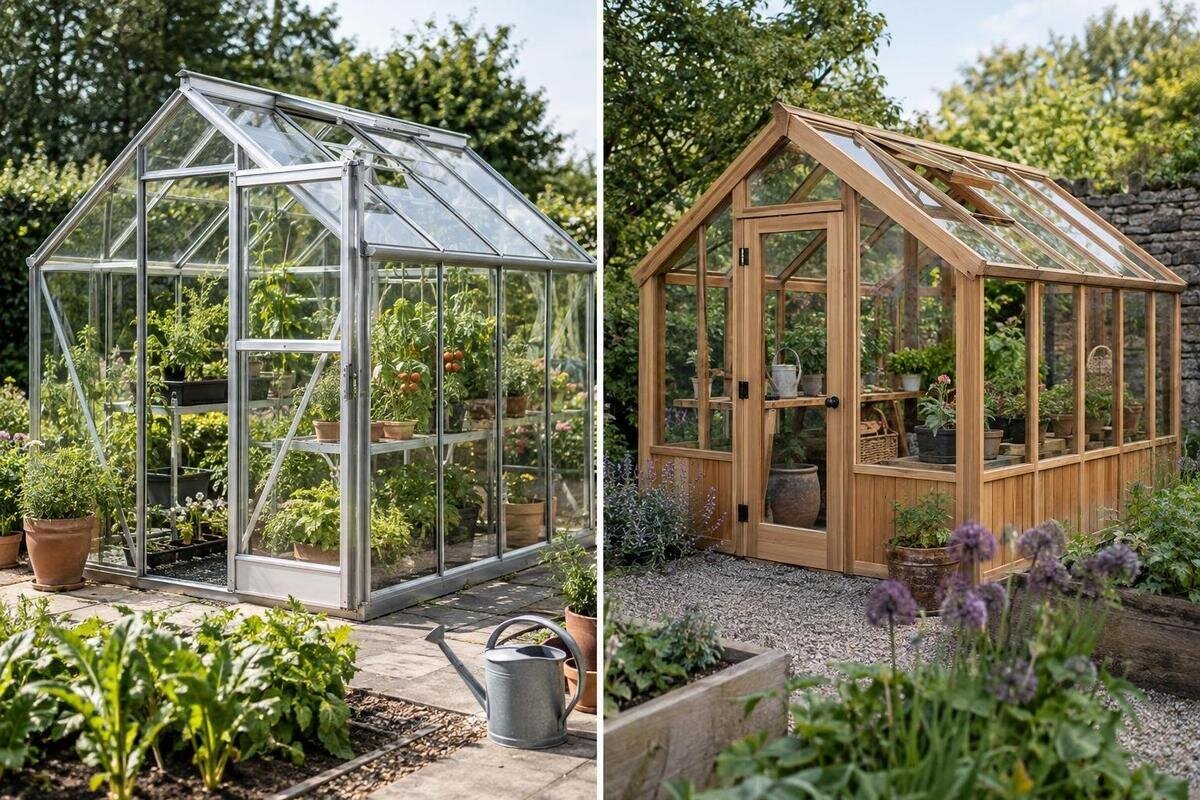
Greenhouse upkeep
Choosing between aluminium and cedar is an ownership decision as much as a style decision. A cedar frame may need planned finish care; an aluminium frame avoids timber treatment but still needs suitable cleaning and inspection. Neither material, by itself, tells you how much work a particular greenhouse will need. The finish, joinery, glazing, fittings, site exposure and supplier’s care schedule all matter. For a useful comparison, look at similarly specified structures and use the documents for the exact models rather than relying on a broad low-maintenance claim.

01
How frame material changes upkeep
Most of the difference is in the type of surface work. A cedar frame is timber, so its care plan may include keeping exposed surfaces in sound condition and renewing an oil, stain or paint finish when the supplier says it is due. Some cedar may be specified to weather without a coating, but that is a particular finish choice, not proof that the frame needs no inspection. Aluminium does not need timber treatment; its routine work is more likely to centre on cleaning, checking the surface finish and keeping connections and moving parts serviceable. That can mean fewer coating tasks, not an absence of recurring care. Repairs still depend on the actual finish and construction.
Treat cedar and aluminium as starting labels, not complete specifications. Cedar species or grade, treatment and joinery affect its instructions; aluminium may be bare or finished in different ways, and the frame may meet other materials. A cleaner or repair method suitable for one surface may not suit another. If you’re considering the Lean-to Greenhouse, identify the exact configuration and ask for its frame-finish and maintenance documents; the product name alone is not a care schedule. Ask the cedar supplier for equivalent detail, including approved renewal products, whether any treatment is already applied and what later touch-ups are expected.
Compare the same construction details
For a fair comparison, assess how each greenhouse is built, not just its frame material. Match the intended size and use, then check timber species and grade or aluminium sections and finish; how parts are joined; glazing type and retention; and the doors, vents, seals, handles and other hardware. Note what is included at the base and whether each frame has received a finish or treatment before delivery. Look also at access to the surfaces you must clean: narrow junctions and hard-to-reach faces can add work whichever material you choose. Differences in detailing may matter as much as the material when you estimate care.
Ask each supplier for written instructions for the exact model and optional finish, not a general note about timber or metal. Check whether the schedule covers exposed ends, less visible faces, fasteners, glazing and hardware, and whether it names compatible products. If the Limited Edition Aluminium Greenhouses are on your shortlist, compare the selected configuration with the cedar option component by component. Record which surfaces need cleaning, which finishes need renewal and which fittings need inspection. Keep differences in size or construction visible in your notes rather than attributing every difference to the material. You need two comparable work lists before estimating the upkeep; ask about any missing details.
02
Cedar care depends on its finish specification
Timber care is not one treatment repeated at a universal interval. First find out exactly what is supplied: whether the cedar is untreated, treated, oiled, stained or painted; which surfaces are finished; and which cleaning or maintenance products the supplier approves. Ask whether interior and exterior faces, end grain and joints have different instructions, and how to recognise when a finish needs attention. Colour change by itself does not establish that protection has failed or renewal is due. Use the written condition checks and schedule for the specified finish, because products sold under the same material name can have different care requirements.
Plan any renewal around the actual greenhouse, not an assumption that every part can be reached or coated in the same way. Cut edges, rebates and joints may need particular attention under the maker’s directions; factory treatment may also require a different approach from a coating applied later. Include preparation and access in your time estimate, and don’t add a fresh coating simply to restore the original colour if the supplier specifies another method. Keep the approved product name and application dates with the manual. When comparing timber care with an aluminium option such as the T-Model Orangery Greenhouse, distinguish finish renewal from cleaning and inspection so that the different kinds of work remain clear.
Where to inspect a cedar frame
Check a cedar frame visually at the intervals in its care plan, giving extra attention to places that stay damp or are difficult to see. Look along lower rails near splashback, timber close to soil or paving, shaded corners, junctions behind benches and the edges around glazing. Clear debris that holds moisture against a surface, and see whether joints and fixings remain in the condition described by the supplier. If planters or benches sit close to the frame, move them enough to inspect the hidden face. One dry central section does not tell you whether the perimeter or base details are staying dry; note any repeated source of wetting.
Separate expected weathering from possible deterioration. Cedar can change colour outdoors, but soft or crumbly areas, persistent damp, widening splits, loose joints or recurring stains deserve closer attention; a quick coat may hide the cause rather than solve it. A stain can have several causes, so identify what is happening before repainting. Photograph a concern and note its location so you can see whether it changes over time. For damage affecting a joint or frame section, use the supplier’s repair advice or ask a qualified timber professional. Do not assume a cosmetic treatment will restore a weakened part.

03
Aluminium needs cleaning and inspection
An aluminium frame still collects dust, pollen, soil and plant residue, particularly around joints and moving parts. Clean it as often as the manufacturer instructs, using a method and product confirmed as suitable for the actual finish. A soft cloth and gentle wash may suit some surfaces, but anodised, coated or otherwise finished frames can have different limits. Abrasives, strong solvents and hard scourers may mark or damage a finish; don’t scrape grit across it. Rinse or dry the surface only as the instructions require, and avoid leaving cleaner in channels or at connections. Glazing and seals may need separate cleaning products.
During a cleaning round, inspect accessible surfaces for scratches, flaking finish, staining or possible corrosion, and check that joints and fittings are not obstructed or visibly loose. Coastal salt, irrigation deposits and trapped debris can change cleaning needs on a particular site, but the right response depends on the finish and supplier advice. Don’t cover a damaged patch with unapproved paint or lubricate an unknown fitting. If you’re considering the Pyramid Greenhouse, establish the cleaning requirements for the selected frame and finish before adding products to your maintenance kit. Keep instructions for any added surface treatment with the original manual, so later cleaning and repairs follow the guidance for the surface you actually have.
Check glazing, seals and hardware separately
Frame material is only one line in a greenhouse care plan. Glazing, retaining parts, seals, door hardware, vents and opening mechanisms need their own checks. Look for dirt or plant debris that stops a part closing properly; note cracked or displaced glazing, worn seals, stiff hinges or a vent that no longer moves as intended. Follow the maker’s cleaning and adjustment directions, and don’t force a stuck component. Record any change in how a door or vent operates instead of repeatedly pushing it. If glazing or a structural connection seems loose or damaged, get advice from the supplier or a suitably qualified professional rather than improvising a repair.
Keep these components consistent when you compare cedar and aluminium. A model with different glazing, more opening units or another door arrangement may need different cleaning and inspection time even when the frames are of comparable quality. Ask for care instructions and replacement-part details for the exact configuration; don’t assume parts or cleaners are interchangeable. When assessing the Bloomcabin Prestige Greenhouse, list the glazing, seals, doors and vents in your selected configuration alongside those in the cedar alternative. Note any differences in the number or type of components before estimating their upkeep. This keeps work shared by both greenhouses separate from tasks specific to the frame material.
04
How site exposure affects upkeep
Your site changes the workload. Consider actual sun, shade, rainfall, wind-blown debris, nearby trees, irrigation and shelter around the proposed greenhouse. A damp, shaded edge or splash zone may keep timber wet; strong exposure may affect a timber finish; coastal salt or deposits may change how often a metal surface needs cleaning. These are site factors to discuss with the supplier, not a rule that applies uniformly across New Zealand. A sheltered side may still have a damp corner, so look around the whole footprint. Compare the locations of the two candidate structures and note which faces are easy to reach for cleaning and inspection.
How you use the greenhouse matters too. Frequent watering, stored potting materials, foliage touching the frame, condensation and splashes from garden products can leave moisture or debris in corners. Keep plant material from hiding the base and use only products approved for the surfaces they may contact. If your candidate includes storage, as the Limited Edition Aluminium Greenhouses with Storage listing indicates, include those surfaces and their access in the care review. Don’t assume the storage section uses the same material or follows the same instructions as the greenhouse frame; ask for care documents for each part.
Estimate the total maintenance workload
Estimate work from a task list rather than a general label such as low maintenance. For each shortlisted model, record routine cleaning and inspection, timber-finish preparation and renewal if required, and any scheduled attention to seals or fittings. Note the interval in the supplier’s instructions, time per task, consumables or paid labour, and whether access is awkward. Include preparation and drying time if the treatment instructions require them, as well as the effort needed to clear benches or stored items. Compare over a period that includes the stated timber-renewal cycles. Keep recurring tasks separate from one-off work, and don’t insert a guessed service life or standard number of years.
Compare the same selected footprint and configuration where possible. A larger frame or extra surfaces can change the area to clean and the number of parts to inspect, separately from the frame material. For example, the Spacious Greenhouse listing covers configurations from 47 to 70 m², so assess the chosen size rather than treating the model family as one fixed workload. Include storage or extra glazing only if it forms part of the model you are considering. Use actual care documents and your own labour assumptions, not a speculative lifetime-cost calculation.

05
Keep a care record for the exact model
Build a simple record for whichever greenhouse you choose. Save the exact model and configuration, material and finish description, care manual, approved cleaning or treatment products, and dates of any work. Add inspection notes on the same marked areas, especially a damp spot or finish change you are monitoring; a dated photograph can help distinguish a one-off mark from a recurring issue. A short log makes it easier to repeat the approved process, notice when one section needs attention earlier, and pass accurate details to someone else who handles maintenance. Keep product labels or instructions with the record rather than relying on memory.
Keep general material advice separate from model-specific instructions. A broad guide can explain upkeep principles, but the supplier’s manual should cover the actual finish, glazing and fittings you own. If two documents conflict or omit a maintenance step, ask the supplier which applies before trying a new treatment. The Aluminium Greenhouses listing identifies an aluminium product family; save the selected specification and care information for the exact configuration under review. Apply the same recordkeeping standard to cedar. Recheck the instructions after refinishing or replacing a part, and note who is responsible for future care.
Choose a frame that suits your maintenance routine
Cedar may suit an owner who values a timber frame and is willing to follow its specific finish and inspection schedule, including reaching exposed surfaces when renewal is due. A weathered appearance may be appropriate only if the product is designed and documented for that approach; it does not remove inspections of joints, lower rails or damp areas. Before deciding, be realistic about whether you will do the work yourself, arrange help or risk leaving it overdue. Consider whether you can access every face without moving heavy items or disrupting the growing space.
Aluminium may be a more straightforward choice if you want to avoid recurring timber treatment, but don’t select it on a promise of zero care. Cleaning with compatible products, checking the finish and connections, and maintaining glazing and hardware remain part of ownership. When overall construction and components are comparable, choose the task list that fits your time, access and willingness to maintain the greenhouse. A lower number of coating tasks matters only if the remaining inspections and cleaning are realistic for the person who will do them.
Frequently asked questions
Is an aluminium greenhouse maintenance-free?
No. It avoids timber treatment, but the frame still needs cleaning that suits its finish and inspection of surfaces, joints and fittings. Glazing, seals, doors and vents also need care. Use the instructions for the exact model rather than assuming aluminium needs no attention.
How often should I re-treat cedar?
There is no reliable universal interval. Frequency depends on the timber specification, existing treatment or finish, site exposure and the supplier’s care plan. Follow its condition checks and renewal timing. If the instructions are unclear, ask the supplier before choosing or applying a coating.
Can I leave cedar to weather naturally?
Only if the product and its supplier specify that approach. A colour change may be expected, but weathering does not remove the need to inspect joints, damp areas and signs of deterioration. Check whether any surface protection remains necessary even if you accept a silvered appearance.
Can I use the same cleaner on both frame materials?
Do not assume so. Check the frame maker’s instructions for the finish, and use separate guidance for glazing, seals and hardware. A cleaner suitable for one surface may be unsuitable for another; avoid abrasives or solvents unless the manufacturer approves them.
Which greenhouse frame usually needs less upkeep?
Aluminium generally avoids the timber-finish work required by some cedar specifications, but it still needs cleaning and inspection. Cedar’s workload varies with its treatment and finish. Compare written care schedules, component details and site exposure; material alone cannot predict total time or cost.
Over time, cedar’s upkeep centres on caring for its specified finish or managing natural weathering, while aluminium needs suitable cleaning and checks of its finish, joints and fittings. Both also need attention to glazing and moving parts. Compare the written schedules for equivalent construction, size and site exposure, then choose the maintenance workload you can sustain rather than relying on what a material label seems to promise.
