
How to Plan Shared Use of a Community Greenhouse
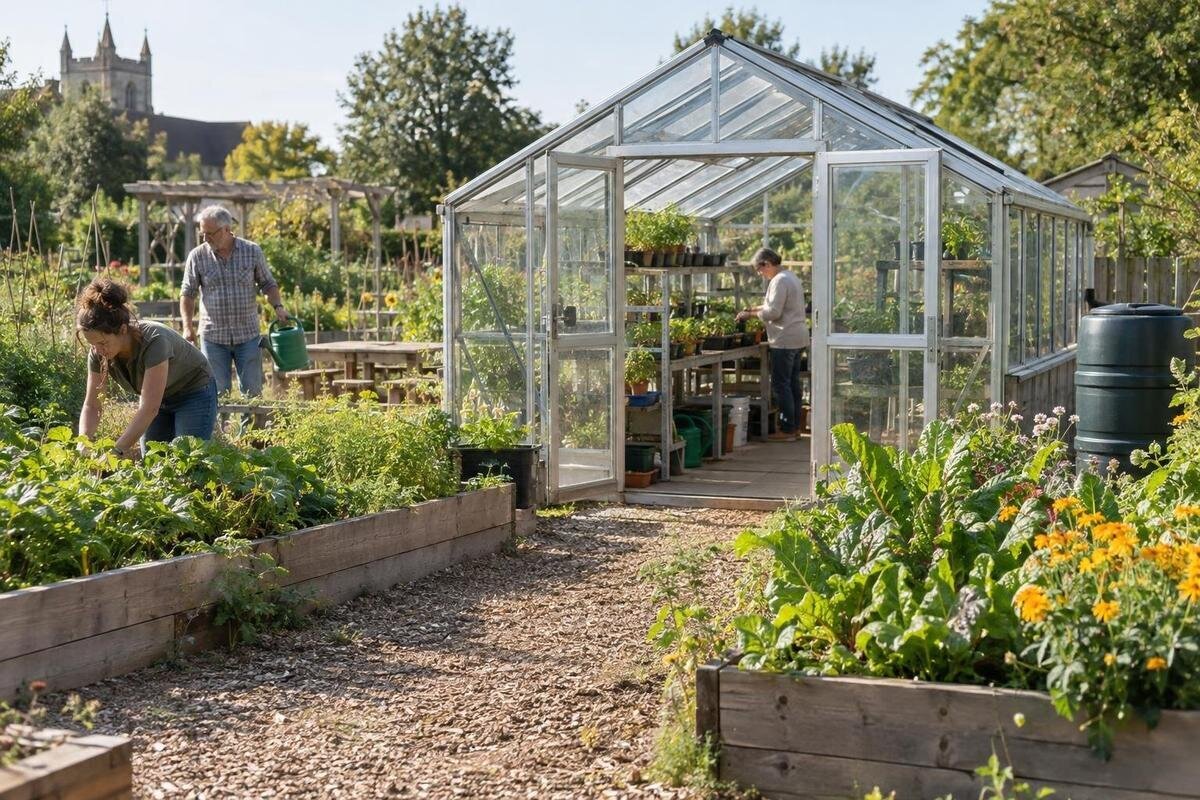
Community greenhouse planning
A community greenhouse is easier to share when the group agrees how it will work before beds are assigned. A floor plan cannot decide who may harvest, who checks the water or what happens when a volunteer is away. A useful operating plan connects the physical space to named responsibilities: plot boundaries, common areas, access, watering, equipment, routine care and decision-making. It should be straightforward enough to use during a busy growing week, with clear task owners, a backup for recurring jobs and a way to record changes. That clarity helps prevent small misunderstandings from becoming arguments about crops, tools or unpaid work.

01
Agree the purpose and decision-making rules
Agree what the greenhouse is for before assigning beds. Is the main aim to give members individual growing plots, to produce crops for a shared purpose, to provide a place for learning, or a combination? Choose the priorities, identify who can participate and make clear what the group will not manage. For example, decide whether produce from common beds is shared, offered to a particular group or divided among volunteers. These choices affect how much space remains communal and what work members are taking on. A short purpose statement prevents reasonable but conflicting assumptions about access, harvest and shared supplies. It also gives the group a basis for making choices when demand exceeds capacity.
Name who can make routine decisions, such as adjusting a bed roster, and who must approve changes that affect the whole group, such as admitting members, changing harvest rules or spending shared funds. A coordinator can keep the plan moving, but should not become the unspoken owner of every job. Define the coordinator’s responsibilities and review date, and name someone who can access the records when they are away. Agree how members raise concerns, how decisions are shared and what happens if nobody volunteers for an essential task. A brief trial period gives the group a chance to test its rules and revise them using actual experience. Record decisions, not just the conversation.
Mark individual plots and shared areas
Draw the greenhouse as it will be used, not just as an empty rectangle. Mark individual beds separately from shared beds, propagation or potting areas, work surfaces, storage and routes used to reach each zone. Avoid labelling leftover space as common space unless everyone knows what it is for; an undefined corner can become a place for abandoned pots or unclaimed tools. Show doors and fixed features on the plan, then ask members to review the proposed arrangement together. Check whether someone can tend a plot without repeatedly blocking another person’s work. Include the group’s agreed access needs, and seek appropriate advice on questions specific to the site.
Make boundaries easy to recognise with a map, bed numbers and durable labels. Decide whether members may change a plot edge or place pots outside it. Shared routes, common beds and work surfaces need named custodians even though they are not allocated to one member. The listed Spacious Greenhouse range is 47 to 70 m², which can help the group discuss building scale. It does not tell you how much area will be available for planting or whether a particular site will work. Fit the marked plan to the exact configuration, and confirm dimensions and site requirements with the supplier or an appropriately qualified professional.
02
Set fair rules for plots and membership
Use a written allocation rule rather than relying on informal claims to a bed. Equal plot sizes are easy to explain, but may not be the fairest arrangement if participation time, growing aims or shared duties differ. Decide who is eligible, whether each member or household may hold one plot, how long an allocation lasts and how an unused plot is returned. If requests exceed supply, use a transparent waiting list or another method agreed by the group. Avoid letting plots pass informally from one person to another. Allow for temporary changes when someone cannot attend, so a bed can be cared for without silently cancelling that member’s place. Review the rule at an agreed point in the growing cycle.
Estimate capacity from both space and time. Count the plots the map can support after shared areas and routes are included, then consider busy periods when several members may want to sow, water or harvest at once. Ask how many active plots the group can support with its available volunteers, tools and agreed routines. The Classic aluminium greenhouse range is listed from 3.77 to 28.08 m², but the area range cannot be converted into a fixed number of members. Test the allocation on a plan for the exact option under consideration, then check it against the group’s capacity to care for the beds. A clear waiting list is more workable than promising space the group cannot maintain.
Agree access, bookings and handovers
State who can enter, when the greenhouse is available and how a session is booked if booking is needed. Identify key holders or the agreed access process, who can approve guests and what induction a new participant needs before using shared areas or tools. If children or other visitors may be present, describe the supervision arrangements set by the site owner and the group; do not assume that an open community garden means the greenhouse is open for unsupervised use. Put the current access rules where members can find them. Also agree how a booking can be changed or cancelled, so people do not arrive expecting to use the same space at once.
Access rules can affect the building brief as well as the roster. When comparing an option in the Lean-to Greenhouse range, listed from 3.69 to 14.34 m², mark the entrance and shared working areas on the proposed layout. Check entrance clearance and the routes between beds with the supplier for the exact configuration; these cannot be established from the floor-area figure alone. Keep a shared calendar or noticeboard for bookings and handovers, particularly when members need the same work surface. Agree who checks that tools are returned, the greenhouse is left usable and any issue is passed to the next person. Name a backup for opening or closing duties so a cancelled visit does not leave these jobs unattended.

03
Make watering a named responsibility
Separate the duty to check plants from the decision to water them. A named water lead can make sure each bed has current instructions, while the person on duty checks the actual need and follows the agreed method. Put plant-specific notes at the relevant bed, particularly where members use different crops or growing methods. Record whether watering was needed, not merely that someone visited. This helps prevent duplicate watering and makes a missed task visible. If instructions are unclear, tell substitutes to contact the named lead rather than guessing or watering every bed on the same timetable. The plan should reflect the crops and conditions, not a universal calendar.
Document which water sources members may use, any site restrictions, who checks the supply and what to do if water is unavailable. If a new connection, tank or other change is proposed, ask the site owner and an appropriate professional to confirm what is suitable; a roster is not an installation plan. A simple log can record the date, areas checked, action taken and handover needed. For a project using one of the Limited Edition Aluminium Greenhouse options, listed from 3.77 to 28.08 m², base the watering plan on the proposed crops and available supply rather than the published building area. Assign someone to review recurring shortages and update the instructions when planting changes, so substitutes have a current plan to follow.
Keep shared tools and supplies accountable
Make shared equipment visible and give it a home. Record each group-owned item, its usual storage place, its condition and whether it can be borrowed away from the greenhouse. Label communal tools clearly, and agree how personal equipment is marked so that a misplaced item is not automatically treated as shared. A sign-out record can be a clipboard or a shared digital log; either way, name someone to check it. Set out who can approve purchases and replenishment of consumables. Without that rule, small replacement costs can become disputed or fall by default to one volunteer. Keep the inventory current so members can see what is available before bringing duplicate equipment.
If dedicated storage is part of the project, compare the Limited Edition Aluminium Greenhouse with Storage specification with the group’s equipment inventory. Check the storage dimensions and what is included: the product title identifies the option, but does not establish whether your tools will fit. Whatever building is chosen, label shelves or containers and set a return place for everyday tools. Follow the site’s guidance for any materials that need controlled access, and make clear who may use them. Name one person to check stock and another to cover when they are away. Agree how missing or damaged items are reported, and do not use a member’s private storage as overflow unless the group has agreed to it.
04
Assign routine maintenance and fault reporting
List maintenance as separate jobs rather than giving one person a vague instruction to look after the greenhouse. Distinguish building upkeep from plant care, and name who handles each recurring task, when it is due or what triggers it, and where completion is recorded. Set the frequency using the supplier’s guidance and the site’s needs, not an arbitrary rota interval. Keep the record simple enough for a volunteer to complete, with a date and any follow-up required. Give each task a backup and make clear which jobs require advice or approval before anyone begins. A rota makes responsibility visible; it should not imply that every volunteer is qualified to carry out every repair.
Make reporting separate from repair. Give members a simple way to record a broken fitting, leak, damaged panel or other concern, then name the person who decides whether to contact the site owner, supplier or an appropriately qualified professional. Volunteers should not be expected to take on work outside their experience or competence. If the group is considering the Prestige Greenhouse with Metal Foundation, ask the supplier which checks and maintenance guidance apply to the exact configuration and site. The model name alone is not a maintenance schedule. Keep that guidance and records of completed work together. For any outstanding problem, note who is responsible for following it up and when the group will check its status.
Coordinate planting and shared harvests
Keep a planting record that shows the bed, crop, person responsible and any dates or handovers the group needs to know about. This helps members see where plans overlap and whether someone is available to care for a crop while its usual volunteer is away. Mark shared beds separately from personal plots, and agree how the group chooses what goes into them. If members can harvest from common beds, say whether produce is for participants, a named community purpose or another agreed use. Label crops clearly enough that a visitor or substitute can tell what is being grown and who to ask before picking. Set a process for updating the record when plans change.
Harvest rules need to cover surplus as well as normal picking. Agree who can take produce, how the group records what has been harvested and what happens to crops that are ready when the responsible member is absent. Set a handover point for clearing a finished bed, and decide how plant material or unused supplies are handled under the site’s arrangements. When considering the Pyramid Greenhouse range, listed from 5.53 to 18.9 m², use the area to compare building scale, then work from the actual planting plan to agree shared crop commitments. Floor area alone cannot predict harvest volume. Keep the harvest record tied to the beds being grown, so expectations can change with the planting rather than becoming a fixed promise.

05
Prepare a building brief from the operating plan
Once the group has a working plan, turn it into a concise project brief. Include the number and type of growing areas, the space reserved for shared work, access arrangements, storage needs, water arrangements and who will own ongoing tasks. Add the group’s budget process, decision-maker and expected maintenance responsibilities. Note the proposed site and any questions that depend on it, such as permissions, access or services. Ask the landowner, supplier and relevant qualified professionals what approvals or assessments apply; requirements depend on the particular project, so do not assume a greenhouse is suitable for every site or type of use. Keep unanswered questions visible rather than treating them as settled.
Compare the marked plan with the exact option being considered. For the T-Model Orangery Greenhouse, the listed range of 16.52 to 30 m² provides a starting point for comparing building scale; usable bed area and member capacity still need to be worked out from the layout. Check the full specification and discuss price, suitability for the shared project, site requirements, permissions and assembly or maintenance arrangements with the relevant parties. Record the answers alongside the brief so future coordinators can see what the group agreed to and which questions remain open. Wait until the project details are confirmed before allocating plots or promising a start date, so members’ commitments are based on the space and arrangements actually available.
Keep records current and review the arrangement
Keep the current operating plan in one place members can access. It should include the purpose and decision rules, a marked plot map, membership and access arrangements, watering instructions, equipment inventory, maintenance rota and a contact for reporting problems. A shared folder or noticeboard can hold the details, provided someone is responsible for updating it and removing superseded versions. Use consistent labels across the map, bed markers and records so members can find information quickly. Give new members the latest version as part of their induction. If information is scattered across messages or held by one volunteer, a change of coordinator can leave the group unsure about routines that seemed obvious to the previous organiser.
Review the plan when membership changes, a growing area is reassigned, the crop plan shifts or a recurring task is missed. The group can also set a regular review point that suits its activities, rather than waiting for a disagreement or breakdown to expose a gap. Check whether responsibilities are still manageable, whether common equipment is being returned and whether access and handovers work in practice. Record agreed changes and name the person who will update the plan. If essential jobs repeatedly go unfilled, reduce the scope of shared beds or pause new allocations until the group has enough support. A realistic plan protects volunteers from carrying an invisible workload.
Frequently asked questions
How can a community group allocate greenhouse plots fairly?
Agree the criteria before allocating beds. These might include eligibility, how long a plot is held, the number of plots per member and what happens when a plot is unused. If demand is greater than capacity, use a waiting list or another method the group has approved, and make the same rules visible to everyone.
Should everyone follow the same watering schedule?
Not necessarily. Different crops and growing conditions can have different needs. Agree who checks each area, where plant-specific instructions are kept and how the person on duty records what they did. A check is not the same as watering every bed automatically.
What should a shared greenhouse agreement include?
Cover the greenhouse’s purpose, membership and plot allocation, access and visitor rules, harvest arrangements, watering, equipment, maintenance and fault reporting. Name an owner and backup for recurring tasks, and set out how the group records decisions and changes.
How can a group keep shared tools from going missing?
Keep an up-to-date inventory, label group-owned equipment and agree where items belong. Use a simple sign-out record if tools are borrowed away from the greenhouse, and name someone to check that equipment is returned and supplies are replenished.
Who should arrange repairs to a community greenhouse?
Name a coordinator to record the issue and contact the site owner, supplier or an appropriately qualified professional. Volunteers can report problems, but should not be expected to carry out work that is outside their experience or competence.
A practical shared-use plan makes everyday expectations visible: members know which areas are theirs, what can be harvested, where equipment belongs and who is responsible for the next watering or maintenance task. It also gives the group a fair way to respond when membership or capacity changes. Keep the arrangement simple, assign real owners and backups, and update it as the greenhouse is used. That is what turns a shared growing space into a manageable community resource.
