
Are Solar Panels Realistic for Winter Greenhouse Heating?
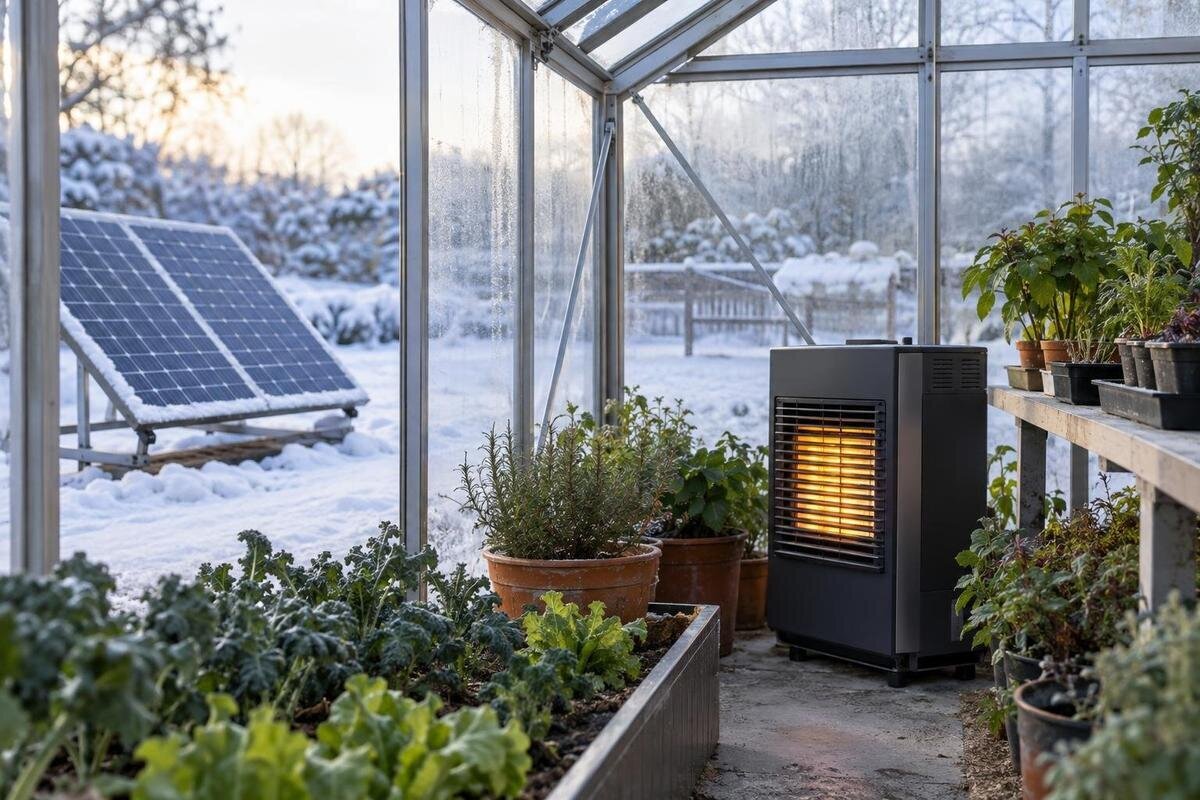
Greenhouse heating and winter energy
Solar panels can contribute to greenhouse heating in a New Zealand winter, but they do not automatically make a greenhouse self-sufficient. The mismatch is mainly about timing: heating may be needed overnight and during cold, cloudy spells, while photovoltaic (PV) generation arrives in daylight and varies by season, weather, shade and site. A sound plan compares the heater’s real winter electricity use with the array’s expected winter output, then accounts for what happens when those profiles do not line up. For one grower, solar-assisted heating with grid support may be realistic; for another, battery storage and a clearly defined backup arrangement may be needed. An annual solar total on its own cannot promise overnight frost protection.

01
What solar can realistically do in winter
Solar PV can offset some electricity used by a greenhouse heater, especially when part of the heating demand occurs while panels are generating. It is a less direct answer to overnight heating: panels do not generate in darkness, and winter brings shorter days than summer. Cloud, shade and changing weather also affect output at a particular site. The practical test is not whether a proposed array has a large annual generation figure, but whether it can meet an appropriate share of the load during the coldest part of the year. A yearly average can hide the days when plants most need protection.
Set the claim you want to test. Solar might reduce daytime grid use, contribute to heating over a winter month, or supply a defined share of energy through a battery; those are different outcomes. Full self-sufficiency sets a much higher bar because the system must also cope with dark nights and extended low-generation periods. Treat an annual surplus as an accounting figure, not energy that can be carried from summer into winter. A winter plan should be clear about the role of the grid, any battery and the backup available if PV generation falls below the estimate.
Set the heating target and greenhouse area
Before comparing panel or heater sizes, decide what the greenhouse has to do. A space held above a chosen minimum for a small group of overwintering plants has a different heating requirement from one kept warm for active growth; the target depends on the plants and your growing plan. List what must be protected, which plants are less sensitive, and how much area is genuinely in scope. If a priority group can be grown separately, compare that smaller heat zone with warming the whole greenhouse. This is a planning option, not a promise that a partition or cover will hold a particular temperature; its effect needs to be checked in the actual structure.
Record the exact greenhouse footprint and, where available, its internal dimensions, glazing and ventilation details. Area is a basic input to the energy comparison, but it is not a heat rating: shape, exposed surface, air leakage and site conditions matter too. The Bloomcabin Prestige Greenhouse range is listed from 3.77 to 28.08 m², a wide spread within one model family. Select an actual size before estimating demand rather than relying on the family name or its largest listed area. That product-page size range establishes scale only; it does not specify insulation, heater capacity or an achievable winter temperature.
02
Check the greenhouse’s heat-loss factors
Heat loss depends on the whole enclosure, not the PV panels. Glazing, joins, doors, vents, wind exposure and the air exchanged with outside all affect how quickly a greenhouse cools. Sunlight can warm the space during the day, but that does not establish how warm it will remain after sunset. The effect varies with the structure, weather and site. A sheltered position or nearby wall may change local conditions, but neither guarantees a useful overnight temperature. Ask for documented details about the glazing and any insulation or ventilation configuration for the exact greenhouse, rather than inferring thermal performance from a frame material or product title.
For the heating estimate, distinguish the greenhouse footprint from the exposed enclosure through which heat is lost. The Spacious Greenhouse range is listed from 47 to 70 m². That identifies the growing footprint, but does not describe the glazing, roof and wall surfaces or air leakage of the selected structure. Ask for the estimate’s assumptions about those features, wind exposure and the difference between the target indoor temperature and outside conditions. Keep these assumptions alongside the chosen dimensions. This lets you see whether two heating proposals describe the same greenhouse under comparable conditions, rather than appearing different simply because they use different inputs.
Measure the heater’s real electricity use
Find the heater’s documented electrical input and, where possible, record its energy use during representative cold weather. A nameplate rating describes the appliance under its stated conditions; a thermostat-controlled heater may run for only part of the time. If its actual steady input and running hours are known, multiplying kilowatts by hours gives a rough kWh tally. That is an energy tally, not a heat-loss calculation or a design guarantee. For an existing system, an appropriate energy monitor can show usage; electrical metering or changes to fixed wiring should be handled by a qualified professional.
Keep a log of daily energy use, outside conditions, approximate running hours, the chosen temperature target and any periods when doors or vents were open. Identify the structure and size in that record: the Aluminium Classic Greenhouse range is listed from 3.77 to 28.08 m², so the model name alone does not describe your growing space. Include several cold nights, not just a mild day, and note changes in your growing routine that might explain differences in consumption. If you are choosing a heater rather than monitoring an existing one, label the figures as estimates and record the appliance’s documented electrical input and assumed running hours. That distinction keeps projected demand separate from measured use.

03
Use a local winter solar estimate
Ask an installer for a month-by-month estimate for the actual address and proposed array, not just an annual yield. The estimate should state its assumptions about array size, orientation, tilt, shade, inverter and expected system losses, along with the weather data used. Trees, buildings, surrounding terrain and winter cloud can affect useful output; an estimate for a different site is not automatically transferable. If you already have PV, compare meter or inverter records from winter and note the weather, rather than relying on the best day. A forecast is not a guarantee, so ask what uncertainty it includes.
Request daily or hourly output estimates if you need to compare generation with a particular heating schedule. Use the selected greenhouse footprint to describe the heating task, but do not treat it as panel area. The Lean-to Greenhouse range is listed from 3.69 to 14.34 m²; that identifies a greenhouse size range, not available PV area, roof suitability or likely generation. Have the installer assess the intended panel location separately. If nearby shade changes through the year, ask how seasonal shading is represented. It is the low-output winter period, not the annual total, that may set the limit on solar-assisted heating.
Match generation with the time heating is needed
Solar output and heating demand rarely follow the same clock. PV is generated in daylight; overnight heater consumption must come from another supply or energy saved earlier. A daily or hourly comparison makes any surplus and shortfall visible: daytime production may exceed heater use while evening demand exceeds current panel output. Put generation and heater use alongside each other for matching time periods, with both expressed in kWh. Keep electricity supplied directly by PV separate from electricity drawn from a battery or the grid. This shows when solar can contribute immediately and when the heating plan depends on stored energy or another supply.
Use a consistent heating schedule when comparing greenhouse options. The Limited Edition Aluminium Greenhouse range is listed from 3.77 to 28.08 m²; specify the selected size and the hours during which you intend to maintain your chosen temperature. A comparison for daytime heating answers a different question from one covering the entire night. If you change the heated area or operating hours, update the demand figures rather than carrying over the earlier result. Compare heater demand with the estimated electricity available at the point of use, allowing for conversion losses. The result should identify the periods solar can cover and the remaining demand that needs another supply.
04
Choose a battery for a defined role
A battery can shift some daytime PV energy into the evening, but it does not create extra generation. Compare usable capacity rather than relying only on a headline capacity, and check the power it can deliver, expected conversion losses and any reserve for other loads. Most importantly, ask whether the proposed system can supply the greenhouse heater at its required electrical input. Capacity, output power and panel generation describe different things. A written estimate should make clear how much stored energy can actually reach the heater under the proposed arrangement and the conditions used for that estimate.
A system intended to shift energy from afternoon into evening cannot automatically cover several consecutive days of low generation. Ask for the proposed battery’s documented operating limits, estimated backup duration and recharge assumptions, including the heater demand used in that estimate. Be clear about what each reference to storage means: electrical battery capacity, thermal storage and greenhouse storage space are separate considerations. The Limited Edition Aluminium Greenhouses with Storage product name does not specify a solar battery or its capacity. If frost protection depends on stored electricity, the plan needs to explain both how long the battery can support the intended load and what supplies the heater once that energy is depleted.
Keep grid supply and outage backup distinct
Grid electricity can cover periods when PV generation is too low for the heater, but the cost depends on your actual retailer plan and export arrangements. Compare the price of imported electricity at the times you expect to use it with any credit for exported power. Do not assume exported energy offsets imported energy at the same rate, or substitute a generic tariff for your own bill. A proposal should separate electricity used directly in the greenhouse, energy stored for later, and energy sent to the grid. That makes it easier to see whether the system is reducing winter purchases or mainly producing a surplus at other times.
A power cut is a different problem from low solar output. Many grid-connected PV systems do not supply power during an outage unless they have a documented backup function. Ask a qualified electrical professional whether the proposed setup can support the greenhouse heater, which circuits it can supply and what its limits are. Check the heater’s own documented requirements as part of that discussion. If the system cannot maintain all heating needs during an outage, decide which plants or area have priority and what response the remaining supply allows; do not assume that the presence of panels guarantees protection.

05
Do not assume the greenhouse roof can carry panels
Mounting PV panels on a greenhouse is a separate structural question from whether solar energy could help with heating. Do not infer that a garden greenhouse roof is designed to support panels and mounting equipment from its appearance, frame description or ability to support ordinary glazing. The exact structure and mounting arrangement need appropriate documentation and professional assessment. A roof-mounted system may also affect light entering the growing space. Consider the proposed panel layout in relation to the plants below, so the energy proposal accounts for shading as well as expected electricity generation.
The Pyramid Greenhouse range is listed from 5.53 to 18.9 m²; that is a product-area range, not a roof-load rating or approval for PV mounting. If the manufacturer’s information does not document suitability for the proposed arrangement, do not treat the greenhouse roof as a ready-made panel support. A separately supported array may be another option, subject to a qualified professional’s assessment of the site and proposed system. Keep the greenhouse choice and PV mounting decision linked in the plan, but do not assume one product’s listed size establishes the other’s suitability.
Compare winter heating and solar proposals
Bring the heating and solar information together so you can compare proposals on the same basis. Record the plants and area to be protected, selected greenhouse size, heater demand, winter PV estimates, battery limits, grid rates and backup function. The T-Model Orangery Greenhouse range is listed from 16.52 to 30 m²; identify the exact size in each proposal rather than leaving it as a model name. Check that the winter months, heating schedule and temperature assumptions also match. Where proposals differ, ask which input explains the difference. Keep expected PV generation separate from the electricity expected to reach the heater, so the comparison reflects useful supply rather than panel output alone.
Test more than an average winter day. Ask what the plan predicts for a low-generation spell, how the battery is expected to recharge, and what grid supply or backup is available if output falls short. Compare the quoted system and electricity assumptions with your own retailer rates; do not rely on a promised saving or payback that has not been supported by those inputs. If you want independence from the grid, require evidence for that specific operating goal, including how the system handles extended poor weather. A clear set of assumptions is more useful than a single figure for annual solar generation.
Frequently asked questions
Can solar panels heat a greenhouse overnight?
Not directly: PV panels do not generate electricity after dark. A battery can shift some daytime generation into the evening, while the grid or another suitable supply can cover any remaining demand. Base the plan on the heater’s actual winter use and documented system performance, not annual solar output alone.
Will grid-connected solar keep the heater running during a power cut?
Not necessarily. Many grid-connected systems do not provide power during an outage unless they have a documented backup function. Ask a qualified installer whether the proposed system can supply the greenhouse heater, which circuits it supports and what its limits are.
Do I need a battery for greenhouse heating?
Not always. If heating demand coincides with daylight, PV may offset some grid use without a battery. A battery can shift some energy to later, but its usable capacity, output and recharge assumptions matter. Compare the added storage with the amount of overnight heating you actually need.
Can I mount solar panels on the greenhouse roof?
Do not assume a garden greenhouse roof is designed to support PV panels and their mounting equipment. Check the manufacturer’s documentation for the exact structure and have a suitably qualified professional assess the proposed arrangement. A listed greenhouse area is not a roof-load rating.
How can I tell whether solar will cover winter heating demand?
Compare measured heater use in cold weather with a site-specific estimate of PV generation for the same winter period. Look at when the electricity is available, not just the monthly or annual total. Include battery limits, grid supply and any backup needed during low-generation spells.
Solar panels are realistic as a contribution to greenhouse heating when expected winter generation matches some of the demand and the plan covers the rest. Full winter independence is a much higher bar: it depends on the actual heater use, site-specific solar output, usable stored energy and the length of low-generation spells. Treat an annual PV estimate as one input, not a frost-protection guarantee. If the assumptions, timing, storage limits and backup role are clear, you can judge whether solar-assisted heating suits your greenhouse without relying on an unsupported promise.
