
Is Weekend-Only Greenhouse Care Realistic?
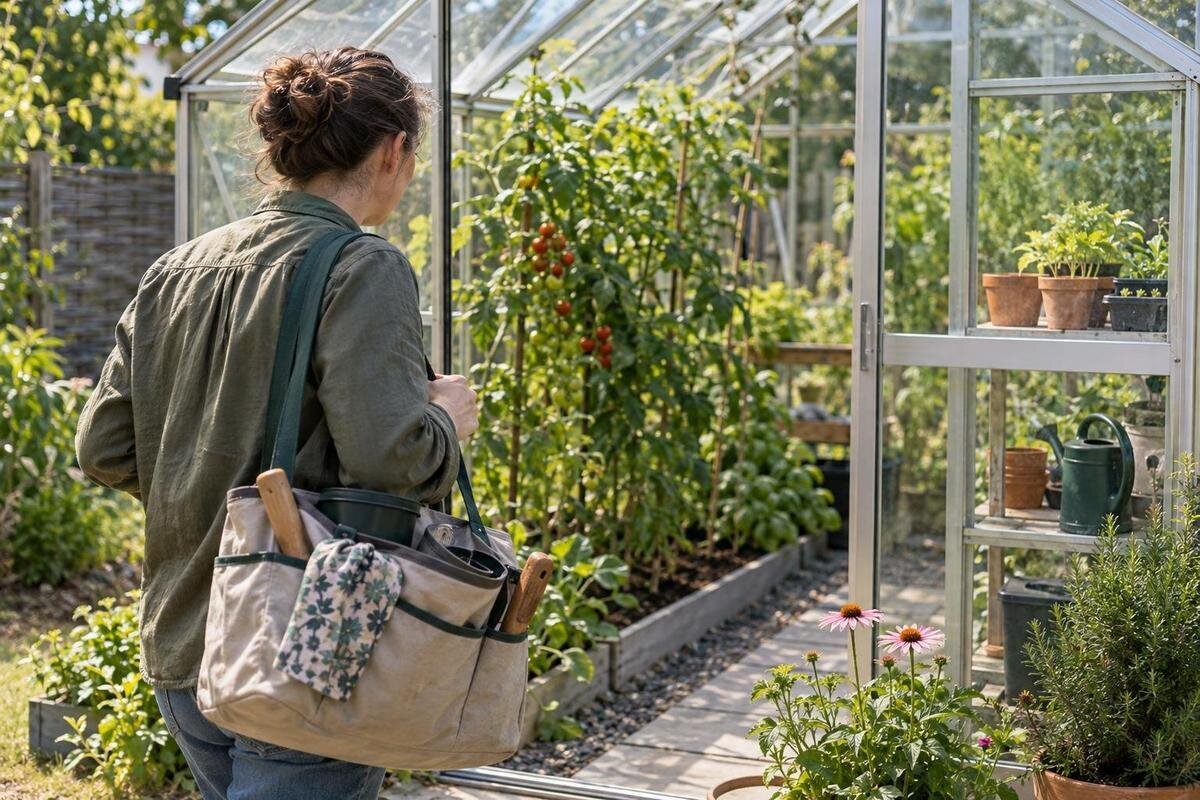
Greenhouse planning
A greenhouse doesn’t pause between visits. Warm, dry weather can change watering needs; a vent may stick; a small container can dry sooner than a bed. Weekend-only care can work when the crop list, water supply and ventilation are planned around the entire gap, with someone available if conditions change. The practical test is whether plants and equipment can get through the longest likely stretch without attention, including a missed weekend or delayed return. That answer depends on your site, season and crop stage; there is no honest blanket promise that a greenhouse can manage itself.

Measure the gap between visits
Count the time from your last proper check until the next one, then consider what happens if a trip runs long or a weekend is missed. Depending on which days you can attend, there may be close to a week between proper checks; a longer absence can stretch it further. Heat, cloud, wind and rainfall can shift during that interval, while a plant’s needs change as it establishes, flowers or sets fruit. Include the season when you are most likely to be away: a plan that suits a cool, settled period can be inadequate in warmer or drier weather. Use the longest absence you realistically expect as the planning case, not a perfect routine. If work or travel fixes your return time, build that constraint into the plan.
Access belongs in the same assessment. If a greenhouse is difficult to reach from the house or water point, even a brief fault check becomes a bigger job. A wall-greenhouse option such as the Lean-to Greenhouse is one format to examine when comparing locations; its name does not establish whether your own route, water supply or door access will suit you. Walk the route with a watering can or hose, check that you can reach every plant, and note how another person would get in. If a key, gate or narrow path is involved, make that arrangement part of the plan before you need an urgent visit.
Choose crops that fit the time you have
Some growing jobs tolerate a missed visit better than others. Established plants in a suitable garden bed usually have more surrounding growing medium than a small pot, while newly sown seeds, fresh transplants, plug plants and small containers can be less forgiving of drying. Hanging baskets and pots beside a warm, sunlit surface may need especially close observation. A crop’s stage can matter as much as its name: a recently transplanted plant may need more attention than an established one of the same kind. Variety, season, growing medium, ventilation and weather all alter demand, so use crop guidance and your own observations rather than labelling an entire crop low-maintenance. Note which stages will coincide with your planned absences.
Build a short crop list before choosing how much space to plant. Include what you will grow, whether it will be in beds or containers, when each crop is most vulnerable, and how often it needs harvesting or pruning. Choose plants suited to your local conditions and experience; leave delicate or frequently picked choices for a time when you can check them more often. The Limited Edition Aluminium Greenhouses range is listed from 3.77 to 28.08 m², but that area span says nothing about a sensible crop load. Decide on one exact size and planted area, then match the crop list to the time you can give it. Include likely harvest work too, so a busy weekend is not overloaded with catch-up.
Base watering on actual demand
Work out irrigation around how much your actual planting uses, rather than relying on a timer setting chosen once. Demand changes with temperature, sun, plant size, fruiting, container volume and growing medium. Record what you apply during ordinary visits, and inspect plants and growing medium before and after watering to understand how quickly each area dries under different conditions. Keep plants with similar needs together where practical, so one schedule is not asked to serve seedlings, established beds and thirsty containers alike. A mulch or larger container may change the rate of drying, but cannot be treated as a guarantee. Knowing which plants are most exposed to drying can help focus your checks.
An automatic system can reduce repeated hand-watering, but it needs to deliver water to every intended plant. Test the full line while you are present, inspect emitters or outlets for blockage, and confirm the control starts as intended. Check the nearest and farthest outlets separately; a timer running does not prove that water reaches all plants evenly. If the system runs from a tank or depends on power, check what happens when that supply is low or interrupted. The T-Model Orangery Greenhouse is listed from 16.52 to 30 m²; for any footprint you compare, map the planted areas and test each one rather than sizing a system from the model name alone. Check any specified water-pressure or filter requirements against your supply before choosing equipment.
Plan for irrigation failures
A backup is useful only if it still works when the main arrangement fails. List plausible failure points: a tap turned off, a kinked hose, a blocked filter, a depleted tank, a flat controller battery or a power interruption if the controller needs electricity. Which ones apply depends on your equipment, so check its instructions rather than assuming every setup has the same weak point. Test any warning function and make sure the person helping you knows what a fault looks like. A second timer on the same failed supply is not necessarily redundancy. Decide what alternative water source or human response would restore watering, who can carry it out, and when they should contact you.
Treat reserve water as a measured resource. Estimate actual use across the crop groups over the longest expected absence, then confirm any reserve can reach the plants in the way your system is designed to deliver it. Do not count a tank or rainwater supply until you know it will be available when needed and can supply all intended areas. A container nearby is not a backup if it cannot be transferred or distributed. The Pyramid Greenhouse range is listed from 5.53 to 18.9 m²; for a chosen configuration, use the planted area and measured demand to plan the fallback. If the reserve is shared with other tasks, check that the water you need will still be there. Test the plan before leaving valuable plants unattended; there is no universal reserve volume for every greenhouse.

Ventilation still needs supervision
Ventilation is a supervision issue because a greenhouse can warm quickly when sunlight reaches it, even if outdoor air feels comfortable. An open door or manually adjusted window is only a plan when someone is there to operate it. Passive openings and automatic openers can reduce reliance on a visit, but performance depends on the particular greenhouse, actuator, installation and conditions around it. Check the manufacturer’s instructions for compatibility and operating limits, and make sure moving parts have clearance. An automated opening is not a guarantee that conditions remain suitable: wind, obstruction or a fault can still change what happens inside. Follow the maker’s advice for checking any battery or replaceable parts.
Make a ventilation check part of every visit: confirm openings are unobstructed, mechanisms move as intended and doors or vents have not shifted. Consider site-specific sun and airflow, and ask whether any shading choice suits both the plants and structure; shade does not remove the need for air movement. If leaving a door open is your only solution, consider weather, security and pests before relying on it. For the Bloomcabin Prestige Greenhouse, verify what is included in the exact configuration and whether an automatic opener you are considering is compatible. Product names alone do not confirm ventilation equipment or operation.
Make the layout easy to inspect
Arrange the greenhouse so a quick inspection catches what matters. Leave a route to every bed, pot, water connection and vent; keep labels legible; group containers with similar watering needs; and make a leak or wilted plant visible rather than hidden behind stored gear. If you have several irrigation areas, label them clearly and record which valve or control serves each one. A simple sketch or labelled photo helps you check the same places each visit and lets a helper follow an instruction without guessing. Look along the ends of rows and around less visible plants too, where a missed outlet or leak may be easier to overlook.
Storage can help organise tools and supplies, but its position matters more than the label on a product page. The Limited Edition Aluminium Greenhouses with Storage listing identifies a storage option; check the particular layout for a clear route to crops, controls and ventilation, and decide what must stay within reach. Keep critical items easy to identify: watering-system instructions, a spare part recommended by its maker, plant labels and the helper’s contact details. Store instructions where they can be found without sorting through equipment, and update them when you alter the irrigation or crop plan. A storage area should not turn a routine inspection into a search.
Who will respond to greenhouse alerts?
Remote monitoring can tell you that a condition has changed; it cannot open a vent, find a disconnected hose or decide whether a plant needs attention. Temperature or moisture sensors, cameras and phone alerts can be useful only when they work at the site, are set up for the conditions that matter and someone checks the alert. Test connectivity, power and notification settings before relying on them, and check battery or sensor status during visits. Keep a plan for a lost signal or failed device. Decide which alerts need a visit and who will act; an alert arriving on a phone no one is watching is not a response plan.
Name a person who could attend during a hot spell, equipment fault or longer absence, and agree in advance what they can do. Give them a short crop map, the usual watering arrangement, the location of controls and a clear way to contact you. Explain whether they should follow a set routine or call before changing anything, so they do not accidentally repeat a watering task. If you are comparing the Spacious Greenhouse, the listed sizes run from 47 to 70 m²; describe which planted areas and checks matter rather than asking someone vaguely to ‘look after the greenhouse’. Confirm access and availability before depending on that help.
Keep the first growing season deliberately simple
Use the first growing season as a trial of the care system, not a test of how much you can fit inside. Begin with a manageable number of crops, leave some growing area unused if it helps keep access clear, and avoid filling every pot with seedlings that all need attention at the same stage. Keep a simple record of what was watered, what dried out, how often you had to intervene and which tasks could not wait. Expand only when the record shows that the routine works through conditions you have actually experienced. Changing one part of the plan at a time makes it easier to see whether an improvement came from crop choice, layout or watering.
Keep crop timing compatible with your visits. A planned sowing can become a vulnerable tray of seedlings just before a week away, while a heavy picking period can demand more attention than the rest of the season. Check expected germination, transplanting and harvest needs for the crops you choose, and avoid starting several demanding stages together. The Aluminium Greenhouses range lists sizes from 3.77 to 28.08 m²; treat the selected size and the area you choose to grow in as separate decisions. A larger unused area need not become an obligation to plant more, and smaller sowings can make the work easier to spread across the season.

Test the plan before leaving plants unattended
Before leaving plants unattended from one weekend to the next, run through the routine while you can still correct it. Check irrigation at each plant, confirm the water source remains available, and verify that vents or automatic mechanisms move as the instructions specify. A short test can reveal a blocked outlet, missed pot or a timer that works only when someone is nearby. Check that water actually reaches each plant rather than relying on the control display to show that watering is underway. Repeat the test after adjusting lines, refilling a tank or changing controls; do not make a long absence the first time you rely on new equipment. Treat unusually warm or dry conditions as a separate test.
Write down what you learn. A useful log records the crop, container or bed, watering changes, unusual weather, signs of stress, equipment faults and any task that required an extra visit. Add a date or photo when a problem first appears; that can help you distinguish a recurring issue from a one-off. The purpose is not paperwork, but evidence from your own greenhouse. If the same issue returns between visits, change the crop mix, water delivery, ventilation approach or backup arrangement before expanding. Review the notes when seasons or crop stages change, since a gap that was manageable earlier may not remain so as plants grow.
Know when weekend-only care is a poor fit
Weekend-only care is a poor fit when your chosen plants need frequent picking or close attention, conditions inside can become too hot, or the irrigation supply has no workable fallback. It is also risky if seedlings and pots dominate the plan, automatic equipment is untested, or no one else can get in if a control fails. If your only way of keeping plants safe is hoping conditions stay mild, the plan has too little margin. These are not permanent barriers to growing under cover; they show that the current crop plan and visit pattern do not match. Taking on fewer plants can be a better adjustment than buying extra automation.
Change the plan where the weak point lies. Choose a smaller planted area, postpone fragile seedlings until you can check more often, arrange a midweek visit, or ask someone to cover a defined period. If ventilation or watering cannot be made dependable for the longest gap, wait until you have more access or choose a simpler growing arrangement. A greenhouse can be adapted to your routine, but plants still need prompt attention when something goes wrong. A workable plan stays manageable in inconvenient weeks, not only when the weather is kind and every weekend goes to plan.
Frequently asked questions
Can I leave a greenhouse from one weekend to the next?
Sometimes. The length of the gap, crop stage, containers, water supply, ventilation and local weather all matter. Test the whole arrangement while you are present, and plan for a missed visit or a changed forecast. If you cannot provide reliable watering and a way to respond to heat or equipment trouble, reduce the crop plan or arrange someone to check between weekends.
Will automatic watering make weekly visits enough?
Not by itself. It can reduce hand-watering if every outlet works and the water source, control and any required power remain available. Inspect each plant during a full test, then plan for a blocked line, empty supply or control failure. Automation can be one part of the plan, but it does not replace checks or a person who can respond.
Which crops suit weekend-only gardeners?
Choose crops for your local growing conditions and their care requirements, rather than relying on a universal list of easy greenhouse plants. Established plants in beds may be less exposed to rapid drying than small pots, but seedlings and fresh transplants often need closer attention. Limit crops or stages that require frequent harvesting, pruning or checking while you are away.
Do automatic vents mean I do not need to check the greenhouse?
No. An automatic opener may reduce how often you adjust a vent, but it can be obstructed, unsuitable for the model or affected by a fault. Check compatibility and operating instructions, make sure there is clearance, and inspect it during visits. Its presence does not prove that conditions inside will stay suitable through every change in weather.
What if no one can check midweek?
Scale back the plan and address its weakest point. Grow fewer plants, delay fragile seedlings and choose crops whose care needs you can meet between visits. If watering or ventilation has no tested fallback, avoid relying on that setup for valuable plants until your access or support changes. An alert is not a substitute for someone who can attend.
Weekend-only care is realistic when your crop plan and systems are designed for the interval between visits, and a person can respond if the plan fails. Start with a crop list you can monitor, test watering and ventilation through the longest gap, and keep a practical backup for hot weather or equipment trouble. If any one of those pieces is uncertain, reduce the planted area or arrange more frequent checks before taking on delicate crops. The goal is a greenhouse that fits your actual weekends, not a growing plan that depends on every week going perfectly.
